

Is your roof tough enough to handle harsh weather without draining your budget? Consider 3-tab roofing shingles. They have a simple three-slot design that makes them quick to install, which helps keep labor costs low. Despite their light build, they protect your home well against sun, wind, and rain. With routine care, these shingles can safely cover your home for many years. Sometimes the simplest option is also the smartest choice.
Comprehensive 3 Tab Roofing Shingle Overview
3 tab shingles are traditional asphalt roof coverings made with three equal tabs that create a repeating rectangle shape. They rest on a fiberglass mat core (the strong base) that is fully saturated with asphalt and covered with mineral granules. This simple setup makes them much lighter than architectural shingles, which helps keep costs down for those on a budget.
Thanks to their streamlined design, these shingles are quick and easy to install. Unlike heavier roofing like tile, clay, or concrete, putting down 3 tab shingles usually takes less time and effort. This means you can save both time and money on labor, making them a favorite with small contractors and DIY enthusiasts.
With proper upkeep like clearing debris and checking for granule loss, these shingles usually last between 15 and 30 years. Regular maintenance helps them stand strong through sun, wind, and rain, making them a good choice for many climates.
Overall, 3 tab shingles offer a simple and efficient roofing solution. Homeowners get a reliable, affordable roof that keeps your home looking good without stretching your budget.
Material Composition and Color Options for 3 Tab Roofing Shingles
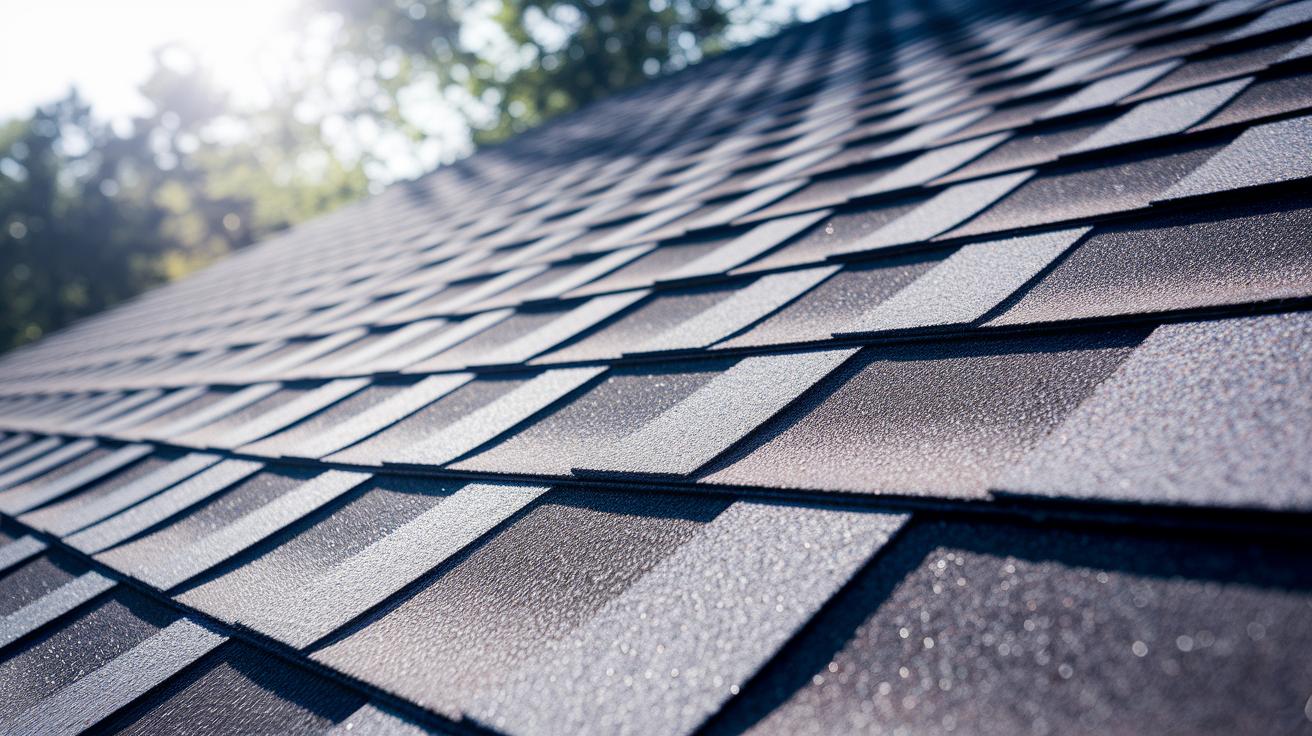
Three-tab shingles come in layers that work together to protect your home. At their center is a fiberglass mat (a tough, lightweight fabric) that gives the shingle strength and stability. An asphalt binder coats the mat to hold the layers together and create a waterproof seal. Mineral granules cover the top to shield the asphalt from the sun, reducing wear from UV rays. Some shingles also add a waterproof bituminous coating mixed with ceramic particles, which reflects sunlight and boosts weather protection.
Even under a strong midday sun, these shingles help keep your home cooler by reflecting a large part of the harmful UV radiation. Today’s color choices are simpler than older styles. Options like desert tan, light brown, and dark brown not only match many home exteriors but also deliver a traditional look with top-notch weather resistance.
| Component | Material | Function |
|---|---|---|
| Fiberglass mat | Fiberglass | Provides a strong, lightweight base |
| Asphalt binder | Asphalt | Binds layers and waterproofs the shingle |
| Mineral granules | Granules | Protect against UV rays and weather damage |
| Bituminous coating | Bitumen with Ceramic particles | Adds extra waterproofing and reflects ultraviolet light |
Benefits and Drawbacks of 3 Tab Roofing Shingles
3 tab shingles are a popular choice because they are light and cost-effective. Their simple design makes them quick to install, which saves you both time and labor costs compared to heavier options like architectural shingles. They offer wind resistance up to 60–80 mph (97–129 km/h) and have a Class A fire rating, meaning they help slow the spread of fire under normal conditions.
On the downside, their basic build can mean a shorter lifespan. Over time, granules can fall off, which may encourage algae and moss to grow. This buildup can trap moisture and lead to more frequent maintenance. Repairing an older roof can be tricky because the limited color and style options may not match well with new shingles. In areas with frequent high winds, these shingles are gradually being replaced to meet updated building codes.
While the quick installation and lower upfront cost make 3 tab shingles attractive, keep in mind that regular upkeep might be required. It’s similar to tending a garden, you’ll need to clean off moss now and then to keep your roof in good shape.
Tabbed Shingle Installation Guide
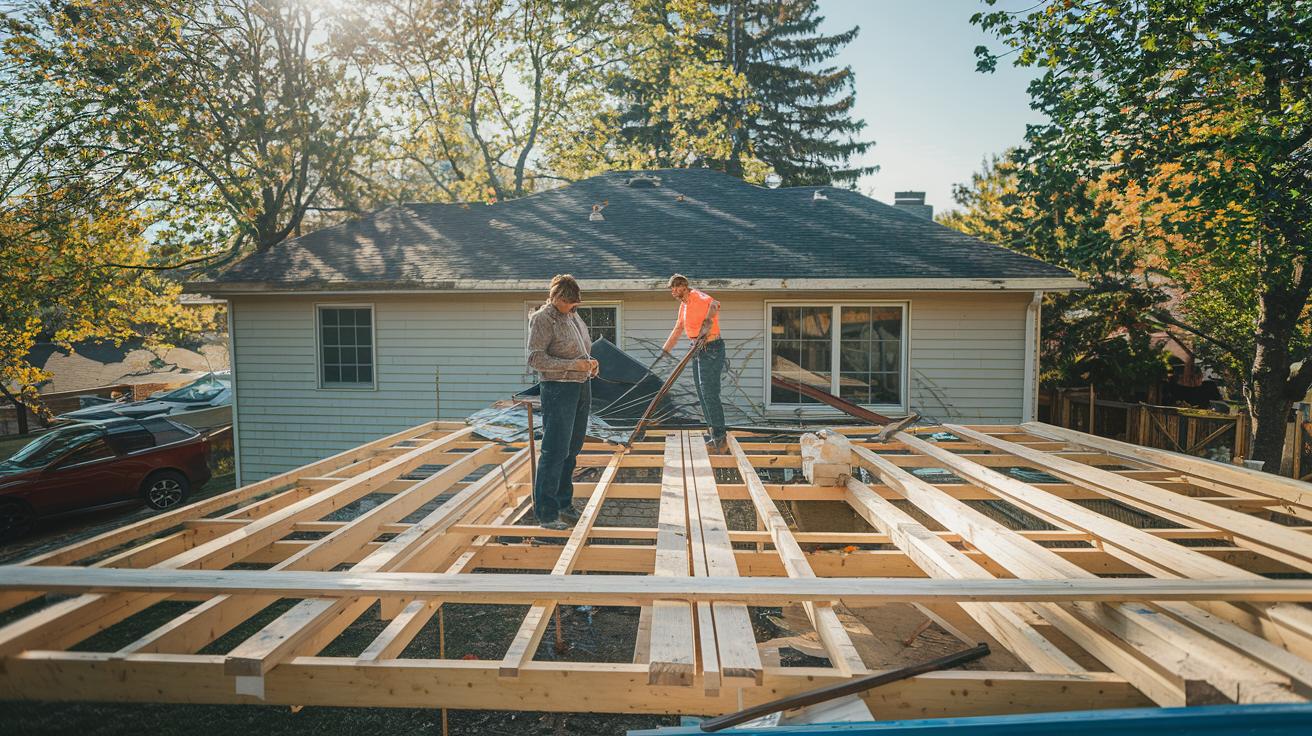
Preparing the Roof Deck
Start by checking your roof deck for any signs of rot or damage. Remove debris and inspect for weak spots that need repair before you lay down the underlayment (a water-resistant barrier). Next, install the underlayment to keep the deck safe from moisture, and then add a drip edge along the eaves to guide water away. Think of it like setting a dinner table, you want everything stable and clean before you serve.
Laying Starter Shingles
Now, position the starter strip along the eaves with an overhang of about 1/2 in (13 mm) to direct water away from the roof. This step is important because misaligned starter shingles can cause problems later. Nail the starter strip securely as the manufacturer recommends so wind doesn’t lift it off, much like laying the first row of bricks to set a solid base for a wall.
Installing Field Shingles
Move on to installing the field shingles by aligning each tab carefully. Arranging them in staggered courses helps shed water efficiently and hides visible seams. Use proper nail spacing to secure each shingle firmly without damaging the roof deck. Each shingle should line up evenly with its neighbor for consistent drainage and curb appeal, just like fitting floor tiles to avoid loose gaps.
Finishing with Ridge Cap
Finish the job by installing the ridge cap. Choose cap shingles that not only look good but also help improve roof ventilation. Follow the recommended nailing pattern to secure the ridge cap while keeping enough airflow along the ridge. A proper finish here keeps your roof strong during temperature swings and high winds, preventing shingle blow-off.
Cost Analysis and Pricing Trends for 3 Tab Roofing Shingles
3 tab roofing shingles are a budget-friendly option for homeowners and small contractors. The shingle material costs about $1.00 to $1.50 per square foot (approximately $10.76 to $16.15 per square meter). This makes them much more affordable than architectural shingles, which use extra layers and weigh more.
Labor fees and disposal charges drive the total installation cost up to roughly $3.00 to $5.50 per square foot (about $32.29 to $59.38 per square meter). Prices can vary by region, so it’s best to get a local estimate before you plan your project.
Remember that extra maintenance can add to the overall cost. Granule loss is common with 3 tab shingles and may mean you’ll spend more on cleaning, moss control, and repairs. Plus, their shorter warranty compared to premium options could lead to higher long-term expenses if minor issues aren’t fixed right away.
Performance and Durability Ratings of 3 Tab Roofing Shingles
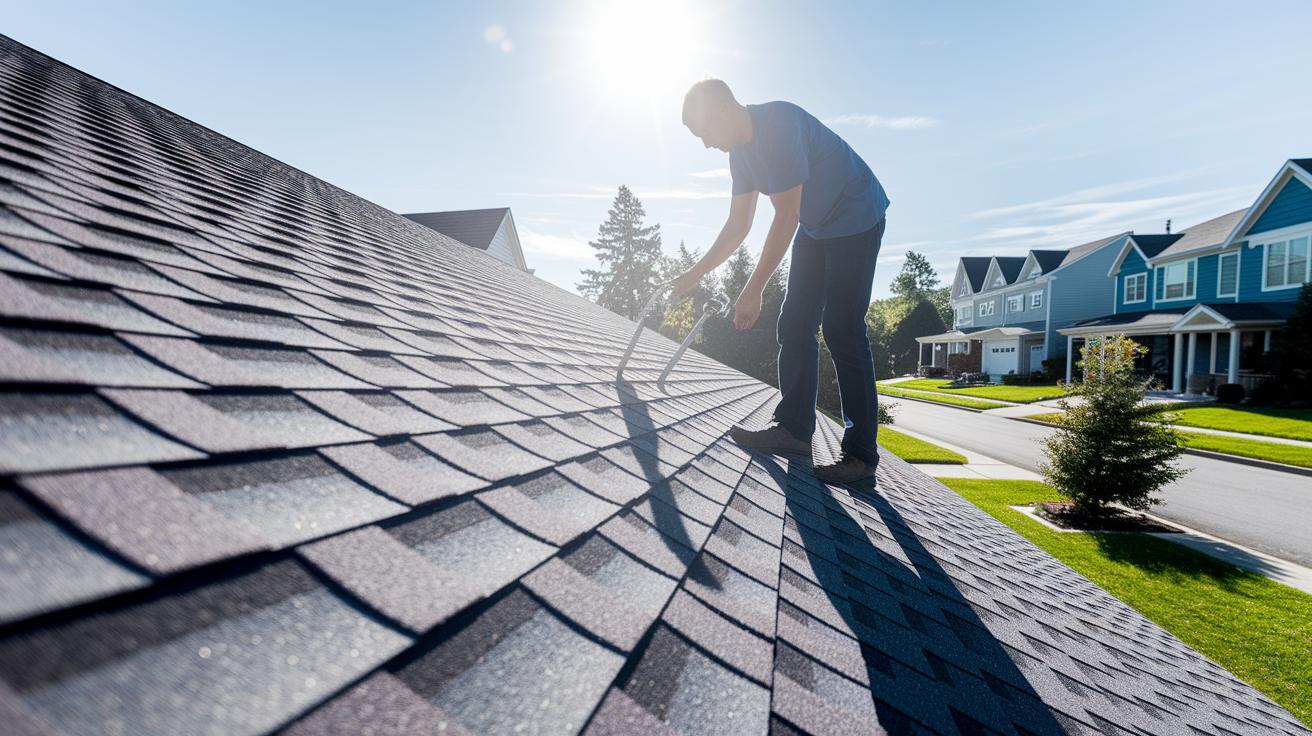
Standard 3 tab shingles handle wind speeds of 60–80 mph (97–129 km/h). They work in many climates but aren’t built for extreme wind events like some higher-end options. These shingles use UV-protected granules to slow down asphalt aging, helping your roof last longer.
Many three-tab shingles have a Class A fire rating. However, only a few models meet Class 4 hail impact resistance (a measure of how well they hold up against heavy hail). For example, if a severe hailstorm hits, these shingles might not perform as well as premium ones.
Typically, 3 tab shingles come with a 25-year warranty, compared to the 50-year warranties often found on architectural shingles. Testing shows that the tabs can break under heavy foot traffic, so be careful when inspecting or cleaning your roof.
Key performance factors include wind speed resistance, hail impact rating, UV protection, and warranty length. These details show that while 3 tab shingles offer reliable everyday performance, they require extra care in areas with harsh weather.
Maintenance Requirements and Warranty Insights for 3 Tab Shingles
Keep your roof in top shape by tackling seasonal upkeep. After autumn storms, clear away leaves and debris to stop moisture buildup. Check for granule loss and remove any algae or moss before they trap water on your roof. Fix any lifted tabs immediately to prevent water from seeping in later. Think of regular maintenance as giving your roof a tune-up before the weather turns harsh.
These shingles carry a 25-year prorated warranty from the manufacturer. Most warranty claims need proof of professional installation. To meet this requirement, document your work carefully: snap clear photos, keep your receipts, and record inspection dates. If you spot damage, file your claim right away and include a detailed log of your routine upkeep. This record not only backs up your claim but may also help you secure insurance credits that vary by region and product type.
Following this simple routine helps extend the life of your roof and keeps your warranty in good standing, ensuring dependable protection for years to come.
3 Tab versus Architectural and Metal Roofing Comparisons
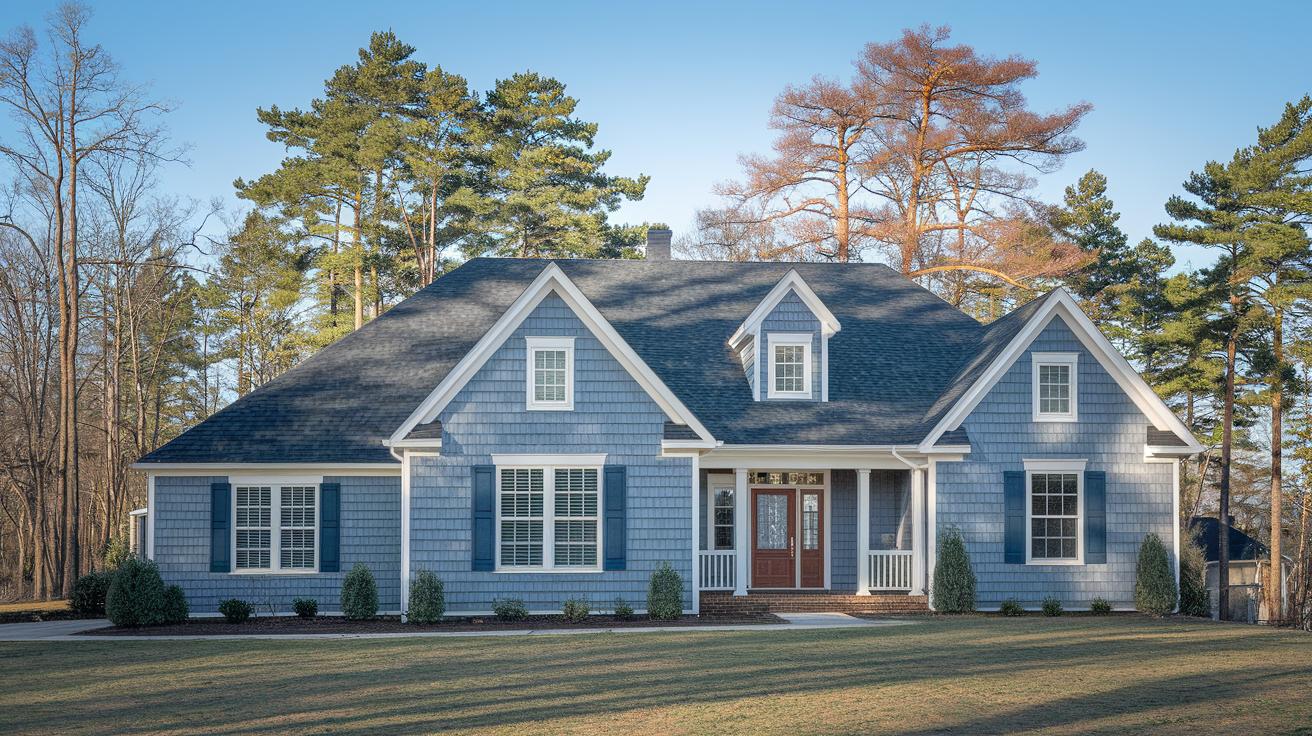
Three-tab shingles are the most affordable option. They’re light and simple to install, making them a good choice if you're watching your budget. Keep in mind, though, they need more maintenance and might not hold up as well in severe weather compared to costlier choices.
Architectural shingles give your roof a richer, more layered look that can boost your home’s curb appeal. They resist winds up to 120 mph (193 km/h) and come with warranties lasting up to 50 years. This extra strength means they cost more and add extra weight, like buying a sturdy tool that costs more but lasts longer. Many homeowners find that the extra cost pays off when strong winds test your roof.
Metal roofs last for more than 50 years and offer strong resistance against hail and wind. They have a higher initial price, but they’re a high-performance choice that gives your home a modern look and cuts down on long-term maintenance. Your decision should depend on your budget, style preference, and how much maintenance you’re ready to handle.
Final Words
In the action, this guide broke down the basics of a 3 tab roofing shingle, covering its layered assembly, installation steps, and upkeep requirements. It compared the cost and durability of a 3 tab roofing shingle with other popular options. We also touched on maintenance routines, warranty details, and pricing insights to help you make smart decisions. Every explanation aimed to give you the clear advice you need to plan a safe and efficient roofing project. Keep moving forward with confidence.
FAQ
What is the price of 3-tab roofing shingles?
The price of 3-tab roofing shingles typically ranges from about $1.00 to $1.50 per square foot for materials, with full installation costs between $3.00 and $5.50 per square foot depending on region and labor fees.
How do 3-tab shingles compare to architectural shingles?
The comparison shows that 3-tab shingles are a budget-friendly option that is lighter and easier to install, while architectural shingles offer a deeper profile, enhanced wind resistance, and longer warranty periods.
What options does Home Depot offer for 3-tab roofing shingles?
Home Depot stocks various 3-tab roofing shingles in multiple colors and price ranges. They provide budget-friendly choices that are simple to install and maintain, ideal for cost-conscious projects.
What colors are available for 3-tab roofing shingles?
The colors available for 3-tab roofing shingles include desert tan, light brown, and dark brown. These options are modern selections, though fewer in number compared to legacy color lines.
Where can I find 3-tab roofing shingles near me?
To find 3-tab roofing shingles near you, check local home improvement stores or roofing supply centers. Many retailers carry these shingles along with price and availability details suited to your area.
Why are 3-tab shingles being discontinued?
The phase-out of 3-tab shingles is due to changing building codes and improved performance standards. Their lower wind resistance and shorter warranties compared to modern options have led to reduced production.
What are 3-tab roof shingles?
3-tab roof shingles are traditional asphalt roofing strips with three identically sized tabs creating a repeating pattern. They consist of a fiberglass mat, asphalt binder, and mineral granules, offering a cost-effective roofing solution.
Are 3-tab shingles better than regular shingles?
Three-tab shingles are a cost-effective roofing option with an easier installation process; however, they typically offer a shorter lifespan and less robust performance compared to newer, premium architectural shingles.
Are 3-tab shingles up to code?
The compliance of 3-tab shingles depends on your local building regulations. When installed by professionals and according to manufacturer guidelines, they meet standard safety requirements, though regional standards may vary.