

Ever wondered if the right stone can make your masonry project a success? Choosing the right stone isn’t just about looks; it forms the foundation of a strong build. Granite, for example, is tough and reliable, while marble gives your project a smooth, refined finish. Each type of stone brings its own mix of strength and style to the table, helping your work stay solid and look great. In this post, we cover reliable and stylish options to help you build projects that not only last but also make an impression.
Key Stone Varieties Used in Masonry
Choosing the right stone is key to any good masonry project. The stone you use will support the structure and set its look. Each stone has its own traits, some are extremely strong, while others add unique textures that boost visual appeal. Factor in both durability and style when planning a wall or facade. For instance, a stone's natural pattern adds charm, and its weather resistance helps the build last longer. A smart stone choice makes all the difference between a sturdy finish and a build that wears out fast.
Knowing the benefits of granite, marble, sandstone, limestone, and laterite lets you pick the stone that best fits your project. Granite offers high compressive strength and low porosity, which works great for busy areas or load-bearing parts. Marble gives a refined look for decorative projects but needs more upkeep. Sandstone comes in many textures that suit different designs. Limestone has a classic feel with moderate durability, and laterite is a budget-friendly option for a rustic wall. Each stone has its perks, so weigh strength and style according to your needs.
| Stone Type | Durability Rating | Aesthetic Qualities | Common Uses |
|---|---|---|---|
| Granite | High | Fine grain, sleek look | Structural walls, countertops |
| Marble | Moderate | Elegant, smooth finish | Decorative facades, interiors |
| Sandstone | Moderate | Varied textures, natural tones | Outdoor walls, paving |
| Limestone | Moderate | Classic, subtle patterns | Traditional construction, facades |
| Laterite | Fair | Rustic, earthy hues | Cost-effective rustic walls |
Before you decide, balance strength with style. Check the local weather conditions and usage demands of your project to find the stone mix that meets both performance and visual goals. This careful approach will help you build a wall that’s as tough as it is attractive.
Cost Factors and Sourcing for Masonry Stone
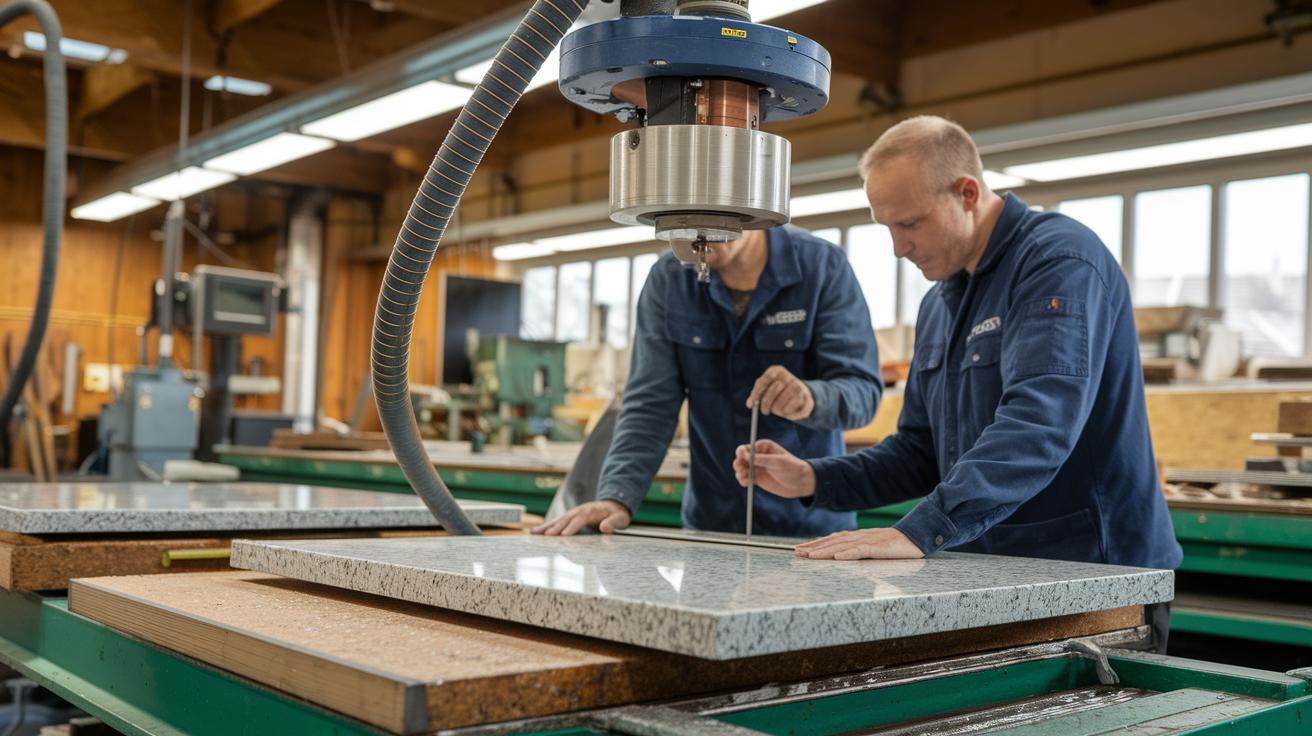
Stone prices depend on the costs of extracting, processing, and transporting the material. For example, granite and marble often cost more than sandstone or limestone because they are tougher and have a finer finish. Expect to pay between $15 and $30 per square foot. Also, factor in labor costs and any extra fees for special cutting or finishing work. Granite, for instance, costs more not just because the stone is expensive but also due to the extra processing needed for that polished look. It’s essential to budget carefully when planning your masonry project.
Local suppliers can help lower your overall costs. Quarries nearby usually charge less for shipping since the stone doesn’t travel far. Visiting local stone yards lets you inspect samples in person and talk with providers who understand your region’s weather and building practices. This hands-on approach ensures your stone meets both strength and style needs, making your building strategy cost-effective.
Before finalizing your purchase, compare quotes and plan visits to a few stone yards to check for hidden fees.
Weatherproofing and Maintenance for Masonry Stone
Masonry stone can take a beating from water, freezing temperatures, and salt buildup. Porous stone like limestone or sandstone soaks up moisture. Over time, that moisture breaks down the mortar (the mix that holds the stones), leaves white salt deposits (efflorescence), and harms the stone’s surface. Using the right sealers builds a barrier that keeps water and dirt out.
- Annual inspection and repair of joints – Check all joints each year for cracks or missing mortar. Fix them to keep water from getting in.
- Surface sealing – Coat the stone with a silicone-based or polymer-modified sealer to guard against moisture.
- Low-pressure cleaning – Use a gentle power wash to remove dirt and debris without damaging the mortar or delicate stone surface.
- Salt deposit removal – Clean off any visible salt buildup to lessen the risk of further damage.
- Regular drainage and flashing check – Make sure water flows away from the wall so it does not pool and cause structural problems.
Regular upkeep keeps your stone looking good and strong. Inspect the masonry every year, and after big storms, to catch small issues before they grow. This routine maintenance helps you fix problems quickly while preserving both the stylish look and long-lasting strength of your masonry stone.
Step-by-Step Installation Techniques for Masonry Stone
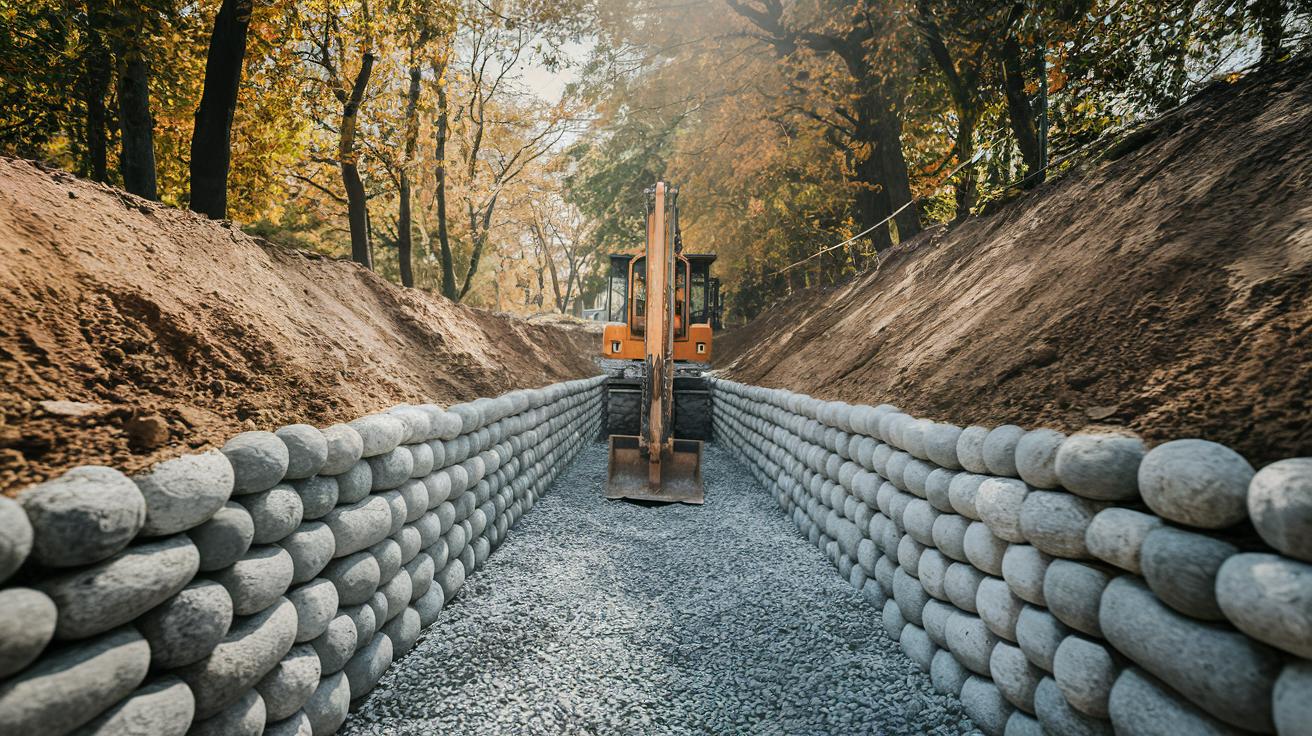
Preparing the Foundation
Start by digging a trench that is 1.5 times wider than your planned wall and 8 in (203 mm) deep. For a 4 ft (1.2 m) wall, this means a trench about 6 ft (1.8 m) wide. Form the base with a 15° inward slope (batter) to help keep the wall stable. Pack well-graded gravel firmly into the trench until the base is even. Then set the footing to create a level, strong foundation that can support the wall’s weight.
Mixing Mortar and Adhesives
Mix your mortar until it has a creamy consistency for strength and ease of work. For a solid stone wall, use a mix of 1 part cement to 3 parts sand (by volume). This ratio creates a strong bond. For thin-set adhesive, which is used for a thinner layer, use a 1:2 mix. Stir the cement, sand, and water until the mix is smooth, not too dry to weaken joints and not too wet to cause shrinkage. A consistent texture makes it easier to work the mortar between stones.
Laying Stones and Ensuring Stability
Place each stone onto the prepared footing by letting it drop into the mortar so it settles naturally and fits securely. As you build the wall, insert crossing stones every meter (about 3.3 ft) to tie the layers together. Use a mason’s level and a guide string along the edge to check that the wall stays straight and level. To secure vertical stones, add brick masonry anchors (small metal fasteners that secure stones to the structure and boost stability). Check every layer to ensure the stones are plumb and the gaps are even, keeping the wall both strong and balanced.
Decorative Applications and Aesthetic Enhancements in Stone Masonry
There are many stone shapes and colors to give your project a standout look. With more than 150 options available, you can combine choices like Full Color Castle Rock (offering soft mauves, lavenders, and blues) with Highland Scotch Ledgestone (showing warm oranges, yellows, and browns). This mix lets you create a style that works with both classic and modern designs while staying tough and eye-catching.
Rustic fieldstone and slate veneer each bring their own flavor to your masonry work. Rustic fieldstone gives an organic feel with irregular shapes and natural textures that remind you of an age-old, weathered look. Slate veneer, on the other hand, offers a smooth, neat finish that suits modern facades perfectly. Your pick depends on whether you want earthy charm or a crisp, contemporary edge.
Grout also plays a big role in your design. Recessed grout creates soft shadow lines that add depth without stealing the show. In contrast, bold over-grouted joints can make a strong design statement on your wall. Choosing the right grout style not only boosts curb appeal but also highlights the overall character of your masonry work.
Historic and Modern Stone Masonry Methods
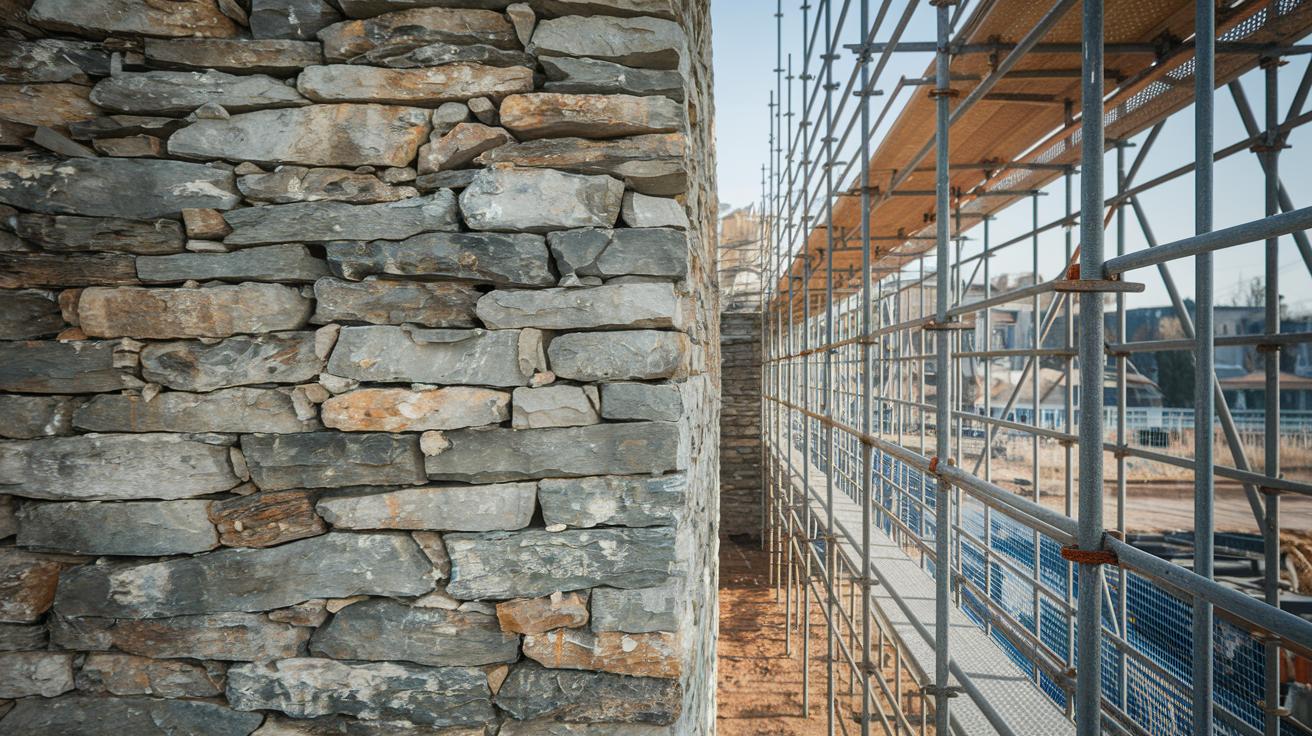
Old wall-building methods rely on time-tested techniques where builders sorted raw stones by size and relied on gravity to hold them in place. Today, these methods help when restoring classic buildings, often mixed with newer, cost-effective practices.
Rubble Masonry Techniques
Rubble masonry uses natural stones that are placed mostly by gravity. With an uncoursed rubble method, stones are set in a random way, giving the wall a rough, natural texture that works well for historic repairs. For a tidier look, a coursed rubble method lines up the stones in even rows with each joint carefully filled with mortar for extra strength. The trick here is to let stones drop into place rather than forcing them, which saves time and energy.
Ashlar and Blended Masonry
Ashlar masonry means cutting stones into smooth, rectangular blocks to create a uniform, clean look. This method is ideal for parts of a wall that you want to show off. Some projects blend techniques: using carefully cut ashlar stones on the visible face and raw rubble for the inner core. This mix gives you a modern, budget-friendly wall that still looks refined and strong. Choose the method that best fits your project’s look and structural needs.
Tool and Equipment Essentials for Stone Masonry
Modern tools for cutting and shaping stone let you work with real precision. Masonry saws, pneumatic hammers (powered hammers), and tile saws trim and shape stone fast and accurately. Traditional chisels and pitch tools smooth out edges, giving you clean, crisp lines. Diamond-tipped drill bits (drill bits with a diamond edge for hard stone) create precise holes for anchors so each stone fits securely. For tougher work, use a brick masonry drill bit (designed for solid rock) to drill into hard materials. This range of tools helps you achieve smooth joints and dependable stone placement.
Lifting and positioning heavy stones is just as important as cutting them. Levers, sleds, and ramps help move hefty stone with less strain and keep handling safe. Modern anchors and fasteners lock heavy stones in place, and with specialized drills, you can install them easily. All these tools work together to hold the wall strong and ensure every piece is aligned correctly.
Don’t overlook safety gear and proper tool maintenance. Wear hard-toed boots, protective gloves, and eye protection on the job. Check and clean your tools regularly to keep them sharp and working well. Caring for your equipment not only extends its life but also makes sure every cut, lift, and fasten is done with accuracy and care.
Choosing Materials and Suppliers for Your Stone Masonry Project
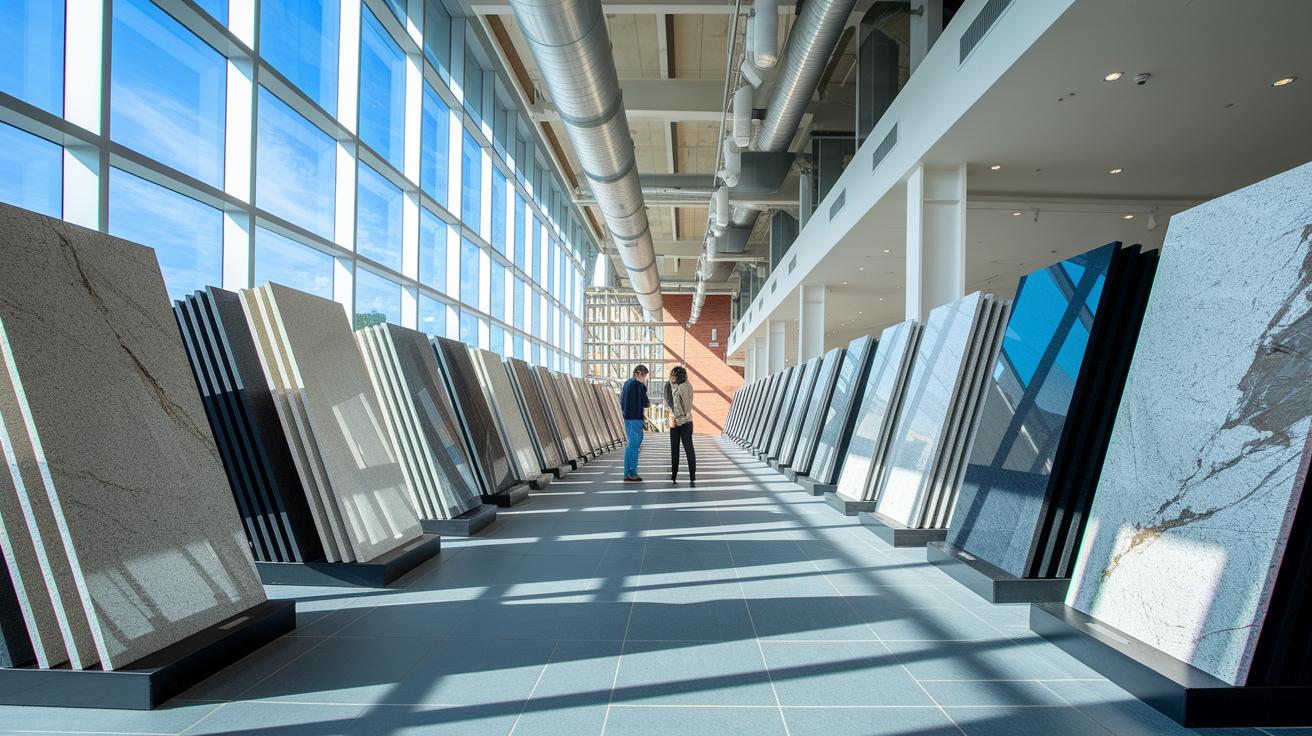
Start by visiting your local design centers and stone quarries. Many places offer over 150 stone profiles, which can cut down on shipping times and lower costs. Chat with suppliers about their building resources and ask for samples. Check that the stone colors and textures match and that each piece meets the ±1/8 in (3 mm) size tolerance. Doing so helps every stone look uniform and fit perfectly into your design.
Next, confirm the stone's specifications and testing results. Ask for data on stone porosity (how much water it absorbs) and load-bearing performance (how much weight it can support). Request details on any waterproofing treatments and tests for structural strength. These checks are key to making sure your stone lasts and works well for both practical and aesthetic needs.
Final Words
In the action, we covered key stone varieties, budgeting and sourcing, and weatherproofing strategies in masonry projects. We walked through step-by-step stone installation, listed essential tools, and examined both historic and modern methods. The guide also touched on decorative techniques and evaluating suppliers to build a reliable project plan. By following these clear, hands-on steps and using durable stone for masonry, you’re set to achieve a safe, efficient build that stays on budget while enhancing your home's appeal.
FAQ
What natural stone is used for masonry?
The natural stone used in masonry is typically granite, marble, sandstone, limestone, or laterite, each offering a mix of durability and visual appeal based on your project’s needs.
Where can I find stone for masonry or cultured stone near me?
The stone for masonry, including cultured stone, is often available at local quarries, building centers, and masonry supply stores. Check local listings and request samples for quality assurance.
What is the typical cost for masonry stone?
The cost for masonry stone depends on extraction, processing, and transport. Materials like granite and marble usually run higher in price than sandstone or limestone, with rates about $15–$30 per square foot plus labor.
Which stone is considered the best for masonry projects?
The best stone for masonry varies with project goals. Granite is favored for strength, limestone for classic looks, and cultured stone for a uniform appearance at lower costs.
How does natural stone work for house exteriors?
Natural stone for house exteriors provides lasting durability and a timeless look with options like granite, sandstone, or limestone. Climate and design preferences dictate the best choice for your home.
What defines cultured stone in masonry?
Cultured stone in masonry is a manufactured product that mimics natural stone. It delivers consistent color and texture while being lighter and easier to install than its natural counterpart.
What is stone veneer exterior?
Stone veneer exterior refers to a thin layer of stone applied to wall surfaces to give the look of full stone, combining aesthetic appeal with reduced weight and lower installation costs.
What stones are commonly used in masonry?
Common masonry stones include granite, marble, sandstone, limestone, and laterite. Each stone is chosen based on factors like strength, porosity, and visual style suitable for the project.
What are the 10 types of stones used in construction?
Ten types of stones often seen in construction include granite, marble, limestone, sandstone, laterite, slate, travertine, basalt, quartzite, and flagstone. These options vary in strength, texture, and appearance.
What is stone masonry and what are its main types?
Stone masonry is a building technique that uses stone and mortar to form durable structures. It includes methods with four main stone types: igneous (granite), sedimentary (sandstone and limestone), metamorphic (marble), and volcanic stones.