

Have you ever seen how a thin layer of stone can change your home? Stone veneer (a thin layer of stone applied to surfaces) brings style and practicality together. It adds real texture and rich color to your walls. You can choose natural stone, which has its own history, or go with a man-made option that gives a similar look at a lower cost. Either way, you get a finish that needs little upkeep, and it lasts long.
Imagine your living room or fireplace with this update. The stone creates a warm, inviting center while keeping your project light and efficient. Even small changes like this can give your home a big style boost.
Getting Started with Stone Veneer: Benefits and Applications
Stone veneer is a thin layer of stone used to dress up walls without needing to carry weight. You can choose between natural stone cut from reclaimed or quarried fieldstone and manufactured panels made from Portland cement, aggregates (small gravel) and pigments (coloring agents). Natural stone brings real textures and rich colors, while the manufactured option gives you a similar look at a lower cost.
Both types are made light to reduce strain on your wall and are built to last. They hold their color well and don’t need painting, making them a low-maintenance option for both indoor and outdoor walls. For example, if you’re reworking your living room, stone veneer can transform your fireplace into a warm, inviting focal point with a mix of rustic charm and solid durability.
Stone veneer blends practical benefits with style. Whether you’re updating the exterior of your home or adding an accent wall inside, this material offers a timeless look that upgrades any space safely and efficiently.
Comparing Natural and Manufactured Stone Veneer Options

Natural stone veneer comes from real, quarried or reclaimed field stone like New England fieldstone. It offers a genuine look with colors such as Boston Blend, Colonial Tan, and Vineyard Granite. Panels come in shapes like Ledgestone, Ashlar (uniform blocks), and Mosaic, so each piece features its own natural texture. Picture using a thin veneer that catches the light and shadow, echoing the charm of historic buildings.
Manufactured stone veneer uses Portland cement, lightweight aggregates (small pieces of rock designed to be light), and iron oxide pigments to copy that classic look. It costs about one-third to one-half as much as natural stone. Thanks to thousands of molds, every panel matches in size and texture, which is great for projects on a tight budget. Imagine perfectly aligned faux stone panels on a busy work site.
Both types stand up well to weather and keep their color over time. Natural stone veneer offers unique, genuine appeal, while manufactured stone veneer gives you consistent design and greater flexibility. They work well for bold outdoor facades or refined indoor accents. Builders and designers can choose based on budget, desired authenticity, and how the stone is installed, making each option a smart choice for striking home design.
Step-by-Step Stone Veneer Installation Guide
-
Prepare the surface
Start by cleaning the wall completely to remove dust, grease, and loose debris. Check for uneven spots and fix small cracks to create a steady base. This applies to metal, wood-framed, masonry block, brick, or poured concrete walls. -
Plan the layout
Use a level and chalk to mark your starting point. Draw a simple grid so you know where each panel goes. This planning helps keep spacing even and gives your wall a neat, puzzle-like look. -
Mix the mortar or adhesive
Follow the manufacturer's directions to mix your mortar or adhesive. Stir in a clean container until the mix is smooth and free of lumps. This step is key for a strong bond. -
Apply the mortar and set the panels
Spread a thin, even layer of mortar on the prepared surface with a trowel. Press the stone veneer panel firmly into the mortar. For extra hold on masonry, drill pilot holes with a brick masonry drill bit if needed. -
Fasten panels using the recommended system
If your panels use a quick-fit system, line them up and lock them in place without adding grout. For natural stone veneer, use extra mortar to secure the panels and keep a consistent look. -
Grout or seal the installation
Let the panels cure for the time recommended by the manufacturer. Then, fill any gaps with grout or apply a sealant to protect against water and dirt. This final step helps ensure a long-lasting, solid finish.
Wear eye protection during all tasks and follow all safety instructions.
Creative Interior and Exterior Stone Veneer Design Ideas
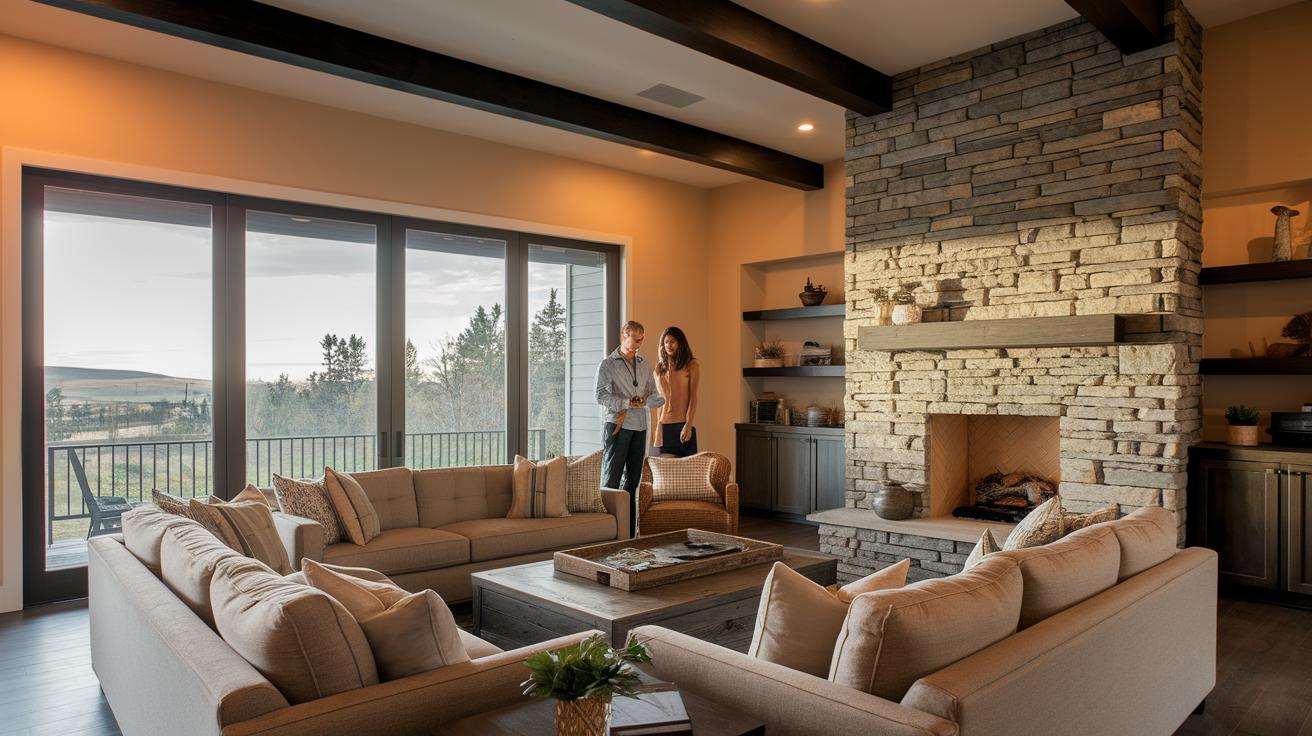
Stone veneer can change the look of your home, both inside and out. Here are five practical ideas to add style and warmth:
-
Fireplace surround
Frame your fireplace with stone veneer to create a warm, striking spot in your living room. The rough, natural texture gives the area a timeless look. Fun fact: Classic hearths often become the main talking point when dressed with authentic stone. -
Accent wall
Turn a plain wall into an eye-catching feature by adding stone veneer. This textured finish brings depth and character to any room. Try pairing it with matching wall surfaces to boost your room’s overall feel. -
Outdoor kitchen cladding
Cover your outdoor kitchen with stone veneer to mix beauty with durability. This material stands up to the weather, giving your cooking area a rustic, practical edge. -
Garden barrier
Build a garden wall that not only marks your outdoor space but also serves as a decorative piece. The mix of stone textures turns a simple border into a visual treat for your landscape. -
Backsplash
Install a stone veneer backsplash in your kitchen for a natural look that feels both fresh and tactile. This design helps keep your space stylish while being easy to clean.
Estimating Stone Veneer Costs and Budgeting Tips
When planning your stone veneer project, start by considering both material and installation costs. Natural stone veneer typically costs between $15 and $30 per square foot (about $161 to $322 per square meter) for materials. Installation adds another $10 to $20 per square foot (roughly $107 to $215 per square meter). Manufactured stone veneer is more budget friendly, with materials running about $5 to $15 per square foot (around $54 to $161 per square meter) and installation costing $8 to $15 per square foot (approximately $86 to $161 per square meter). Think of it like picking between high-quality hardwood and engineered wood, each option has its own mix of price and appeal.
| Type | Material Cost per sq ft | Installation Cost per sq ft |
|---|---|---|
| Natural Stone Veneer | $15 – $30 | $10 – $20 |
| Manufactured Stone Veneer | $5 – $15 | $8 – $15 |
When you budget, also include costs for prep work on the backer (the surface under the veneer), sealers, and trim pieces.
- Use free color samples to avoid unexpected expenses.
- Compare total project estimates, including all prep work, before making your decision.
Quick tip: Think of budgeting like planning a meal; every ingredient matters for the final flavor.
Maintaining and Repairing Stone Veneer Surfaces

Regular cleaning makes your stone veneer look great. Rinse the surface with water and a mild detergent to wash away dirt and mildew. Use a soft brush to gently scrub the stone, taking care not to damage its texture. Think of it as cleaning an outdoor sculpture; a little care makes a big difference.
Porous stone works best when you give it a light coat of sealant every so often. Use a roller or brush to spread a thin, even layer over the surface. This clear coat helps lock in the stone’s natural color and protects it from stains. It is similar to applying a protective finish on furniture.
When you spot cracks or chips, repairing them is simple. If a panel is damaged, use a chisel and hammer to carefully remove the mortar around it. Replace the flawed section with a matching veneer piece and fill in the gaps with fresh mortar. Mortarless panels make this even easier because you can swap out a piece without taking extra material. Many manufacturers offer replacement panels to match your stone.
- Clean regularly with water and mild detergent.
- Apply sealant periodically on porous stone.
- Replace damaged panels using the proper repair method.
Always wear safety glasses during repair work to protect your eyes.
Final Words
In the action, this article tackled stone veneer basics, its types, benefits, and practical applications. We explored both natural and manufactured options, walked through a step-by-step installation guide, and offered creative design ideas for interior and exterior projects. The tips on budgeting and upkeep give you a clear path to maintain your stone veneer surfaces. These insights build practical skills and help you manage projects with confidence. Tackle your renovation knowing you have a solid guide to follow. Enjoy the process and add lasting curb appeal to your home!
FAQ
What is stone veneer exterior?
Stone veneer exterior means a thin layer of stone covers a building’s outer wall. This material offers the look of solid stone while reducing weight, cost, and maintenance compared to full stone construction.
What does “stone veneer near me” refer to?
The term “stone veneer near me” refers to finding local suppliers and retailers that offer stone veneer products. Home improvement stores and specialty vendors often carry both natural and manufactured options.
What are stone veneer panels?
Stone veneer panels are pre-made cladding pieces designed to attach to walls. They provide a rapid installation option that delivers a real stone look in interior or exterior applications.
What is natural stone veneer?
Natural stone veneer is made from thin slices cut from real stone, such as reclaimed fieldstone. It offers authentic texture and color variations to create a timeless, upscale appearance.
What does natural stone veneer exterior mean?
Natural stone veneer exterior involves using thin, real stone pieces on a building’s outside walls. This option delivers genuine, durable beauty while adding low-maintenance charm to the home.
What does stone veneer siding refer to?
Stone veneer siding is an exterior cladding method that uses stone panels to cover walls. It gives a home a refined, durable finish without the full expense and weight of traditional stone construction.
What is “stone veneer Menards”?
The phrase “stone veneer Menards” indicates stone veneer products available at Menards, a popular home improvement store. These offerings range in style and price, making them accessible for many projects.
What is a stone veneer fireplace?
A stone veneer fireplace uses thin stone panels to create an attractive surround. It delivers the charm of a traditional stone fireplace while being easier and more economical to install.
Is stone veneer cheaper than real stone?
Stone veneer is generally cheaper than full real stone because it uses a thin layer of either natural stone or manufactured panels. This method reduces both material and labor costs while still offering a genuine stone appearance.
Is stone veneer real stone?
Stone veneer can be real stone if it’s made from thin slices of natural stone, though some products are manufactured to mimic stone. Both options offer the desired look with varying levels of authenticity and cost.
How long do stone veneers last?
Stone veneers are built to last for several decades when properly installed and maintained. Their durability comes from excellent weather resistance and secure adhesion to the supporting wall.
Does stone veneer add value to your home?
Stone veneer adds value by boosting curb appeal and providing a timeless, low-maintenance upgrade. Its attractive finish can improve your home’s overall aesthetic quality and market appeal.