

Have you ever thought a stone border could transform your garden? A stone edge neatly outlines garden beds, keeps soil where it belongs, and stops grass from creeping in. This means less time spent on upkeep and more time enjoying your yard. You can choose smooth river rock for a clean look or rugged fieldstone for a natural touch. Either choice adds curb appeal and a lasting style to your outdoor space.
Essential Guide to Stone Edging in Landscapes
Stone edging gives your garden paths and beds a neat, natural look while boosting your yard's overall design. Homeowners choose it because it creates clear borders, prevents grass from creeping into beds, and helps hold soil in place during rain. Whether you prefer smooth river rock or rugged boulders, there’s an option to match your style.
There are many types of stone edging available. For instance, flagstone offers a flat surface that even lets you sit for a quick rest; fieldstone brings a cozy, rustic feel; and river rock adds a gentle, rounded touch. Besides enhancing your yard’s beauty, each option acts as a barrier to keep soil from washing into your garden beds.
Start by digging a trench along your border about 4 in (10 cm) deep. Then set your stones in place, or use plastic edging to hold in loose gravel and larger stones. Stacked flat-edge stones are a budget-friendly and simple way to finish a border. One homeowner shared, "When I laid stacked stones in my backyard, each piece fit snugly next to the other, saving me time and money."
Curved stone pathways create a natural flow that draws the eye to special features in your landscape, while large boulders form a striking, rustic edge. Choosing the right stone edging not only boosts curb appeal but also makes maintenance easier, giving your outdoor space a long-lasting, tidy look.
Choosing the Right Stone Types for Edging
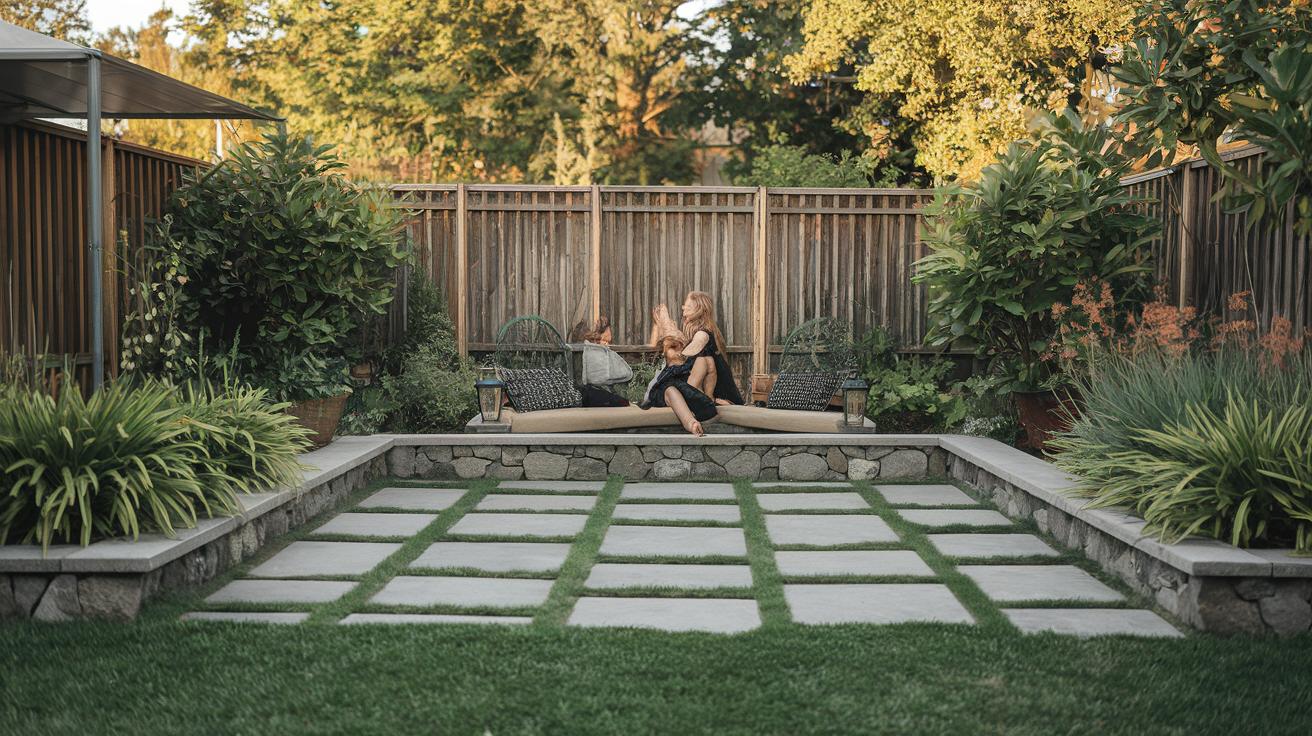
If you’re designing a stone border, picking the right rock will shape your garden and showcase your style. Here are six common stone choices:
-
Flagstone: This stone is flat and works great for seating areas. It costs about $12 to $25 per linear foot. Its smooth texture fits in well with modern outdoor furniture.
-
Fieldstone: With its uneven shape and rustic look, fieldstone gives a natural, down-to-earth feel. It runs from about $10 to $20 per linear foot, offering a practical yet attractive option.
-
Cobblestone: Classic and compact, cobblestone creates a neat, defined edge. It costs roughly $15 to $30 per linear foot and is ideal for traditional garden layouts.
-
Slate: Slate offers slim, contemporary lines perfect for a modern twist in your garden. It usually costs between $18 and $35 per linear foot, adding a sleek look to your landscape.
-
River rock: These smooth, rounded stones give your garden a soft and natural border. They lend a gentle accent without overwhelming your space.
-
Large boulders: Often used as focal points or for retaining walls, boulders add a strong, rugged presence. They work best where you want bold, dramatic accents.
Each stone type has its own strength and ease of use. Pick the one that fits your garden style and how much work you want to do when keeping up its look.
Inspiring Stone Edging Design Ideas
Stone edging can change your yard by creating neat borders that protect your garden beds and boost your home's look. A smart stone layout guides foot traffic and ties different parts of your yard together.
Here are seven creative stone border ideas:
-
Curved stone paths – Use a gently arched line of stones to lead visitors through your garden. A smooth, curving path invites a relaxed stroll while softening a formal design.
-
Stacked flat edge stones – Lay flat stones in a low row to mark your perennial beds. Homeowners say these stones clearly separate flower beds from the lawn, making the space feel intentional.
-
Pebble moat edging – Dig a shallow trench and fill it with small pebbles to build a layered border. This adds visual depth around standout plants and creates a subtle texture.
-
Crushed rock between bricks – Fill the gaps between brick pieces with crushed rock. The clean, crisp lines from this design mirror the modern look of geometric patterns.
-
Mix of smooth river rock with bricks – Combine the soft curves of river rock with the straight lines of bricks. This mix forms a striking border that catches the eye.
-
Modern sharp-edge design – Pair a patch of turf with stone slabs to create crisp, angular lines. The bold contrast works well in a minimalist setting.
-
Boulder borders with stepping stone accents – Place large boulders as natural borders and add stepping stones for safe, practical paths. This rustic look brings charm and function together.
DIY Stone Edging Installation Step-by-Step

This guide will help you create a neat stone border for your yard. Follow these steps to stop grass from spreading and keep soil out of your garden beds. Imagine stepping back after a weekend’s work and enjoying your crisp, defined edge.
-
Mark the border line – Set a guide using string and stakes along your planned path. Then trace the line with spray paint so you have a clear marker for digging.
-
Dig the trench – Excavate a trench along your marked line. Aim for about 4–6 in (10–15 cm) deep and 3–4 in (7.5–10 cm) wide. This gives you a stable base for the stones.
-
Add a base layer – Spread a 1–2 in (2.5–5 cm) layer of compacted gravel or sand at the trench’s bottom. This step improves drainage and keeps your stones from shifting.
-
Set the stones – Lay each stone snugly in place, either side-by-side or in a stack as needed. Use a level to check that every piece is even from front to back and side to side. A steady hand here makes for a seamless look.
-
Fill the gaps – Pack the spaces between the stones with crushed rock, sand, or mortar if you want a fixed edge. This not only secures each stone but also keeps the border looking clean.
-
Backfill the trench – Add soil behind the stones and tamp it down firmly. This secures your entire edging in place.
-
Finish the border – Top off your work with a light layer of topsoil, mulch, or ground cover along the edge to give it a polished finish.
Required tools: a shovel, tamper, level, rubber mallet, and wheelbarrow. Two experienced DIYers can install a 50 ft (15 m) border in one weekend, boosting both your yard’s function and curb appeal.
Maintaining Stone Edging for Lasting Durability
Regular care keeps your stone edging strong and looking good. Start by rinsing the stones with water twice a year. This simple step washes away dirt and debris that can wear the stone down over time. One homeowner shared, "After each season, I rinsed my garden edge with a hose and kept the stones looking fresh and secure."
Here are some steps to follow:
- Mark your calendar to spray water on the stone every six months.
- Inspect the joints for any settling. Fill any gaps with sand or crushed rock (small pieces of rock) to stop water from sitting in low spots.
- Remove weeds growing between the stones and apply a pre-emergent weed killer if needed.
- After winter freeze-thaw cycles, look for any loose stones. Reseat and level any that have moved to keep the edge neat and sturdy.
Every 2–3 years, you might seal porous stones with a clear masonry sealer. This treatment fights stains and moss while adding extra durability. Also, trim the grass nearby to keep the stone edging visible. Regular upkeep helps your stone edging stay sharp and weather-resistant.
Stone Edging Cost Breakdown and Budget Tips
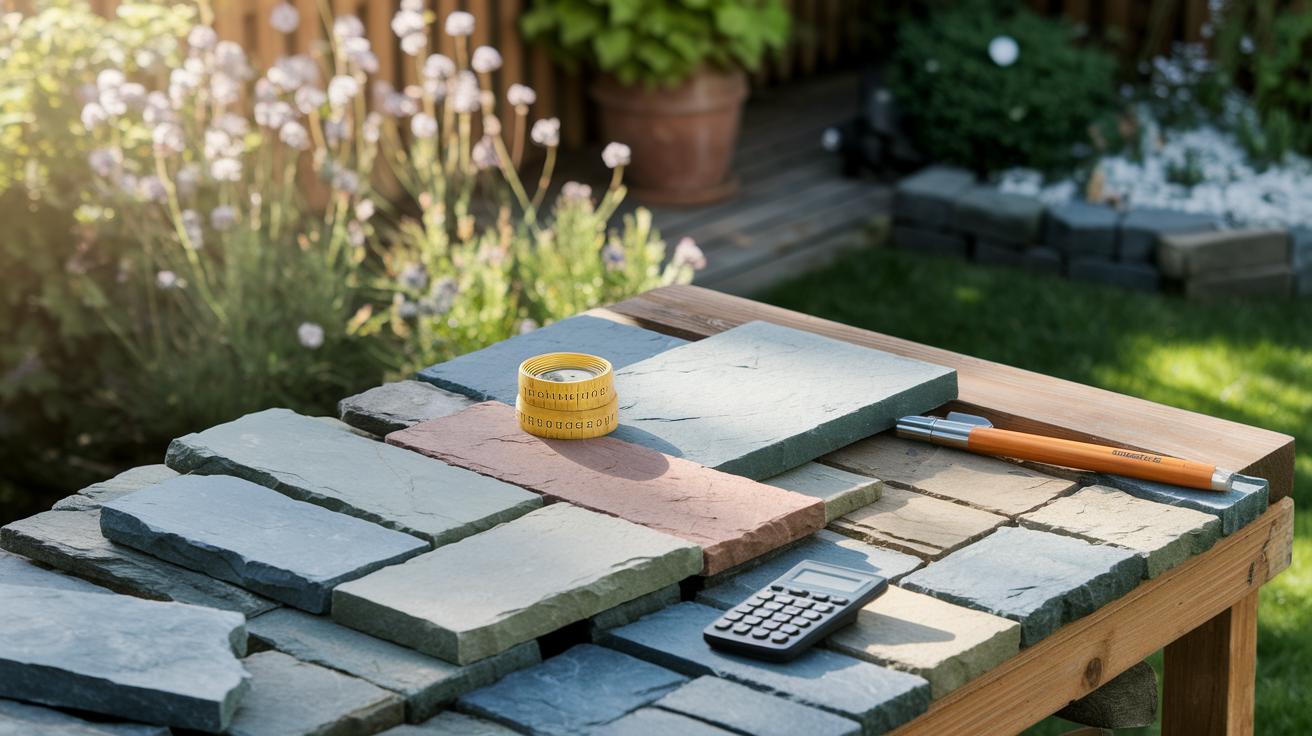
When planning a stone edging project, be sure to include costs for materials, site preparation, and labor. On average, expect your final installed cost to run between $20 and $50 per linear foot (6 ft / 1.8 m). Below is a table that breaks down typical material and labor costs:
| Item | Cost per Linear Foot | Notes |
|---|---|---|
| Fieldstone | $10–$20 | Gives a rustic, varied look |
| Flagstone | $12–$25 | Flat slabs that work well in many designs |
| Cobblestone | $15–$30 | Classic style with great durability |
| Slate | $18–$35 | Sleek and modern appearance |
| Labor | $10–$20 | Save money by doing it yourself |
Consider these budget tips to keep costs under control:
- Use reclaimed stone to add character while lowering material expenses.
- Focus your edging along key areas such as the front yard or driveway to reduce material use.
- Plan to install the edging in phases. Complete one section now and tackle another later to spread out the expense.
Final Words
In the action, stone edging transforms your landscape. The guide broke down benefits, stone choices, design ideas, and a clear DIY installation process. You learned simple maintenance tips to keep your border looking sharp and cost tips to stay on budget. Each step shows you how to create a neat, safe, and attractive yard. Enjoy the process and watch your outdoor space come together with rock-solid stone edging.
FAQ
What is landscape edging stone and natural stone border edging?
Landscape edging stone gives a neat, natural border for garden beds and pathways. It controls grass spread and erosion while framing your landscape with attractive stone options.
How do I find stone edging near me?
Searching for stone edging near you means checking local garden centers, landscape supply shops, and major retailers like Home Depot. Reviews and available styles help pick the right stone for your project.
What are some stone edging design ideas, including flat, curved, and brick styles?
Stone edging design ideas include curved borders for organic flow, stacked flat stones for clean lines, and mixing bricks with natural stone for contrast. These options allow your yard to have a defined yet artistic border.
Does Home Depot offer stone edging products?
Home Depot typically sells a range of stone edging materials like flagstone, fieldstone, and cobblestone along with installation supplies. Checking in-store or online helps you find a cost-effective solution.