

Ever wondered if a taping machine could cut your drywall work time in half? These tools mix and apply drywall mud (the compound used to finish seams) with precision so you can work faster and get smoother walls. They’re built for quick fixes and heavy-duty jobs alike. This guide lays out the key features, price ranges, and trusted brands so you can pick the best tool for your project. Read on to see how a taping machine can boost your speed and deliver a flawless finish.
Purchase Guide: Key Specs, Pricing Tiers, and Preferred Vendors
From March 1 to April 4, you can save up to 30% on taping tools. This sale covers both automatic and semi-automatic models that suit different project needs. Automatic machines can tape and apply mud at the same time, which is great for fast, high-volume work. Semi-automatic models, such as the Home Depot seamer kits, need you to feed the tape manually but are built tough for heavy-duty jobs.
Top brands like Level 5, Columbia, DEWALT, TapeTech, Can-Am, and Mirka offer dependable performance. Prices range from $800 to $2,500, so it’s a good idea to compare features and cost before you buy. If you’re keeping an eye on your budget, try the drywall installation cost calculator available here: https://neull.com?p=214.
Be sure to check key specs such as machine capacity, ease of cleaning with quick-clean heads, and the type of sealing and mixing systems. Automatic models usually come with strong mud hoppers and aluminum frames that offer extra stability. Semi-automatic tools focus on durability and consistent tape placement, which can save labor time, sometimes cutting it in half compared to manual methods.
| Brand | Machine Type | Price Range |
|---|---|---|
| Level 5 | High-volume automatic taper | $1,200 – $2,500 |
| Columbia | Automatic taper & accessories | $900 – $2,000 |
| DEWALT | Rugged semi-automatic taper | $800 – $1,800 |
| TapeTech | Automatic board seamer | $1,000 – $2,300 |
| Can-Am & Mirka | Finishers and supporting tools | $850 – $2,000 |
When picking your drywall taping machine, weigh the upfront cost against potential labor savings over time.
Comparing Automatic vs. Semi-Automatic Drywall Taping Machines
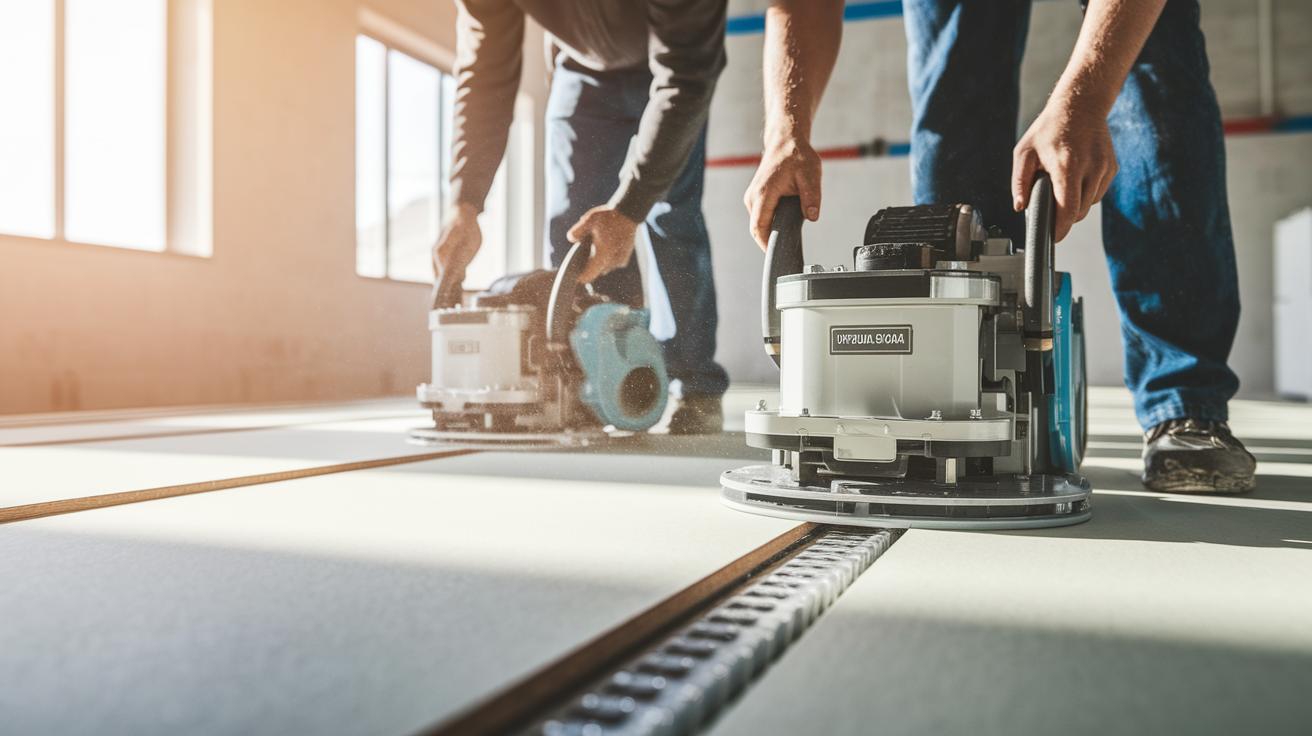
Automatic tapers put on mud and tape at the same time, cutting the work time by up to 50%. These machines, such as automated gypsum board seamers (tools that finish drywall joints) and robotic plasterboard joint applicators, simplify the process by reducing the steps on the job site. Their built-in design also makes cleanup easier because quick-clean heads and sealed feed systems help keep mud buildup to a minimum. For example, an automatic taper can cover a 10 ft (3 m) joint in one pass, doing two jobs at once.
Semi-automatic tools require you to feed the tape manually. These machines are built tough for heavy use on large projects and may be known as banjo seaming machines in some setups. They often include parts like corner finishers, compound tubes, and corner boxes to handle different finishing tasks. Although they take more time to clean and need extra steps to smooth out seams, they are very durable and work well in demanding conditions.
For a full list of options and compatible accessories, visit the tools for drywall installation page: https://neull.com?p=278.
Technical Specifications and Component Comparison of Drywall Taping Machines
Professional drywall finishing systems depend on careful design. When you choose an electric board mud applicator, compare the key features side by side. Automatic machines offer tape widths from 1.5 inches (3.8 cm) to 2.375 inches (6 cm). They have mud hoppers that hold between 2 and 3.5 gallons (7.6 to 13.2 liters) and weigh about 12 to 20 pounds (5.4 to 9 kg). Their arms can extend up to 53 inches (134.6 cm). These models also include quick-clean heads (which cut cleaning time in half), aluminum frames, sealed feed systems, and pneumatic pumps (air-driven pumps).
Semi-automatic machines work similarly but are built for tougher jobs. They may require you to feed the tape manually but are known for their durability and steady performance. Their mud hopper capacities are usually on the lower side, even though they offer the same tape width options and arm extensions. Cleaning these machines often involves more manual work and basic cleaning tools.
| Component | Automatic Taper | Semi-Automatic Taper |
|---|---|---|
| Tape width | 1.5 in (3.8 cm) to 2.375 in (6 cm) | 1.5 in (3.8 cm) to 2.375 in (6 cm) |
| Mud hopper capacity | 2–3.5 gallons (7.6–13.2 L) | 2–2.5 gallons (7.6–9.5 L) |
| Weight | 12–16 lbs (5.4–7.3 kg) | 16–20 lbs (7.3–9 kg) |
| Arm extension | Up to 53 in (134.6 cm) | Up to 53 in (134.6 cm) |
| Cleaning mechanism | Quick-clean head, sealed feed | Manual cleaning, basic feed |
| Frame material | Aluminum | Steel |
Reviewing these specifications side by side helps you pick the right machine for quick and perfect drywall finishes.
Drywall Taping Machine: Boost Fast, Flawless Finishes
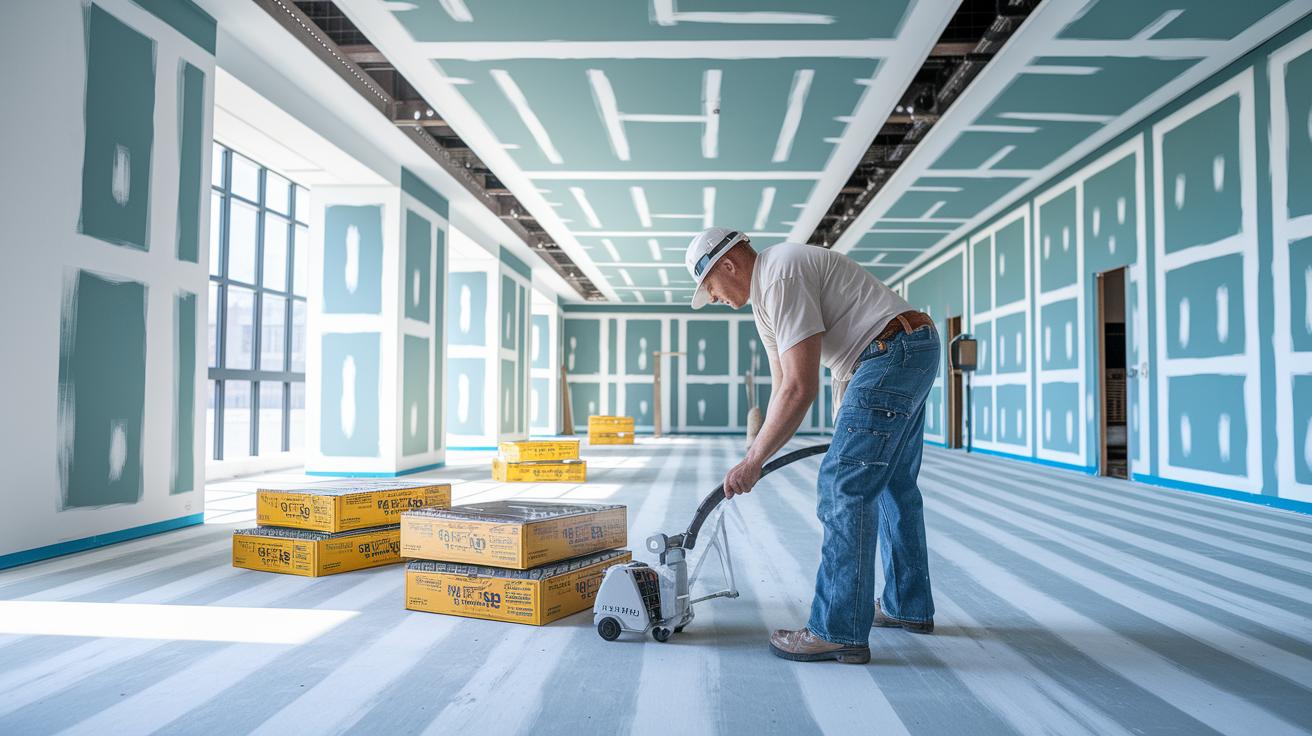
Automatic tapers speed up your work by applying mud (joint compound) and placing tape in one step. These machines streamline tasks and can cut labor by up to 40%. For example, a corner finisher sets tape without trapping air, giving you a smooth, professional finish in one go.
Flat boxes evenly blend seams so that the joint compound fades into the surrounding surface. Compound pumps keep a steady flow of mud, which means you spend less time waiting for more material and more time making precise adjustments. One contractor said that using these systems cut cleanup and rework time on busy sites.
Nail spotters quickly cover up small imperfections, like nail holes. This fast mud spreader boosts productivity and raises the overall finish quality. Each part of these machines works together to help you complete jobs faster and achieve clean, flawless results.
Maintenance Tips and Troubleshooting for Drywall Taping Machines
Keep your tool running smoothly with simple daily habits. After each use, rinse the quick-clean head to clear off hardened mud. Then, check the sealed feed system to remove any leftover residue.
Every month, inspect the seals on your gypsum finishing machine. Look for cracks or wear that could cause leaks or uneven mud flow. Use a basic alignment tool to catch tape jams or hopper blockages early.
Every 50 hours, lubricate moving parts like piston arms and hinges with a bit of grease. This small step keeps the joint material spreader running smoothly and cuts down on friction. One user mentioned that regular lubrication saved his machine from unexpected breakdowns.
Always use the correct compound pump recommended for your system. This helps keep the mud from drying and blocking important areas. If you see tape jams or uneven flow, perform another alignment check and clear any obstructions with cleaning tools.
Routine upkeep like this extends your machine’s lifespan and makes your drywall work more efficient and reliable.
User Reviews and Brand Comparisons for Drywall Taping Machines
Level 5 tops the ratings with a 4.7/5. Users love its quick setup, accurate application, and easy cleanup. One contractor mentioned that using Level 5 noticeably cut down rework time during a tight deadline.
Columbia Tools comes in at 4.5/5. Customers rely on its steady performance and dependability. One user noted, "I used Columbia on my busiest projects because its consistent output kept my schedule on track." Both Level 5 and Columbia are celebrated for their blend of efficiency and simple operation.
TapeTech holds a 4.3/5 rating. Contractors say it works well and has a straightforward design. Some feel the learning curve is a bit steeper, but once you get the hang of it, TapeTech speeds up the finishing process.
DEWALT scores a 4.2/5. It is known for its rugged build and reliable results in tough, heavy-duty jobs. Its sturdy design makes it a favorite on demanding job sites, though a few users have mentioned that its weight can be a drawback during longer shifts.
Can-Am earns a 4.0/5 rating. It appeals to those who need a tool built for frequent use. Users praise its durability and strong performance under pressure, even if there is a slight delay when setting it up.
- Pros: Reliability, ease of cleanup, and consistent performance
- Cons: Steeper learning curve and occasional weight issues
These reviews offer clear insights into each model's strengths and trade-offs, helping you choose the right drywall taping machine for smooth, efficient finishes.
Rental vs. Purchase Guidelines for Drywall Taping Machines
Renting an automatic taper (a machine that smooths drywall seams) usually costs about $50–$75 per day. It works well for short projects or occasional touch-ups. You can also rent a plaster joint tool or board seaming machine. This lets you try high-performance tools without a big financial commitment. These flexible rentals are perfect if you need a professional-grade gypsum board finishing system just for a one-time job or if you want to test different models before buying.
Buying a drywall taping machine costs between $800 and $2,500 upfront. If you often work on projects, purchasing makes more sense, daily rental fees can add up quickly. Owning the machine means you take care of routine maintenance, like cleaning the quick-clean heads and checking the seals. But you also avoid the hassle of scheduling with rental companies.
Think about the length of your projects, how often you’ll use the tool, and whether you’re comfortable with basic maintenance tasks. For budget-minded buyers who plan to work continuously, buying can save you money in the long run. For more details on pricing and cost-efficiency, check out the tools for drywall installation page: https://neull.com?p=278.
Final Words
In the action, we broke down key specs, pricing tiers, and vendor choices while comparing both automatic and semi-automatic options. We covered technical details, operational benefits, and maintenance tips that can help you save time and money.
This guide also weighed rental versus purchase options on budget and project duration. With these insights, choosing your drywall taping machine becomes a straightforward task that sets you up for a safe, efficient project completion.
FAQ
Frequently Asked Questions
What does drywall taping machine rental mean?
A drywall taping machine rental means leasing equipment designed to apply tape and compound on drywall joints. Rentals cost around $50–$75 per day and suit short-term projects without long-term commitment.
What is a professional drywall taping machine and where can I purchase one?
A professional drywall taping machine is engineered for heavy-use projects with reliability and ease of cleanup. Retailers like Home Depot carry models from top brands such as Level 5, Columbia, and DEWALT.
What drywall taping tools and tool sets are available?
Drywall taping tools and tool sets include devices to evenly apply tape and compound. These kits bundle essential finishing tools and streamline the process for a smooth, professional finish.
What is the best drywall taping machine?
The best drywall taping machine offers durability, efficient cleanups, and consistent performance. Models from Level 5 and TapeTech rate highly among professionals for their ease of use and reliability.
Where can I find drywall taping machines for sale?
Drywall taping machines for sale are typically priced between $800 and $2,500. Look for deals during sales from March 1 to April 4, where discounts may reach up to 30% off.
What are automatic drywall taping tools?
Automatic drywall taping tools apply mud and tape simultaneously, cutting application time in half. They reduce manual labor and offer consistent finishes, making them ideal for high-volume projects.
Is drywall taping a hard job?
Drywall taping can be challenging because achieving smooth, even seams requires skill. Using taping machines can simplify the task by reducing effort and improving the overall finish.
What is the going rate for taping drywall?
The rate for taping drywall is usually set per square foot, covering labor, finishing, and cleanup. Rates depend on location and project details, so it’s best to request local contractor quotes.
How do I start a drywall taping business?
Starting a drywall taping business requires hands-on experience, investment in quality equipment, clear pricing strategies, and reliable supplier relationships. Proper training and planning are key to success.
What are common drywall taping mistakes?
Common drywall taping mistakes include poor mud mixing, uneven tape application, and skipping proper cleaning of machine heads. Regular maintenance and correct techniques help produce smoother, professional seams.