

Ever thought your roof could do more than just cover your house? There are several types of shingles to choose from, each with its own benefits. Asphalt shingles work like a dependable raincoat, protecting your home well. Metal shingles offer long-lasting strength. Synthetic shingles require little upkeep, and composite shingles add a touch of upscale style. This guide explains each option so you can pick the best material for your weather challenges and boost your curb appeal.
Roofing Shingle Types: Brilliant Options
Asphalt shingles top the list in North America. They are built on a felt or fiberglass base (a layer that supports the shingle) and have thick asphalt layers for water resistance. These shingles come in many colors and styles, making them a solid, affordable option, just like a dependable raincoat that shields you in a downpour.
Metal shingles use stone-coated steel to give you the strength of metal with the look of traditional shingles. They stand up to harsh weather and create a strong visual impact. Some metal roofs can last up to 70 years (about 70 years), providing long-term durability and a bold finish.
Synthetic shingles arrived around 2000 and use special polymers along with recycled materials. They offer a hard plastic alternative that copies the look of more expensive materials while keeping upkeep simple. Think of them as a modern upgrade for your roof, efficient and low maintenance.
Composite shingles mix different materials to recreate the look of wood shakes (rustic, split wood) or natural slate. They often last about 50 years (around 50 years). For a more upscale finish, you might choose real wood shakes or natural slate, which add a luxurious feel along with enhanced durability.
Each shingle type meets specific needs, whether you require cost savings, ease of installation, or strong weather resistance. In later sections, we break down these options further to help you pick the right material for your home’s style and function.
Asphalt Roofing Shingle Types and Variants

Asphalt shingles come in a few types that match different budgets and weather needs. The basic 3-tab shingles have a single layer of asphalt that gives a flat, slate-like look. They are the most affordable and provide basic wind protection, which can be enough for mild climates when you need a quick, budget-friendly fix.
Architectural or dimensional shingles offer an upgrade. They use two layers of asphalt to add a rich texture and extra depth. This design boosts wind resistance to up to 120 mph (193 km/h) and comes with a stronger warranty. They also give your roof a look that mimics wood shake or slate.
Premium or designer shingles are built with a laminated construction that replicates the appearance of cedar shake or slate tiles. They provide high-level protection with wind ratings up to 130 mph (210 km/h) and are ideal for areas with severe weather. Some options even include features such as Class 4 impact resistance (extra strength against impacts), algae resistance, and cool-roof granules to lower heat buildup and fire risks.
Starter strips and hip-and-ridge pieces complete the roofing system by ensuring all parts work together. Your final choice will depend on your local weather, budget, and style goals.
| Shingle Type | Composition | Wind Resistance (mph) | Typical Lifespan (yrs) | Warranty (yrs) |
|---|---|---|---|---|
| 3-tab shingles | Single layer asphalt | Low | 20-25 | 15-20 |
| Architectural shingles | Double layer asphalt | Up to 120 | 25-30 | 25-30 |
| Premium/designer shingles | Laminated asphalt | Up to 130 | 30-40+ | 30-40+ |
Metal Roofing Shingle Types
Metal shingles have a base made of stone-coated steel with granules on top that give them a classic shingle look. This design helps them stand strong in harsh weather while keeping the traditional appearance of other shingles. Imagine a roof that holds up in a hailstorm; these shingles perform well in impact tests that would damage regular shingles.
They mix the strength of a standing-seam roof (a metal roof with raised seams) with the familiar look of asphalt shingles. This gives you both a safe roof and a look that fits in with many homes. Metal shingles are built to last and resist fire. They can keep protecting your home for 40 to 70 years, making them a smart long-term choice for homeowners and small contractors.
Because they use stone-coated steel, metal shingles can be recycled at the end of their life. This eco-friendly feature helps reduce waste. Think of them as a tough shield with an asphalt-like finish that does not compromise on environmental care.
Wear eye protection when inspecting roofing materials to stay safe.
Composite, Synthetic, Wood, and Slate Roofing Shingle Types

Synthetic and composite shingles work well when you want a strong roof without the upkeep of natural materials. Synthetic shingles, first introduced around 2000, are made from special plastics and recycled parts. Composite shingles mix different materials to look like natural covers such as wood or slate, and they can last up to 50 years.
Wood shakes, usually made of cedar, add a warm, natural touch to your home and typically last 20 to 30 years. They need regular treatments to fight off moisture and insects. Plus, you must install them with care to allow proper air flow. For example, wood shakes give a cozy, rustic feel like a log cabin, but they do require periodic care to prevent rot and pests.
Natural slate shingles, cut from stone, can last between 75 and 150 years and offer a high-end look. Their refined appearance comes with extra weight and higher installation costs, so you might need special fasteners and additional support. For instance, slate gives a home a classic style, but be ready to handle more weight and expense during installation.
Each shingle type fits different style tastes, durability needs, and budgets. When planning your roof, consider what each material offers: synthetic and composite shingles bring modern strength with minimal upkeep, while wood shakes and natural slate add unique charm and lasting beauty with a bit more care.
Comparing Roofing Shingle Costs, Durability, and Lifespan
When it's time to replace your roof, you'll find that each shingle type comes with its own price tag, lifespan, and care needs. Asphalt shingles are the most common choice because they cost less upfront. They typically last around 25 years (25 years) with little maintenance. If you decide to invest in premium or composite shingles, you'll pay more, but these can last 40 to 50 years, which means fewer fixes down the line.
Metal shingles offer a solid middle ground. They cost moderately, more than asphalt but less than slate, and can last between 40 and 70 years. Wood shingles fall into a similar cost range as metal, but they usually require more regular upkeep to guard against moisture and insects. Meanwhile, slate shingles carry the highest cost but stand out for their durability, sometimes lasting over 100 years. Keep in mind that professional installation and quality underlayment (the protective layer under the shingles) can also affect both cost and performance.
| Shingle type | Approx. cost range | Expected lifespan | Maintenance level |
|---|---|---|---|
| Asphalt shingles | Low ($2-4 per sq ft) | ~25 years | Low |
| Premium/Composite shingles | Moderate ($4-7 per sq ft) | 40-50 years | Low to moderate |
| Metal shingles | Moderate ($5-8 per sq ft) | 40-70 years | Low |
| Slate shingles | High ($10+ per sq ft) | 100+ years | High |
Be sure to compare local prices and consider long-term upkeep before you make your decision.
Roofing Shingle Installation and Maintenance Tips
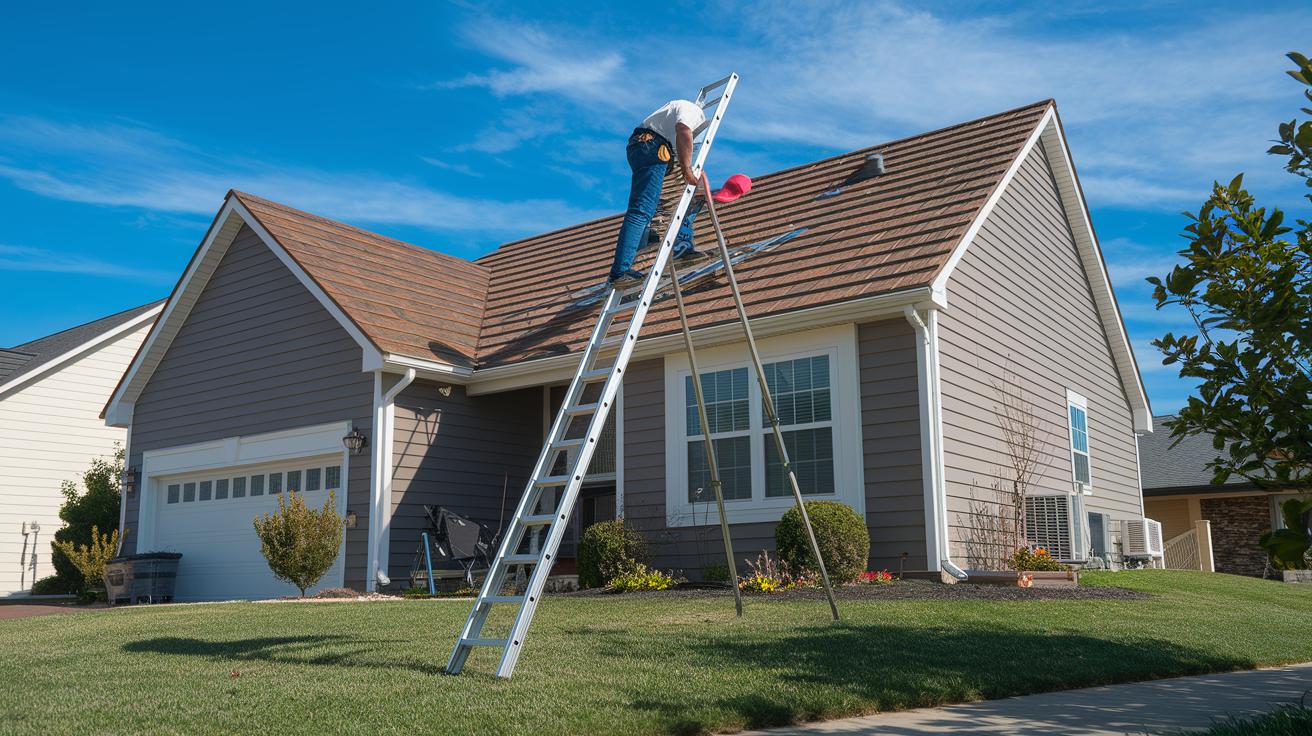
Start with quality materials by choosing solid underlayments, starter strips, hip-and-ridge shingles, and proper flashing. When you install flashing (metal strips used to direct water away), mark its spot first and then nail it in place. Measure twice and cut once to help prevent leaks.
Keep your roof in shape by cleaning the gutters regularly. Clear out any debris so water can flow freely. To remove algae or mold, mix water with a few drops of bleach and gently clean the affected areas. A clean roof helps keep mold at bay.
Inspect your shingles at least twice a year. Look closely for cracks or lifted edges. Replace any damaged shingles promptly to avoid water damage. Always check warranty guidelines, because many require regular professional inspections and upkeep.
Remember that DIY roof replacement is not a good idea. Permitting issues and safety risks mean this job is best handled by certified contractors who understand local codes and can install every piece correctly.
Wear eye protection and use a stable ladder when inspecting your roof. Taking these simple steps now can save you from expensive repairs later.
Here's a quick checklist:
- Check that installation materials are high quality.
- Clean gutters to remove debris.
- Inspect shingles and replace any that are damaged.
- Use professionals for major repairs.
Regular upkeep keeps your roof working well and extends its lifespan during severe weather.
How to Choose the Best Roofing Shingle Type for Your Home
Start by checking your local weather. Your roof must handle wind, hail, and freeze-thaw cycles (when water expands and contracts, stressing materials). If you live where high winds or hail are common, metal shingles offer extra protection. Asphalt shingles, which work in many climates, come in many colors. Wood shingles give a natural look, perfect for a rustic feel. Slate shingles last a long time and add a high-end touch.
Next, consider your roof’s slope. Steep roofs can bear the weight of heavier shingles like slate or wood. For low-slope roofs, lighter options like asphalt or metal may be a better choice.
Your home's style matters too. Pick a roof color that fits your home's overall look, maybe one that echoes the front door. Remember these key factors:
- Local weather effects (wind, hail, freeze-thaw cycles)
- Roof slope and how much weight it can hold
- Your home's architectural style and matching color
- Budget and long-term maintenance
Finally, talk to a roofing professional. They can make sure your shingle choice meets local building codes and fits your home’s specific needs.
Final Words
In the action, we broke down various roofing shingle types for your next home project. We covered asphalt options from cost-effective 3-tab to premium variants, metal for weather extremes, and alternatives like synthetic, wood, and slate. Each section gave practical details about cost, lifespan, and installation tips. The guide helps you compare materials, evaluate performance, and plan for safe installation. Use these insights to choose the right roofing shingle types and keep your project running smoothly and within budget.
FAQ
What are the roofing shingle types and their prices or costs?
The roofing shingle types and costs refer to options like asphalt, metal, wood, and composite, each with varying price points based on material, durability, design features, and installation requirements.
What are the three types of shingles used when roofing?
The three types of shingles used when roofing are 3-tab (flat design and economical), architectural (dimensional and layered for strength), and premium/designer shingles (laminated for style and enhanced performance).
What wood roofing shingle types are available?
Wood roofing shingle types typically include cedar shakes, which provide a rustic look, although they require regular maintenance to protect against moisture and insects.
What metal roofing shingle types are available?
Metal roofing shingle types use stone-coated steel and other substrates that give an asphalt-like look while boosting durability, fire resistance, and hail protection across various designs.
What are the asphalt roofing shingle types?
Asphalt roofing shingle types include 3-tab, architectural (double-layer), and premium/designer varieties, each offering differences in wind resistance, aesthetic appeal, and overall lifespan for optimal performance.
How do shingle types affect overall quality?
Shingle types affect overall quality through factors like material durability, resistance to weather elements, lifespan, and installation ease, ensuring options are available to suit varying climates and budgets.
What type of shingles are best for roofing?
The best shingles for roofing depend on local climate, desired style, budget, and performance needs; architectural asphalt shingles are popular for durability and aesthetic variety in many regions.
What is the difference between a 20‑year shingle and a 30‑year shingle?
The difference between 20‑year and 30‑year shingles is that a 30‑year shingle is designed with enhanced materials for longer performance and often better wind and impact resistance compared to a 20‑year shingle.
What is the best time of year to replace shingles?
The best time of year to replace shingles is during mild weather, often in the spring or fall, to allow optimal conditions for installation and to minimize stress from temperature extremes.
How do popular models like GAF Timberline, GAF Camelot II, GAF Woodland Cedarwood, GAF Royal Sovereign, and CertainTeed Landmark differ?
These popular models vary by design, performance ratings, warranty terms, and aesthetics; each product targets different priorities like wind resistance, architectural elegance, or cost-effectiveness based on the homeowner’s needs.