

Ever wonder if hardwood floors are worth the price? They add classic style, but hidden costs and extra fees can catch you off guard. Knowing the price of both materials and labor can help you avoid surprises and stick to your budget. This guide lays out every cost step by step so you can decide whether to tackle the project yourself or call in a pro. Follow along to see how careful planning can save you time, money, and stress on your next flooring project.
Comprehensive Cost Overview for Hardwood Flooring Projects
Getting your cost estimates right is essential to keep your hardwood flooring project on track. When you know your baseline costs, you avoid surprises and budget for both the main expenses and any extra costs that come up.
Figure out both material and labor costs so you know exactly what you’re facing. Breaking down expenses step by step builds confidence whether you choose the DIY route or hire a pro. Spending a bit extra now might save you time and stress later.
- Materials: Solid hardwood typically costs between $3 (about 0.28 m² in USD) to $8 per square foot. For a 500 sq ft (46.5 m²) room, that’s roughly $1,500 to $4,000.
- Labor: Professional flooring installation runs about $6 to $10 per square foot. That adds up to around $3,000 to $5,000 for a similar space.
- Additional fees: Look out for extra costs such as disposing of old flooring, minor repairs to the subfloor (the layer below your floor), and finishing supplies.
- Hidden costs: Don’t forget tool rentals, unexpected fixes, or errors during DIY installations that can drive costs higher.
When you total these figures, a 500 sq ft room will usually cost between $4,500 and $9,000. A clear cost breakdown not only shows the expense per square foot but also helps you decide if you want to install the flooring yourself or hire a professional. DIY might save you about $1,550, but remember, the trade-off is more time, effort, and the chance of run-in with unexpected issues. For more details on installation charges, check our guide on cost of flooring installation to get a closer look at the labor and material costs.
Breakdown of Hardwood Flooring Material Costs Per Square Foot
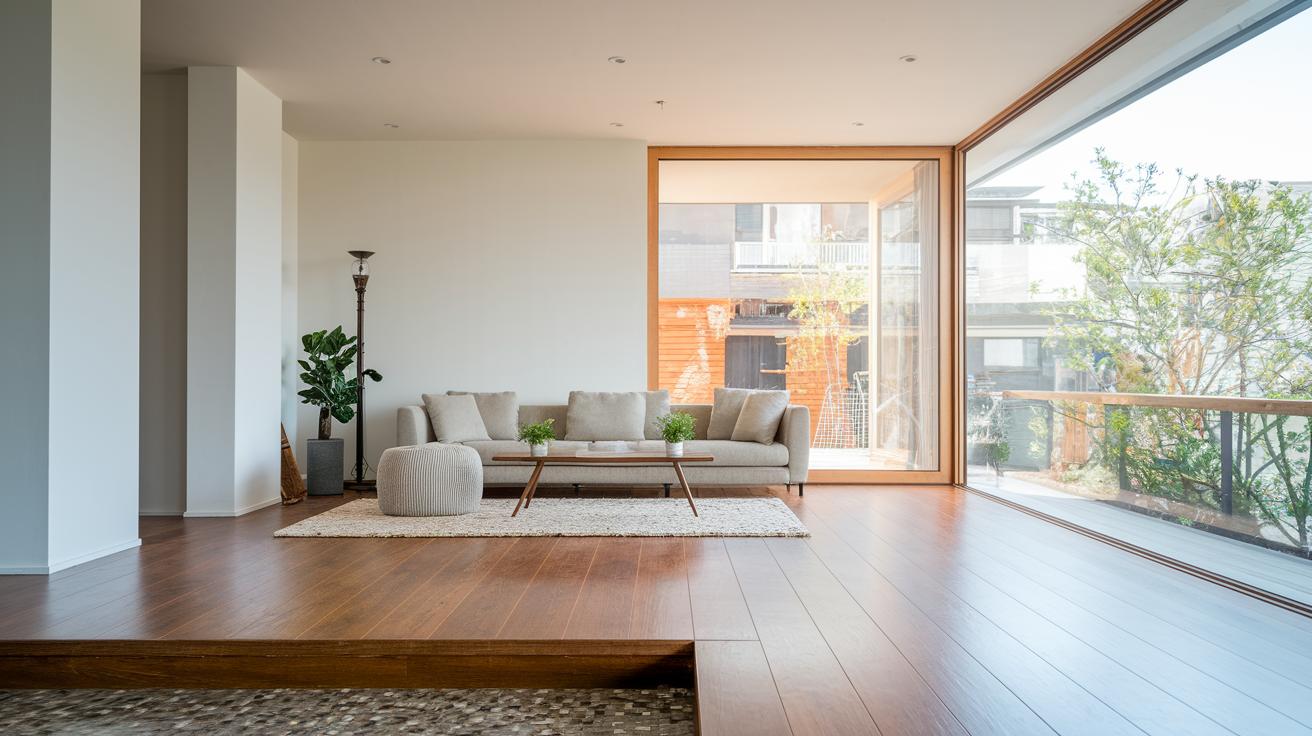
Picking the right flooring starts with choosing materials that suit both your style and budget. The type you select sets the look of your space while keeping costs in check.
Solid hardwood is a top pick for its classic feel and rugged durability. It typically costs between $3 and $8 per square foot. The price depends on the wood species you choose (such as oak, maple, or hickory) and the finish you pick, like matte or semi-gloss. For example, oak shows off a strong, natural grain while maple brings a warm, inviting look. Even the width of the planks and the overall design can make a difference in cost.
Engineered hardwood is a smart option if you need extra stability and design versatility. Its price usually falls between $4 and $7 per square foot. Built from layers with a thin, attractive top veneer, it mimics solid hardwood without always costing as much, unless you opt for high-end lines like American Traditional Classics or Alta Vista. Your final choice between solid and engineered styles comes down to your personal taste, how much moisture the area might see, and your overall spending plan.
Labor Fees and Professional Installation Rates for Hardwood Flooring
For hardwood floors, expect to pay about $6 to $10 per square foot (approximately $65 to $108 per square meter). That means a 500-square-foot (about 46.5 m²) installation will run roughly $3,000 to $5,000. Skilled crews tackle issues like leveling uneven underlayers and back up their work with warranties for both labor and materials.
Many factors can change the cost per square foot. If your space is easy to access, the price stays lower. But tight corners, multiple floors, or hard-to-reach areas can drive costs up. Also, if your existing floor base needs patching or leveling, you’ll pay extra. More complicated layouts with several room transitions mean installers must work longer to ensure each piece fits just right.
A typical crew finishes 500 square feet in about two days or less, which helps keep your project on schedule. Their experience speeds up the work, and the included warranties protect your investment from issues down the road.
Hidden and Additional Expenses in Hardwood Flooring Installation

When you get ready to install hardwood flooring, extra fees can sneak up on you. You may face more than just a basic disposal fee. Often, old flooring removal means you need to fix a cracked or uneven subfloor (the layer that supports your floor) and add a moisture barrier before the new wood goes in. Even small repairs in a 6 ft (1.8 m) area can push your budget higher.
Tool costs can surprise you, too. Renting or buying a cutting tool, a saw, or finishing supplies like stain and sealant might cost more than you expect. For example, renting a cutting tool for a 10 ft (3 m) trim job might end up being pricier than investing in quality equipment for future use.
DIY mistakes can also lead to sudden extra costs. A small error, such as mismeasuring a board, may force you to replace additional material or buy more finishing supplies to even things out. Taking care upfront can help avoid these unexpected blows to your budget.
DIY vs. Professional Installation Cost Comparison for Hardwood Flooring
Doing the work yourself can save you about $1,550 by cutting out labor costs. Your material expense stays the same, but DIY means you’ll invest your time, buy or rent tools, and put in extra effort.
| Category | DIY Cost | Professional Cost |
|---|---|---|
| Material | $1,500 to $4,000 | $1,500 to $4,000 |
| Labor | Little direct cost (extra time and tool investments) | $3,000 to $5,000 |
| Total | $3,000 to $7,000 approximately | $4,500 to $9,000 |
DIY works best for simple layouts when you have basic carpentry skills and spare time. For example, if you have a weekend free and a room of around 500 sq ft (46.5 m²), it can be a fulfilling project. On the other hand, projects with difficult subfloor issues or tight spaces are usually better handled by professionals. They can wrap up the job in under two days and back it up with warranties to cover mistakes.
Regional Pricing Variations and Budget Planning Tips for Hardwood Flooring

Your hardwood flooring costs can change based on where you live. In busy cities, higher demand and higher labor costs raise prices. In rural areas, more competition may lower costs.
To keep your budget on track, get several quotes from local contractors. This gives you a clear idea of what materials and labor cost in your area. Look for off-season deals and discounts that contractors often offer when work is slower. You can also use online tools like our installation cost calculator in the "cost of flooring installation" guide (https://neull.com?p=89) to update your estimates with current local data.
These tips let you compare costs from different providers and check that every cost, from materials to labor, fits your budget. Always ask for detailed, line-by-line estimates to avoid any hidden fees.
Finally, set aside about 10% of your total project budget as a safety net. This extra cash helps cover unexpected expenses or price hikes during the project.
Final Words
In the action, we broke down the essential numbers and steps for hardwood flooring projects. We detailed material prices, labor fees, hidden expenses, and DIY versus professional options. Simple bullet lists and clear cost comparisons helped outline what to expect. We also highlighted regional differences and budget planning tips to avoid surprises. Keep all these factors in mind, including the cost for hardwood flooring, as you plan your project. With clear estimates and a solid plan, you'll be ready to finish your project smoothly and on budget.
FAQ
What is the cost per square foot for hardwood flooring?
The cost per square foot for hardwood flooring typically covers materials priced between $3 and $8 and installation labor at $6 to $10 per sq ft, giving a clear base range for planning.
How much does it cost to install hardwood floors for projects ranging from 200 to 3,000 sq ft?
The installation cost scales with square footage; smaller projects (e.g., 200 sq ft) cost less, while larger jobs (e.g., 3,000 sq ft) can cost significantly more, combining material and labor estimates around $9 to $18 per sq ft overall.
How much does it cost to put hardwood floors in rooms measured by dimensions like 12×12 and 20×20 feet?
Rooms sized 12×12 ft (144 sq ft) or 20×20 ft (400 sq ft) follow the same pricing, with total costs determined by adding material and labor, typically running about $9 to $18 per sq ft.
What are the typical labor costs to install hardwood floors?
Labor costs generally run from $6 to $10 per sq ft. This rate covers a professional crew’s expertise, warranties, and work on any challenging subfloor conditions.
How does a hardwood flooring cost calculator help with estimates?
A hardwood flooring cost calculator helps by combining material, labor, and additional expenses into a clear budget range, making it easier to forecast costs based on project size.
How much does installing 1,000 square feet of hardwood flooring typically cost?
Installing 1,000 sq ft of hardwood flooring usually totals between $9,000 and $18,000 by taking both material and professional labor rates into account.