

Ever wonder which floor can handle daily wear while still looking great? White oak floors boast a durability rating of 1,360 that keeps scratches and dents at bay. The live-sawn milling process gives each board a unique look and helps keep moisture away. These floors add warmth and lasting style to any room, whether it's a busy family home or a quiet retreat. In this post, we explain why white oak floors offer a timeless appeal and sturdy performance for every home.
Why White Oak Wood Floors Are the Ultimate Choice
White oak wood floors offer strong durability and a timeless look. With a Janka hardness rating of 1,360 (a measure of wood's resistance to wear), these floors fight off everyday scratches and dents. Their tight, closed grain gives them extra moisture resistance compared to red oak, making them a solid pick for busy homes.
Each board is crafted using a live-sawn European milling method. This process highlights a mix of grain types, rift, quarter, and plain-sawn, that gives every board its own character. You can choose between solid planks (¾ in / 19 mm thick) or engineered boards that combine a real hardwood veneer with plywood or HDF (high-density fiberboard), so there’s an option to suit your project.
- High scratch and dent resistance thanks to a 1,360 Janka rating.
- Better moisture protection due to the wood’s tight closed grain.
- Flexible style choices, whether you’re into light whitewash or deep, dramatic stains.
- Unique textures from live-sawn milling that show varied grain patterns.
- Versatile options available in solid hardwood and engineered formats.
White oak floors are built to last. With proper care, solid white oak can keep its beauty for 50 years or more. Their natural warmth and adaptable style fit everything from modern to rustic interiors, adding value and charm to any home.
Solid vs. Engineered Oak Flooring in White Oak Wood Floors: A Side-by-Side Comparison
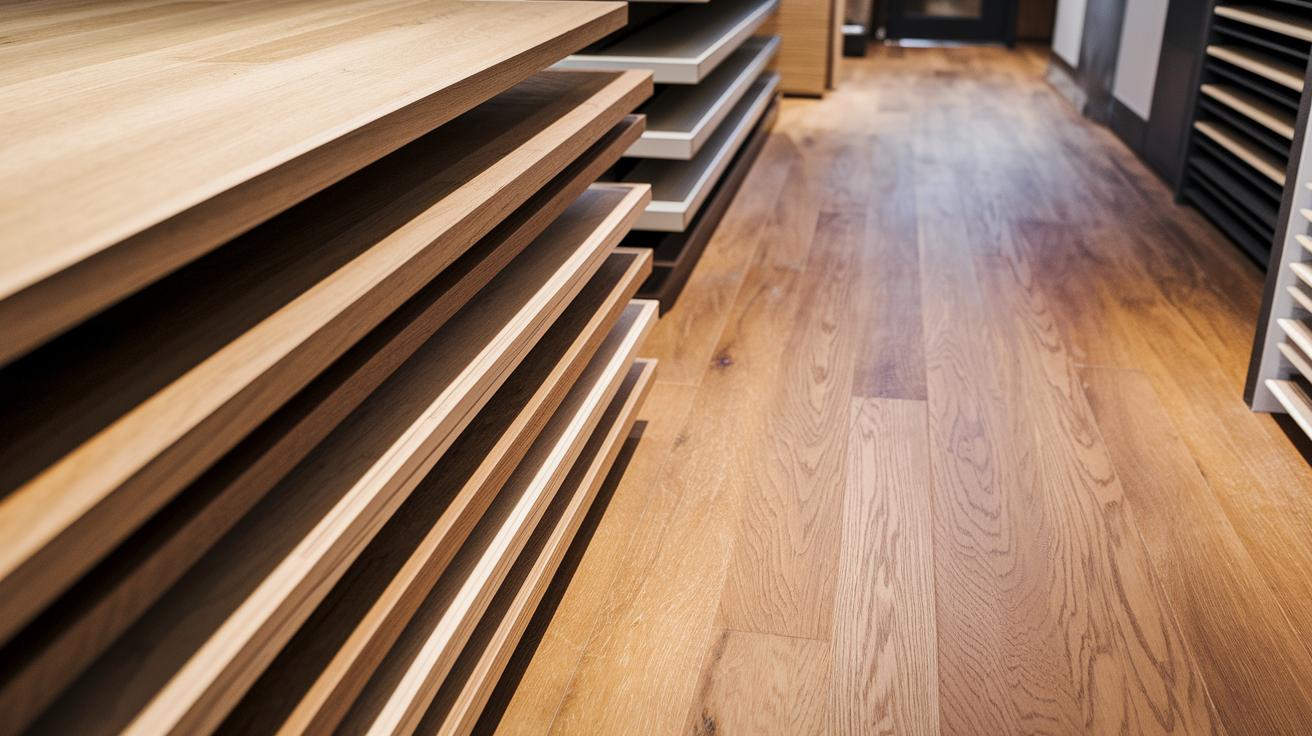
White oak flooring brings classic charm and proven strength to your home. Solid oak floors are crafted from one complete plank, sometimes measuring up to 12 ft (3.7 m) long. They last for decades and can be refinished 4–7 times. Engineered oak flooring uses a 5/8 in (16 mm) wood veneer on top of a plywood base. This method keeps the floor more stable in damp areas, plus it generally costs about 10–20% less per square foot.
| Feature | Solid White Oak | Engineered White Oak |
|---|---|---|
| Construction | One-piece plank; up to 12 ft long | 5/8 in wood veneer over plywood |
| Thickness | Typically 3/4 in (19 mm) | About 5/8 in (16 mm) |
| Refinishing capacity | Can be refinished 4–7 times | Limited due to thin wood layer |
| Moisture resistance | May expand or contract in damp conditions | More stable in humid settings |
| Cost | Usually higher per sq ft | Typically 10–20% lower per sq ft |
Solid white oak is a smart choice for high traffic areas where you plan to refinish the floor over time. Engineered white oak works better in spaces with varying humidity or when you need to keep costs down. Both types offer a timeless style and reliable performance.
Installation Procedure Guide for White Oak Wood Floors
Start by prepping your work area. Keep your white oak boards on site for at least 72 hours so they acclimate to 35–55% relative humidity. This helps reduce expansion or contraction after installation.
Check that your subfloor is clean, dry, and flat within 3/16 in (4.8 mm) over any 10 ft (3 m) span. Next, choose an underlayment such as cork or foam to cut down on noise and provide a slight level. Then, lay a moisture barrier like a 6-mil (0.15 mm) polyethylene film to protect the floor from dampness.
- Confirm the boards have acclimated for a minimum of 72 hours.
- Inspect the subfloor for any dust, debris, and uneven areas; ensure it meets the flatness standard.
- Roll out a 6-mil (0.15 mm) polyethylene moisture barrier or an equivalent product.
- Place your cork or foam underlayment to cushion and smooth minor floor irregularities.
- Mark a straight reference line to guide the placement of your boards.
- Install the white oak planks using nails or staples for solid wood flooring, or follow glue‐down or float methods for engineered boards.
- For solid white oak, use planks around ¾ in thick (approximately 19 mm) and 3 to 7 in wide (76 to 178 mm); for engineered boards, they usually come in at 5/8 in thick (16 mm) and 5 to 9 in wide (127 to 229 mm).
- If you plan installing over radiant heat, double-check that the flooring is rated for in-floor heating systems.
When arranging your floor, consider layout styles like straight lay, diagonal, or herringbone. Experiment with patterns that fit your space. For practical layout ideas, visit https://neull.com?p=97.
Cost Analysis Overview: Investing in White Oak Wood Floors
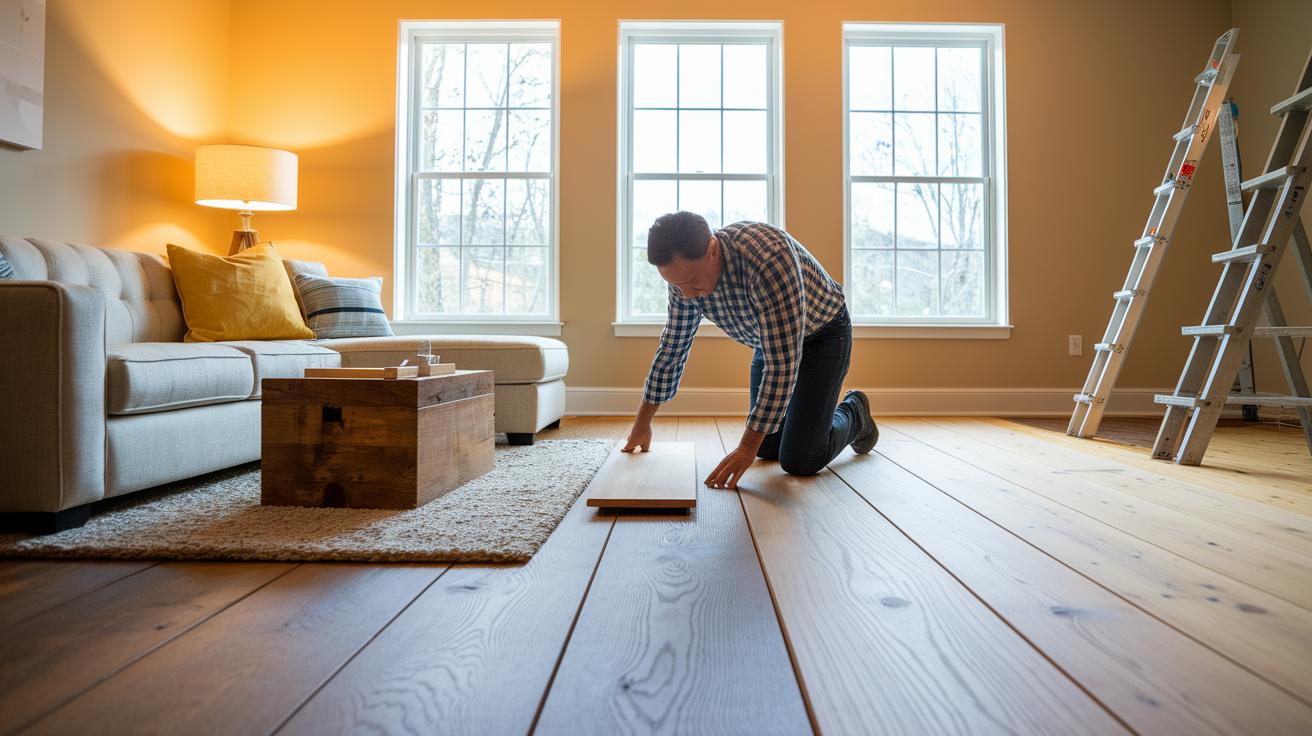
White oak flooring prices depend on the style you pick. Solid white oak usually runs about $8–$15 per square foot (1 sq ft is about 0.093 m²), while engineered white oak is a bit kinder to the budget at around $6–$12 per square foot. These price ranges can help you choose a floor that fits your home’s look and lasts a long time.
Labor also plays a big part in the overall cost. Professional installation costs roughly $3–$5 per square foot. This ensures your floor meets building codes and looks sharp. On top of that, you may need underlayment, which runs about $0.50–$1.50 per square foot, and finishing coats at around $1 per square foot. Although these extra costs add up, quality white oak floors can boost your home’s resale value by 2–3%.
Details and additional information are available here: https://neull.com?p=89.
| Item | Cost per sq ft | Notes |
|---|---|---|
| Materials | Solid White Oak: $8–$15 Engineered White Oak: $6–$12 |
1 sq ft = ~0.093 m² |
| Labor | $3–$5 | See installation details: Link |
| Extras | Underlayment: $0.50–$1.50 Finishing Coats: ~$1 |
|
| Long-term ROI | Potential resale boost of 2–3% |
Maintenance Best Practices for White Oak Wood Floors
Keep your cleaning routine simple. Use a dry mop or a vacuum with a soft-bristle tool to clear away dust and grit. This helps prevent scratches and keeps your white oak floors looking good. Wipe spills right away with a damp cloth. This stops water from seeping into the wood and causing damage.
- Dust and vacuum often using a soft-bristle tool to avoid scratches.
- Wipe up spills immediately with a damp cloth. Don’t let liquids sit.
- In busy areas, apply a scratch-resistant coating like commercial-grade urethane or use an oil finish that soaks into the wood for protection.
- Every 7–10 years (every 7–10 years), refinish your white oak floor by sanding it smooth. This refreshes the protective layer and keeps the wood looking new.
- Block direct UV light by using window treatments or area rugs. This helps stop fading and keeps the floor’s natural charm.
Keep routine upkeep simple and handle your floors with care. Maintaining indoor humidity between 35–55% (35–55%) helps control wood movement, reducing gaps and buckling as the seasons change. Regularly check moisture levels to ensure your floors continue to shine with timeless style.
Design Options and Aesthetic Trends for White Oak Wood Floors
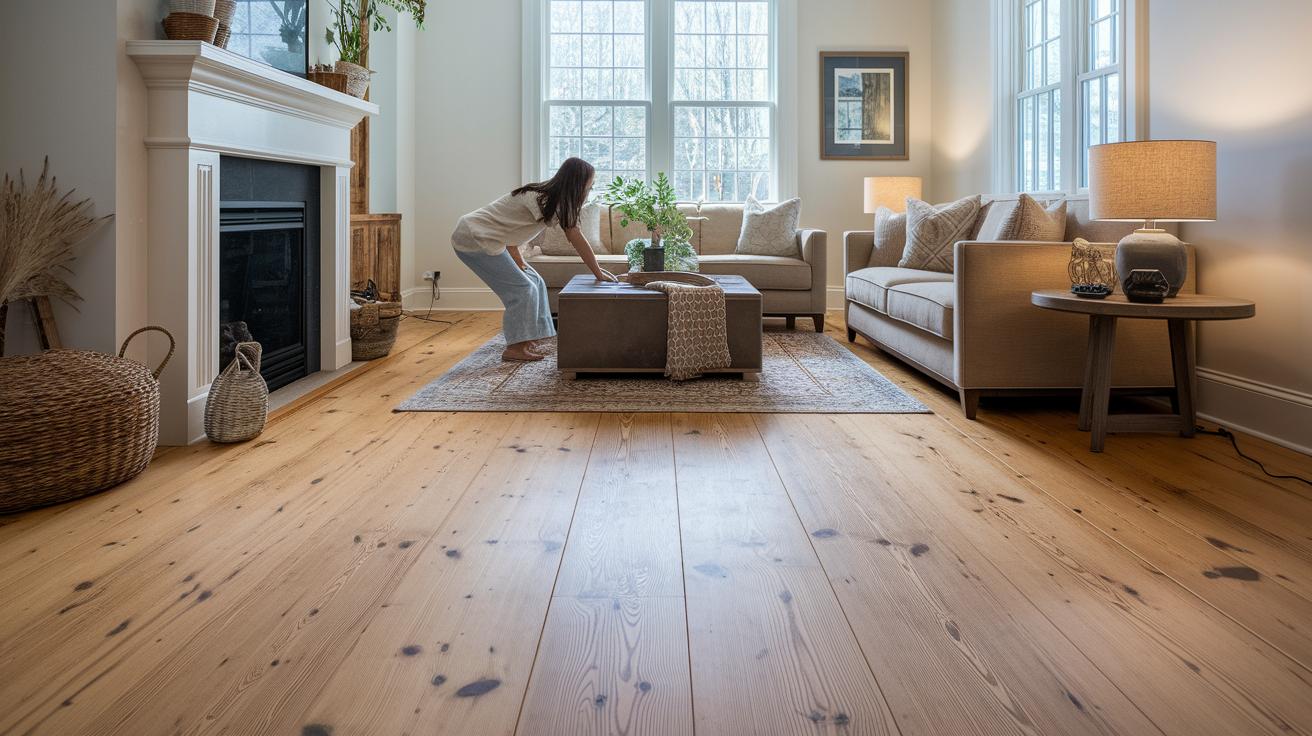
Wide plank designs (7–12 inches / 18-30 cm) let the live-sawn grain show, blending modern style with a rustic look. You can choose a matte finish for a natural feel or a glossy one for a sleek shine. For example, wide planks add rich texture and character to a room.
Staining white oak floors brings in extra color and depth. Homeowners might opt for a light whitewash (which brightens the room), warm honey tones, or deep dark espresso for a bold touch. Each stain works well with both modern and rustic styles. For instance, a gentle honey tone creates a cozy, inviting space.
Trending layout patterns boost the floor's visual appeal. Popular choices include the classic straight lay, the herringbone pattern (repeating 3–10 boards), or a creative diagonal setup. Each arrangement supports modern looks while keeping a practical, rustic feel. For example, a herringbone design adds movement and texture, turning the floor into a standout feature.
Comparing White Oak Wood Floors to Other Hardwood Varieties
White oak has a closed grain that gives it a neat look and better moisture resistance compared to red oak, which has a more open (porous) grain. It scores 1,360 on the Janka hardness test, making it tougher than cherry at 950 and walnut at 1,010. This means white oak handles heavy foot traffic and everyday wear easily.
European white oak usually appears darker with distinct knots and swirls for a rustic feel, while American white oak comes in longer, more even boards that work well in large spaces. Though cherry and walnut are great for formal settings, white oak stands out in busy, high-traffic areas. Its strong build and classic style make it a solid choice for modern homes that need both reliable performance and attractive flooring.
Sustainable and Eco-Friendly White Oak Flooring Selections
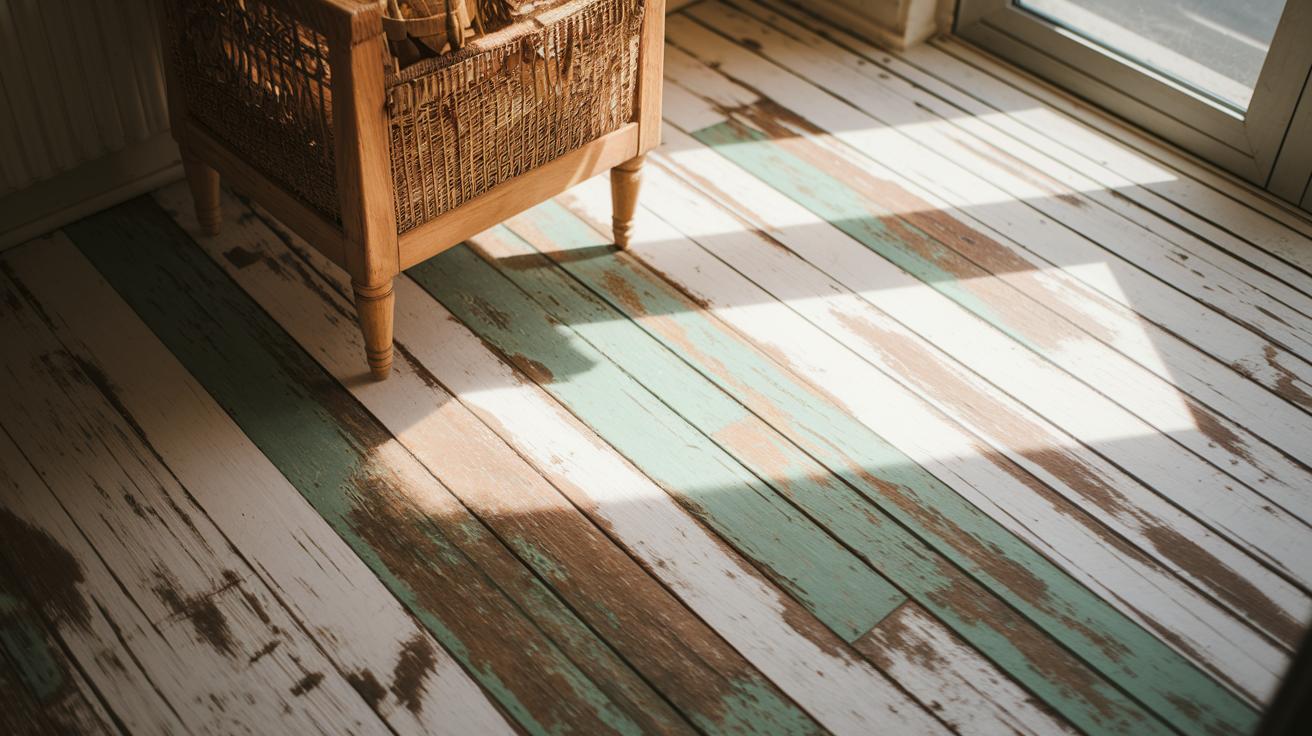
White oak floors are a green choice that add lasting style while caring for the environment. Many experts choose plant-based oil finishes. These oils soak into the wood fibers, protecting your floors from moisture without toxic chemicals. This natural method keeps the wood looking authentic and safe.
Reclaimed white oak also cuts waste and brings a unique character to your floor. The wood comes from certified mills, giving it a history that shows in its patina.
A live-sawn milling technique cuts the full log cross-section. This method reduces waste and makes better use of sustainable timber. Choosing FSC-certified wood means you are using material from forests that are responsibly managed.
Key eco-friendly features include:
| Feature | Benefit |
|---|---|
| Plant-based oil finish | Protects wood naturally from moisture |
| Reclaimed white oak | Reduces waste and adds unique character |
| Live-sawn milling | Cuts full logs and lowers milling waste |
| FSC-certified sourcing | Ensures wood comes from responsible forests |
This balanced approach gives you a durable, attractive floor that fits modern design while being kind to the earth.
Warranty, Performance Plank Reviews, and Longevity Facts for White Oak Wood Floors
White oak wood floors come with solid warranty support and proven durability. They usually include a 25-year warranty on the urethane finish for everyday use, giving homeowners lasting confidence in their investment. Many users report that these floors stand up well to scratches, and if minor marks occur, refinishing is simple.
Solid white oak planks can last 50 years or more with proper care, making them a smart, long-term choice for busy homes. Engineered white oak boards hold up well over radiant heat systems and resist warping even when indoor humidity changes. Reviews consistently praise white oak for its mix of natural beauty and strength.
Homeowners appreciate the strong warranty, the lasting appeal of solid planks, and the reliable performance of engineered options. These features make white oak wood floors a practical and attractive option based on real user experiences and proven longevity.
Common Installation Pitfalls and Expert Recommendations for White Oak Wood Floors
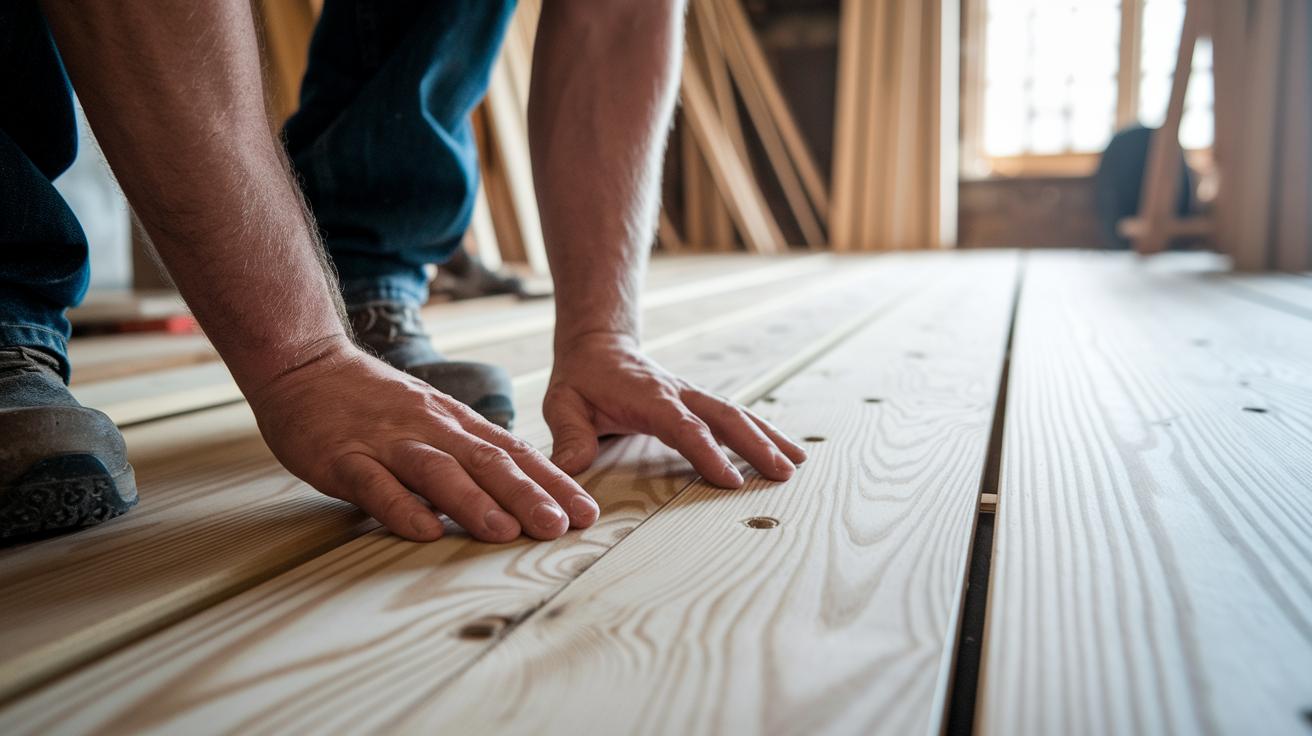
When you install white oak floors, keep your guide simple. Skip repeating details about acclimation and moisture barriers. Focus on these clear tips:
- Check fastener details. The wrong nail size or spacing can let boards shift and squeak. For example, use a 16d nail (3.5 in / 89 mm) placed every 6 to 8 in (15–20 cm) along the board.
- For live-sawn or wide-plank floors, hire installers who have worked with these materials. Their experience can help prevent fastening issues.
- Always review the manufacturer’s guidelines. They often require specific fastener sizes and spacing to keep each board secure.
| Focus Area | Recommendation |
|---|---|
| Fasteners | Follow the specified gauge and spacing. For instance, use 16d nails every 6-8 in (15–20 cm). |
| Installation Type | Hire knowledgeable pros for live-sawn or wide-plank systems to avoid common mistakes. |
Final Words
In the action, we explored the strengths and benefits of white oak wood floors, from durability to design versatility. The post covered installation, cost breakdowns, maintenance routines, sustainability factors, and warranty expectations, all explained in clear, step-by-step terms.
We also compared solid and engineered options while warning against common setup mistakes. This guide leaves you with practical insights to boost home value and enjoy stylish, long-lasting flooring with confidence.
FAQ
What is the cost of white oak wood floors and are they expensive?
The white oak wood floors cost generally lies between $8–$15 per sq ft for solid options and $6–$12 per sq ft for engineered types, with installation adding $3–$5 per sq ft, offering good long-term value.
What does 12-inch wide plank white oak flooring refer to?
The 12-inch wide plank white oak flooring features broader boards that highlight the natural grain, delivering a spacious and modern look while maintaining durability and style.
What are the benefits of white oak prefinished hardwood flooring?
White oak prefinished hardwood flooring comes with a durable, factory-applied finish, reducing onsite work and offering consistent performance, making installation faster and cleanup easier.
What should I know about unfinished white oak flooring, including the 3/4-inch option?
Unfinished white oak flooring, such as the 3/4-inch boards, allows you to customize the stain and finish onsite, providing flexibility in design and a personalized look for your space.
What does “real” white oak hardwood flooring mean?
Real white oak hardwood flooring means the product is made from genuine white oak, known for its robust closed grain, solid durability, moisture resistance, and timeless natural appearance.
What is white oak engineered wood flooring?
White oak engineered wood flooring features a thin white oak veneer bonded to a stable core like plywood, offering improved moisture tolerance and a similar look to solid planks with easier installation.
Is white oak a good wood for flooring?
White oak is a good wood for flooring due to its high scratch resistance, strong moisture tolerance, and versatility in finish and style, making it a reliable choice for busy areas.
Is white oak flooring still in style?
White oak flooring remains in style because its natural grain and neutral tone suit a variety of decor styles, from modern to traditional, and it adapts well to different stain options.
What looks like white oak but is a cheaper alternative?
Alternatives such as engineered oak flooring mimic the appearance of white oak at a lower cost, offering similar aesthetics and performance while providing a budget-friendly option without compromising quality.