

Ever wonder why your machines sometimes run well and then suddenly stop working? Preventive maintenance is a plan that checks your equipment on a regular basis to catch small problems before they grow into big, costly repairs. It’s like giving your car an oil change before any warning lights appear. This write-up explains what preventive maintenance is, how it differs from waiting until something breaks, and why planning regular checks can save you time and money. Stick with us to learn how a simple schedule can keep your equipment running safely and smoothly.
Definition of preventive maintenance: Proven clarity
Preventive maintenance is a planned approach that keeps equipment running smoothly by doing regular service tasks. Instead of waiting for a machine to break, you perform routine checks and repairs. This means you act daily, weekly, monthly, or yearly, or after a set amount of use, to stop small issues before they become big problems.
For example, a facility might lubricate key machine parts every 30 days (about 1 month). This helps stop wear and tear and makes sure everything keeps running without unexpected stops. It’s like giving your car an oil change to keep the engine healthy.
Unlike corrective maintenance, where you fix things only after they fail, preventive maintenance tackles problems early. This method keeps machines working at peak performance and lengthens their life. It helps catch bad parts before they fail, saving you time and money.
To sum up, regular inspections, routine repairs, and timely checks are key to a safe and reliable system. Following a preventive maintenance plan means fewer emergency repairs and equipment that works consistently at its best.
Preventive Maintenance vs Corrective and Predictive Strategies
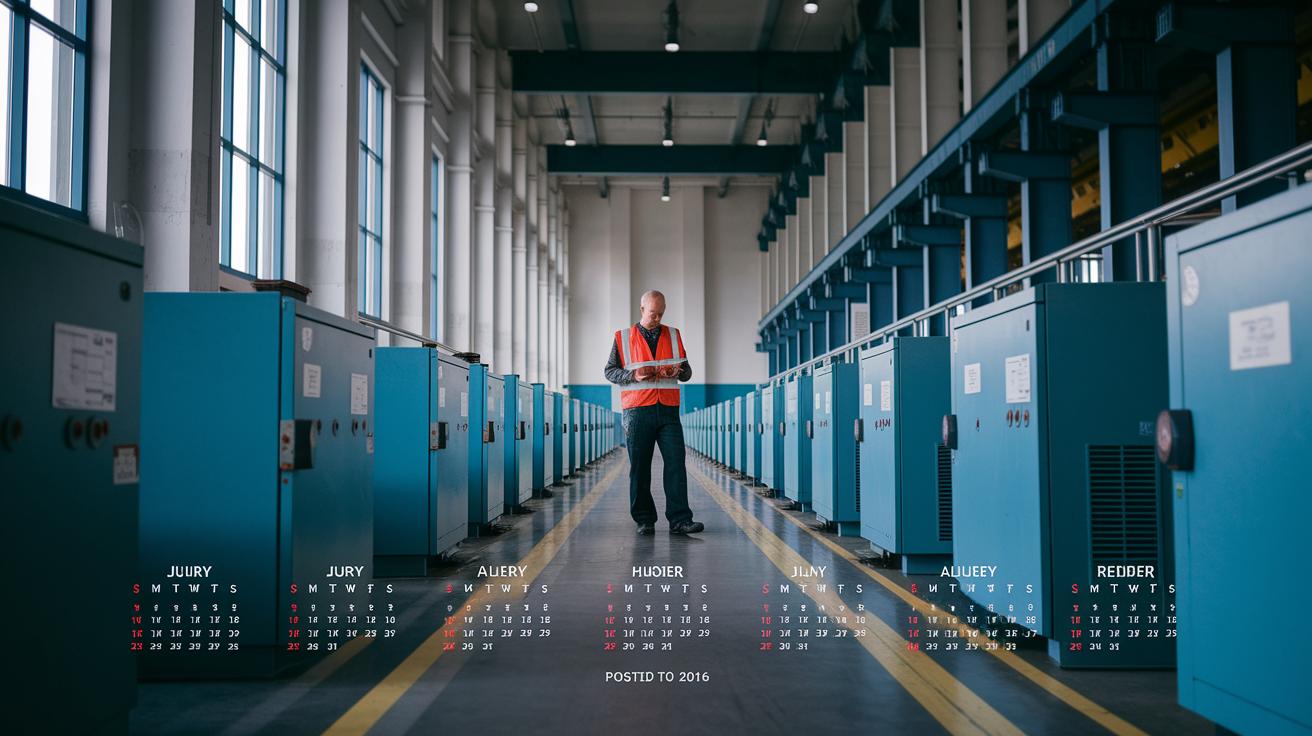
Preventive maintenance means checking your equipment on a set schedule or basing the checks on how much the machine has been used. You might inspect or repair the machine daily, weekly, or monthly. This plan helps catch small issues before they grow into big problems and stop work unexpectedly. For example, checking a machine every 30 days can help you spot worn parts before they fail.
Corrective maintenance, on the other hand, only fixes problems after they occur. Since this method deals with failures after they happen, it can lead to unexpected downtime and higher repair costs.
Predictive maintenance uses real-time data and condition monitoring to predict when a part might fail. It relies on sensors or performance data to signal that maintenance is needed before a breakdown actually happens. This approach can prevent unscheduled stops, but it often requires more advanced technology and expert monitoring. Meanwhile, preventive maintenance sticks to a routine schedule, making it a simple and proven way to keep your equipment running safely.
| Maintenance Type | Trigger | Timing | Goal |
|---|---|---|---|
| Preventive Maintenance | Scheduled intervals or usage | Daily/weekly/monthly/etc. | Stop failures before they start |
| Corrective Maintenance | After equipment failure | As-needed | Fix issues right away |
| Predictive Maintenance | Data or sensor alerts | When conditions change | Forecast and prevent failures |
This side-by-side look shows that while corrective and predictive methods deal with issues as they happen or when signs appear, preventive maintenance follows a fixed schedule to stop problems before they start. This can simplify upkeep and reduce the risk of downtime.
Key Benefits of Scheduled Preventive Maintenance
By following a regular maintenance schedule, you can boost efficiency and cut expenses. Simple tasks like lubrication (applying oil to moving parts), cleaning, and calibration (adjusting parts to proper settings) help you catch wear and tear early, preventing major breakdowns. For instance, a plant that oils key machine parts every 30 days (30 days / 1 month) usually faces fewer unplanned stops, much like a car benefits from regular oil changes.
Regular checks let you replace worn parts and keep machines running longer, which cuts downtime. When equipment is consistently cared for, it performs steadily and lowers the risk of sudden failures that demand emergency fixes. Think of it like testing your brakes before a long drive, a little work now can avoid expensive repairs later.
A planned maintenance routine also boosts workplace safety by spotting hazards before they cause injuries. By cleaning and calibrating routinely, safety systems work as they should, protecting both workers and machines. In industries with costly machinery, this proactive approach has saved companies hundreds of thousands of dollars each year by cutting disruptions and repair expenses.
When you make regular service inspections a priority, you enjoy steady production, longer-lasting equipment, and significant cost savings over the life of your assets.
Types of Preventive Maintenance and Examples

Time-Based Maintenance
Time-based maintenance runs on a set schedule. Tasks can be daily, weekly, monthly, or yearly. For example, you might lubricate machine parts every 30 days (about 1 month or 720 hours) to reduce wear on a production line. A retail refrigerator may need cleaning and filter replacement every quarter (every 3 months or about 90 days) to keep it efficient. It’s simple: mark your calendar and follow a routine inspection checklist. Think of it like replacing air filters in your home every three months to keep your HVAC system running smooth. This method makes sure every part gets the attention it needs, no matter how much it gets used.
Usage-Based Maintenance
Usage-based maintenance depends on how much you use your equipment instead of the calendar. A factory machine might be checked after 500 operating hours (about 20.8 days of nonstop use), regardless of the date. In a restaurant, ovens might need service after reaching a certain number of cooking cycles. This approach works well when machines have irregular usage patterns. Imagine a printer handling thousands of pages, maintenance kicks in after a certain page count to keep performance reliable.
Condition-Based Maintenance
Condition-based maintenance uses data from sensors and real-time monitoring to schedule service. When sensors detect unusual vibrations or high temperatures, it’s time to take action. For instance, MRI machines in hospitals benefit from this approach because sensor readings can warn you of issues before they turn into full-blown failures. It’s like when your car warns you about low tire pressure so you can fix it before a blowout. This method adds a layer of smart checks that let you repair parts right when issues appear.
Often, the best approach is to mix these methods. Many organizations combine scheduled checks with usage counts and sensor data to keep their assets in top shape and running cost-effectively.
Planning and Implementing a Preventive Maintenance Program
Start by making a complete list of all your equipment. Write down details like type, age, hours used, and repair history. This list shows you exactly which machines you own and their upkeep needs. For example, note how many hours a machine runs and any past repairs.
Next, sort your equipment by how much they impact production. Pick out the machines that are key to your operations and schedule their checks first. If a machine runs a busy production line, its maintenance should be at the top of your list.
Then, plan maintenance tasks based on the maker’s instructions and your own experience. List specific jobs such as lubrication, cleaning, and calibration. For instance, you might plan to lubricate a machine every 30 days (about 1 month) and give it a full inspection every 6 months (182 days).
After that, set maintenance dates using a computerized system or a simple spreadsheet. Doing so helps you remember each task and stops tasks from being scheduled at the same time. For example, set calendar reminders for weekly and monthly tasks.
Next, teach your maintenance crew the correct steps and use a set checklist so everyone follows the same process. A standard list can show technicians exactly what to inspect and fix.
Finally, keep spare parts available to speed up repairs. Having key components in stock lets you quickly replace parts if they wear out. Remember the “10% Rule”: if repair costs are below 10% of the equipment’s replacement value, fix it; if not, think about a replacement.
- Create a complete inventory of your equipment.
- Sort equipment based on its impact on production.
- Plan maintenance tasks with input from manufacturers and your experience.
- Set up a schedule with a computerized system or spreadsheet.
- Train your team and use a standard checklist.
- Keep spare parts on hand for quick repairs.
Challenges and Limitations of Preventive Maintenance

Preventive maintenance can help stop big breakdowns, but a fixed schedule may not always be best. When you service equipment based just on the calendar or hours run, you might work on machines that are still in good shape. It’s like changing your car’s oil too early – extra work that wastes time and money.
Working on machines too often can use up maintenance crews and spare parts needed for other jobs. Routine care during busy times can slow down production. For example, doing checks at the height of production may delay urgent tasks, similar to pausing work on a busy construction site.
A set schedule might miss sudden issues between inspections. Equipment can wear down unexpectedly, and small problems may grow into major failures.
Key challenges are:
- Over-servicing equipment wastes time and resources.
- Scheduled tasks during peak periods can hurt production.
- Rigid timing might miss unforeseen failures.
No maintenance plan stops all issues. But knowing these challenges helps you plan better and adjust schedules to work more efficiently.
Tools and Software for Preventive Maintenance
Modern preventive maintenance relies on strong software that keeps tasks on track. Tools such as CMMS (Computerized Maintenance Management System) or EAM (Enterprise Asset Management) offer live dashboards with key asset data, usage trends, and service history. They also send automatic alerts when a machine needs lubrication or parts replaced, so your team can act before issues arise.
For smaller setups, an Excel template and printed service checklists work well. Imagine a simple spreadsheet that lists each machine’s last service date and the next due date. A free checklist streamlines daily tasks without the complexity of a full software system.
Many of these tools include mobile work-order modules and parts inventory tracking so you always know when spares are required. They offer clear views of all maintenance tasks, helping crews complete work on time and stay in sync. Choosing the right tool cuts downtime and ensures tasks are done the right way.
Using modern software transforms preventive maintenance from a chaotic schedule into a clear, organized system that keeps everyone on track and operations running smoothly.
Final Words
in the action, this article broke down key concepts like preventive maintenance – scheduled tasks that keep equipment running smoothly. It compared planned upkeep with reactive fixes and highlighted benefits such as lower downtime and improved safety. The guide also covered real-life examples, implementation steps, and choices in tools and software for maintaining assets. These insights help you set up a smart maintenance program, cut unexpected expenses, and keep projects on track. There's plenty of room to fine-tune your approach, and every step makes your setup stronger.
FAQ
What is the definition of preventive maintenance in aviation and FAA contexts?
The definition of preventive maintenance in aviation means scheduled inspections and tasks designed to keep aircraft operating safely. It follows FAA regulations to prevent failures and avoid unexpected downtime.
What qualifies as preventive (preventative) maintenance?
The term qualifies as preventive maintenance when service tasks are planned and scheduled based on time, usage, or condition to avoid equipment failures and extend asset lifespan.
What are some examples of preventive maintenance?
The examples of preventive maintenance include routine inspections, scheduled lubrication, filter replacements, equipment calibration, and cleaning tasks designed to stop breakdowns before they occur.
What is corrective maintenance?
Corrective maintenance means repairs performed after equipment fails. It is a reactive approach aimed at restoring operation, unlike preventive maintenance, which is applied before failures occur.
What is a preventive maintenance schedule?
A preventive maintenance schedule outlines regular service intervals—daily, weekly, or monthly—to perform routine checks and tasks, ensuring optimal equipment performance and minimal downtime.
What are the seven elements of preventive maintenance?
The seven elements include asset inventory, inspection frequency, scheduled tasks, part replacement timing, technician training, documentation, and performance monitoring, all working together for effective upkeep.
What is the 10% rule of preventive maintenance?
The 10% rule of preventive maintenance means scheduling service when the estimated repair cost is below 10% of the asset’s replacement value, helping keep expenses predictable and maintenance cost-effective.