

Did you know a quick check can save you thousands? Routine inspections help you catch small issues before they turn into costly repairs. Regular checkups keep your equipment running smoothly and help you avoid unexpected downtime. It’s a bit like checking your car’s oil before a long drive. Our guide shows you how planned inspections can extend your machine’s life, keeping them at peak performance while saving you time and money.
Preventive Maintenance Inspection Fundamentals
Regular inspections can change how you care for your facility. Instead of reacting to a crisis, you plan ahead to spot and fix small issues. These scheduled checkups, paired with quick repairs, stop minor problems from turning into major failures. This simple method helps your equipment last longer and can save you money by avoiding costly emergency fixes.
For example, a technician might see that a machine has low lubrication and then arrange a repair before it breaks down. Think of it like checking a motor every day and fixing a tiny leak before it turns into a big flood. This routine is part of a plan to protect both your equipment and the people using it.
Using easy-to-follow checklists and digital records to track each machine’s service history means every piece of equipment gets the proper care. This regular attention not only boosts overall performance but also lowers the risk of workplace injuries. By breaking maintenance into manageable, scheduled events, you keep things safe and under control.
Scheduling and Frequency Strategies for Preventive Maintenance Inspections
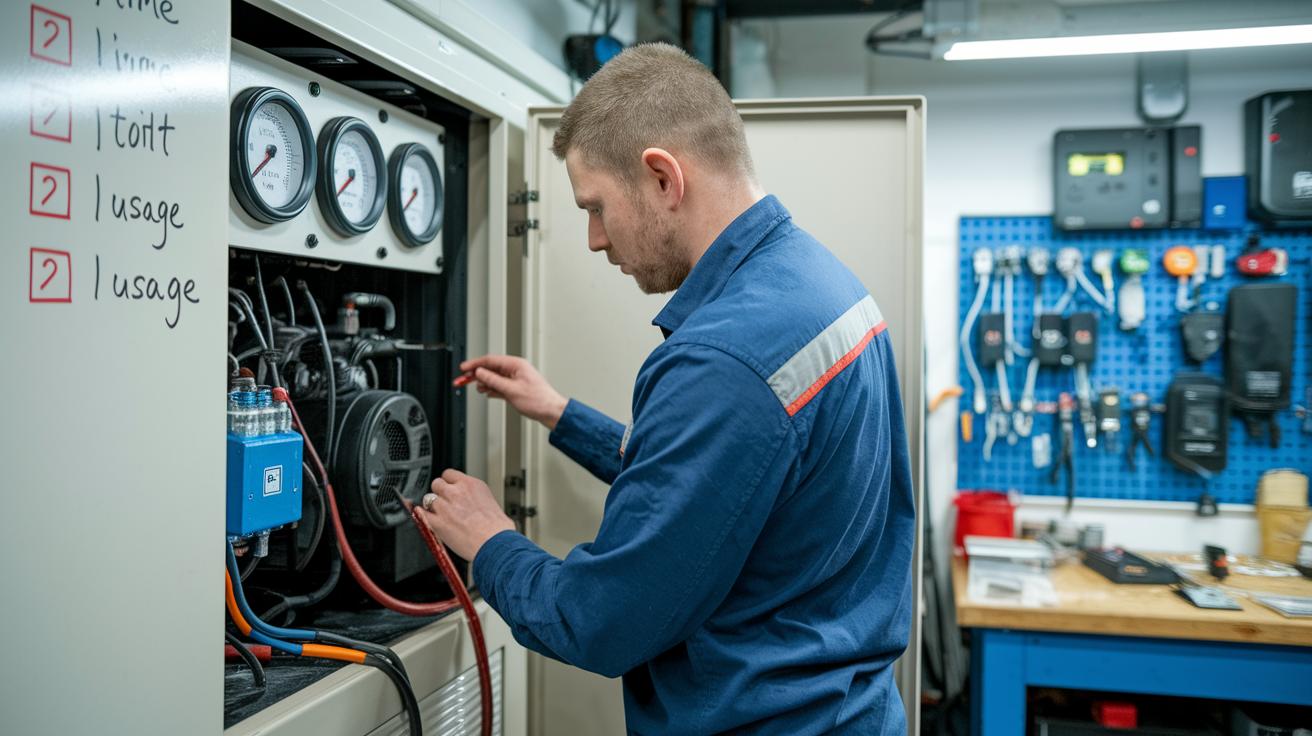
Keep your equipment in top shape by planning regular checkups. You can set maintenance based on time or how much the machine has been used. For example, inspect a generator every 90 days (about 3 months), even if it doesn’t run much. Alternatively, schedule an inspection when the machine hits a set usage number, such as 500 operating hours. This helps you balance repair costs with the risk of unexpected breakdowns.
Time-based maintenance means sticking to a set calendar for inspections. Usage-based checks kick in when accumulated hours, cycles, or miles reach a limit. Both methods follow manufacturer guidelines and help prevent costly downtime.
Combine both approaches by reviewing how critical the asset is, its operating conditions, and the maker’s advice. Automate reminders and track operating hours to stay on schedule. Check your records regularly and adjust intervals using real performance data. This way, you keep your maintenance simple, effective, and cost efficient.
Preventive Maintenance Inspection: Optimal Uptime
A solid inspection routine keeps every part of your system in check. This step-by-step guide helps you cover asset history, update maps, and check safety points so that nothing gets missed.
- Start by checking your asset history and operation and maintenance (O&M) manuals. Look over past service reports and manufacturer papers. These can show you repeated issues and guide today’s check.
- Update your digital asset map. Mark each piece of equipment on your digital floor plan so you can find it quickly when you need to follow up.
- Do visual and sound checks. Look for signs like leaks, damage, or unusual noises such as a soft rumble or vibration. These clues mean you might need to inspect further.
- Measure key factors like temperature and vibration. Use a calibrated sensor to check for any changes. Noticing a temperature rise or unexpected vibration early can help you catch wear before it gets worse.
- Check lubrication and fluid levels. Make sure every moving part has its proper lubricant. This simple step stops too much friction and overheating.
- Test safety features like emergency stops and alarms. Verify they work as expected. These tests protect both the equipment and the people using it.
- Write down your findings in your upkeep system or log. Make sure to record every observation and reading to help guide future maintenance.
- Plan any needed repairs or follow-ups based on your findings. Organize the fixes so nothing important falls through the cracks.
Essential Tools, Checklists, and Templates for Preventive Maintenance Inspections

Modern CMMS solutions now let you create work orders that repeat on a set schedule. They use smart AI to capture asset data and let field workers scan QR codes with their mobile phones to check history right away. All the operation manuals and receipts are stored digitally, which cuts down on paperwork and speeds up inspections.
Using a clear, standardized checklist makes a big difference. A technician with a good checklist can quickly confirm every area has been checked instead of searching for missed items later. You can view a printable preventive maintenance checklist here: "preventive maintenance checklist" (https://neull.com?p=424).
Customizable report forms help keep audits consistent too. Inspectors can tailor checklists to match the needs of each asset or space, ensuring every safety and maintenance point is covered. This saves time, reduces errors, and keeps your facility running smoothly. A solid audit report template not only tracks repair progress but also records past performance trends.
Tools and templates that support these efforts include:
- Multi-function handheld data logger
- Portable vibration and temperature sensor kit
- Barcode/QR scanner with mobile interface
- Standardized inspection checklist template
- Audit report form (digital/print)
- Centralized CMMS platform
These essential assets make inspections faster, more thorough, and easy to repeat.
Monitoring Performance and Analyzing Preventive Maintenance Inspection Data
Dashboards give you a clear look at how your preventive maintenance program is doing. They list overdue work orders, show the mean time between failures (MTBF – the average time an asset runs before breaking down), and record maintenance history for each asset. This straightforward view turns raw numbers into a summary you can use to improve performance.
Trend reports on your dashboard can point out recurring issues and show how efficiently your equipment is running. For instance, one report might reveal that a specific machine isn’t reaching its expected MTBF. A surprising fact like this , "A factory pump's MTBF fell by 20% in one quarter" , warns the maintenance team about hidden wear. When you notice this, adjust service intervals and plan repairs before a small problem becomes a major failure.
Regularly checking these numbers helps you handle immediate repairs and plan long-term strategies. Facility managers can estimate repair budgets and adjust inspection schedules based on real-time data. A visual, easy-to-read performance audit helps you see which assets need more focus. By monitoring these key indicators, you reduce unexpected breakdowns and keep your equipment running reliably.
Overcoming Challenges and Best Practices in Preventive Maintenance Inspection

Manual inspections take time and can be risky when working close to moving machinery. High labor costs and scheduling issues add to the strain and can put safety in jeopardy. Digital CMMS (computerized maintenance management system, a tool that schedules and tracks maintenance tasks) solutions automate the scheduling process, cut down on manual errors, and keep clear records of every task. This digital shift not only reduces costs but also lowers exposure to hazards.
Standardize your inspection routine to boost audit practices. First, make a clear checklist for each piece of equipment and then train your inspectors to follow it exactly. This simple method makes spotting issues during risk checks easier and helps record fixes fast.
Set up corrective action plans immediately when a problem is found. Create a quick workflow that moves the issue from detection to repair, and include a step for supervisors to double-check that all repairs meet safety standards.
Switching to digital tools and consistent methods eases the burden of manual tracking. It builds a more reliable, cost-effective inspection process that keeps your team safe and extends equipment life. Follow these steps and clear risk assessments to improve efficiency and safety on the job site.
Final Words
Jumping right in, we covered a systematic overview of preventive maintenance inspection fundamentals, scheduling strategies, and a clear, step-by-step procedure. We outlined how to map assets, follow detailed checklists, and use digital tools to record data. You also learned how to review performance and adjust service intervals for better risk management. Every tip and tool discussed supports safe, cost-effective execution for projects large or small. Keep applying these techniques to boost skills and savings with preventive maintenance inspection.
FAQ
What is a preventive maintenance inspection checklist or template?
The preventive maintenance inspection checklist or template is a structured list guiding technicians through each inspection step. It helps standardize checks, catch early wear, and maintain equipment safety and efficiency.
What is a maintenance inspection for an apartment or rental property?
A maintenance inspection for an apartment involves checking rental property conditions such as structural integrity, safety systems, and basic utilities. This routine review helps catch issues early and keeps the property in good shape.
What is a maintenance inspection on a car?
A maintenance inspection on a car is a thorough check of components like the engine, brakes, fluids, and safety systems. It helps spot wear early, reducing the risk of unexpected breakdowns.
What is inspection in preventive maintenance?
Inspection in preventive maintenance means regularly evaluating equipment for wear and potential problems. This review includes visual checks, operating tests, and measurements to prevent major repairs and extend asset life.
What are the four types of preventive maintenance?
The four types of preventive maintenance typically include time-based, usage-based, condition-based, and predictive maintenance. Each type helps schedule necessary repairs to reduce downtime and extend equipment lifespan.
What are the four types of inspection?
The four types of inspection generally involve visual, auditory, measurement-based, and functional checks. Together, they uncover physical damage, unusual sounds, parameter deviations, and performance issues during routine evaluations.
What is the 10% rule of preventive maintenance?
The 10% rule of preventive maintenance suggests budgeting about 10% of an asset’s replacement cost each year for scheduled upkeep. This practice aims to extend equipment life and prevent costly breakdowns.