

Ever thought about whether your space is truly ready for a fire? A simple fire safety checklist can show you areas that need attention before a small spark turns into a big problem. This guide explains how to test smoke alarms, check your fire extinguisher, and update your evacuation plan using clear NFPA standards (fire safety rules set by the National Fire Protection Association). Regular checks not only protect your property but also keep your loved ones or team safe. Read on to see how a well-maintained checklist can make all the difference.
Key Elements of a Fire Safety Checklist
A fire safety checklist is essential for keeping your home or business safe from fire, heating, cooling, and electrical hazards. It follows NFPA standards for fire codes, clear hazard communication, and easy-to-follow evacuation plans. The latest version, dated Feb 03, 2023 and updated on Dec 12, 2025, reminds you to review your safety measures every year. Set aside one month each year to update the checklist and ensure your fire safety practices stay current. A PDF copy lets you clearly share these practices with your team.
Using this fire prevention checklist helps you find weak spots before they turn into big problems. In 2021, U.S. fire departments dealt with 1,353,500 fires. Keeping your fire safety plan up to date not only protects property, it can also save lives. This checklist gives you a step-by-step way to inspect key systems and train your employees. You can also check it against your home maintenance list for complete property care.
Each of these steps works together to create a strong fire safety plan. Regular tests like alarms and extinguisher checks give you early warning signs, while updated evacuation plans and proper training help everyone know what to do. Keeping good records and sticking to your review schedule creates a culture of ongoing safety improvements. This practical approach meets code requirements and gives property owners and managers the confidence to keep their spaces safe.
Fire Detection and Alarm System Checklist
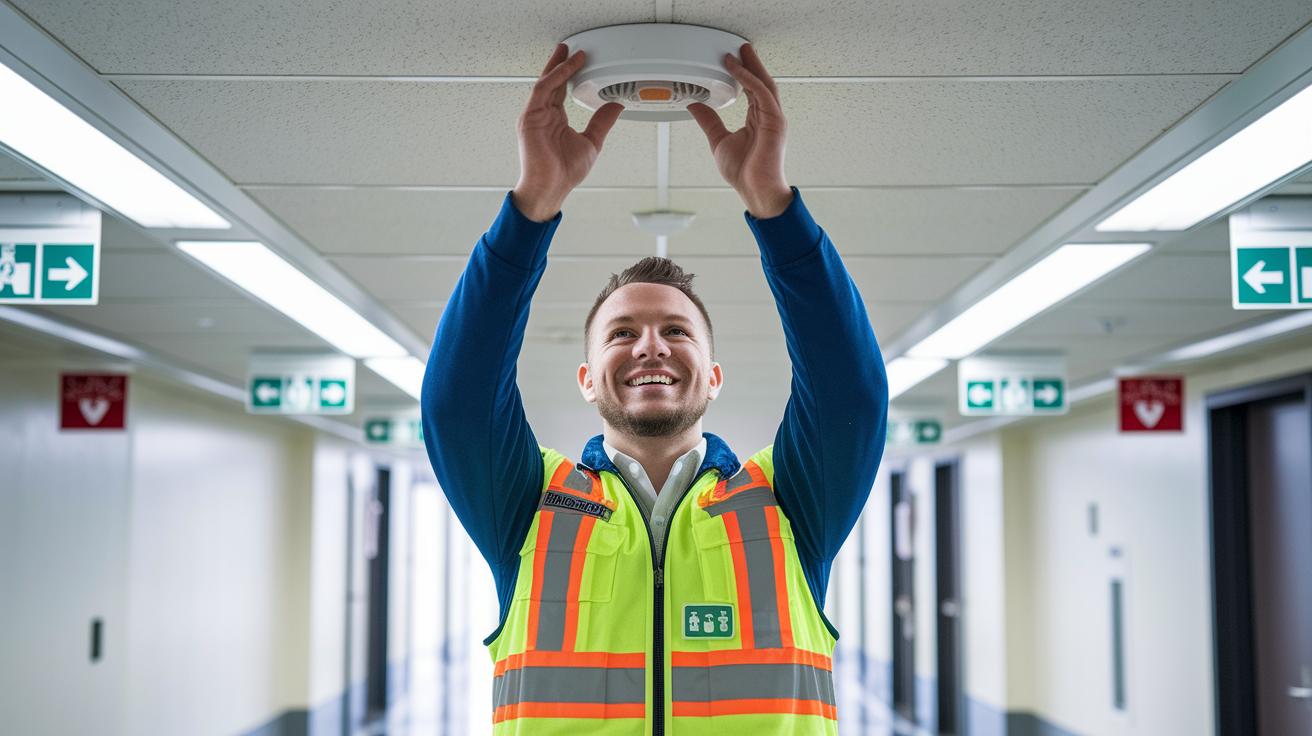
Keep your space safe by testing your fire alarms and sprinkler systems on a regular basis. NFPA rules say every building needs smoke alarms on each floor with clear exit signs, and OSHA requires routine checks to ensure everything works as it should. Testing often catches small issues before they turn into problems.
Smoke Alarm Inspection
- Press the test button to confirm it works.
- Check the battery date and replace it if needed.
- Listen to the alarm to verify it is loud enough.
- Make sure the alarm is mounted at the proper height.
- Write down the date of the inspection.
Sprinkler System Testing
- Read the pressure gauge to check water pressure.
- Activate the flow switch (a sensor that detects water movement) to confirm proper response.
- Ensure the valves are set to the correct positions.
- Look over the pipes for any signs of damage.
- Record the test results.
Keep signed records of each inspection and save your reports as a PDF to share with your team. Accurate logs help you meet safety standards and fix problems quickly.
Fire Extinguisher Inspection and Maintenance Checklist
Each month, give your fire extinguishers a close look to keep your home or business safe from fire risks. Regular checks catch issues early and keep every extinguisher ready for an emergency. Make sure you use the right type for the fire risk, check that the pressure gauge reads correctly, and confirm the hose or nozzle stays intact. Also, keep the area clear and verify that the mounting bracket is still secure. Record each check in a log to stay on top of maintenance and meet safety standards.
- Visual condition and tamper seal – Look over the extinguisher for any damage, rust, or signs it’s been tampered with.
- Pressure gauge reading – Make sure the gauge needle stays in the green zone. If it falls outside this area, service is needed.
- Hose/nozzle inspection – Check the hose or nozzle for cracks, leaks, or blockages that could affect its use.
- Inspection tag update – Review the tag for the latest check date and update it once the inspection is done.
- Clearance and signage check – Ensure the extinguisher is easy to reach and that clear signs are posted nearby.
- Schedule for professional recharge or replacement – Mark any units that need professional care, including recharging or replacement.
Keep the results of these inspections organized. You can log them digitally or in a binder. Include the date, any issues you find, and the fixes you made. This helps you stick to a regular routine and spot repeating problems, so your extinguishers work properly when needed.
Fire Evacuation Plan and Fire Drill Checklist

A clear fire evacuation plan is essential for keeping everyone safe during an emergency. Mark all exit routes clearly and create a fire drill plan that involves everyone. Regular drills help each person understand the alarm sounds and know where to gather, so they can leave the building quickly and safely. Keep printed guides on hand and record evacuation times to fix any delays right away.
- Route mapping: Draw and post the safest escape routes.
- Alarm activation: Ensure alarms are loud and easy to hear.
- Role assignments: Tell each person what to do.
- Timed evacuation: Track how long it takes to get everyone out.
- Communication checks: Test that all alarm and communication systems work.
- Feedback collection: Ask for thoughts after drills to find areas for improvement.
- Plan revision: Update the plan regularly based on what you learn.
For offices, run a drill every three months to build confidence and preparedness. In industrial settings, a drill every six months is a good rule of thumb. By practicing regularly and modifying the plan when needed, everyone knows their role and the process stays effective under pressure.
Compliance and Regulatory Fire Safety Checklist
Make sure your facility meets NFPA 101 and NFPA 1 codes along with local fire rules and OSHA standards. These rules keep your space safe and compliant. Regular checks help you spot issues and update your safety measures when needed. Fire codes were updated on Feb 03, 2023, which affects how inspections are done across life safety and industrial areas.
Local rules require you to review fire safety plans on set schedules. Using a fire code checklist keeps audits and inspections clear and organized. You can also refer to a free OSHA Quick Start Guide and Best Practice Guide for help with planning and understanding these rules.
| Regulation | Applicable Area | Review Frequency |
|---|---|---|
| NFPA 101 | Life safety/egress | Annual |
| OSHA 1910.39 | Industrial workplaces | Biannual |
| Local fire code | City permits | Quarterly |
Keep detailed logs of your inspections and certificates. This record keeping shows your safety efforts and helps plan future audits.
Annual Fire Safety Audit and Record-Keeping Checklist

Every year, block off a full month to perform a hands-on fire safety check. During this time, inspect your fire systems, electrical wiring, heating, and cooling setups. Use a printed checklist to record every item as you go. This helps you spot weak points before they become a problem.
Keep these key records updated:
- System inspection logs
- Training completion records
- Incident report archive
- Insurance coverage updates
- Management sign-off
Using these records, you can watch for trends and catch recurring issues early. Regular inspections not only keep you compliant but also give you a chance to fix problems before they get worse. By reviewing your audit findings, you can steadily lower risks and keep your home or business safe.
Final Words
In the action, you’ve seen how each part of a fire safety checklist plays a role, from fire detection and extinguisher checks to clear evacuation and review procedures. Step-by-step guidance offers measurable tasks and record-keeping tips that make the process manageable. Clear rules and periodic audits help keep things safe and efficient. With this fire safety checklist, you're set to maintain solid safety practices that protect your project, your home, and your budget. Keep your process steady and your workspace secure.