

Ever notice how some projects finish on time while others stall? Planning every step before you swing a hammer can save you time and money. In this guide, we show you how to turn a blueprint into a clear, step-by-step plan. When you break down tasks and set simple timelines, you keep your project moving forward and your budget under control. Get ready to see how a solid plan can build the road to your success.
Why Planning Construction Work Is Critical for Project Success
Planning is the first step in any construction job. Without a clear plan, projects can quickly go over budget and fall behind schedule. A good plan sets clear goals and shows who does what, when, and how much it will cost. Start by writing a clear scope of work. Before you pick up your hammer, list every task, from site cleanup to framing.
Breaking the project into simple steps cuts out confusion. A detailed plan acts like a roadmap, guiding you from pre-work checks to the final inspection. Use a project timeline template (https://neull.com?p=122) to mark key dates and keep every phase on track.
A written scope of work tells every team member their tasks and deadlines. This clarity keeps contractors, designers, and stakeholders on the same page, reducing miscommunication and making it easier to address safety and code issues.
Careful planning helps you manage resources and control costs. When an unexpected expense comes up, you can refer back to your detailed plan to find a quick solution without throwing off the entire project. Stick to a solid plan to keep costs down and finish on time.
Key Steps in Pre-Construction Planning Work
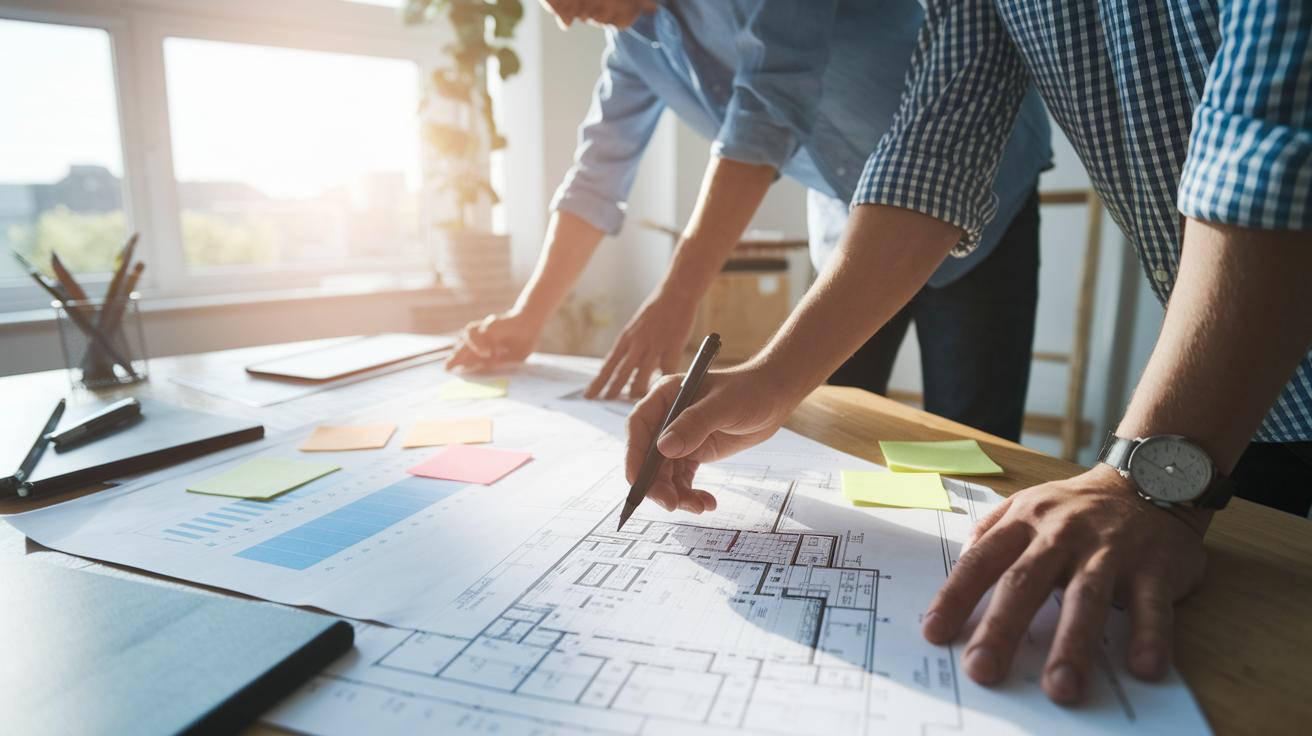
Pre-construction planning gets you set up for a smooth build. Before you break ground, lock in your overall strategy. First, check if the project makes sense by running market and feasibility studies. When you confirm the project is viable, craft a flexible plan that can handle any changes. Write a clear scope of work with defined tasks and deadlines. This approach shows your goals and breaks down the project into manageable parts, reducing any potential mix-ups on site.
- Do a feasibility study and inspect the site.
- Set clear project goals and outline the scope of work.
- Create a work breakdown structure (WBS) that lists each step.
- Estimate resources, materials, and costs.
- Secure approvals and permits from all stakeholders.
Following these steps gives your team a solid roadmap before starting work. Think of it like sketching a rough design before painting. Feasibility studies show the plan is worth pursuing, and clear objectives help everyone know their role. Breaking the work into smaller tasks makes it easier to track progress, while having all approvals in place means you’re ready to move confidently from planning to a successful build.
Scheduling Construction Work with Detailed Timelines
A detailed schedule keeps your build moving smoothly. It covers everything from pre-construction submittals to project closeout so every team member knows what needs doing and when. Breaking the project into small tasks clarifies responsibilities. This grouping lets you spot delays early and make quick adjustments when plans change.
Creating a Work Breakdown Structure
Break your work into clear, manageable pieces. A work breakdown structure (WBS) splits the build into phases, tasks, and sub-tasks. For example, you might separate a framing job into wall construction, roof assembly, and finishing touches. This method sets clear milestones, makes it easy to track progress, and shows exactly where each tool or piece of material goes on site.
Developing Gantt Charts and Timelines
Place your tasks on a timeline for a clear picture of the work ahead. Use Gantt charts to mark start and finish dates, show how tasks depend on each other, and reveal the critical path. A good approach is to use a spreadsheet with a project timeline excel template to track tasks automatically and simplify updates. Adjust the task order and switch tasks if delays pop up. Clear time frames help you know which tasks are flexible and which must stick to the schedule.
Using both a work breakdown structure and Gantt charts builds a strong and flexible schedule. This visual map supports smooth work from planning through to closeout, ensuring everything stays organized.
Resource and Cost Management in Construction Planning Work
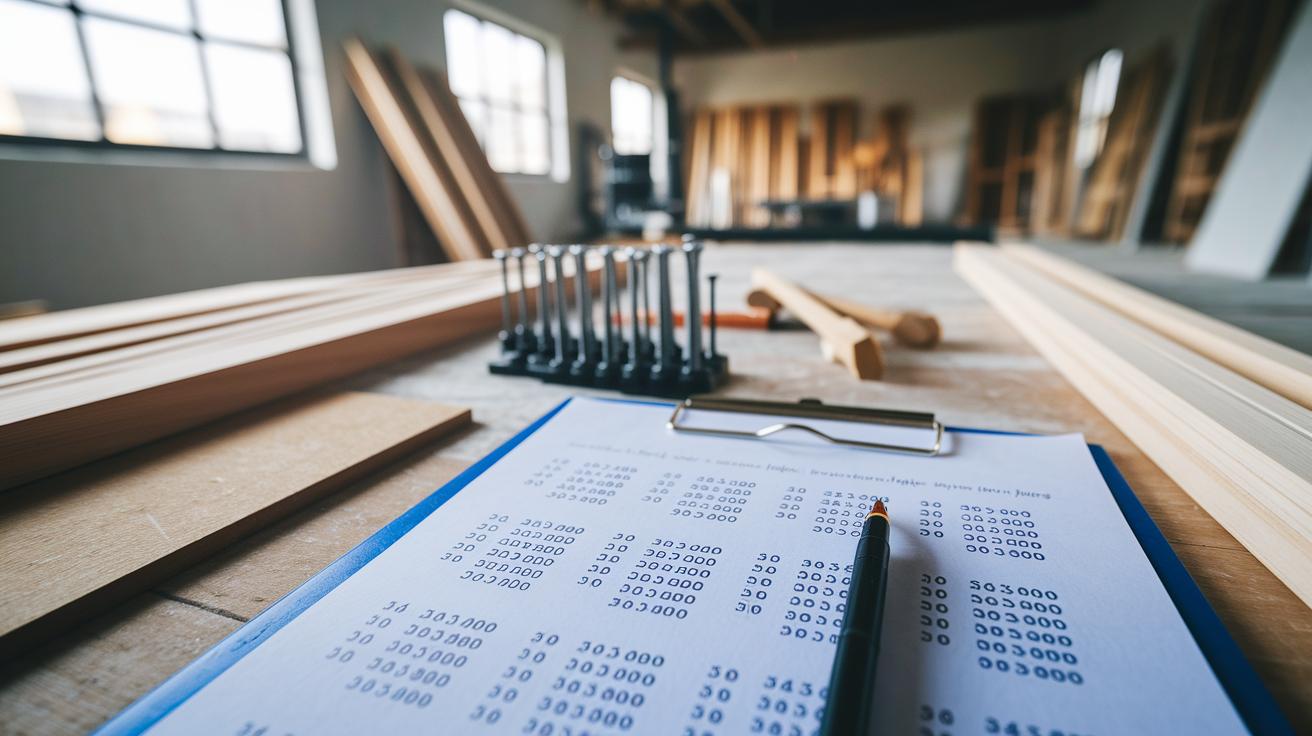
Start by setting up your budget and cost codes. This step gives you a clear spending plan for labor, materials, and equipment. For example, when planning a 2×4 (actual 1.5 in x 3.5 in / 38 mm x 89 mm) wall frame, assign codes for wood, nails, and labor so every cost is tracked.
Next, keep an eye on your spending versus your budget. Record each expense as it happens, daily or weekly, to catch any changes early. Quick tip: Write down even a small purchase like a bag of grout to keep spending on track.
Also, add a cushion to your budget for unexpected costs. Include a set percentage for surprises, like rising material prices or weather delays. For instance, adding a 10% extra for supplies means you're ready if prices go up, helping your project stay on track.
Managing Risk and Compliance in Planning Construction Work
Start by doing a simple check of the work site to spot hazards. Walk around and look for dangers like faulty equipment or risky electrical points. For example, check power outlets and any moving machines before work begins. This check works like a test run to show where you might need extra care. Quick tip: Write down each hazard you find and rank them by how serious they are to tackle the worst ones first.
Build safety into your project plan from the start. Clearly state the need for personal protective gear such as hard hats, gloves, and safety glasses. Explain steps to lessen common hazards, like using caution tape to outline high-risk zones. Mark these areas well and set up physical barriers to keep everyone safe. This clarity helps every team member follow the same safety rules.
Before you start digging or building, make sure you have all the needed permits and follow local building codes. Find out which permits you need and double-check that everything meets the rules. This step stops delays and fines that can come from missing paperwork. When you cover all legal and safety bases, your project can move forward smoothly and on schedule.
Leveraging Technology for Planning Construction Work

Digital tools make planning and doing construction work easier. With modern software, you can set timelines, prepare bid estimates, and neatly organize your documents. Many tools come with digital measuring features and pricing integration to help you quickly calculate material needs. For example, one tool might automatically work out material quantities, cutting hours of work down to minutes.
Assigning tasks and marking up plans helps connect field crews with office staff. With a checklist on your mobile device, you can mark each task complete on the spot. Real-time updates mean everyone gets the latest plan sets. For instance, if you can add notes directly on drawings, it’s clear who needs to make a fix, similar to jotting a reminder on a whiteboard.
Advanced takeoff and estimating features let you compare bid options fast. This minimizes mistakes and keeps your project on budget. Seamless data transfer between office and field shows any progress, budget changes, or new schedule details on all your devices instantly.
Mobile apps improve field communication, while budgeting tools and document systems control costs and keep everyone aligned. Digital measuring, shared task lists, and up-to-date information join forces to streamline construction planning and work.
| Tool | Purpose | Key Benefit |
|---|---|---|
| Scheduling Software | Maps tasks and dependencies | Visualizes the critical path |
| Estimating & Takeoff Tools | Automates quantity takeoffs | Reduces manual errors |
| Budgeting Platforms | Tracks costs vs. budget | Provides real-time financial updates |
| Document Management Systems | Shares plan sets and markups | Improves teamwork |
| Mobile Field Apps | Logs progress and issues | Keeps field data synced |
Best Practices for Execution of Planned Construction Work
Start by setting clear goals. Pick your crew early and decide on a budget before any work begins. When each team member knows their role and the spending limits, the project flows more smoothly.
Watch your progress using key performance indicators (KPIs, simple measures of progress) and specific milestones. Use a checklist to mark off each completed phase and make sure every step meets your plans.
- Track daily progress with measurable KPIs.
- Check tasks off your list as you finish them.
- Confirm that each milestone is reached before moving on.
Keep communication open with the entire team. Update your schedule whenever conditions on the site change. If a critical task is delayed, adjust the following tasks accordingly. Quick check-ins and clear updates help avoid surprises and keep the project on track.
Final Words
In the action, planning construction work sets the stage for a smooth project. We broke down steps from feasibility studies to detailed schedules, resource budgets, and risk assessments. Clear instructions, tech tools, and a well-documented scope are key to staying on budget and on time. Follow a step-by-step process and use a project timeline template to track progress. Every well-planned project shows that solid preparation leads to steady execution. Keep your focus, and your project will finish strong.
FAQ
What is planning in a construction project?
Planning in a construction project means setting clear objectives, scope, budgets, and schedules. It outlines each task to keep projects safe, on budget, and completed on time.
What are the construction project planning steps, stages, or examples?
Construction project planning includes steps like feasibility studies, defining scope, work breakdown structure creation, resource estimation, scheduling, and permit approvals to ensure clear, manageable tasks.
What are some examples of planning construction work templates or PDFs available?
Examples include planning templates and PDFs that outline project plans, schedules, and work breakdowns. These tools help organize tasks, set timelines, and manage budgets effectively on the job.
What are the 7 steps of project planning or the 7 stages of construction?
The seven steps typically cover concept development, feasibility, scope and objective definition, work breakdown, budgeting, scheduling, risk assessment, and final approvals, ensuring thorough project organization.
What construction planning work jobs are available?
Roles in construction planning include project managers, estimators, schedulers, and site planners. These positions focus on budgeting, scheduling, permitting, and coordinating tasks to keep projects running smoothly.
Is a CM degree worth it in construction?
A CM degree provides valuable project management skills and advanced techniques, enhancing career prospects. It prepares you for oversight roles and strategic planning tasks in the construction industry.