

Ever wonder if your roof can look great and stand up to harsh weather? Architectural shingles are a solid choice. They feature a layered design that looks like brick and mimic the style of slate or wood shakes. Plus, they protect against strong winds, heavy rain, and hail. With a lifespan of 30 to 50 years, these shingles boost your home's curb appeal while providing a tough shield against the elements. For a roof that blends beauty and strength, this upgrade is a smart option.
Key Benefits of Architectural Shingles in Residential Roofing
Architectural shingles give your roof a strong and attractive update. They mimic the look of real slate or wood shakes by using layers of asphalt, fiberglass (a material made of tiny glass fibers for strength), and granules. This design helps your roof last between 30 and 50 years.
Each layer adds both texture and extra strength. Think of it like stacking bricks, every new layer builds on the previous one, making the roof even more protective.
One major benefit is the excellent weather resistance. The multi-layer design helps keep wind from lifting the shingles and stops moisture from seeping in. This protects your home during heavy rain, strong winds, and even hail. If you live in an area with severe weather, this gives you peace of mind.
Another plus is that some options offer impact-resistance and solar reflection. This means your roof can lower indoor temperatures on hot days and stand up to damage from flying debris during storms.
Finally, architectural shingles boost your home's curb appeal. They add a stylish touch while also helping increase your home's resale value. More homeowners are choosing these shingles because they combine durability and modern looks in a way that traditional 3-tab designs simply can’t match.
Architectural Shingle Roofing vs. Traditional 3-Tab Shingles
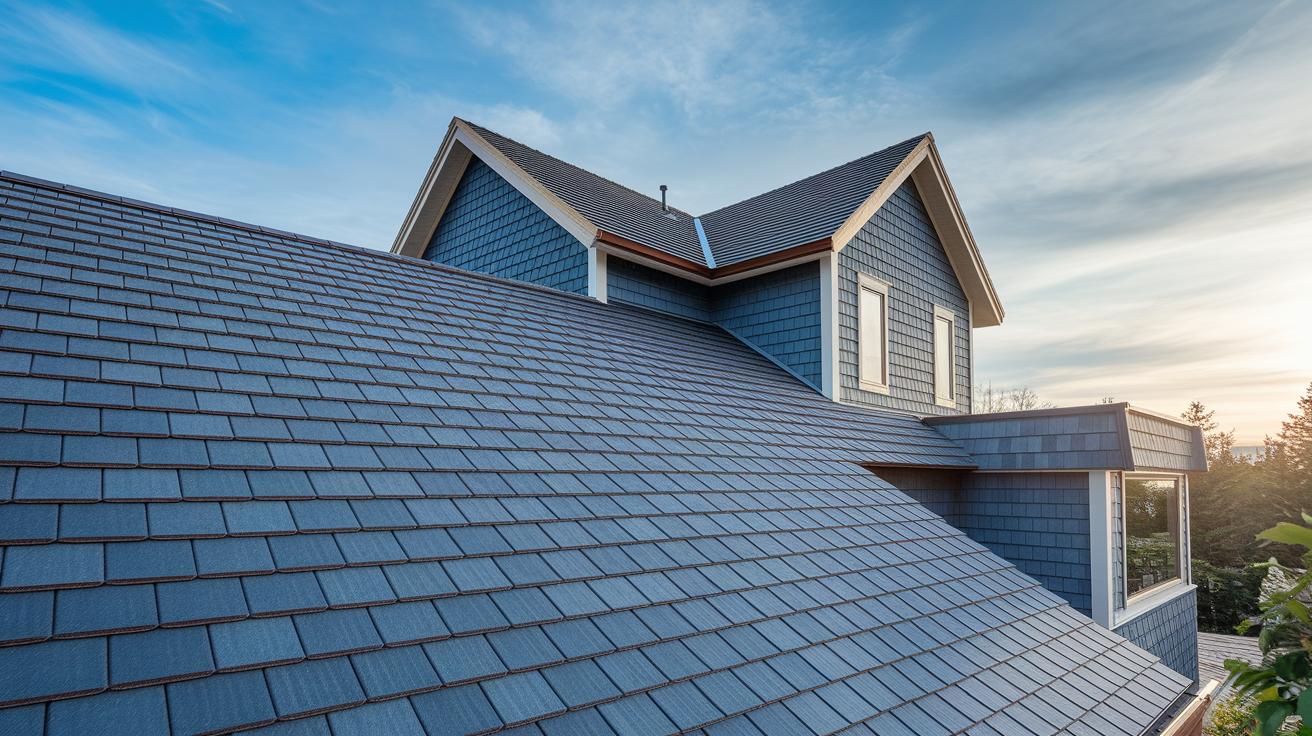
Architectural shingles are built with several layers, giving them a thicker and more textured look than the flat design of 3-tab shingles. This multi-layer build not only looks better but also makes your roof tougher. Think of it like stacking strong boards to build a solid fence, each board adds strength to the next.
Architectural shingles can last around 20–25 years, and some may even go up to 50 years with proper care. On the other hand, 3-tab shingles usually last about 10–20 years. This difference is important when storms hit; roofs with architectural shingles handle high winds, hail, and sudden temperature changes much better. For instance, during a heavy storm, your roof is less likely to suffer damage that could mean expensive repairs.
While architectural shingles cost more upfront, they save you money over time by cutting down on maintenance and repair work. Quick tip: compare the initial cost to the long-term benefits. For homeowners and contractors looking for a smart roof upgrade, architectural shingles offer the strength and value that traditional 3-tab shingles just cannot match.
Architectural Shingle Installation Guide: Step-by-Step Process
- First, remove your old roofing by tearing it off and check the deck (the flat base of your roof). Look for any rotten or damaged spots and fix them before you move on.
- Next, lay the underlayment over the whole deck. This barrier (often a synthetic felt) helps keep water out. Make sure you overlap the seams.
- Then, install a starter strip along the eaves. This strip sets the row of shingles and helps keep wind from lifting them. Lay it evenly along the edge, like setting a border for a puzzle.
- Now, nail on the shingles. Start at the bottom and work your way up in straight rows. Use a chalk line for a clear guide and nail each shingle securely.
- After that, add flashing at roof joints and vulnerable spots like around chimneys, vents, and valleys. Check the guide on roof flashing installation for the correct weatherproofing method.
- Next, install the ridge cap at the top. Fit these shingles tightly together to help protect the peak from wind.
- Finally, clean up thoroughly. Remove debris and inspect the roof to make sure everything is secure and lined up correctly.
Safety is key at every step. Wear eye protection and gloves, and use a sturdy ladder or scaffold. Always check that your work meets local permit requirements and building codes. A quick test, like aligning one shingle to check its fit, can save you time later. By placing each shingle carefully, your roof will not only look great but also stand up to tough weather over time.
Cost Considerceptions and Budgeting for Architectural Shingle Roofing

When planning a roofing project, knowing each cost is key. Multi-layer architectural shingles cost a bit more than standard 3-tab options because they offer extra durability and longer warranties, often over 25 years. You can work out the price per square foot, but keep in mind that the cost can differ based on roof pitch, local supply, and labor rates.
Start by measuring your roof’s area to get an accurate estimate. For example, if your roof covers 1,500 ft² (139 m²) and the shingles cost about $5 per ft², your materials will cost around $7,500. Labor might run between $2 and $5 per ft². If you’re paying around $4 per ft² for labor, expect to spend about $6,000. You can compare these numbers with trusted sources like the average cost for roof installation.
| Cost Component | Estimated Cost |
|---|---|
| Material (per ft²) | $5 |
| Labor (per ft²) | $4 |
| Total per ft² | $9 |
A strong warranty on architectural shingles can help lower future repair or replacement costs. This makes planning for your roof a long-term investment. Plus, because these shingles usually need fewer repairs compared with 3-tab shingles, you could save on maintenance over time. Doing this detailed price analysis now can boost your return on investment later.
Break down each cost early in your plan. That means looking at materials, labor, and warranty details so you can set a budget that works for you.
Choosing Color, Texture, and Design Options for Architectural Shingle Roofing
Architectural shingle roofing gives you many choices to match your home’s look and the local climate. You can pick colors from warm earthy tones to cool slate shades. For example, imagine a deep charcoal shingle with hints of blue that updates a classic design.
Shingles come in different finishes, from wood-shake styles that look like real wood to smooth slate styles. Many brands even offer matching hip, ridge, and accessory shingles so every part of your roof works together. Try pairing a mid-tone shingle with darker edge trims to create a border that highlights the roof’s slope and adds extra texture.
Some shingles have special granules that boost performance, like reflecting sunlight to lower heat and resisting impacts. Quick tip: choose shingles with granules that cut down heat buildup on hot days.
You can also create a custom design using color charts from manufacturers. Here’s a checklist to find your perfect style:
- Look at your home’s overall color scheme.
- Review style guides for textures like wood-shake or slate.
- Check performance features, such as solar reflectivity.
These design choices not only upgrade your roof’s looks but also add long-lasting protection and performance.
Performance and Durability Assessment for Architectural Shingle Roofing

Architectural shingles are built with a high-performance asphalt system that helps keep your roof safe from harsh weather. Their design uses several layers to protect against strong winds, heavy rain, hail, and large temperature swings. Think of it like building a wall in layers; every layer adds extra protection and improves heat resistance.
Tests by industry experts show these shingles pass strict durability checks. For example, they earn a Class 4 impact rating. This means the shingles can take a heavy hit, similar to a baseball strike, without cracking, which is very important during hailstorms. Many of these shingles also have cool-roof ratings. This means they reflect more sunlight, helping to lower your home’s indoor temperature on hot days and reduce energy costs.
Good attic ventilation works with these shingles to keep your roof in top shape. Proper airflow helps maintain the structure and can extend your roof’s life beyond 50 years when you do regular inspections. Here is a short checklist to take care of your roof:
- Check for loose or missing granules.
- Inspect for proper alignment and secure attachment.
- Look for any signs of moisture after heavy storms.
These energy-efficient roof options not only stand up to severe weather but also help lower your energy bills over the long term. With solid testing and proven performance, architectural shingle roofing is a durable upgrade that withstands the elements while boosting your home’s value and efficiency.
Manufacturer Comparison and Warranty Insights for Architectural Shingle Roofing
When choosing roofing material, it’s important to compare manufacturers. Trusted names like GAF, Owens Corning, CertainTeed, Atlas, and IKO offer a variety of architectural shingles with warranties that range from a 25-year limited plan to lifetime coverage. Many of these warranties transfer to new homeowners. For example, one manufacturer supports its impact-resistant shingles with a strong warranty to give you confidence in long-term performance.
Review each product line carefully. Some brands offer shingles for low-slope roofs, self-adhering options, or high-impact resistance. This helps you choose a product that fits your roof’s needs. If you live where severe weather is common, impact-resistant shingles can better handle hail and strong winds.
Don’t forget to check for certification. Look for contractor certifications and products recommended by builders. A certified contractor will install your roof correctly and keep your warranty valid. This is especially important with newer, advanced shingles. Choose a contractor with solid experience to protect your investment every step of the way.
Maintenance and Troubleshooting Tips for Architectural Shingle Roofing

Check your roof at least once a year to catch any damage early. Look for raised shingle edges, missing granules, and broken flashing seals (the metal pieces that block water around vents and chimneys). Noticing even one misaligned shingle means it's time to take a closer look.
Here are some simple steps:
- After a heavy storm, inspect the shingles to see if wind has lifted any of them.
- Examine the shingles up close to spot missing granules.
- Verify the flashing around chimneys, vents, and other roof features is secure.
Keep an eye on your gutters too. Clear them of leaves and debris to prevent extra weight on the roof. Also, ensure your attic has enough ventilation. Extra weight from debris or ice can stress the roof structure.
If you find damage from hail or strong winds, fix it right away so water doesn’t sneak in. You might need to reattach loose shingles or swap out damaged ones. Many architectural shingles even offer class A fire resistance, which adds to your home’s safety.
Finally, have a professional inspect your roof every 3–5 years to pick up any issues that you might miss during your routine checks.
Final Words
In the action, we explored the perks and practical steps for upgrading your home with architectural shingle roofing. We covered everything from enhanced durability and design variety to safe, step-by-step installation techniques and realistic budgeting. You now have a clear roadmap for selecting quality materials, comparing warranties, and maintaining your roof over time. Each section offered hands-on tips to help you manage costs, prevent issues, and add lasting curb appeal. Keep moving forward, your home deserves a robust, stylish roof.
FAQ
Q: What is the difference between architectural shingles and regular 3-tab or asphalt shingles?
A: Architectural shingles feature multiple laminated layers for improved durability and aesthetics, lasting longer and offering enhanced weather resistance compared to the thinner, single-layer 3-tab or basic asphalt shingles.
Q: How much do architectural shingle roofing systems cost?
A: Architectural shingles cost more per square foot than 3-tab shingles, with 50-year options priced higher. The long lifespan and lower maintenance expenses help offset the initial higher investment.
Q: What design and color options are available for architectural shingles?
A: Architectural shingles come in a range of colors and textures that mimic natural materials like slate or wood shakes. Top brands such as GAF and CertainTeed offer designer profiles to match various home styles.
Q: What is the life expectancy of architectural roof shingles?
A: Architectural roof shingles typically last between 30 and 50 years. Their multi-layer construction provides long-term protection against weather, reducing the need for frequent replacement.
Q: What are the disadvantages of architectural shingles?
A: Architectural shingles come with a higher upfront cost and added weight. They may also require professional installation and careful handling during replacement to maintain their performance.
Q: What type of shingles are used in architectural roofing?
A: Architectural roofing utilizes laminated asphalt shingles. These are constructed with multiple layers of materials to boost durability, improve weather resistance, and create a more dimensional look.
Q: Where can I find architectural shingle roofing services near me?
A: You can find architectural shingle installation by checking local roofing contractors, reading reviews, and visiting home improvement centers that list qualified local service providers.