

Ever worry you might be paying too much? Framing a wall is like solving a puzzle where every square foot counts. Prices for framing can range from $7 to $16 per square foot. In this guide, we explain the costs of materials and labor in plain language. You’ll learn smart ways to manage your budget and keep your project on track.
Framing a Wall: Material & Labor Cost Overview
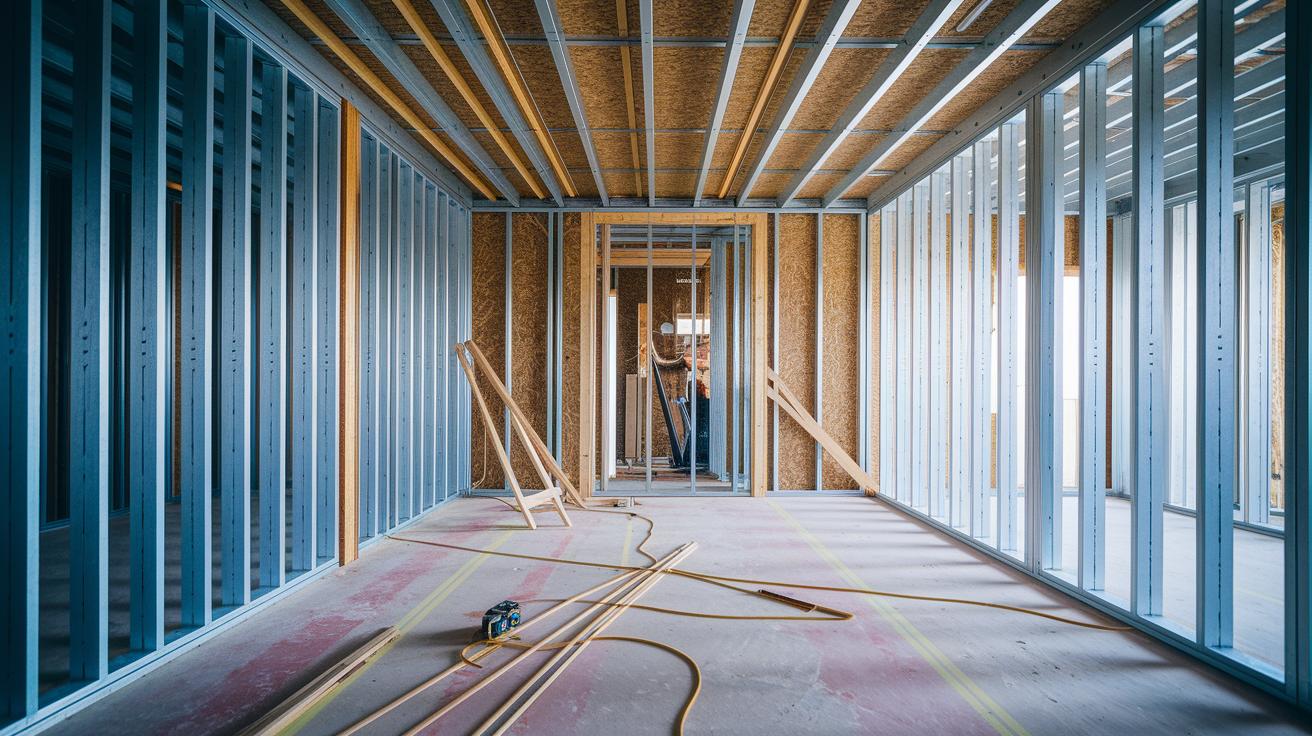
When planning your framing project, budget by square foot. Typically, wall framing costs between $7 and $16 per square foot. This price splits into two parts: materials often run between $3 and $6 per square foot, and labor is around $4 to $10 per square foot. For instance, a 100-square-foot wall may cost about $700 to $1,600 in total.
Interior walls that don’t bear a load usually cost on the lower end, roughly $7 to $13 per square foot. If you’re building a load-bearing wall (one that supports weight from above), expect to pay an extra $2 to $5 per square foot. Builders often pick non-load-bearing walls because they need fewer special materials and less labor.
Keep in mind that these numbers are only a starting point. Local labor rates, crew skill, and the project’s size can affect costs. Also, material prices can change over time. Knowing the cost breakdown for each square foot helps you manage your framing budget right from the beginning.
Cost of framing a wall: Brilliant Budget Boost!
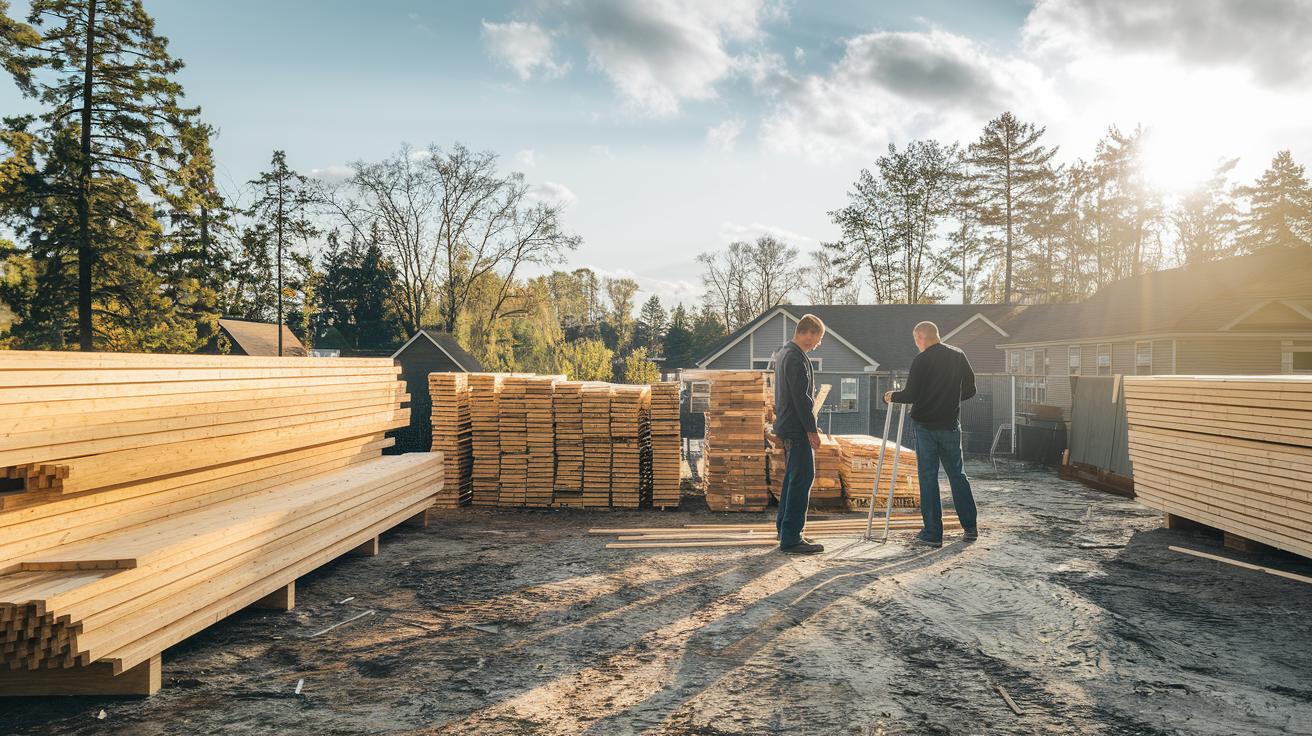
Building a wall means keeping an eye on your framing material costs. For a typical 2,000 sq ft (186 m²) home, you’ll need about 16,000 board feet of lumber and 6,000 sq ft (557 m²) of structural panels. Lumber prices have dropped a lot, from roughly $1,400 per 1,000 board feet in mid-2021 to about $370 per 1,000 board feet by the end of 2023. That drop really helps bring down your overall project costs.
When picking your materials, compare both the price and the performance of each option. For example, OSB sheathing (oriented strand board used for walls and roofs) runs between $2 and $8 per sq ft (about $0.02–$0.09 per sq in), though most local areas see prices closer to $2–$5 per sq ft (approx. $0.02–$0.05 per sq in). House wrap like Tyvek usually costs around $0.50 to $1 per sq ft, which helps seal your walls against weather. And if you’re looking for a modern alternative, steel framing averages between $9.50 and $11 per sq ft. Not only does it install quickly, but it also offers a strong, lasting finish.
| Material type | Unit cost range | Typical application |
|---|---|---|
| Lumber | $370 per 1,000 board feet | Primary wall stud framing |
| OSB sheathing | $2–$8 per sq ft | Wall and roof panels |
| House wrap | $0.50–$1 per sq ft | Weather barrier installation |
| Steel studs | $9.50–$11 per sq ft | Durable alternative for framing |
Switching to steel studs in one project helped cut both labor and material waste by nearly 25%.
Labor Costs and Contractor Rates for Wall Framing
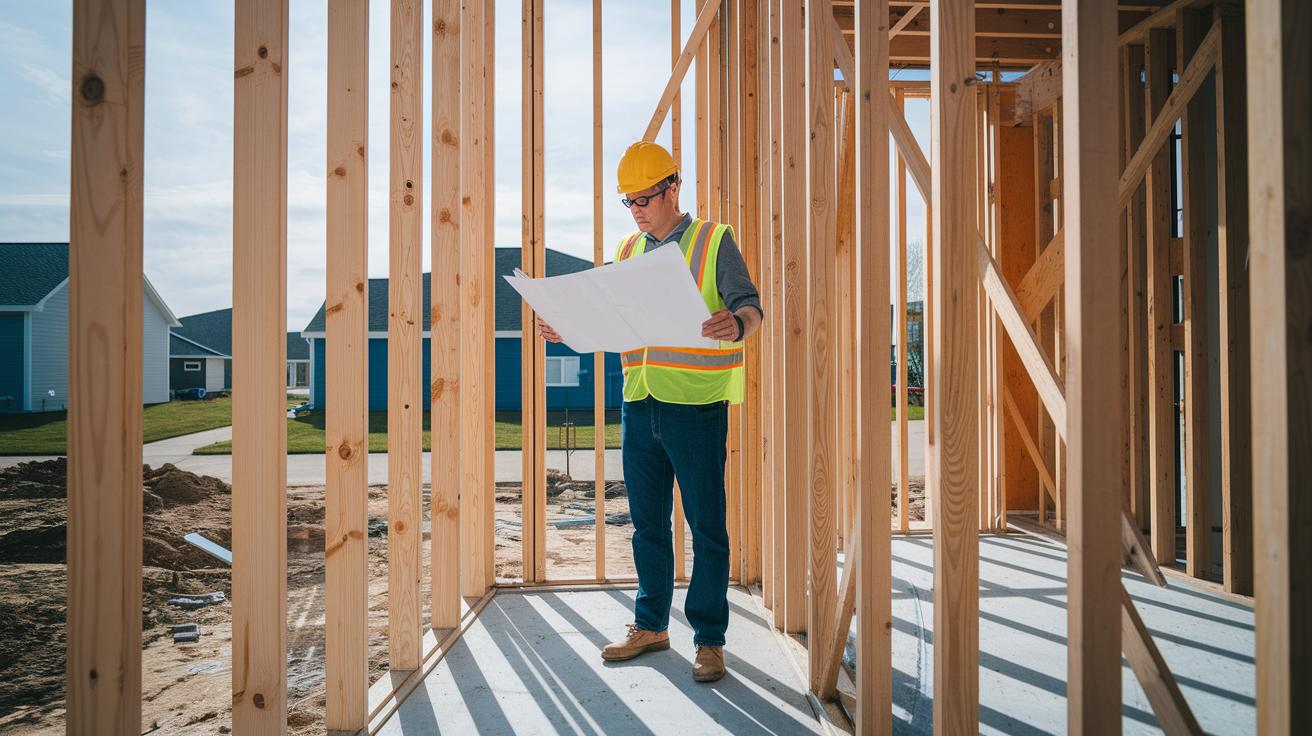
Contractor labor is one of the biggest parts of your wall framing budget. On a national level, carpenters usually charge between $4 and $10 per square foot (about 0.09 m² to 0.93 m²). This fee covers measuring, cutting, installing, and finishing your wall framing. In busy suburbs or when deadlines are tight, these numbers can really shape your project plan.
In Utah, you might pay a bit more, about $4 to $13 per square foot. These higher costs often come from local market conditions and the number of skilled workers available. For jobs that include renovating or demo work, expect prices to jump to $4–$15 per square foot. This increase is due to the extra work involved in safely taking apart old structures while keeping the remaining parts intact.
Building a two-story wall or adding a partition usually adds around $3 per square foot. This extra charge covers the safety measures, special tools, and additional time needed for work at heights.
| Region/Project type | Labor cost range (per sq ft) |
|---|---|
| National | $4–$10 |
| Utah | $4–$13 |
| Renovation/Demo | $4–$15 |
Factors affecting the cost of framing walls
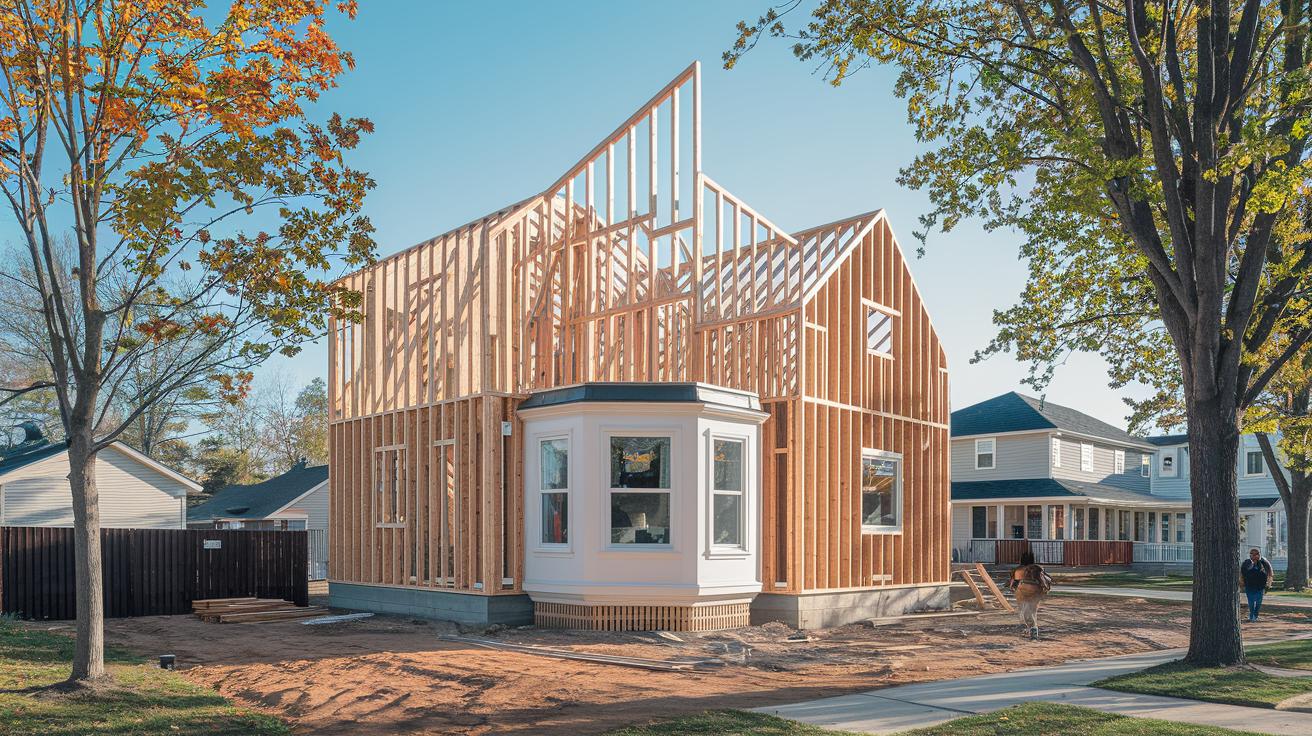
Design choices can boost your framing costs. Extra features like bay windows, bump-outs, or unusual shapes can raise your budget by about 20% to 30%. For instance, if a plain wall runs about $10 per square foot, a wall with unique details might cost around $12 to $13 per square foot.
Renovations and home additions also change the equation. When working near existing structures, you might face surprises that need extra work. Such challenges often add an extra $1,000 to $5,000 to your bill or hike the cost per square foot by 10% to 20%.
The type of home makes a difference too. Single-story homes are usually cheaper to frame. Adding a second story can add roughly $3 per square foot. Plus, regional market conditions and material availability can swing prices anywhere from $3 to $30 per square foot.
Time factors play a role as well. Weather delays, smaller crew sizes, and delivery setbacks can all bump up labor charges. Knowing these factors helps you plan your project budget and schedule with confidence.
Using Digital Tools to Estimate Wall Framing Costs

Homeowners now use free online calculators to quickly get custom estimates for wall framing. You simply enter your wall size, choose your material options, and add current labor costs. The calculator then shows you a cost breakdown in dollars per square foot and per linear foot. For example, a DIY wall framing calculator might ask for your wall's length and height and then let you pick between lumber or steel studs (metal framing used for extra strength) to compare options.
Many of these tools also include local labor rates and project details so you can see how your costs change with market conditions. This helps you tell if a simple non-load-bearing wall costs much less than a load-bearing wall that needs extra support. Using these digital tools makes planning easier and lets you compare different project scenarios. That way, you can make smart decisions before hiring a contractor.
Tips for Budgeting and Contractor Quotes for Wall Framing
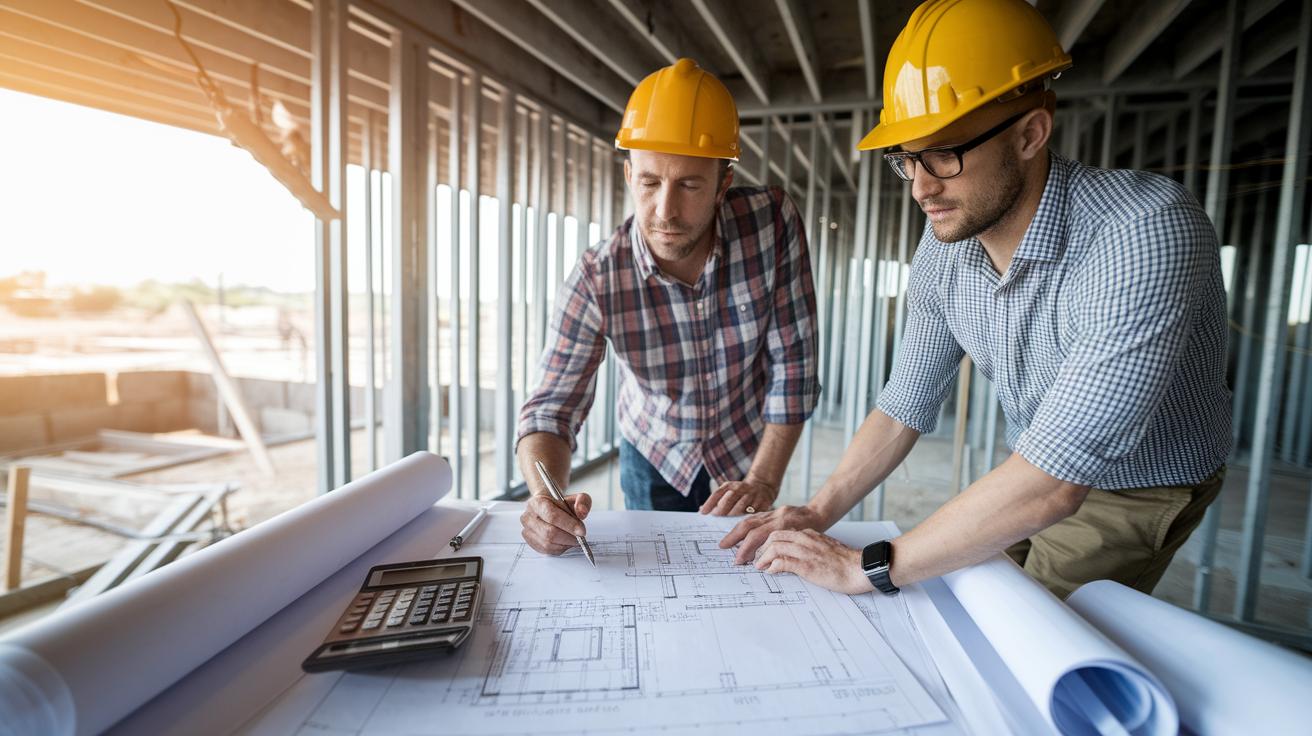
Start by setting aside an extra 15% of your overall budget as a safety net. For example, if your materials and labor come to $20,000, plan for an extra $3,000 to cover any surprises along the way.
Request 3 to 5 bids from licensed and insured framing contractors. This lets you compare prices and ensures you’re working with professionals who follow local building codes and safety rules. Quick tip: ask for itemized bids so you can see how much goes to labor, materials, and extras.
Consider buying lumber and prefabricated parts in bulk. Purchasing larger quantities might cut your costs by 20% to 30%. For instance, ordering 16,000 board feet (about 37.8 m³) of lumber in one go can lower the price per unit.
Stick to your final plans. Changing plans midway can drive up costs and cause delays. Check out guides like the "how to frame a wall step by step" available at https://neull.com?p=206 for a clear project scope before you get quotes. Following these steps helps you secure competitive pricing and keep your wall framing project on budget.
Final Words
In the action, we broke down the wall framing process, from understanding material and labor costs to exploring online calculators that simplify your planning. We reviewed insider tips for managing budgets and getting solid contractor quotes. Keeping safety and precision in mind, you now know the real cost of framing a wall and how each detail can affect your final budget. Implement these insights and step confidently into your next project, ensuring every nail and board contributes to a sturdy, cost-effective build.