

Worried you might be overpaying for a new roof? This guide explains the national averages, cost per square foot, and price details for various roof types. We cover options from asphalt shingles (the most common roofing material) to flat roofs. We break down both material and labor costs so you know exactly what to expect. Follow these steps to spot real savings and keep more money in your budget.
National Averages and Cost Per Square Foot for Roof Installation
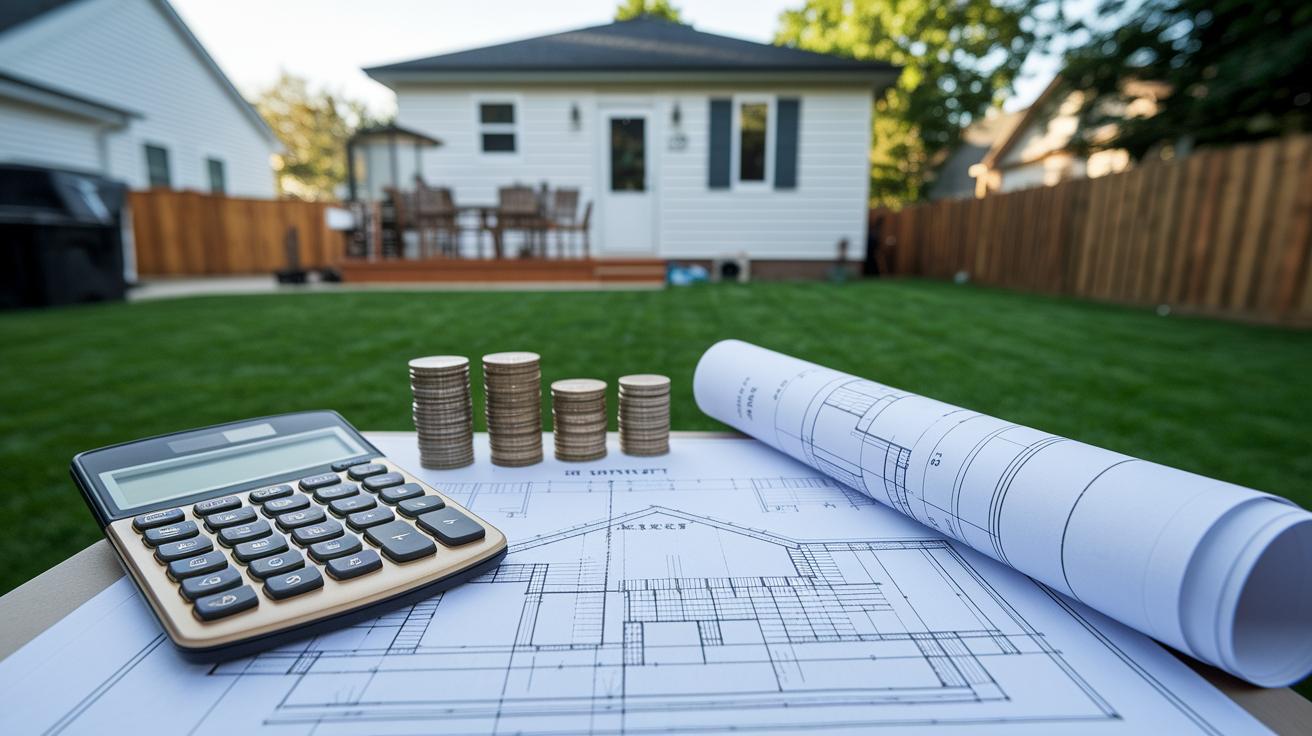
The national cost for a new roof usually falls between $5,000 and $15,000, with many jobs landing near $9,000. This total covers both labor and materials. Think of it like measuring every board when you build a deck; careful planning helps avoid surprises. For example, a typical 2,000 sq ft (186 m²) roof will cost between $7,000 and $40,000, with an average around $11,500. Flat roofs tend to start at about $6,500, though your final bill will depend on materials and project details.
Labor makes up a big part of your expense. You might pay $2 to $7 per square foot (approximately $22 to $75 per m²) or a flat rate of $40 to $60 per hour. These fees can change with how complex the project is, local rates, and whether you’re laying a new roof over the old one or doing a complete tear-off. It’s smart to get a detailed estimate that breaks down each cost so you can budget wisely.
| Scope | Average Cost Range | Cost per Square Foot |
|---|---|---|
| National Average | $5,000–$15,000 | $2.50–$7.50 |
| 2,000 sq ft Roof | $7,000–$40,000 | $3.50–$20.00 |
| Flat Roof Installation | $6,500 (avg) | $4.00–$8.00 |
These guidelines help you compare different roof projects and make informed choices when setting your budget and picking a contractor.
Average Cost for Roof Installation by Material Type
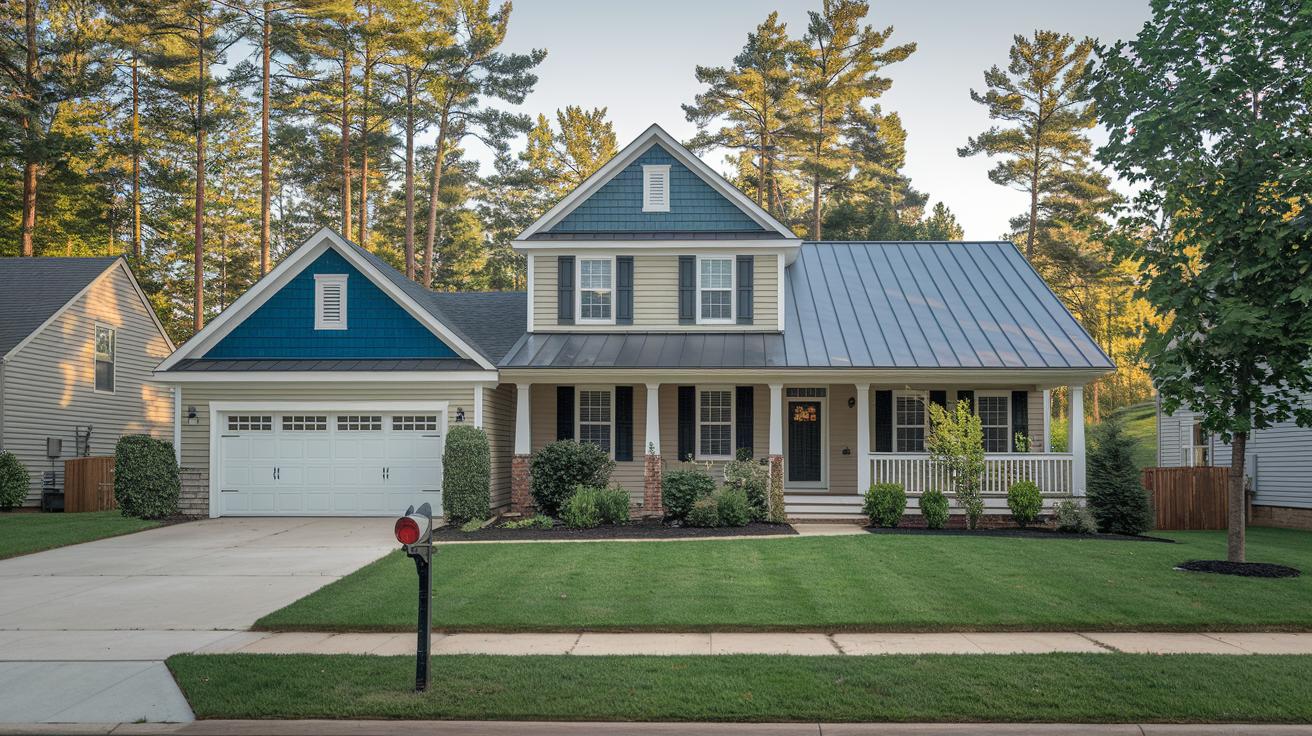
Asphalt shingles are a popular choice for many homeowners because they are affordable and easy to install. A typical home roof replacement with asphalt shingles costs about $11,000 and protects your home for roughly 20 years. Quick tip: a standard asphalt shingle roof can be finished in a few days, making it ideal for tight schedules.
Metal roofs cost more upfront, with prices ranging from about $13,000 to $67,000 and most jobs averaging around $40,000. Although the initial expense is higher, metal roofs can last up to 50 years. Think of it like putting money in a savings account, more to pay now, but you save on repair and replacement costs later.
Flat roofs usually come in at around $6,500, although the final cost depends on the type of roofing membrane and insulation you choose. This breakdown helps you compare immediate expenses with long-term benefits for your roof project.
Labor Charge Estimation for Roof Installation
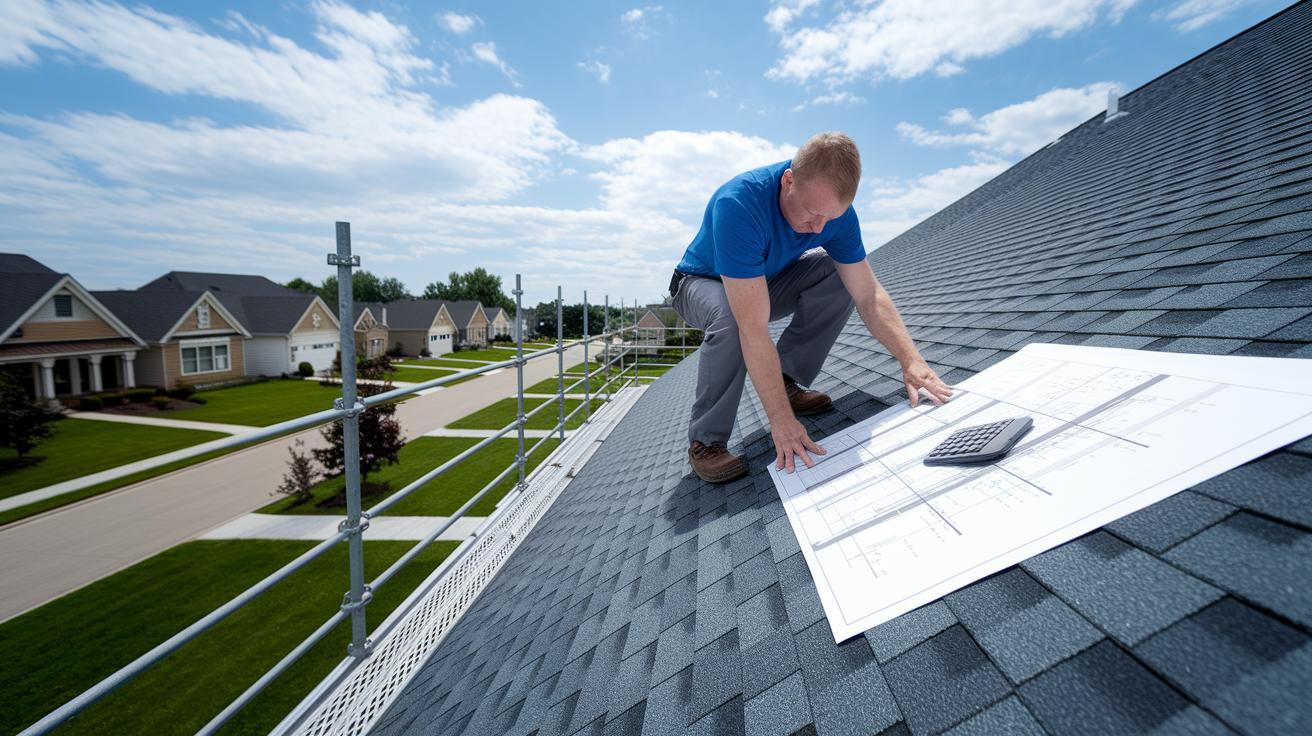
Roof installation labor can make up 40% to 60% of your total roofing cost. Roofers typically charge about $2 to $7 per square foot, or $40 to $60 per hour. For simple asphalt shingle roofs, expect to pay roughly $1.50 to $3.00 per square foot. If your roof has steep slopes, dormers, or skylights, those costs will likely be higher.
Every roof project is different. Many factors affect labor costs. Consider these key points when planning your budget:
- Roof complexity and pitch – More angles and steep slopes mean more careful work.
- Tear-off versus overlay – Removing an old roof takes extra time and effort.
- Number of stories and accessibility – Roofs on higher stories or hard-to-reach spots require extra care.
- Regional labor market rates – Local economic conditions and contractor demand can drive pricing.
- Weather-related safety needs – Extra safety measures during bad weather can increase labor fees.
- Specialty work (such as ventilation or flashing around chimneys) – Unique features call for extra skill.
Understanding these factors can help you budget accurately. If your roof design is complex, plan for a higher labor rate per square foot. Always get detailed quotes from several contractors to ensure you pay a fair price for the work.
Navigating Additional Fees in Average Roof Installation Costs
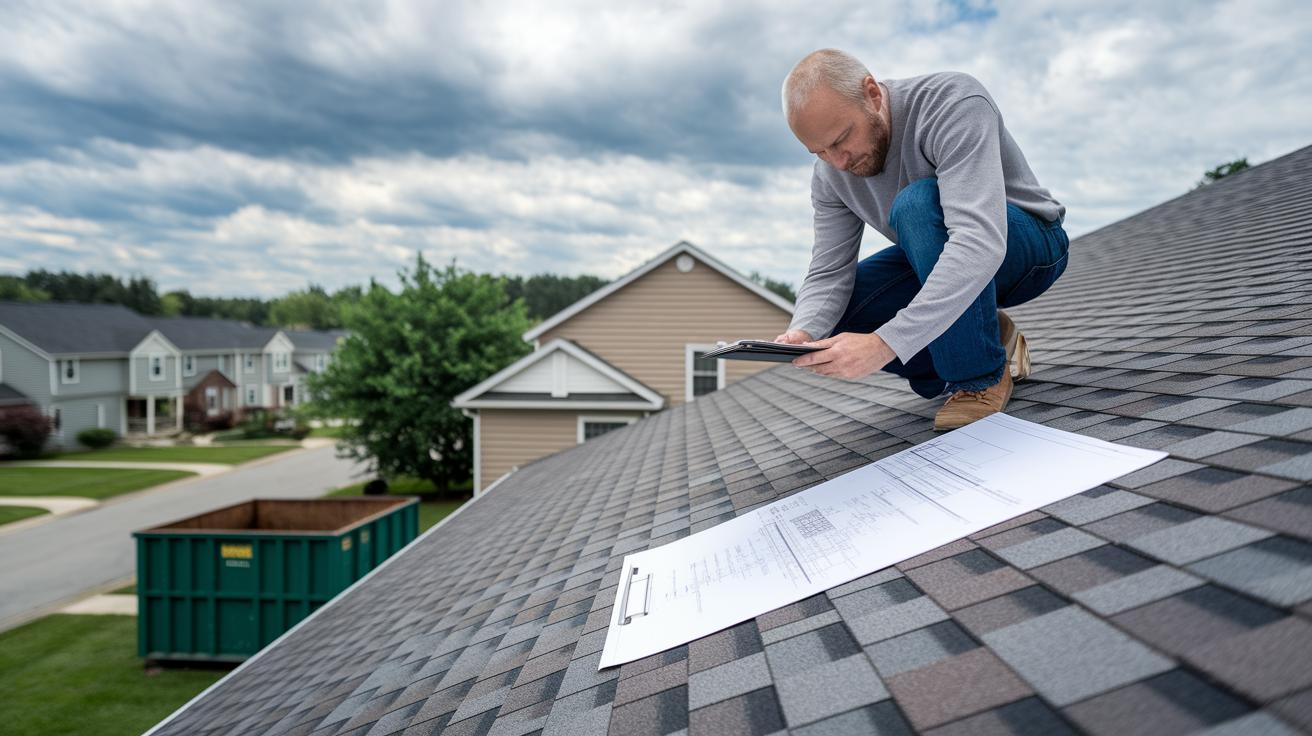
Keep in mind that your roof installation budget goes beyond just materials and labor. Hidden fees can add up if you're not careful.
Removing an old roof usually costs about $1 to $5 per sq ft (about 0.093 m² per sq ft). For a 2,000 sq ft (approximately 186 m²) roof, that means you could pay between $2,000 and $10,000 just for tear-off removal.
You'll also likely need dumpster rental and waste disposal services. These extra fees generally run from $200 to $700, ensuring the debris is safely cleared away.
Permit fees can vary a lot depending on local rules. In some areas, you might pay anywhere from $200 to $2,000. Regions with strict building codes may charge more, which could boost your overall cost.
Finally, any special features like skylights, chimneys, solar panels, or custom venting might add extra charges.
| Expense | Cost Range |
|---|---|
| Tear-off removal | $1–$5 per sq ft |
| Dumpster rental & waste disposal | $200–$700 |
| Permit fees | $200–$2,000 |
Planning for these fees upfront helps you steer clear of budget surprises during your roof installation.
average cost for roof installation: Brilliant Savings Ahead
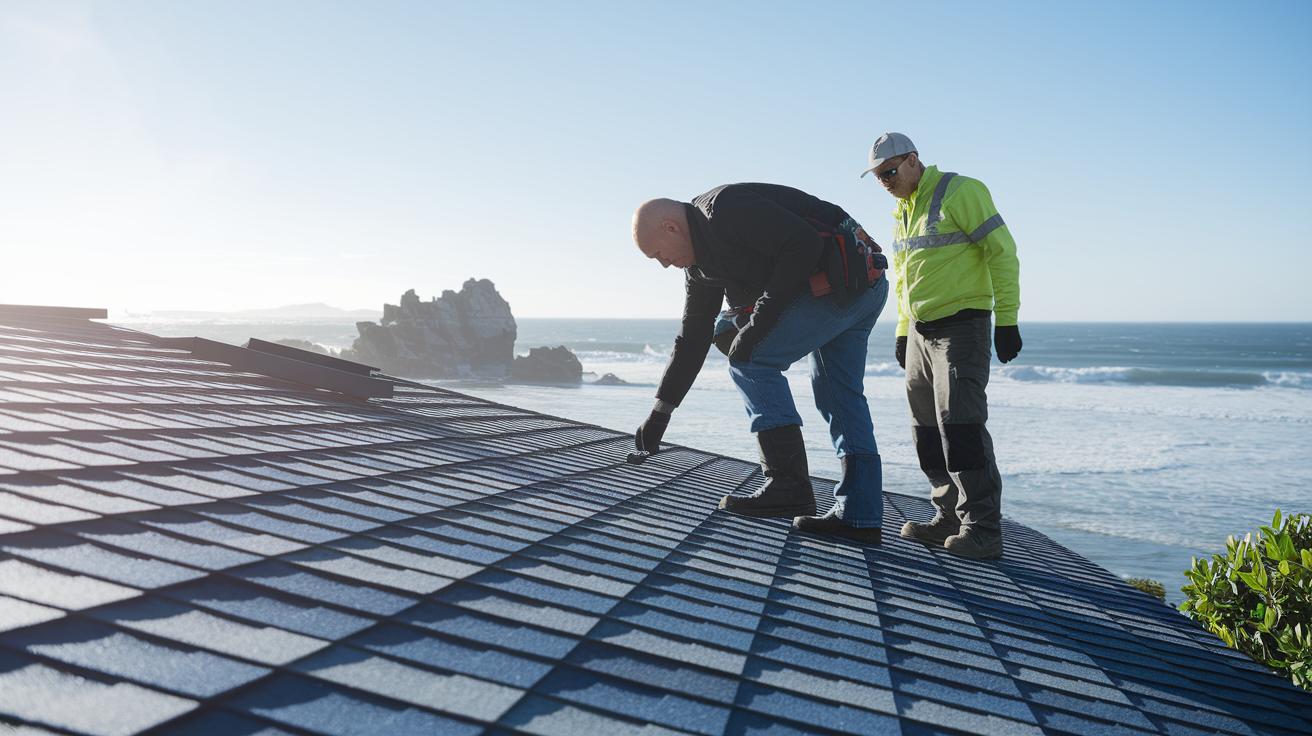
Roof installation prices depend a lot on where you live. In coastal areas and high-cost markets like California and the Northeast, you can expect prices to be 10% to 20% higher than the national average because of higher labor and permit fees. Did you know that homes in these regions often need extra safety measures due to strict regulations? This adds to the overall cost.
Meanwhile, projects in the South and Midwest usually come in about 10% below the national average. Lower labor and material costs in these regions make roofing projects more budget-friendly. Weather also plays a big role. Areas with heavy snow, strong winds, or hail require sturdier materials and extra fastenings. For instance, northern climates may need additional reinforcements to keep roofs safe and durable, which drives costs up.
Urban installations can have extra charges too. Challenges like limited access and staging fees (temporary setup for safe work conditions) can increase costs when compared to rural areas. Because of these local differences, a simple roofing job in one region might cost much less than the same job in another. Always get quotes tailored to your location.
Leveraging Roof Installation Cost Calculators for Accurate Estimates

Online calculators help you get a rough idea of your roof installation cost before you call a contractor. They ask for details like your roof’s size (in square feet), the type of material you plan to use, local labor rates, and extra fees for permits and waste disposal. For example, you may need to input your roof pitch (the angle of the roof) and how much old roof material must be removed. These details can really change the final cost.
A professional inspection gives you more accurate numbers by looking at local labor rates, the roof’s angle, and the true tear-off needs. Once you have that detailed estimate, compare it with the online calculator’s result. A good tip is to get quotes from 2–4 contractors. This helps you see how prices shift when factors like extra stories or complex designs come into play.
Remember, the calculator works only with the details you enter. If your roof has extra slopes or dormers, be sure to include them. Even small changes can add about $2 per square foot (roughly $21.50 per square meter) in labor costs.
Budgeting and Contractor Selection for Your Roof Installation

When planning your roof installation, add an extra 10% to 20% to your budget. This extra money covers surprises like unexpected repairs or weather delays. For example, if you plan to spend $10,000, set aside an extra $1,000 to $2,000, just like keeping a few spare nails in your toolbox.
Next, get 2 to 4 quotes from licensed and insured contractors. Comparing several estimates shows you the typical market price and helps you avoid overpaying. Write down key details like labor costs, warranty terms, and material specifications. If you see a big price difference between quotes, ask for a detailed cost breakdown to understand what is driving the price.
Make sure to review warranties on both labor and materials. Extended warranties can save you money in the long run by reducing future repair costs. Always check whether the warranty includes coverage for early wear or installation mistakes.
Also, consider energy-efficient upgrades, like cool roofs (roofs designed to reflect more sunlight and reduce heat absorption) or extra insulation. These improvements might qualify for rebates and lower your roof’s long-term costs.
- Get 2–4 detailed quotes
- Confirm that each contractor is licensed and insured
- Compare warranty details for labor and materials
- Include energy-saving options in your plan
Following these steps ensures you build a realistic budget and choose a contractor who offers quality work at a clear and fair price.
Final Words
In the action, we broke down national averages, material choices, labor charges, additional fees, regional differences, and budgeting tips. We provided benchmarks and a clear table to help gauge the financial scope of your project. Each section offered practical info, from cost per square foot to considerations like contractor selection and permit fees. With these insights, you’re better equipped to plan a safe and efficient project while keeping the average cost for roof installation in check. Stay positive and keep building smart.
FAQ
Q: What is the average cost for roof installation per square foot?
A: The average cost per square foot for roof installation typically falls between $2.50 and $7.50 nationally, offering a clear guideline to budget for both materials and labor.
Q: How much does it cost to replace a roof on various house sizes such as 1,500, 1,600, 2,200, 2,000, and 3,000 sq ft houses?
A: Roof replacement costs scale with size. For example, a 2,000 sq ft roof usually runs between $7,000 and $40,000, so use this range to estimate corresponding costs for 1,500, 1,600, 2,200, or 3,000 sq ft homes.
Q: What are the roofing labor costs per square foot?
A: Roofers charge about $2 to $7 per square foot in labor, or $40 to $60 per hour, with fees varying based on project complexity and local market conditions.
Q: How can a roof installation cost calculator help in estimating expenses?
A: A roof installation cost calculator quickly estimates total expenses by taking into account roof size, chosen materials, and local labor rates, ensuring you compare quotes and budget accurately.
Q: How do regional variations affect the average cost of a new roof in states like Arkansas, PA, and KY?
A: Regional factors like local labor costs and permit fees can shift roof prices. In Arkansas, PA, and KY, costs may differ from national averages, so checking local quotes is essential for an accurate estimate.