

Ever notice how the right paint finish can set the mood for a room? It’s not just about color. The finish changes the way light dances on your walls, hides small flaws, and brings out important details. Options like flat, matte, eggshell, and high-gloss each add their own touch. This guide explains the benefits of each finish and shows you how to choose the perfect one to create a warm, welcoming space at home.
Comprehensive Overview of Paint Sheens for Interior Walls
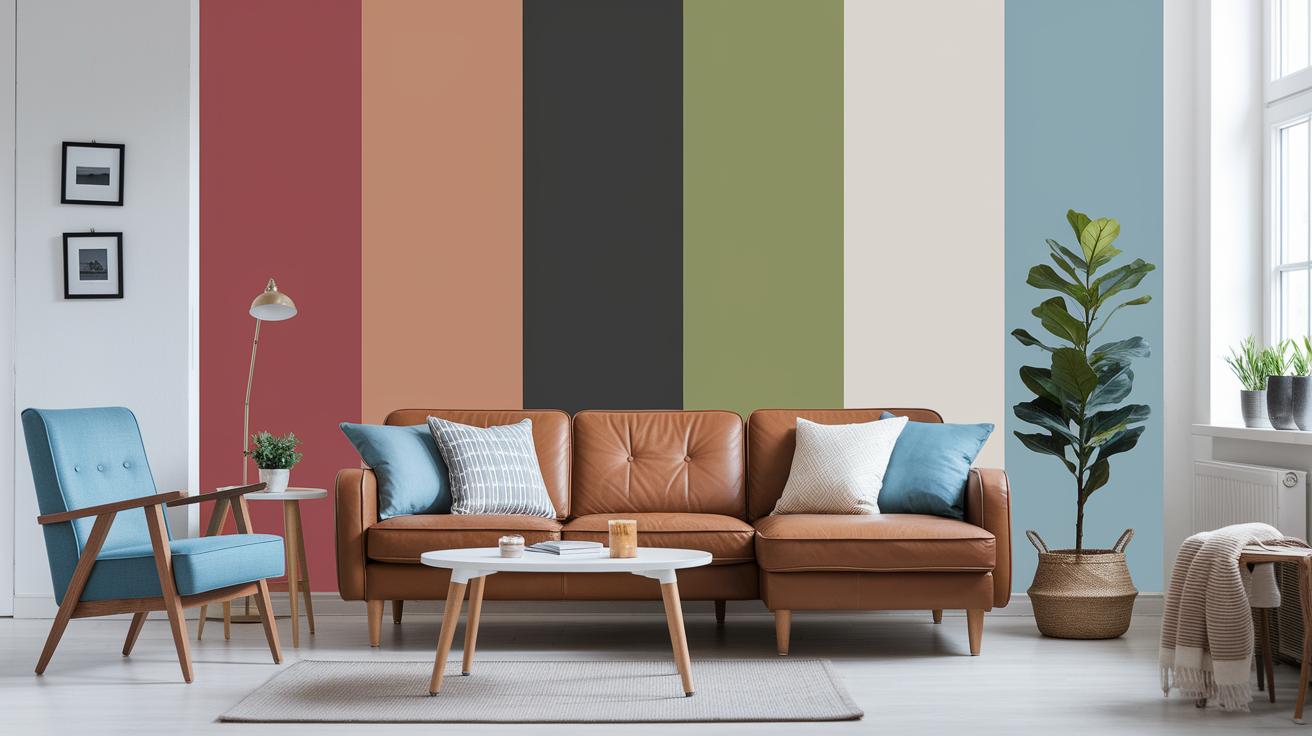
When choosing a paint sheen, you are really deciding how much light bounces off your wall. A flat finish shows no shine at all (0% reflection) and is great for ceilings and surfaces with texture because it helps hide small flaws. Matte paints work similarly. They soak up light to smooth textures and cover up minor defects, making them a solid option for bedrooms, living rooms, and dining spaces.
Eggshell paint offers a soft shine that works well for most interior walls. Home DIYers often like eggshell because it is easy to apply while still looking good. Satin finishes give off a gentle, pearl-like glow ideal for walls, cabinet faces, and trim. For a more noticeable shine, semi-gloss paints enhance details by highlighting mouldings, doors, and trim. Finally, high-gloss finishes deliver a mirror-like look that is striking and best used for accent walls, cabinets, or furniture where you want an eye-catching effect.
| Finish Type | Reflectivity | Ideal Use | Durability |
|---|---|---|---|
| Flat | 0% (None) | Ceilings, textured surfaces | Good for low-traffic areas |
| Matte | Low | Bedrooms, living areas, halls | Moderate with limited cleanability |
| Eggshell | Slight | General interior walls | Balanced durability |
| Satin | Mid-range | Walls, millwork, cabinetry | High durability |
| Semi-Gloss | Noticeable | Mouldings, trim, doors | Very durable, easy to clean |
| High-Gloss | Mirror-like | Accent walls, cabinetry, furniture | Ultra-durable but demands precision |
Pros and Cons of Popular Interior Wall Paint Finishes
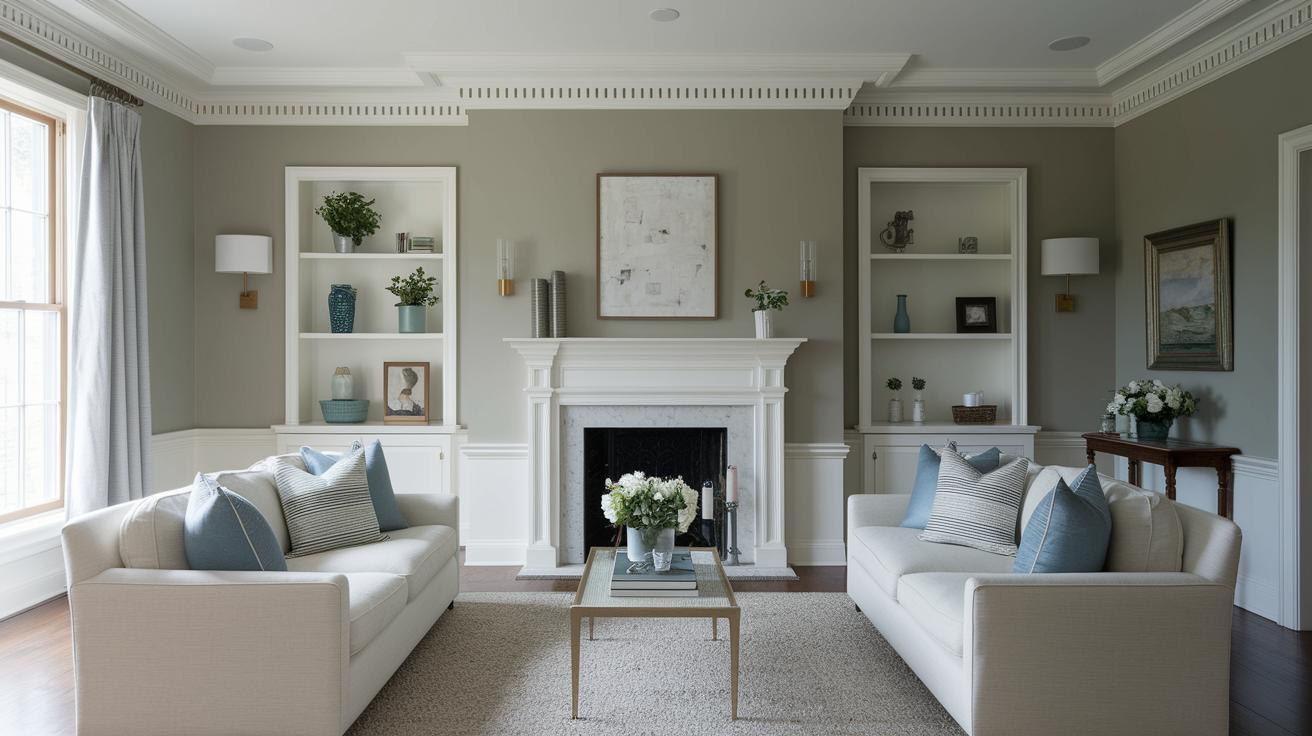
• Flat
• Pros: This finish hides wall flaws and gives a soft, even look. It works best on ceilings and rooms that don’t see much traffic.
• Cons: It doesn’t stand up well to heavy cleaning and its colors aren’t very bold.
• Best practice: Use a quality brush and pick flat finishes in areas with little wear to keep costs low.
• Note: Think of flat paint as a gentle filter that quietly covers small bumps.
• Matte
• Pros: Matte paint delivers deep, rich color and softens minor textures, making rooms feel warm and cozy.
• Cons: It isn’t very washable, which makes it a poor choice for busy spaces such as kitchens.
• Application tip: Roll it on evenly and avoid brushing too much to keep that smooth finish intact.
• Eggshell
• Pros: Eggshell provides a balanced sheen and is forgiving when applied, making it a versatile choice for most walls with moderate wear.
• Cons: In bright light, it can show uneven brush strokes or slight flaws if not carefully applied.
• Maintenance: High-visibility areas might need touch-ups. Using extra primer on tricky spots can help smooth things out.
• Satin
• Pros: Satin offers durability and is easy to clean, which makes it suitable for kitchens, hallways, and even cabinets.
• Cons: The soft shine can highlight imperfections if the wall isn’t prepped properly before painting.
• Note: Although premium satin may cost a bit more, the time saved on cleaning often makes it a smart choice.
• Semi-Gloss
• Pros: This finish is tough and low-maintenance. It works well for moldings, doors, and areas that might occasionally get wet.
• Cons: It tends to show even small surface defects, so careful preparation is a must.
• Best practice: Always start with a primer to help even out the surface and minimize texture issues.
• High-Gloss
• Pros: High-gloss paint creates a bold, ultra-durable finish that is perfect for accent areas.
• Cons: It tends to show brush marks and minor flaws, so it requires precise application.
• Application tip: Consider using a spray or foam roller to reduce marks and make cleaning easier later on.
Room-Specific Finish Selection Tips for Interior Walls: Joyful Spaces
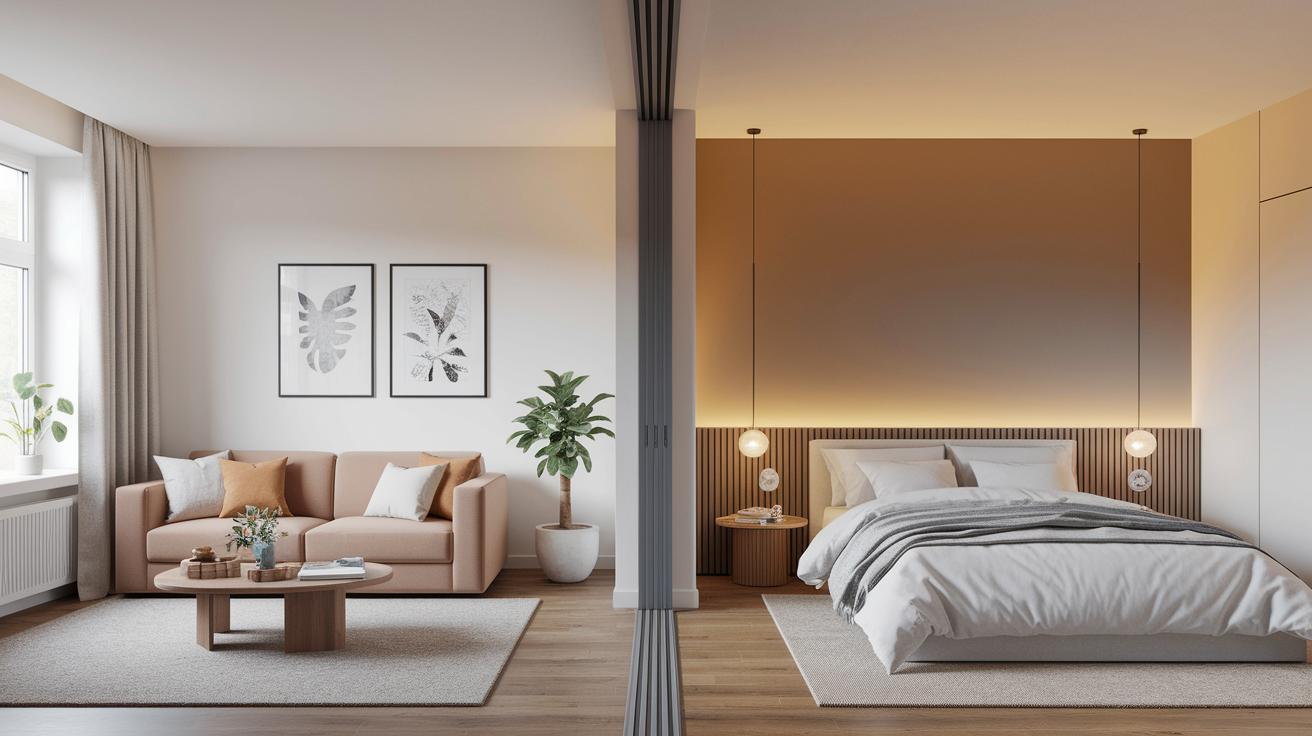
When planning a room’s look, choose paint finishes based on how you use the space and the available light. Natural and artificial light affect color depth and sheen. For a bright living room, try matte walls with semi-gloss trim to show off details without glare.
Ceilings and walls with texture work best with flat or matte finishes. These finishes reduce light bounce and hide small bumps. One homeowner used a matte ceiling with recessed lights to create a calm, even background that makes other features pop.
Matte finishes are great for bedrooms and living rooms because they provide a soft, uniform backdrop. In places like kitchens or bathrooms, where moisture is a concern, eggshell finishes work well. They resist stains while keeping a gentle look. Quick tip: Use eggshell in a kitchen to mix easy cleaning with lasting color.
For cabinets, trim, and paneling, go with satin finishes. They add a soft glow that highlights wood grain and detail. Mixing finishes can create a layered, polished appearance. For example, combining satin on built-ins with matte walls gives a balanced look.
Doors and mouldings do best with semi-gloss finishes. These finishes bring out details and make cleaning simple, especially in busy spots. Accent walls or special pieces can use high-gloss finishes to create a dramatic effect. Use high-gloss sparingly to avoid too much shine.
| Location | Recommended Finish | Additional Tips |
|---|---|---|
| Ceilings/textured surfaces | Flat/Matte | Reduces light bounce and hides bumps |
| Bedrooms/Living areas | Matte | Creates a soft, even background |
| High-traffic/moist areas | Eggshell | Resists stains and maintains a soft look |
| Cabinets/Paneling | Satin | Shows off wood grain with a gentle glow |
| Doors/Mouldings | Semi-gloss | Highlights details and simplifies cleaning |
| Accent walls/Specialty items | High-gloss | Adds drama; use with care |
- Think about the lighting: Bright spaces boost a finish’s shine, while dim rooms need softer sheens.
- Mix finishes to create contrast: Pair low-sheen walls with higher-sheen trim.
- Consider maintenance: High-gloss finishes often clean easily, which is crucial in busy zones.
Plan your finish mix like you pick an outfit, balance bold contrasts with gentle tones. For example, pair a semi-gloss door with matte walls and a satin accent piece for a design that feels both balanced and eye-catching.
Durability and Maintenance Considerations for Interior Wall Finishes
Wall finish durability goes beyond just the shine of the paint. Experts say that the paint’s makeup is what really matters. Today’s coatings use strong binders and special additives that help them last longer. Whether the finish is matte, flat, or glossy, modern formulas offer good wear resistance. This means that while people used to think glossy finishes were tougher, today’s options make matte and flat choices just as reliable in many cases.
Avoid flat finishes in spaces where moisture is a concern, such as bathrooms and kitchens. High humidity and regular cleaning in these areas can wear down a flat finish much quicker. Instead, choose a semi-gloss or high-gloss finish for better washability and stain resistance. One homeowner even reported that a semi-gloss kitchen backsplash handled frequent cleaning well and kept its fresh look over time.
The real strength of a wall finish lies in its build and chemical makeup, not just its shine. Always read the manufacturer’s instructions and think about the unique conditions in your room when picking a finish. This careful choice will help you maintain lasting beauty and ease of upkeep.
Essential Application and Preparation Tips for Interior Paint Finishes
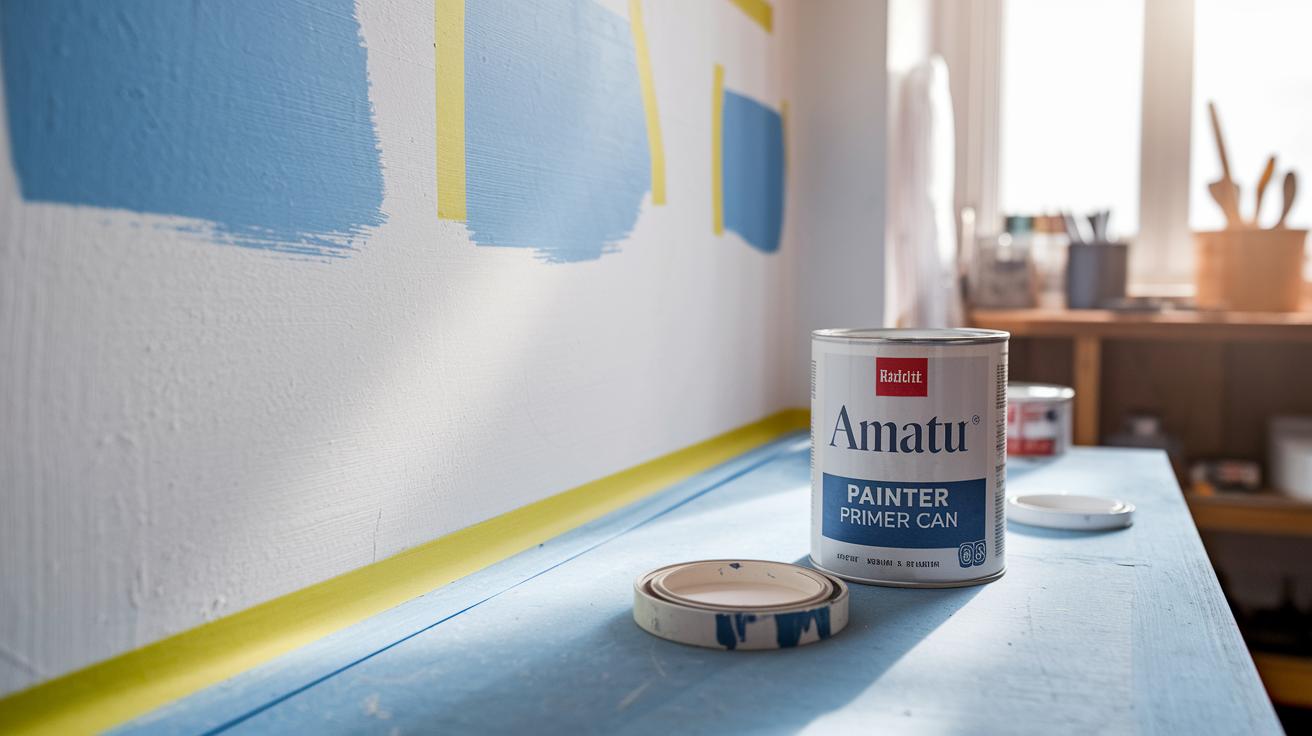
Start by cleaning your walls to remove dust and grease. Use a good cleaner and let the surface dry completely. A clean wall is like a fresh canvas, it sets up a flawless finish.
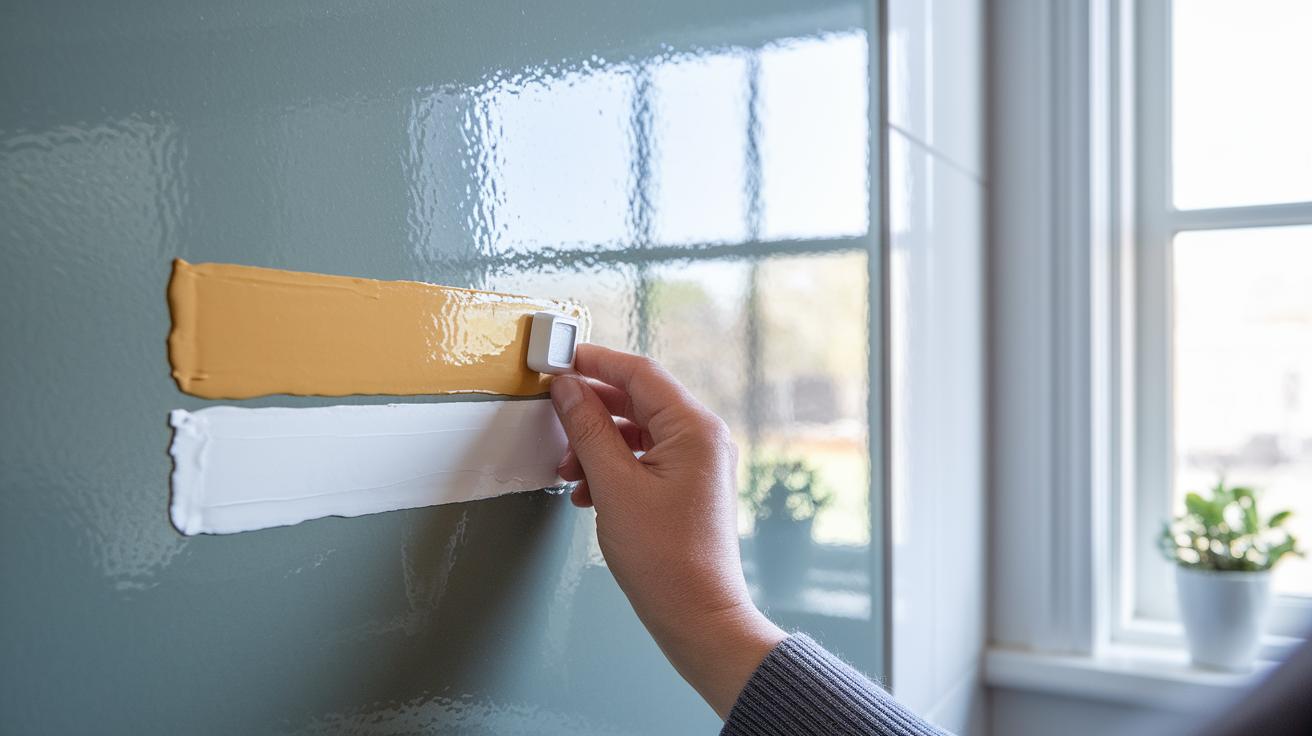
Next, apply painter's tape and masking material around edges, windows, and trim. Press the tape down firmly to keep paint where it belongs. Think of it as outlining your work to get sharp, clean lines.
When switching from a light to a dark color, use a tinted primer. This helps cut down on the number of coats needed and shows the true color. Always follow the manufacturer's drying times. Apply thin, even coats to avoid marks and uneven areas.
Lastly, document your process by taking photos of can labels and noting the finish types and where you used them. This lets you easily match colors later. Work in a well-ventilated space and protect your clothing. Follow these steps to achieve a neat, professional finish and avoid common painting mistakes.
Cost, Brands, and Quality of Interior Wall Paint Finishes
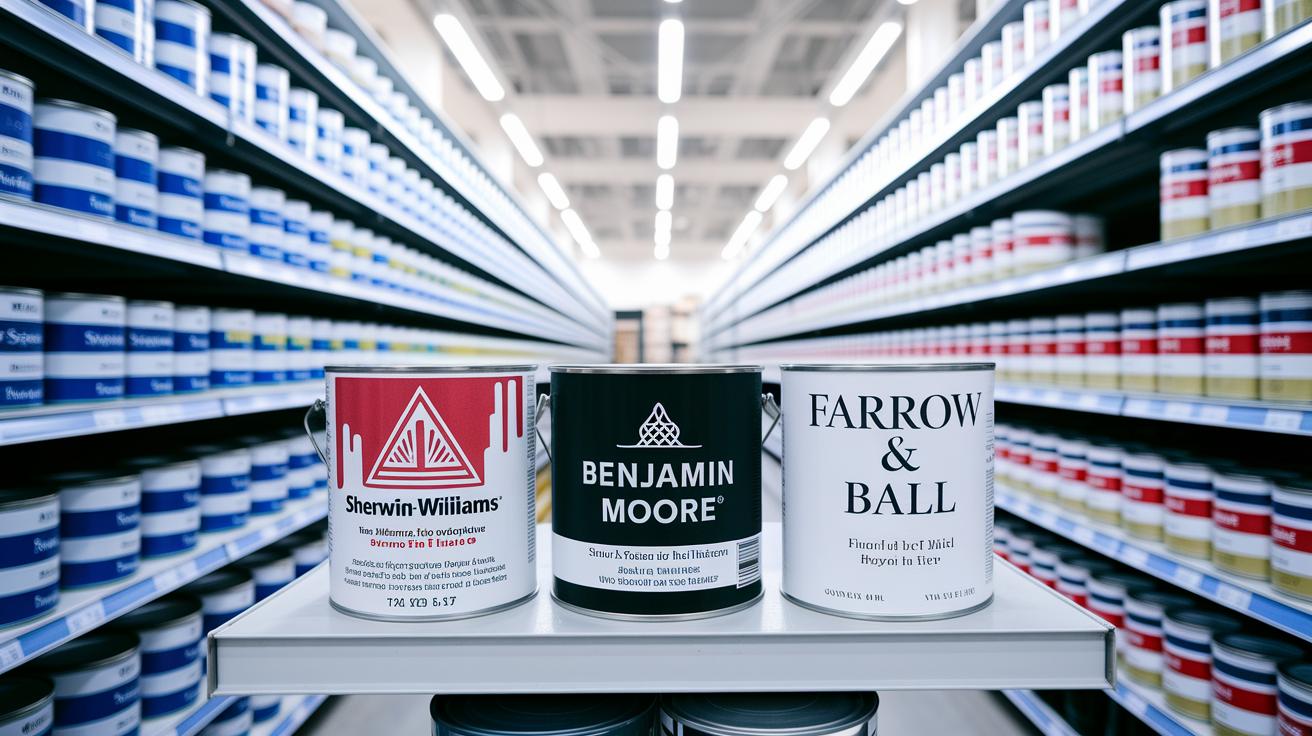
Sherwin-Williams mixes quality with affordability. Their paints are easy to pick up at most stores. For instance, a 5-gallon tub of flat or matte paint works great for big jobs like ceilings. It lowers costs while offering the durability you need.
Benjamin Moore is known for strong performance at a fair price. Its paints stand up well in busy areas. If you need a long-lasting finish that doesn't break the bank, Benjamin Moore is a solid choice. Their range covers everything from eggshell to semi-gloss, matching both soft looks and more intensive cleaning needs.
Farrow & Ball offers rich, deep colors with a premium feel. Their specialty finishes, such as glossy and enamel, provide an eye-catching look for living areas. Although they come with a higher cost, the distinctive style might be worth the extra expense.
Flat and matte finishes are typically the least expensive per gallon, making them a smart pick on a budget. If you decide on a specialty gloss, just remember to include that extra cost in your overall budget. Choose the brand that best fits your project needs and your financial plan.
Final Words
In the action, we've explored paint sheens, weighed pros and cons, and pinpointed room-specific tips. We dove into durability, application prep, and cost factors to help you tailor your project. Understanding each finish's characteristics lets you select the best paint finishes for interior walls that suit your space and budget. These insights aim to boost your confidence, help you avoid pitfalls, and produce results you can enjoy for years to come. Keep refining your process and celebrating small wins along the way.
FAQ
What are the best paint finishes for interior walls Sherwin Williams?
The best Sherwin Williams interior wall finishes typically involve eggshell and matte. These finishes balance aesthetics and practicality, offering a subtle sheen, durability, and ease of cleaning.
What are the best paint finishes for interior walls and ceilings?
The best finishes vary by surface; flat or matte works well on ceilings to hide imperfections, while eggshell or satin on walls delivers durability and a gentle glow ideal for living spaces.
What are the 5 types of paint finishes for interiors?
The five common paint finishes are flat, matte, eggshell, satin, and semi-gloss. They differ in light reflectivity, texture, and washability, helping you select the right option for each area.
What is the best paint finish for trim and doors?
The best finish for trim and doors is usually semi-gloss. This finish provides high durability and easy maintenance while emphasizing architectural details.
What is the Sherwin-Williams sheen chart?
The Sherwin-Williams sheen chart is a guide that categorizes paint finishes from flat to high-gloss based on reflectivity. It helps homeowners make informed choices for both aesthetics and performance.
What is the recommended paint sheen for bedroom walls?
For bedroom walls, a matte finish is often recommended. This finish absorbs light, helps conceal imperfections, and creates a warm, inviting ambiance.
What does a pearl paint finish mean?
A pearl paint finish means the paint has a subtle, elegant sheen reminiscent of satin. It gently reflects light for an attractive, smooth appearance with moderate durability.
How do Benjamin Moore paint finishes compare?
Benjamin Moore paint finishes offer a range from flat to high-gloss, known for their quality and finish consistency. They provide versatile options that meet both aesthetic and performance needs.
Do designers use flat or eggshell paint?
Designers generally opt for eggshell over flat paint because eggshell provides a slight sheen, hides minor imperfections, and performs well in both low- and high-traffic areas.
Should your walls be eggshell or satin?
Walls may be finished in eggshell for a balanced, forgiving look or satin for a bit more shine and durability. Your choice depends on cleaning needs and desired room brightness.
What gives the smoothest paint finish?
The smoothest finish is often achieved with high-gloss paint combined with meticulous surface preparation. This method produces a mirror-like, even coating that highlights clean lines and details.