

Hidden dangers can hide in plain sight. Even a small slip, like a loose rug or outdated wiring (old, unreliable electrical cables), can lead to an injury. Every year, many accidents occur because home safety risks are overlooked. This guide takes you room by room to spot everyday hazards, such as smoke alarms that don't work in the kitchen or shaky railings on your stairs. Follow these simple tips to fix the issues and keep your home safe for everyone.
Essential Home Safety Checklist: A Room-by-Room Guide
Start your home safety check by looking for hidden risks. Even small issues can lead to injuries, over 33 million people get hurt each year from household items. The U.S. Consumer Product Safety Commission tells us that home hazards are often easy to miss but usually simple to fix.
Walk through each room with an eye for fire risks, security hazards, electrical problems, and fall dangers. Look for issues like outdated wiring in your home office, slippery bathroom surfaces, or unsecured ladders in the garage. Check that kitchen smoke alarms work properly and that living room rugs are secure to help prevent falls. A detailed room-by-room safety check can make your home safer for everyone.
Below is a quick room-by-room guide to help with your safety review:
| Room | Common Hazards | Recommended Actions |
|---|---|---|
| Living Room | Clutter, loose rugs | Clear floors and secure rugs |
| Kitchen | Overloaded outlets, sharp objects | Organize items and inspect wiring |
| Bathroom | Slippery surfaces, missing grab bars | Install non-slip mats and grab bars |
| Stairway | Lack of handrails, loose steps | Secure handrails and repair steps |
| Bedroom | Blocked exits, poor lighting | Keep paths clear and update bulbs |
| Home Office | Overloaded cords, unstable furniture | Organize cables and anchor furniture |
Fire and Carbon Monoxide Safety in Your Home Safety Checklist
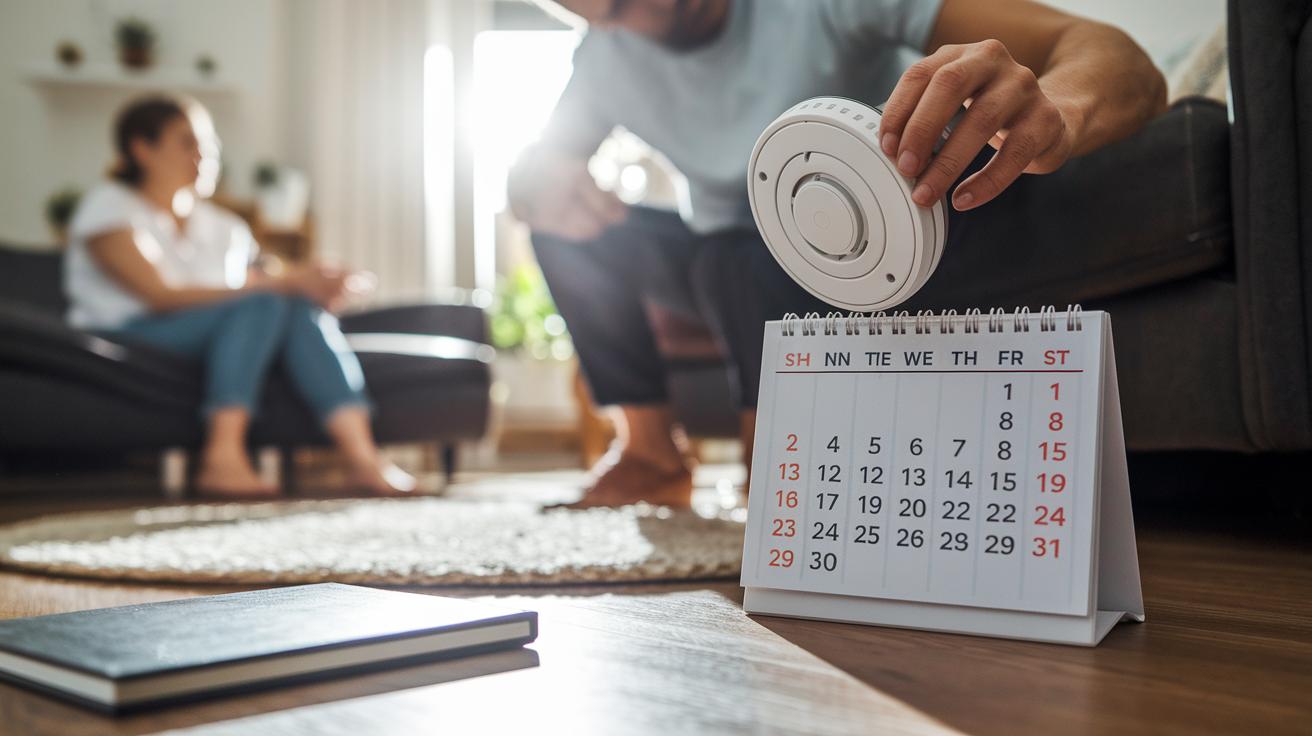
Test your smoke and carbon monoxide alarms every month and swap out the batteries once a year. This routine keeps your alarms in top shape so they can alert you fast if danger comes. For example, check your alarms with each season change to catch problems before they become emergencies.
Keep a rated fire extinguisher on every floor of your home. Learn the PASS method (Pull, Aim, Squeeze, Sweep) and practice it so you know how to use the extinguisher when needed. Also, go over at least two escape routes in every room. This helps everyone know the quickest ways out, especially in trickier spots like stairways and basements.
Set up emergency lighting in hallways and near exit doors. This extra light guides you during power outages or low-light situations. Run through your fire escape plan under conditions that mimic an emergency to ensure every route stays clear. For instance, test the way from your living room to the back door to make sure nothing blocks your exit.
Securing Your Home: Security Measures for the Home Safety Checklist
Install deadbolts on all outside doors and secure your windows with strong locks. Check each lock often, and fix any worn parts right away. Test your alarm system every month by cleaning its sensors and replacing batteries as needed. These basic steps help keep intruders away.
Walk around your home and trim back any bushes near doors and windows. Overgrown shrubs might hide unwanted visitors, so keeping them neat is key. Install motion-sensor lights around the house and near entryways to brighten dark areas. A quick night walk can reveal corners that need extra light.
Review your home’s security regularly. Make sure your alarms and sensors are working properly. Simple checks, like confirming door latches and window fasteners are secure, add up to a safer home. Regular reviews boost your confidence and help turn your home into a stronghold against intruders.
Preventing Falls and Trip Hazards in the Home Safety Checklist

Falls can rob you of independence. Studies show that after a serious fall, 40% of survivors lose the ability to live on their own. Use this checklist along with your room-by-room guide to quickly spot and fix fall hazards without repeating advice.
Take these steps to reduce fall risks:
- Remove any loose rugs or secure them with a non-slip backing.
- Keep floors and stairs clear of clutter like toys, books, and laundry.
- Check that handrails on stairs and grab bars in the bathroom are tightly fixed.
- Use non-slip mats or treads in tubs and showers.
- Run cords along walls and secure them with tape so they don’t trip you.
- Regularly inspect your home to catch new hazards early.
Electrical and General Hazard Checks for Your Home Safety Checklist
Start by checking all cords and cables in your home. Look for any signs of fraying or damage and replace cords that show wear. Install GFCI outlets in kitchens and bathrooms to help prevent shocks when near water. Never hide cables under rugs. Instead, secure them along walls using staples or tape. This simple step keeps walkways clear and lowers the risk of both electrical faults and falls.
Next, review your gas lines and heating system. Use a soapy water solution on gas lines, if bubbles form, you have a leak. Arrange for an annual service of your heating and cooling systems, and clean or replace filters to maintain proper ventilation. These actions help prevent fires and exposure to harmful fumes, protecting your indoor air quality.
Finally, check your plumbing and watch for mold. Inspect under sinks and around water heaters for leaks. Look closely at walls and ceilings for early signs of mold growth. And if you live in an area with high radon levels, consider a radon test or a mitigation system in your basement. These focused checks as part of your home safety checklist can help protect your family from hidden hazards.
Emergency Preparedness and Maintenance for Your Home Safety Checklist
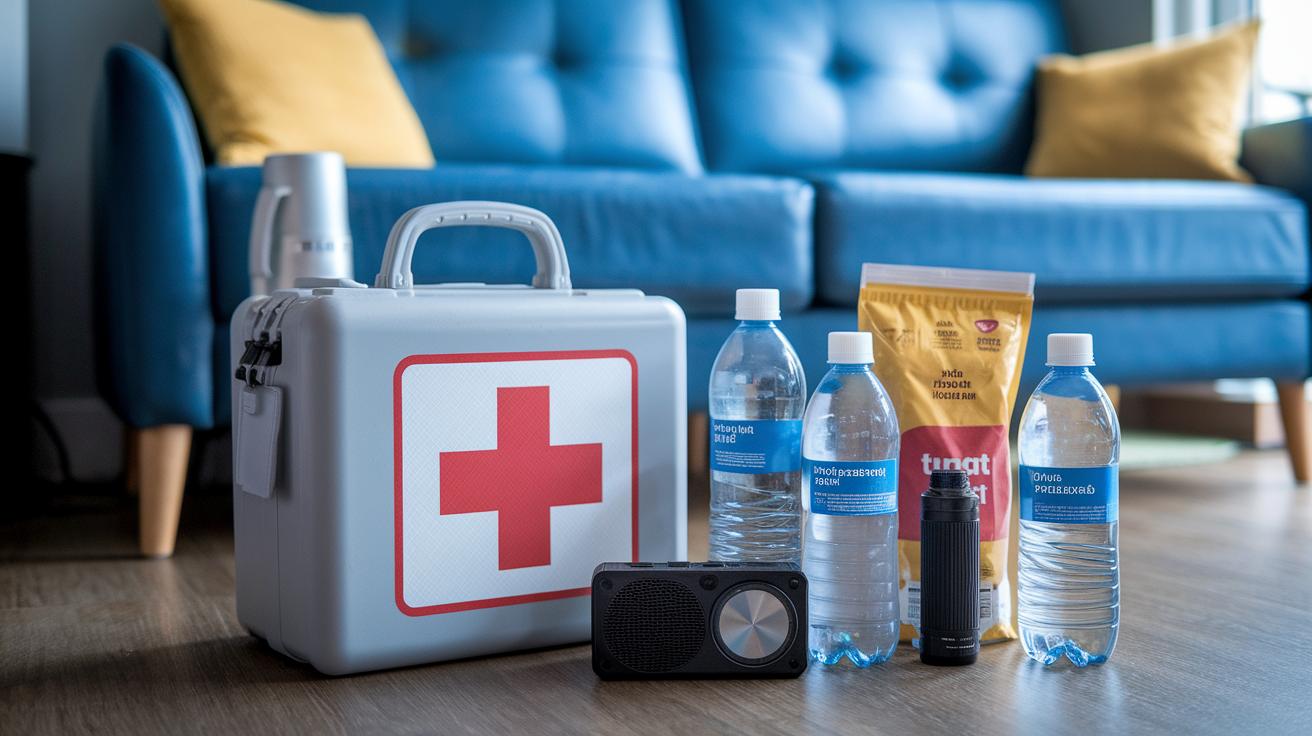
Put together an emergency kit and store it where everyone can easily access it. Fill your kit with a full first aid kit, extra water, non-perishable food, a flashlight, and a battery-operated radio. Check your supplies each season to be sure batteries are fresh and medical items have not expired.
Review your home's escape routes with everyone. Draw at least two exit paths from every room and practice them regularly. Testing your plan helps everyone know the fastest way out during a crisis. Update your emergency contacts every few months and run a drill at night using battery-powered lights to mimic a power outage.
Make time each year to go through an annual home maintenance checklist. This routine helps catch issues like expired supplies or untested equipment. Refresh your emergency stock and adjust your plan as needed to stay ready for any situation.
3 home safety checklist: Secure Your Home Now
Start by childproofing your home. Look for hidden dangers in cabinets, on low shelves, and around play areas that could hurt curious little ones. Use child safety locks on cabinets, cover electrical outlets, and secure cleaning supplies and medicines. For example, check every low cabinet and add a lock. This simple step can prevent accidents like potential poisoning.
Next, focus on making your home senior-friendly. Walk through your space and check for trip hazards such as loose rugs or uneven flooring in hallways and bathrooms. Install grab bars near toilets and in showers to give extra support, and clear away clutter and unsecured cords. This step helps prevent falls, especially for seniors or anyone with limited mobility.
Keep your home safe for everyone by regularly checking that all safety measures are in place. Whether you add new locks, repair flooring, or install grab bars, these updates make your home a safer place for kids, seniors, and anyone with extra care needs.
Final Words
In the action, you covered every area from fire and carbon monoxide checks to childproofing and senior living modifications. You learned to test alarms, secure entry points, clear trip hazards, inspect wiring, and ready emergency supplies. Each section focused on practical steps that save time and money while protecting your home. This home safety checklist offers hands-on insights for a safer living space. Stay proactive with regular inspections and simple fixes to keep your project on track and your home secure.
FAQ
What printable or free home safety checklist can I use?
The printable or free home safety checklist offers a ready-to-use tool that reviews room hazards. It covers fire safety, fall risks, and emergency supplies to help you perform a practical home audit.
What is a home safety checklist for occupational therapy PDF?
A home safety checklist for occupational therapy PDF guides therapists and homeowners in assessing everyday hazards. It outlines potential dangers and corrective steps to support safe, independent living.
What does a home safety checklist for parents and children include?
A home safety checklist for parents and children covers securing cabinets, locking cleaning products, and using outlet covers. It reviews hazards in every room to keep your family safe from accidents.
What does a home safety checklist for seniors or the elderly include?
A home safety checklist for seniors or the elderly focuses on level flooring, grab bars, non-slip mats, and removing trip hazards. It aims to reduce fall risks and create a secure living environment.
What guidelines are provided in the home safety checklist CDC?
The home safety checklist CDC offers clear guidelines on fire safety, carbon monoxide detection, fall hazards, and more. It uses a room-by-room strategy to help you spot and fix common residential risks.