

Are you tired of hardwood floors that look worn out? Keeping them clean doesn't have to be hard work. Think of it like taking care of your favorite shoes; regular cleaning keeps them looking good and protects them from damage. This guide offers easy steps to swipe away dust and wipe up spills while preserving that natural shine. Follow these practical tips and enjoy floors that light up your home every day.
how to clean hardwood flooring: Simple Sparkle Steps
Keep your hardwood floors looking great and protect them from damage with this straightforward routine. Follow these simple steps to remove dirt, prevent water damage, and maintain a lasting shine.
-
Every 2-3 days, vacuum or sweep your floors to clear away dust and pet hair. Think of it as cleaning off your workbench, quick and effective to stop buildup.
-
Next, run a dry microfiber dust mop over the area. This step picks up tiny particles before they settle into the wood.
-
Prepare a pH-neutral hardwood floor cleaner (or one recommended by the manufacturer). Mix it as directed, and avoid acidic cleaners like vinegar; they can dull the finish over time.
-
Mop the floor with a lightly damp microfiber mop. The mop should feel like a wrung-out sponge, not a soaking towel, to prevent water pooling on the surface.
-
Immediately wipe up any extra moisture with a clean, dry cloth. This helps prevent warping and streaks while keeping your floor in top shape.
-
Finally, plan a thorough cleaning session once a week. A regular, consistent routine will protect your floors from gradual damage and keep them sparkling.
Follow these steps to maintain a safe, polished shine on your hardwood flooring, ensuring they stay in excellent condition for years to come.
Homemade and Natural Hardwood Floor Cleaning Solutions
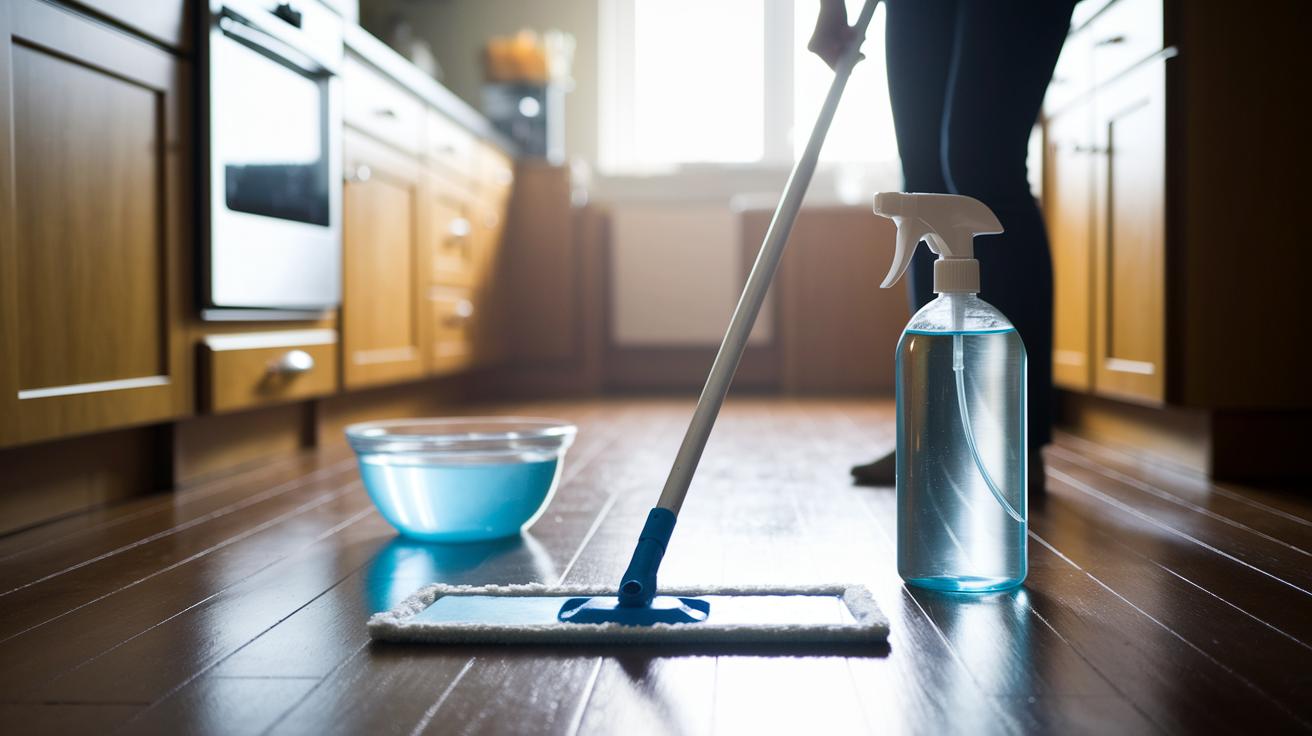
If you want to clean your wood floors in an eco-friendly way, try making your own solution. Mix 1 teaspoon (about 5 mL) of mild dish soap in a quart (0.95 L) of warm water. Add a few drops of essential oil if you’d like a fresh scent. This gentle, pH-neutral mix cleans your floor without harming its finish. Always test the solution on a hidden spot first, just like you would try a new stain remover on a spare fabric.
Do not use full-strength vinegar. Its harsh acidity can gradually damage your floor, leaving it dull. Instead, for small spills or stubborn marks, mix a paste of baking soda and water. Apply the paste only to the affected area and rinse it off completely because any leftover residue may harm the wood.
- Test your DIY mix on a hidden area first.
- Rinse and dry the area after using the baking soda paste.
- Avoid using too much water to prevent moisture damage.
Advanced Deep Cleaning Techniques for Hardwood Flooring
Every few months, you should deep clean your hardwood floor to remove dirt that’s built into unsealed cracks. Start by using a cleaning solution approved by the manufacturer. If available, mix a pH-balanced cleaner and apply it sparingly with a soft-bristle brush to target tight crevices and seams. This approach lifts stubborn dirt without soaking the wood, keeping it safe and looking natural.
For high-traffic or older floors, skip steam cleaners since too much moisture can lift and warp the boards. Instead, use solutions made specifically for hardwood. A soft-bristle brush will help clear grime from every corner. While professional buffing may bring back some shine, it isn’t a good idea for very thin or vintage wood.
After the cleaning solution has had time to work, immediately dry buff the surface using a microfiber pad. This step removes any residue and smooths the finish, leaving a polished, natural shine. Work gently to protect the wood’s strength and beauty. Regular deep cleaning not only refreshes your floor but also extends its lifespan.
Maintenance Practices and Preventing Water Damage on Hardwood Flooring
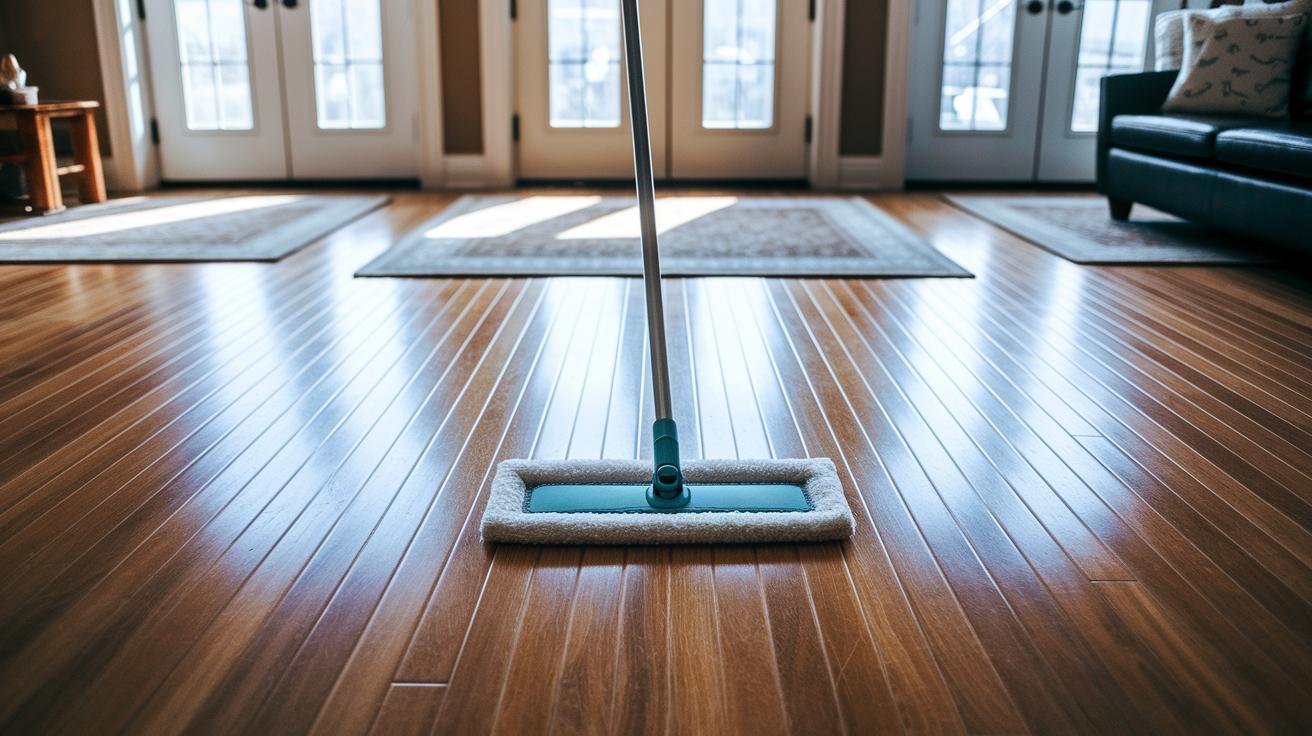
Protect your hardwood floors by using low-moisture cleaning methods. Wring your microfiber mop until it is barely damp, like a well-wrung sponge. This keeps the wood finish safe and prevents warping.
Blot up spills right away. Liquid left on the wood can stain and make it swell. When something spills, grab a fresh cloth and gently blot the area. Don’t wipe, as that can spread the liquid.
Use area rugs or mats at doorways and busy spots. These catch dirt and grit that can scratch the finish over time.
For pet accidents or small stains, keep your pet’s nails trimmed to cut down on scratches. Clean spills quickly with a damp cloth, then treat the spot using a pH-neutral cleaner and blot gently.
Follow a regular home maintenance schedule to keep your floors looking great and lasting longer.
Restoring Shine and Preserving Hardwood Flooring Finish
Refresh your hardwood floors with a careful polish routine that brings out their natural glow. Start by choosing a polish that is compatible with your floor's finish. Follow the manufacturer's instructions and apply a thin coat, as if you were gently brushing on a protective layer to revive the wood.
Next, use a dry microfiber pad to buff the floor in small circles. This step evens out the shine and removes any leftover cleaning solution. A quick tip: keep buffing until your floor sparkles like a freshly waxed car.
Avoid wax-based products on urethane-finished floors since they can trap dirt and dull the finish over time. For areas with a lot of foot traffic, a light polish once a month works well. In other parts of your home, giving the room a full polish every 3 to 6 months helps maintain a consistent shine. Placing small furniture pads under legs can also prevent scratches. Follow these simple steps to keep your hardwood floors looking beautiful and lasting through everyday wear.
Final Words
In the action, you explored every key step to keep hardwood floors spotless. The guide walked you through daily dusting with microfiber mops, DIY natural cleaners, deep-cleaning routines, and careful maintenance practices that prevent water damage. You learned safe techniques to restore shine and preserve the finish without extra cost or complications. Using these clear steps, you'll confidently know how to clean hardwood flooring while staying on budget and avoiding unexpected setbacks. Keep these tips handy and enjoy your renewed space.
FAQ
How to clean hardwood flooring naturally?
Cleaning hardwood flooring naturally means using a pH-neutral cleaner or a homemade mix with mild dish soap and warm water, applied lightly with a damp microfiber mop to avoid excess moisture.
How to deep clean wooden floors?
Deep cleaning wooden floors involves vacuuming or sweeping, then mopping sparingly with a manufacturer-approved, pH-balanced solution, and gently using a soft-bristle brush for grooves before wiping up any excess moisture.
How to clean hardwood flooring with vinegar?
Cleaning hardwood flooring with vinegar is not advised since vinegar’s acidity can dull the finish. Instead, choose a pH-neutral or manufacturer-approved cleaner that protects the wood.
What should you not clean hardwood floors with?
You should not clean hardwood floors with acidic cleaners like undiluted vinegar, harsh chemicals, or excess water. Such substances can damage the finish and cause warping or streaking.
What is the best product to clean hardwood floors?
The best product for hardwood floors is a pH-neutral, manufacturer-approved cleaner that safely removes dirt without damaging the finish or leaving any harmful residue.
What is the easiest way to clean hardwood floors?
The easiest way to clean hardwood floors is to routinely sweep or vacuum, dust with a dry microfiber mop, and then lightly damp-mop using a safe cleaning solution to keep the floors spotless.
Can you steam clean hardwood floors?
Steam cleaning hardwood floors is not recommended because the excess moisture from steam can lift the finish and warp the wood, compromising the floor’s integrity.
Is Dawn dish soap ok for wood floors, and can I use Swiffer wet cloths on hardwood floors?
Using a very diluted mild dish soap for occasional spot cleaning is acceptable, but Swiffer wet cloths may leave residues and harm the finish, so they are best avoided on hardwood floors.