

Ever wondered if old taping tools can still compete with today’s high-tech gear? Traditional drywall taping tools let you fix small patches or cover large projects with ease. For example, a 6 in (15 cm) taping knife works well on tight, tricky corners, while newer systems can tackle several tasks at once. In this post, we compare basic hand tools and advanced equipment to help you achieve a smooth finish on a budget that fits your project needs.
Drywall Taping Tools Spark Seamless Finishing Results
Traditional hand tools remain the go-to for finishing drywall. You’ll need a trowel, taping knives in sizes such as 4 in (10 cm), 6 in (15 cm), 10 in (25 cm), and 12 in (30 cm), plus paper tape and a pail of joint compound. Hand taping gives you precise control for small patches and tricky corners. For example, using a 6 in (15 cm) knife to spread a thin coat of compound can help you achieve a smooth repair. These tools are budget-friendly, and you can easily replace parts when needed.
Modern mechanical devices are built to speed up the process by combining several steps into one easy move. These systems may include automatic tapers, flat boxes, corner boxes, corner rollers, angle heads, and smoothing blades. They lay tape, apply joint compound, and smooth seams all at once. This not only boosts output on big projects but also delivers a uniform finish. Many pros choose to rent these machines when working on several sites or large-scale jobs.
When choosing between hand tools and automatic systems, think about your project’s size and your need for speed. Traditional tools work best for detailed jobs, while modern systems save you valuable time in large renovations. One contractor noted, "Using an automatic taper for a big project saves me valuable minutes on every seam." In the end, the right choice will match your project needs and budget.
Traditional Hand Taping Tools for Drywall

Manual taping sets give you accurate repairs by combining simple tools for a clean finish. Use plastic blades in damp or wet areas because they won't rust, and choose steel blades for thick joint compound when you need extra stiffness.
Taping Knives
Taping knives come in various sizes, such as 4 inches (10 cm), 6 inches (15 cm), 10 inches (25 cm), and 12 inches (30 cm). Stainless steel knives hold up well against rust, while carbon steel versions offer extra strength for deep seams. Plastic blades work best when moisture is a concern. For example, a 6-inch knife can get sharp results in tight corners, and a 12-inch knife smoothly covers large areas.
Trowels, Mud Pans & Hawks
Trowels, mud pans, and hawks help you hold and spread joint compound evenly. Mud pans with deeper wells hold more compound for heavy jobs, while hawks keep the material nearby so you can work faster and waste less time. For instance, a hawk lets you scoop up compound quickly without putting it down each time, which is a real time-saver on big projects.
Paper Tape & Joint Compound
Paper tape secures seams, and fiberglass tape adds extra strength in areas that move a lot. Mix your joint compound to a creamy texture by following proper mix ratios, and store it in a sealed container so it stays ready to use. This consistent mix helps you achieve a flawless finish.
Mechanical and Automatic Drywall Taping Systems
Traditional drywall taping needs several passes with hand tools to set the tape and smooth the seams. Now, modern machines let you tape, apply compound, and smooth the surface all at once. One contractor said, "Renting an advanced drywall taping machine speeds up my work on many job sites. It gives me a steady hand every time."
These new systems come with key tools like automatic tapers (which lay tape and apply compound), flat boxes for smoothing large surfaces, corner rollers for filling corners, corner boxes for detailed work, angle heads for adjusting the compound's direction, and smoothing blades for the final pass. Manufacturers such as TapePro, Blue Line USA, Columbia Taping Tools, and TapeTech build machines with parts you can replace, like blades, seals, and wheels. This feature extends the machine's life. Basic units start at about $1,500 (approx. €1,400), while heavy-duty models can cost over $5,000 (approx. €4,700). Rental options are available if you only need a machine for a single project or a busy season.
| Tool Type | Primary Use | Rent vs Buy | Price Range |
|---|---|---|---|
| Automatic Taper | Lays tape and applies compound | Rent or Buy | $1,500 – $3,000 |
| Flat Box | Smooths large, flat surfaces | Rent or Buy | $1,800 – $3,500 |
| Corner Roller | Wedges compound into corners | Rent or Buy | $1,600 – $3,200 |
| Corner Box | Handles precise corner work | Rent or Buy | $1,700 – $3,400 |
| Angle Head | Adjusts compound application angles | Rent or Buy | $1,500 – $3,000 |
| Smoothing Blade | Makes the final smoothing pass | Rent or Buy | $1,200 – $2,500 |
Modern mechanical systems boost efficiency and keep results consistent. They cut down on manual work and give you a uniform finish every time. With options to rent or buy, contractors can choose the machine that best fits the project needs, making the move from manual to mechanical drywall taping a smoother and faster process.
All-in-One and Multi-Functional Drywall Taping Kits
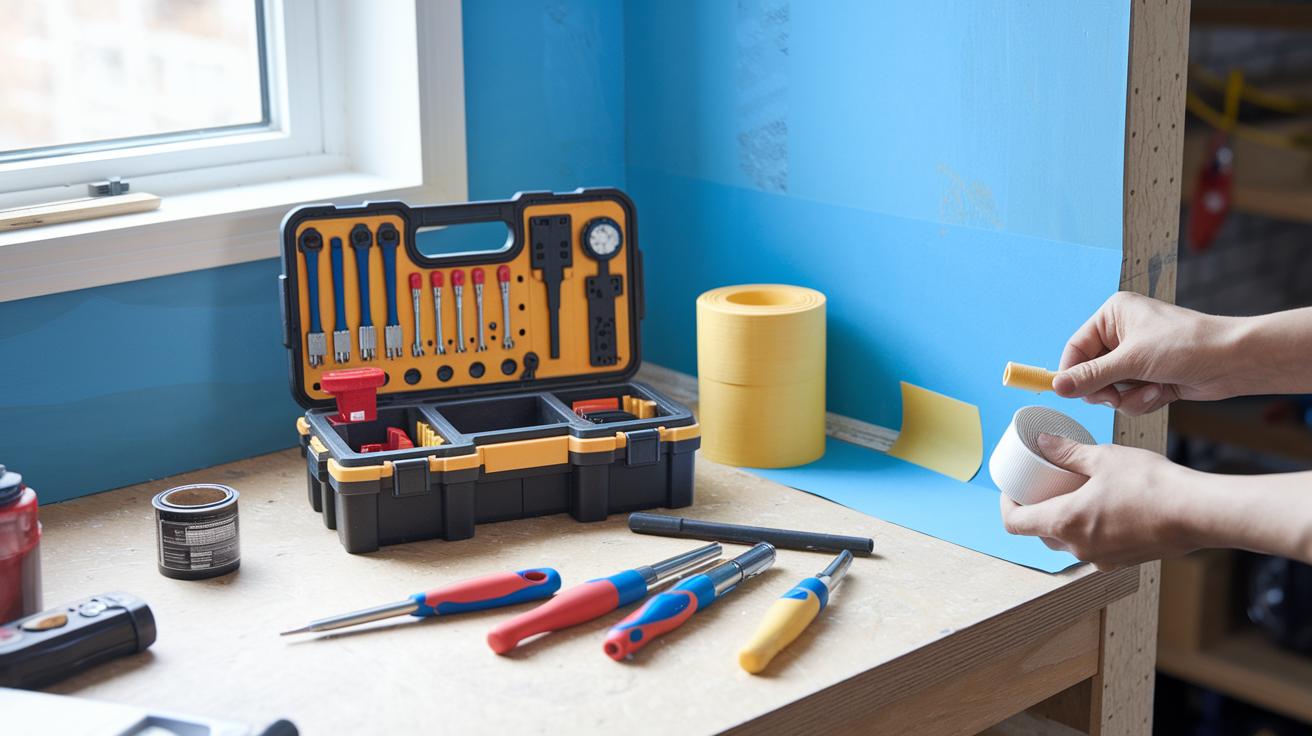
These kits let you mix, scoop, mark, and tape with one handy tool. They save time and keep your workbench clear. Made in the US with a 30-day money-back guarantee, they come at direct-to-consumer prices and ship fast. Whether you have a small repair or a big project, these kits have you covered. Plus, our easy-to-follow videos show you how to get a bubble-free finish with little sanding.
-
All-In-One Drywall Kit
- Price: $87.99
- What it does: Mixes, scoops, marks, and tapes
- Warranty: 30-day money-back guarantee
-
TapeBuddy® Multi-Functional Taping Tool
- Price: Direct-to-consumer pricing
- What it does: Features a free-standing frame and a mess-free mud feed that makes application simpler
- Warranty: 30-day money-back guarantee
-
Ultimate Drywall Kit by Buddy Tools
- Price: Competitive direct pricing
- What it does: Offers four integrated functions and includes a free Perfect Pass Trowel
- Warranty: 30-day money-back guarantee
For clear step-by-step help, check out our tutorial videos that show how to achieve a flawless, low-sanding finish.
Essential Drywall Taping Tool Parts and Replacement Accessories
Keep your taping tools in top shape for smooth, lasting drywall finishes. Replacing worn parts for brands like Blue Line USA, Columbia, TapePro, and TapeTech can boost your tool life by 30% or more. Regular maintenance with the right accessories helps your tools perform consistently and keeps job delays to a minimum.
Key parts to include in a drywall taping accessory kit:
- Blade kits: Swap out your dull taping or finishing blades to spread joint compound evenly.
- Pump seals: For automatic systems, fresh seals stop leaks and keep things running smoothly.
- Corner applicator wheels: These help apply compound neatly into corners for a clean finish.
- Extendable handles: They give you extra reach and comfort when working on large panels.
- Nail spotters: Use these to detect and remove nails, keeping your surfaces smooth.
- Loading pumps: Essential for consistent compound application, new pumps keep your machine working at its best.
Some accessory kits pack all these replacement parts into one bundle for seasonal upkeep. Replacing parts when needed keeps your tools performing at their peak and helps you work confidently on every project.
Drywall Sanding and Dust Control Tools
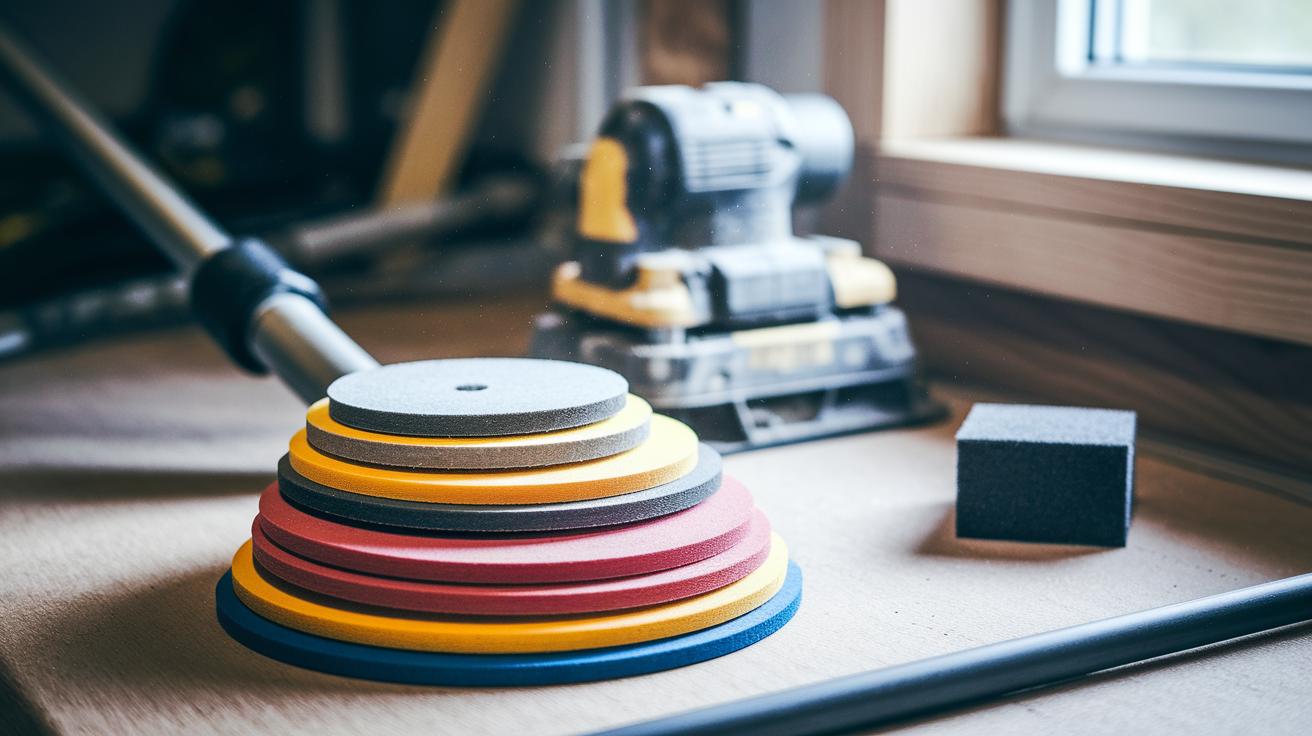
When finishing drywall, using the right sanding tools is key to a smooth surface. Pick discs, sponges, and pole tools with grit options from 80 (for rough work) to 220 (for a fine finish). Lower grits remove extra compound fast, while higher grits smooth the finish. The pad material, foam, microfiber, or abrasive cloth, controls friction and lasts longer. For example, a pole sander with a 120-grit pad (about 120 grit) removes material evenly, makes cleanup easier, and helps protect your work surface.
Sanding Discs, Sponges & Pole Tools
Select sanding discs and sponges based on your project. Use a rougher grit to remove big patches of compound and a finer grit for your final touches. Pole tools let you reach high or wide surfaces and help keep pressure even across the area.
Dustless Sanding Systems & Safety Gear
Use dustless systems like vac-attached sanders with HEPA filters to cut airborne dust by as much as 90%. Always put on safety gear such as a respirator and goggles when sanding. Add portable dust barriers around your work area to capture leftover dust, keeping your space clean and safe.
Selecting the Right Drywall Taping Tools for Your Project
Pick your tools based on how big your project is, your budget, comfort, and support. For small patch repairs, hand tools give you control, while mechanical tapers help you work faster on large surfaces.
-
Project size
- For patch repairs, use hand tools like a trowel, taping knives, and a mud pan. For big walls or drop ceilings, try an automatic taper for better speed.
- For example: A simple hand tool kit works for a minor repair, but a 200-square-foot wall may need a mechanical taper.
-
Budget vs rental
- Weigh the cost of buying against renting. For tools you use only a few times, renting might save you money.
- For example: Renting a tool at $100 a day can be less expensive than buying it if you don't use it often.
-
Ergonomics
- Choose tools with comfortable handles to reduce fatigue by up to 25%. Check the warranty (typically 1 to 5 years) to make sure you get lasting value and reliable support.
- For example: A tool with an ergonomic handle makes repetitive work easier and often comes with a multi-year warranty.
-
Support and warranty
- Look at the warranty and after-sales service details. US-made tools often offer direct pricing with dependable support.
- For example: A tool with a 3-year warranty can give you peace of mind while ensuring steady performance.
Try the tools if you can to see which ones fit your workflow best.
Rental Options for Heavy-Duty Drywall Taping Equipment
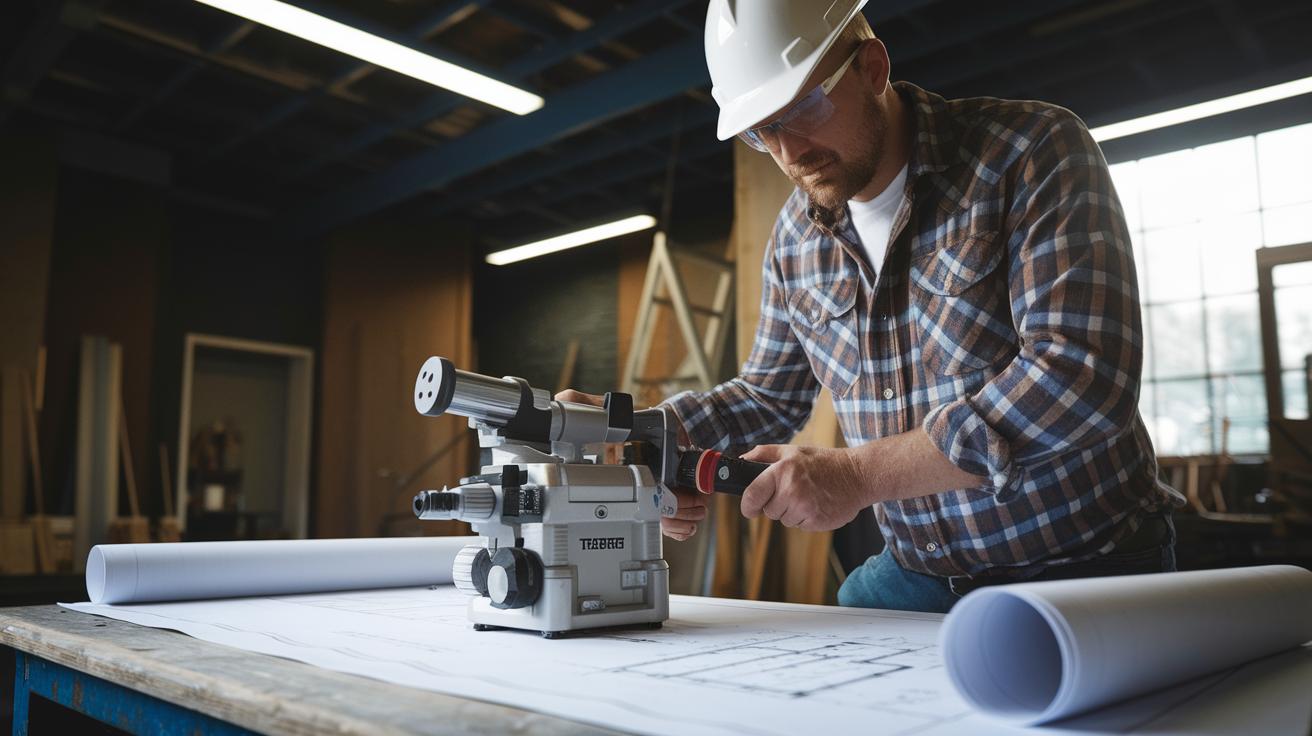
Rental centers let you rent automatic tapers for drywall taping. Prices are around $100 to $150 per day or $300 to $500 per week. Delivery and pickup fees come in at about $25 to $75, adding a small extra cost. This option works great for contractors who handle large one-off projects or tackle jobs in different spots without spending a lot upfront. For example, if your project lasts only a few days, renting the equipment means you pay just for the time you use it.
Some rental deals even include training or setup help. That support makes it easier to get started if you’re not familiar with the machine. A contractor trying out the equipment on a new project can get hands-on guidance while skipping the high cost of buying heavy-duty taping tools. These rental choices offer a flexible and budget-friendly way to access professional-grade equipment without making a long-term financial commitment, especially during your busiest times.
Final Words
In the action of tackling your projects, this guide broke down key insights on drywall taping tools. We covered hand-held options for small repairs, modern mechanical systems for larger jobs, and even all-in-one kits for versatile use. You also saw how to manage tool parts, dust control, and rental options to meet different scales and budgets. Keep these clear guidelines in mind to work safely and efficiently while staying on budget, and enjoy the progress every step of the way!