

Ever wonder why some construction teams wrap up on schedule while others fall behind? Pull planning might be the solution you need. Instead of starting with a traditional timeline, this method begins at the finish line and works backward through every step. It builds teamwork among contractors and supervisors while creating a clear, realistic plan. Today, we’ll show you how pull planning can speed up project delivery and smooth out on-site collaboration.
Pull Planning in Construction: Overview and Key Principles
Pull planning starts with the project’s finish date and works backwards. It breaks the work into tasks arranged in reverse order, showing each step clearly. This method helps you identify important steps early on, which makes the schedule more predictable. For example, set the final project date and then work back through the tasks, with each planning card representing one step.
Pull planning comes from lean project management methods and is a key part of lean construction. It pairs with the Last Planner System® to build work plans that match real conditions on site. In this system, trade contractors (specialized workers), foremen, and supervisors share their input. They make sure each task considers real limits like materials, inspections, and access. This team effort leads to schedules that are both realistic and do-able.
By gathering input from field experts, pull planning boosts schedule reliability and team coordination. With everyone’s input, it cuts down delays and helps clear up potential bottlenecks as the project unfolds. The result is a solid plan that everyone can follow, leading to better job delivery and smoother teamwork on site.
pull planning in construction: Boosting Team Success

Pull planning sessions bring everyone together face to face so you can create a timeline that works for the whole team. During these meetings, everyone from trade contractors (on-site specialists) to supervisors shares ideas that result in clear, step-by-step work orders. This teamwork sets up a schedule that is both accurate and doable, while making sure every team member feels involved.
Getting everyone on board is key. When each member actively contributes, you can spot problems early and fix them before they slow the work.
- Invite the right trade contractors and supervisors
- Define the work scope for the milestone
- Set the project milestone date
- Work backward from the milestone to list tasks
- Note any restrictions (such as materials, inspections, site access, or design issues)
- Confirm team commitments and time estimates
- Write down clear task details
- Keep crew sizes consistent throughout
Following these steps makes sure every task is understood before work begins. The meeting leader guides the talk and keeps the focus, while the team decides on how long each task should take and in what order to do them based on real-world conditions. By openly discussing limits like material supply, inspections, or access issues, everyone knows exactly what to do and when. This clear planning helps avoid delays and builds a day-by-day schedule that keeps the project on track and minimizes surprises on site.
Benefits of Pull Planning in Construction Projects
Pull planning sets up tasks by working backward from the final project date. This method helps cut scheduling issues and spots delays before they happen. For instance, one team found a supply shortage two weeks early, which let them change their order and adjust their timeline.
Bringing trade contractors, foremen, and supervisors into the planning meetings improves communication. When everyone understands their role, scheduling mix-ups drop a lot. In one case, a subcontractor mentioned a lack of manpower, and the team shifted plans to keep the project on schedule.
Regular pull planning meetings build long-term efficiency. By recording real work limits and tweaking methods over time, the process creates a steady work flow that fits the site conditions. For example, after a project phase, the team reviewed each step and made changes that boosted productivity by 15%.
Integrating Pull Planning with the Last Planner System
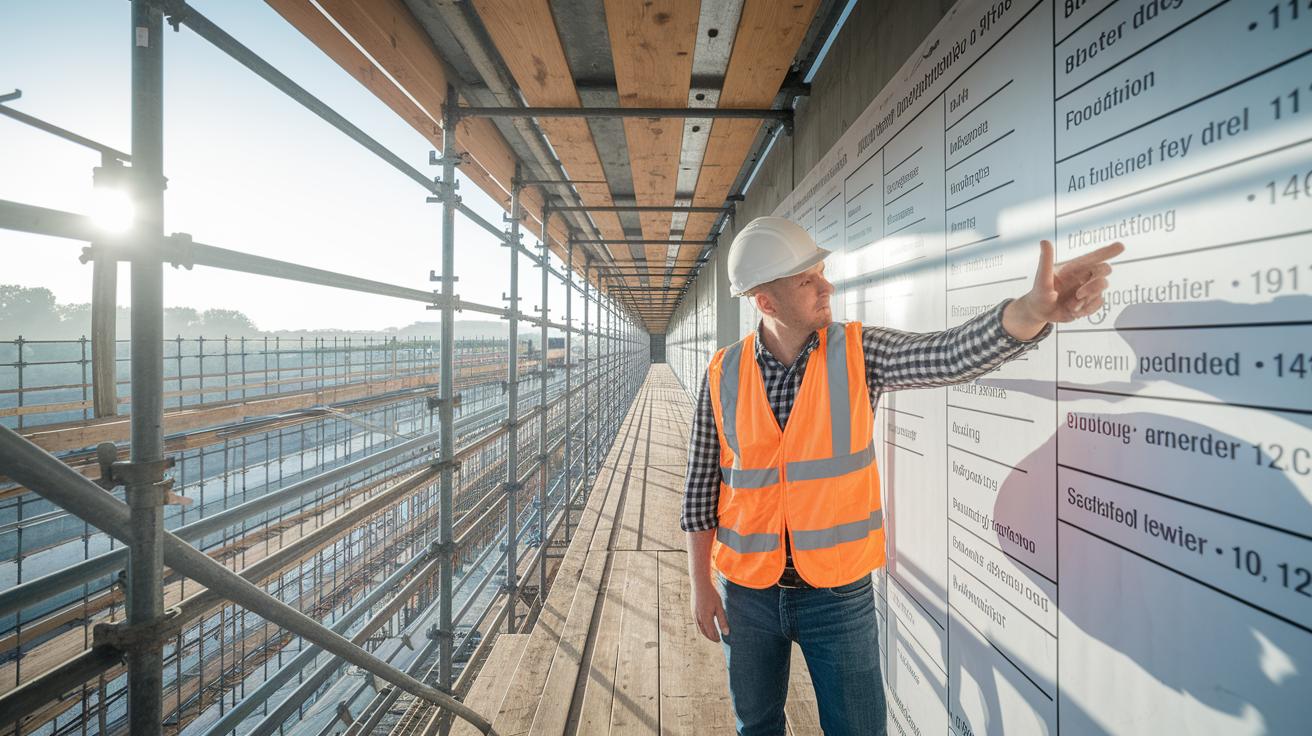
The Last Planner System® is a lean construction method that brings trade contractors, foremen, and field supervisors together to create realistic work plans. Its aim is to boost on-site reliability by adjusting plans based on current conditions and committing to tasks you can actually finish.
CPM (Critical Path Method) lays out a project from start to finish with set timelines and clear logic for each step. In contrast, pull planning works backward from a fixed milestone. Instead of planning from day one, you start at the finish date and list tasks in reverse order. This approach helps ensure each task fits the real constraints on the job site.
By combining CPM’s clear framework with pull planning’s flexible, field-based approach, you get an enhanced delivery system. CPM sets the overall plan, while pull planning adapts to what’s happening on site. This mix improves coordination and helps cut delays.
Pull planning is different from weekly meetings that break the long-range plan into daily targets. Instead, it creates a complete backward sequence that lets teams adjust on the fly. Each task is aligned with real field needs, not just meeting immediate daily goals.
Digital Pull Planning Tools for Construction Scheduling
Digital pull planning tools speed up your project schedule by keeping your plan online and current. They remove the hassle of transferring info from paper to spreadsheets. Changes update instantly so everyone, even remote team members, sees the most recent details.
Traditional pull planning uses sticky notes and in-person meetings. Digital tools let you work from anywhere and help cut mistakes seen with manual notes. Keep in mind that switching may require time to learn the new system and set it up to meet your field needs.
| Feature | Physical Pull Planning | Digital Pull Planning |
|---|---|---|
| Accessibility | Limited to in-person sessions | Accessible from anywhere |
| Trackability | Manual notes and boards | Real-time updates and logs |
| Speed of Updates | Slow due to manual changes | Instant changes |
| Remote Collaboration | On-site only | Enables virtual meetings |
| Data Retention | Paper records can be lost | Stored digitally and easily accessed |
Select digital pull planning tools when remote teamwork and fast updates are key. They work best when your project needs lots of adjustments and a reliable digital record, making planning quicker and more transparent.
Best Practices for Pull Planning in Construction Projects
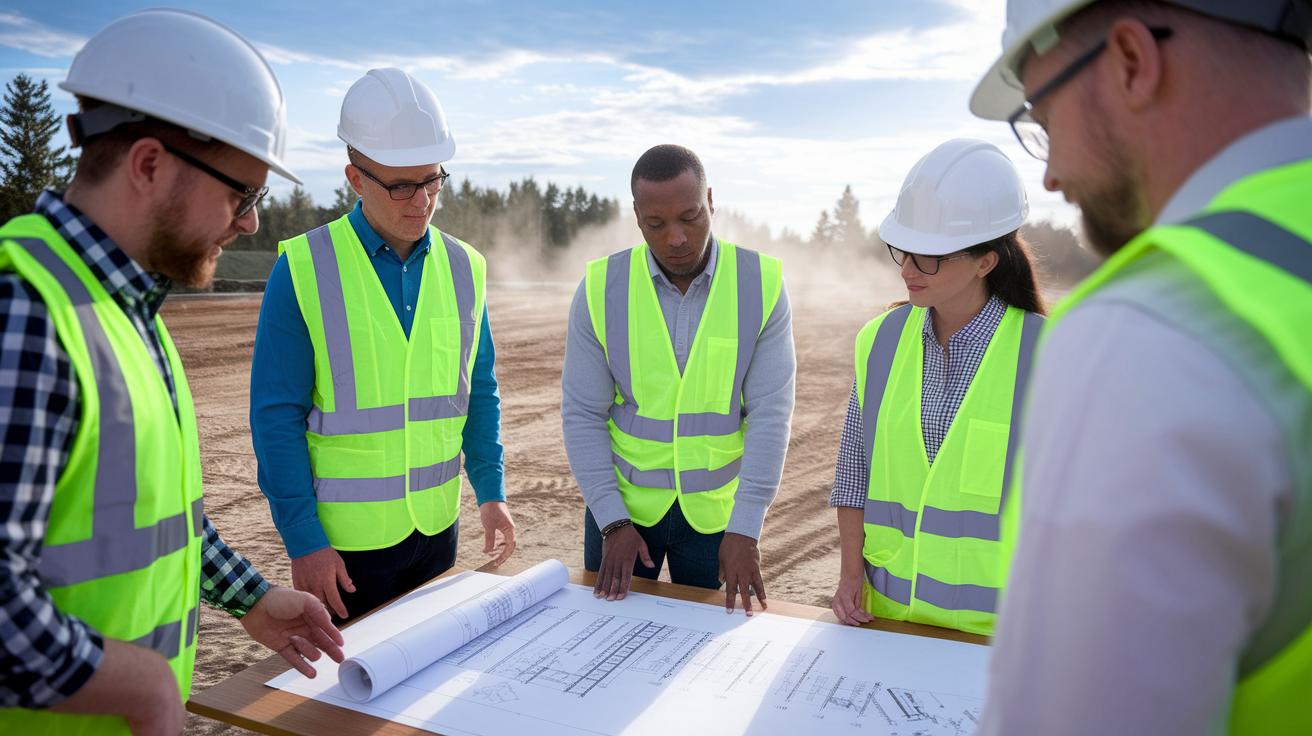
Engage All Stakeholders
Bring every trade contractor, foreman, and field supervisor into the planning session. This makes sure no part of the work is missed. Ask each person to share one real-life concern, like a delay in material delivery, before the meeting starts. A neutral facilitator should guide the conversation without taking sides, allowing everyone to voice their ideas and challenges.
Maintain Realistic Crew Sizes
Keep crew numbers steady to prevent crowding and delays. Start each session by counting available workers and matching them to the planned tasks. Talk about any staffing changes right away so that the schedule stays realistic. Matching crew sizes with the work keeps the project moving without idle time.
Document and Review Constraints
Write down all project limits such as material supply issues, inspection timings, access problems, or design changes. Assign one team member to update these notes as issues come up. After the meeting, review the list to make sure everyone understands the constraints. For example, record specific details like inspection schedules or material lead times, and revisit these notes in follow-up meetings to keep things on track.
Pull Planning in Construction: Case Studies and Success Stories
In one data center project, the team used pull planning to cut delays by 20%. They began planning from the final deadline and worked backward. This approach revealed material shortages and design issues early on. Adjusting work packages at the start helped them steer clear of expensive overruns and keep the schedule on track.
At a life sciences facility, pull planning ensured the project started on time. Every trade was included, and the team carefully tracked key tasks like inspections and material deliveries. This hands-on method made sure each part was ready when needed, turning what could have been delays into a smooth launch.
An advanced manufacturing site also chose pull planning for managing phased deliveries. They reviewed each phase and updated task orders based on real-world challenges. These step-by-step sessions improved communication between the field and the office and set a strong example for efficiency and reliability.
Final Words
In the action, pull planning in construction stands out as a practical method that works backward from the final milestone to build clear, coordinated work steps. We explained effective steps, handy guides, and real-life examples that show improved scheduling, better team coordination, and reduced project delays.
These techniques support a collaborative and safe job site. Use these insights to keep your projects on track, within budget, and set up for a smooth build every time.
FAQ
What is pull planning in construction?
The pull planning method is a backward scheduling technique that starts with the final project goal and works in reverse, ensuring realistic field execution, improved trade coordination, and alignment with actual work constraints.
What are pull planning templates and examples?
The pull planning templates and examples provide clear formats and visuals to guide backward scheduling, helping teams map tasks, identify constraints, and coordinate trades effectively in construction projects.
What is pull planning software?
The pull planning software offers interactive digital tools that streamline task scheduling, enable quick updates, support remote collaboration, and improve data retention, making planning more efficient than traditional methods.
What is the difference between CPM and pull planning?
The difference between CPM and pull planning is that CPM uses a forward logic to map overall project tasks while pull planning works backward from milestones, relying on field input to create realistic, constraint-driven schedules.
What is the difference between push and pull planning?
The difference between push and pull planning is that push planning schedules work forward from a start date, whereas pull planning builds the schedule backward from set milestones, making it more adaptable to on-site realities.
Why is it called pull planning?
It is called pull planning because the process ‘pulls’ work packages from the end goal backward instead of pushing them from the start, ensuring that each task reflects real-world capabilities and constraints.