

Ever thought a classic material could update your home's look? Hickory flooring mixes rugged texture with modern style to create a warm, inviting space that matches any decor. You can choose between solid wood or engineered types. Engineered options resist moisture while keeping stable even in busy homes. Hickory flooring shows that long-lasting quality can boost modern appeal and cut down installation time. It's a smart choice for homeowners who want both practicality and style.
hickory flooring Brightens Modern Home Aesthetics
Hickory hardwood flooring changes your space with a blend of natural grit and modern style. Solid planks bring a warm, classic look, while engineered options are built to resist moisture, great for busy families or damp areas. For example, engineered types like Shaw Reflections Sliced Hickory (7 in / 17.8 cm wide x 1/2 in / 12.7 mm thick) stay stable and are easy to maintain in changing conditions.
Popular collections such as Blanc, Muse, DreamVille, Lively, Elemental, Herringbone, and Chevron offer finishes from wire-brushed to hand-scraped. These textures highlight the wood’s natural grain and give your room a look that works with both modern and traditional decor. Colors range from white, beige, golden, reddish-brown, dark brown, grey to neutral tones, letting you pick a style that fits your home.
| Collection | Finish | Width Range |
|---|---|---|
| Blanc, Muse | Wire-brushed | 3 1/4″ – 7 1/2″ |
| DreamVille, Lively | Hand-scraped | 3 1/4″ – 7 1/2″ |
These floors are made with sustainable practices and expert craftsmanship. A well-known designer mentioned that adding engineered hickory not only freshened up a room but also cut installation time by nearly 30%. This mix of efficiency and style makes hickory flooring a smart choice for brightening up any modern home.
Hickory Flooring Durability and Longevity Factors
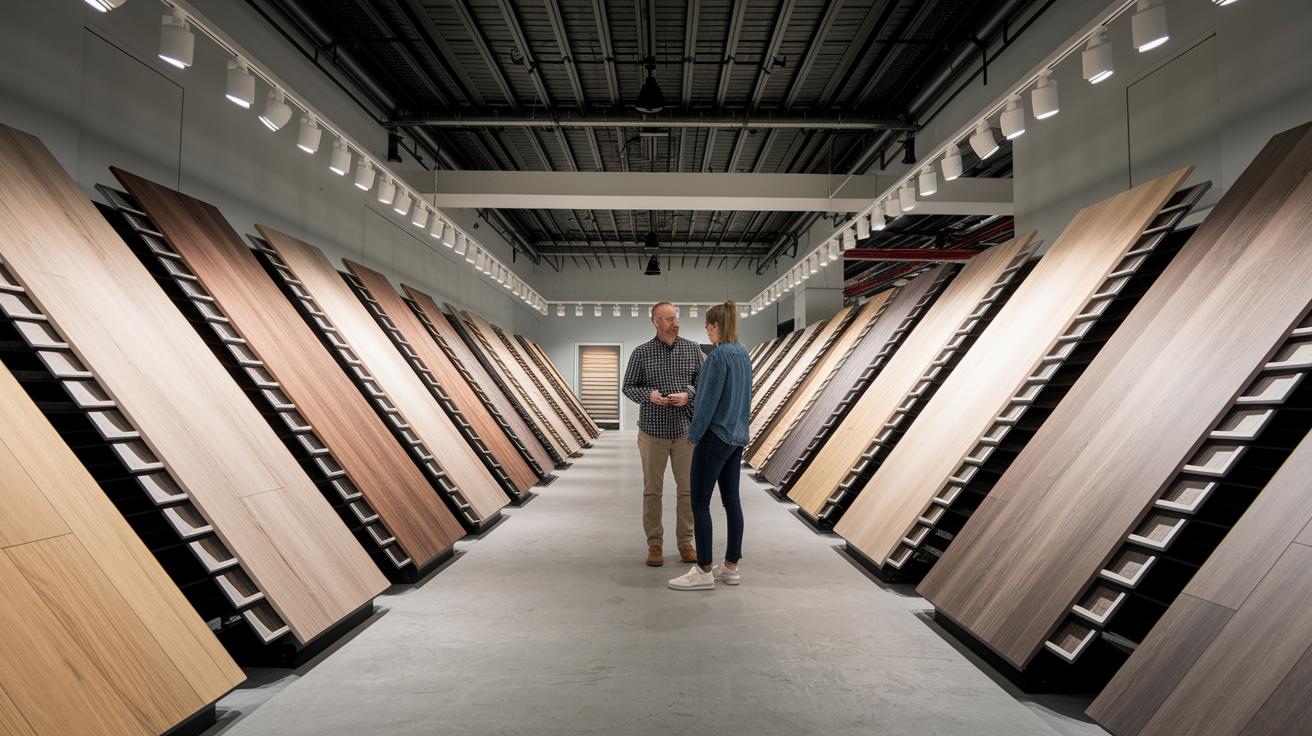
Hickory is one of the toughest woods grown in the United States. Its high Janka rating (a measure of how hard a wood is) means it holds up well even in busy areas. The wire-brushed and hand-scraped finishes add style while hiding minor scratches and scuffs. For example, Shaw Duras Hardwood Wayward Hickory is 3/8 in (9.5 mm) thick and uses its texture to mask surface wear.
Engineered hickory floors are a smart choice for damp spots like basements and kitchens. Options such as Pergo Woodcraft Waterproof Hardwood and Shaw Floorte Exquisite Natural Hickory come with attached pads and built-in moisture barriers (materials that stop water from reaching the wood). These features help the boards stay strong over time, even in conditions with heavy use.
Overall, hickory flooring blends natural strength with smart design. The scratch-resistant surface and moisture protection make it a reliable choice for anyone needing long-lasting floors. This balance ensures your hickory floors keep their look and durability for many years, even in high-traffic settings.
Installing Your Hickory Flooring: Techniques and Tools
Solid hickory planks need to be nailed or stapled to fix each board in place. Engineered click-lock systems let you install a floating floor by simply clicking the boards together. Boards measure between 12 in (30 cm) and 84 in (7 ft, 213 cm) and come in different widths, so plan your layout to handle these natural variations.
Before you begin, inspect your subfloor. It must be level within 3/16 in (about 5 mm) over 10 ft (3 m) to ensure a smooth surface. Use a moisture meter to check the subfloor and the air. A quick check now can save you from headaches later. Remember: measure twice, cut once.
Underlayment reduces moisture and adds a bit of cushion. Options include 2 mm foam, combination vapor barriers, or 6-in-1 liners. Choose the one that works best for your subfloor and how you plan to install the flooring.
Essential tools include:
- Flooring nailer or stapler to secure solid planks.
- Spacers to maintain even gaps.
- A moisture meter for checking subfloor and ambient moisture levels.
- A jigsaw or miter saw for making precise cuts.
Popular layout patterns like herringbone, chevron, and random-width designs add style to your space. For example, a random-width pattern can make the room feel more dynamic and add a touch of rustic charm.
Check all your tools and materials before starting, and take the project step by step for a smooth installation.
Maintenance and Care Practices for Hickory Floors

Sweep or vacuum your floors daily to remove grit that can wear down the finish. Use a microfiber mop with a pH-neutral cleaner to keep the finish looking fresh. Wipe up spills right away; a quick clean can stop stains in their tracks.
Even though hickory floors with hand-scraped or wire-brushed surfaces hide small scuffs, keep a regular cleaning routine. Deep-clean periodically and recoat the factory finish every 3–5 years (approximately 3–5 years or 36–60 months) to renew the shine and protect against wear.
Consider this preventive maintenance checklist to extend the life of your floors:
- Use felt pads on chair legs to reduce scratches.
- Place area rugs at entryways to trap dirt.
- Put door mats at entrances to catch grit.
- Maintain humidity between 35% and 55% (around 35–55%).
- Clean spills immediately to prevent staining.
For more hickory-specific care steps, refer to the home maintenance checklist. Regular care like this helps your hickory floors stay bright, durable, and a standout feature in your home.
Cost Analysis and Budget Tips for Hickory Flooring
When planning a hickory flooring project, start by knowing your costs. Engineered hickory runs about $4–$8 per sq ft. Solid planks cost roughly $6–$12 per sq ft. Don’t forget to include underlayment at around $1–$3 per sq ft and, if needed, professional installation at $2–$4 per sq ft. If you choose to install it yourself, you can cut labor costs but may need extra tools.
Watch for price drop alerts on premium lines like some Shaw options. These designs often have finishes that add about a 20% premium over standard styles.
You can trim costs by negotiating. Ask your suppliers about bulk discounts, seasonal deals, or competitor price matches. Compare offers based on warranty terms and service support. Engineered flooring usually comes with a 25-year structural warranty. Solid hardwood might even offer a lifetime guarantee. Confirm these details to ensure long-term value.
Break your budget into clear parts:
| Category | Details |
|---|---|
| Materials | Flooring and underlayment |
| Labor | Professional installation or DIY efforts |
| Extras | Tools, maintenance items, and accessory trim |
This cost breakdown, paired with smart supplier choices and negotiation strategies, helps keep your project on budget. Enjoy the stylish, durable look that hickory flooring brings to modern homes.
Aesthetic Options: Styles, Finishes, and Trends in Hickory Flooring
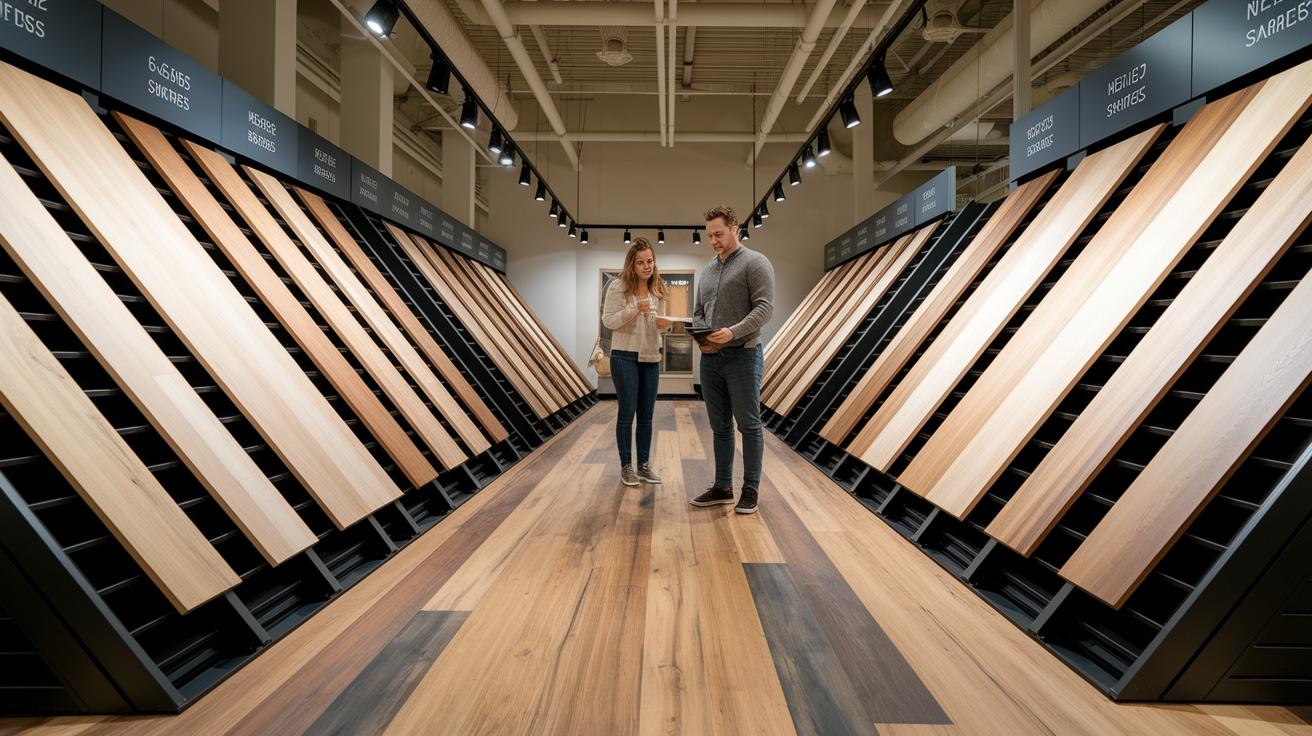
Hickory flooring shows off a mix of natural colors, from soft cathedral patterns to bold swirls. The width of the boards really changes the look. Wide planks (6 in [15.2 cm] to 8 in [20.3 cm]) make a room feel larger and add a striking touch. In contrast, 3 1/4 in (8.3 cm) boards bring a classic, detailed look to more segmented spaces.
Engineered hickory options come with UV-cured coatings that lock in color and make installation easier while keeping a natural feel.
A fun fact: Before he became a famous architect, Frank Lloyd Wright found inspiration in the natural textures of hickory flooring, a detail that later influenced his iconic designs.
Pros and Cons Evaluation of Hickory Flooring
This brief recap highlights key points from the durability, installation, maintenance, and cost sections for a quick review.
Pros:
- A hard, long-lasting surface that keeps dust and allergens down. For example, a hickory floor in a busy entryway can help maintain cleaner air.
- Unique grain patterns that work well in both farmhouse-style and modern settings. For instance, the natural grain adds a touch of texture to a sleek living area.
- Eco-friendly engineered options help reduce manufacturing waste.
Cons:
- Hickory flooring tends to cost more than choices like oak or maple. For example, it might push your remodel budget a bit higher.
- Color variations between batches can make it tough to get a uniform look. One room may show a slightly different hue than another if consistency is important.
- Its deeper texture can hold dust unless you keep up with regular cleaning.
For more details, check out the sections on durability, cost, and maintenance.
Comparing Hickory Flooring with Other Hardwood and Alternative Floors
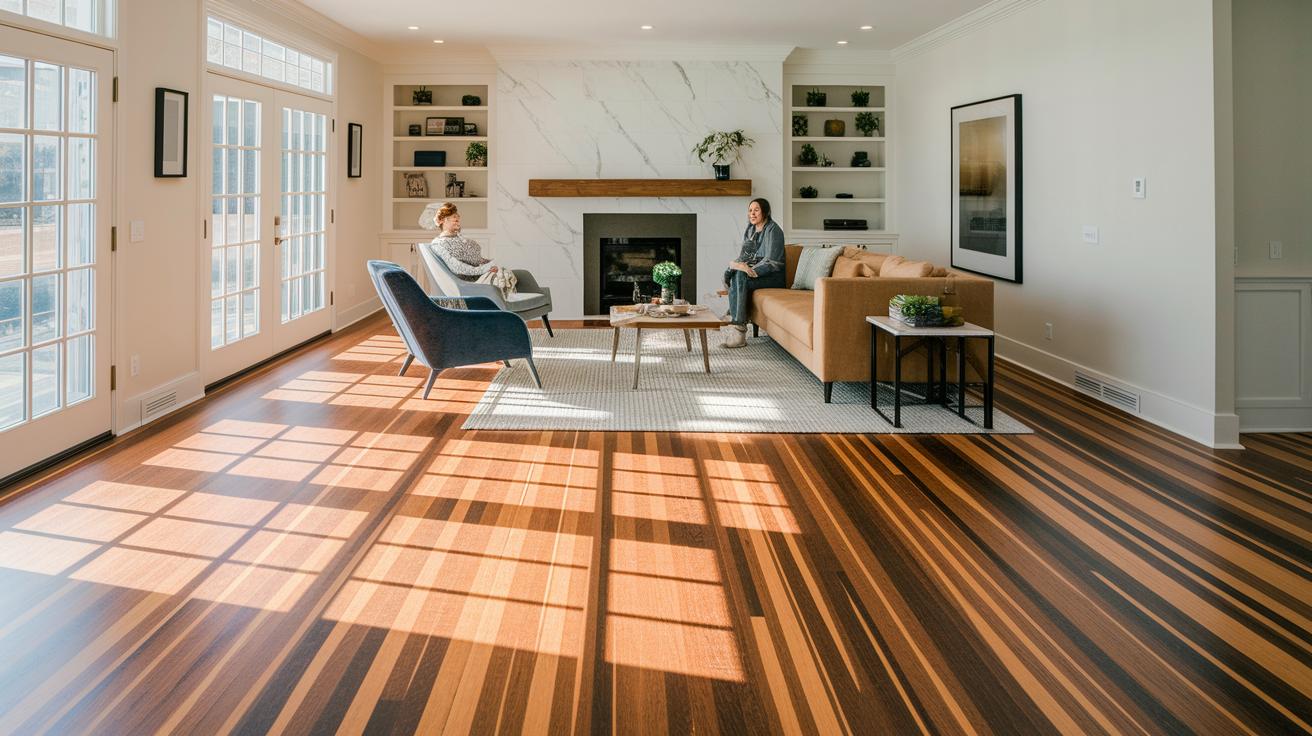
Hickory flooring is a top pick for busy areas. It is about 25% harder than red oak, making it tough enough to handle heavy foot traffic. Its varied grain gives the floor a lively, textured look that fits both modern and traditional rooms.
Maple, on the other hand, offers a uniform look with less color change. While maple shows a subtle pattern, it doesn’t pack the same punch in hardness as hickory does. Many homeowners appreciate the bold grain and strength that hickory brings to a space.
Laminate flooring provides a budget-friendly option at 30–50% less cost than hickory. However, laminate often misses the mark on natural texture and lacks the ability to be refinished. Rigid-core waterproof planks try to copy hickory’s appearance and feature a simple click install with extra moisture protection. Still, they score lower on the Janka hardness test and don’t have that genuine wood feel underfoot.
Other factors, like ease of installation, long-term care, and the option to refinish, play a big role when choosing a floor. Think about where the floor will go and your own style before you decide.
If you’re weighing your choices, consider performance, looks, upkeep, and price. Hickory flooring shines with its superior strength and vivid grain, making it a solid choice for those who want a floor that can stand up to heavy use while looking great.
Final Words
In the action: you explored hickory flooring types, installation techniques, and care practices in a clear, step-by-step way.
You got insights on durability, cost analysis, and design trends, along with smart budgeting tips.
The guide stressed practical techniques and safety tips to help you work confidently.
It’s all about smart choices for a robust flooring project that fits your budget.
Enjoy transforming your space with the natural beauty of hickory flooring and hands-on know-how.
FAQ
What is unfinished hickory flooring?
Unfinished hickory flooring means the wood comes without a factory-applied finish, so you complete the sanding, staining, and sealing. This option allows personal customization but requires extra time and labor.
Where can I find hickory flooring near me?
Searching for hickory flooring near you often leads to local flooring retailers, home improvement stores, and specialized outlets. Check online directories and store websites to compare options and availability in your area.
What are the downsides of hickory flooring, and are scratches a concern?
The downsides include higher cost, noticeable color variations, and deeper textures that can attract dust. Although hickory’s hardness minimizes damage, minor scratches may occur but are generally hidden by its grain.
How does vinyl mimic hickory flooring?
Vinyl options reproduce the natural hickory look with printed textures and finishes, offering moisture resistance and lower cost. They lack the authentic feel and refinishing flexibility of real wood flooring.
Where can I buy hickory flooring for sale?
Hickory flooring is available through local home improvement stores, dedicated flooring retailers, and online outlets. These sources offer a range of solid, engineered, and vinyl options to fit different budgets and design styles.
What drives the cost of hickory flooring?
The cost is driven by hickory’s high durability, unique grain patterns, and quality finishing. Premium solid options require extra processing, contributing to a higher price compared to more common hardwood alternatives.
What defines wide plank hickory flooring?
Wide plank hickory flooring features boards exceeding 6 inches. These broader planks emphasize natural wood grain and color variations, creating a modern, spacious look that enhances interior design.
What distinguishes solid hickory flooring?
Solid hickory flooring is made from one piece of timber, offering long-lasting durability and natural character. Typically installed with nails or staples, it may require periodic refinishing to maintain its look.
Is hickory a suitable flooring option?
Hickory is a strong choice for flooring due to its excellent durability, striking grain, and versatility. Its natural hardness makes it ideal for high-traffic areas, supporting both modern and traditional interior styles.
What colors complement hickory flooring?
Neutral hues like white, beige, and soft gray complement hickory flooring by highlighting its natural tones. Earthy shades and bold accents also bring out the wood’s unique grain, enhancing any space’s design.