

Can one simple checklist keep your team safe? A job safety analysis checklist splits work into clear steps so you can spot hazards before you start. Think of it like checking your tools before you begin a project, you prepare, inspect, and ward off risks. This method not only keeps your crew safe but also helps work run smoothly. We will show you how using a checklist creates a safer worksite and lowers the chance of accidents. Read on for easy, practical steps for every job.
Understanding the Job Safety Analysis (JSA) Checklist
A JSA checklist, also known as a JHA (Job Hazard Analysis), breaks a job down into clear, manageable steps. It helps you spot dangers and decide on safety measures before you start work. OSHA recommends using a JSA for high-risk jobs, unusual tasks, new projects, or work done by new employees. In fact, using one has cut common workplace injuries by 22.5%.
Imagine this: before you begin any task, checking for hidden hazards is as important as inspecting your tools before a big build. This simple step helps you get a clear view of the safety risks.
First, choose the job you want to analyze. Next, split the work into simple steps, like setting up equipment, doing the work, and cleaning up. Then, look for dangers in each step and in the surrounding area. Finally, set up safety actions such as using the right personal protective equipment (PPE) or adding safety guards (engineering controls). If you find any gaps in your plan, go through the steps again to catch everything.
Using this practical approach and a ready-to-use JSA form makes sure every worker knows the risks and how to handle them. For more safety tips, check out the jobsite safety analysis at https://neull.com?p=81. A good JSA checklist builds a safer work environment, speeds up risk management, and cuts down on injury rates.
Core Components of a JSA Checklist

A good JSA checklist uses four clear steps to help you plan work safely. First, pick the job that comes with known risks. For example, if you're working on a roof, be extra cautious and use fall protection.
Next, break the job into simple steps like setup, operation, and cleanup. This makes it easy to spot where hazards might appear. Think of it like following a recipe: gather your tools, follow each step in order, and finish with a clean work area. For instance, when repairing a concrete mixer, list tasks such as disconnecting power, draining fluids, and checking moving parts.
Then, inspect each step and its work area for hazards. A quick tip: check all equipment for loose parts and signs of wear. You can also add safety measures like lock-out/tag-out (a system to shut down power) on heavy machinery.
Finally, set up control measures. List the required PPE, install safety guards, and note any special tools needed to lower risks. If new hazards show up or work conditions change, update your checklist right away. For example, if you spot frayed wiring during an electrical repair, adjust your controls and record the change immediately.
| Step | Action |
|---|---|
| Select the job | Choose a task with clear risks, like roof work. |
| Break into tasks | Divide the job into setup, operation, and cleanup with clear steps. |
| Inspect hazards | Check the work area and equipment; include safety checks like lock-out/tag-out. |
| Develop control measures | Note required PPE and safety guards; update the list when conditions change. |
• End each step by noting any updates or changes.
• Record your findings in your safety procedure primer for future reference.
Remember, even a small oversight can cause big problems. A well-kept checklist acts as a live guide to keep safety as your top priority on every job.
Quick-Reference JSA Checklist
Use this checklist as a handy tool while you complete your full job safety analysis. Focus on these simple steps and add your own examples when needed.
-
Choose your target job.
Pick a task that clearly shows hazards. For example, if you choose roofing repair, you know fall risks exist. -
Break work into clear steps.
List every stage, from setting up equipment to cleaning up. This keeps the process organized. -
Identify hazards in each step.
Check every stage and look for risks in your tools, equipment, or surroundings. For instance, watch for clutter or poor lighting that can cause slips. -
Develop control measures.
Write down fixes like safety nets, work rules, or the right protective gear (PPE). Update the list if you find new risks.
| Step | Action |
|---|---|
| 1. Choose your target job | Select a task that highlights clear hazards, such as roofing repair. |
| 2. Break work into clear steps | Detail stages like equipment setup, operation, and cleanup. |
| 3. Identify hazards | Spot risks in the task and work area, such as clutter or dim lighting. |
| 4. Develop control measures | Plan fixes using engineering changes, work rules, and PPE. Update as necessary. |
JSA Checklist Examples for Key Industries
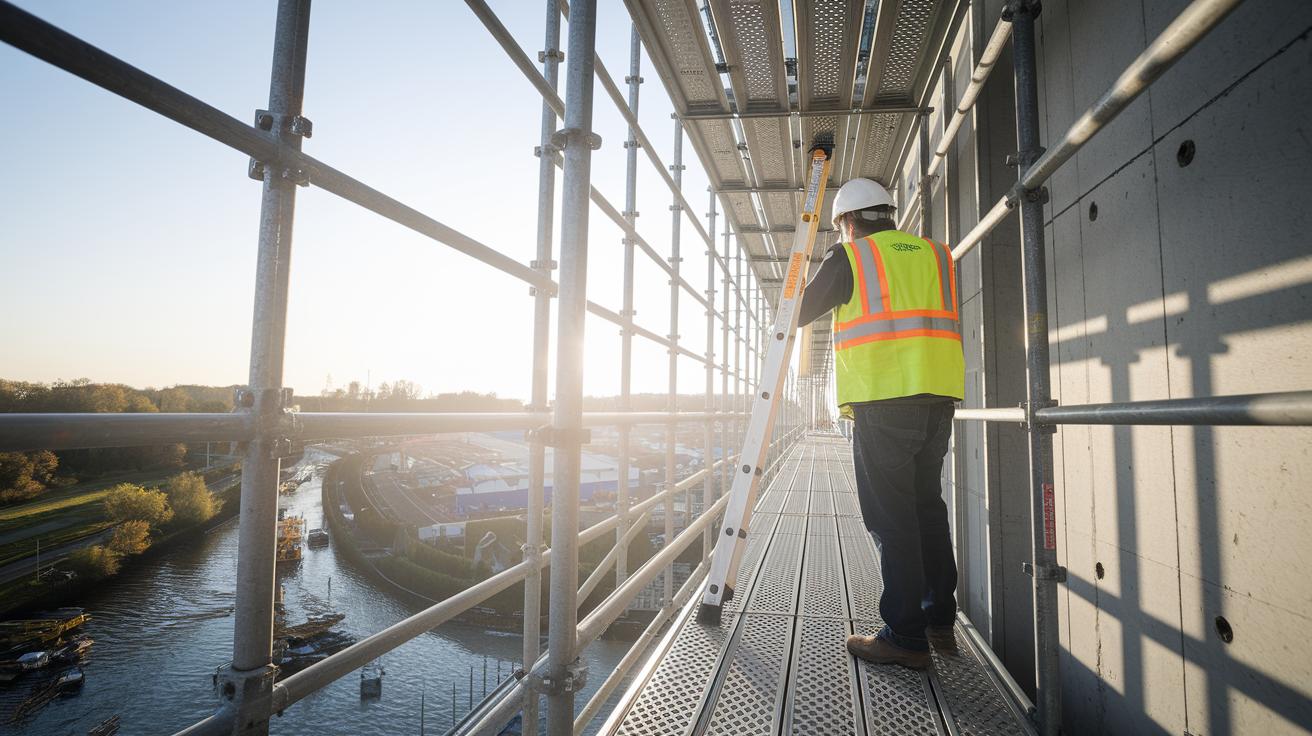
In construction, a JSA checklist helps you set up equipment safely. For example, when framing a roof, always secure your ladders and check that scaffolds are steady. Inspect scaffold joints and ensure safety nets are in place. Use hardhats, fall-arrest systems (safety harnesses that stop you from falling), and clear warning signs to control risks. For more tips, visit https://neull.com?p=115.
In the oil and gas sector, drilling has its own set of hazards. High-pressure releases and chemical exposures can be very dangerous. Your checklist should remind you to inspect valves and pressure controls, check for leaks, and make sure chemicals are handled with proper protective gear. A quick tip: double-check seals and equipment gauges before starting the drill.
In manufacturing, assembly line tasks come with risks too. Watch out for repetitive motion injuries and pinch points where moving parts can catch your fingers or limbs. When cleaning or maintaining a line, stay alert around moving machinery. Regular checks and real-time reporting help catch issues early. Follow documented processes, maintain proper intervals, and use the right PPE to keep everyone safe.
Ensuring Compliance with JSA Checklist Requirements
Follow OSHA rules by keeping a simple checklist for every work step. Use a chart to record safety checks as you set up equipment, operate machines, and clean up. Write down any hazards you spot at each stage and update the chart immediately when conditions change.
Adopt a risk management plan with EHS software that handles hazard checks automatically. This tool quickly calculates risks and produces real-time reports. For example, when you log a task, it might prompt, "Inspect equipment – before turning on the machine, check for signs of wear or damage."
Review safety data regularly. This helps ensure each checklist step remains effective and keeps audits simple. The system logs risks and records every action, making it straightforward to follow key safety steps.
Updating and Maintaining Your JSA Checklist Over Time

Keeping your checklist current is key. When you spot a new hazard, like a slick patch during winter work, update the task breakdown right away. This quick review helps your checklist mirror the risks on your site.
Real-time alerts and digital tools speed up the response. For instance, if your mobile app warns you about an odd condition on a cold day, adjust your control measures fast to protect your crew.
Consider using tools like AI Copilot to simplify updates on the job. They flag issues, check if your safety steps work, and record changes as hazards or work methods evolve.
Keep these tips in mind:
| Action | Purpose |
|---|---|
| Watch work conditions constantly | Spot risks early |
| Record hazards as soon as they appear | Keep records accurate |
| Update checklist details via mobile | Save time and keep data current |
| Review control measures | Make sure they still work |
These small steps add up to a strong safety plan that matches your job site needs. Update today to keep bigger issues from cropping up tomorrow.
Downloadable JSA Checklist Template and Digital Tools
This ready-to-use checklist template helps you plan each job safely. It has sections for a job description, a list of task steps, columns to spot hazards, checkboxes for safety controls, and a log for any incidents. The layout makes sure you record every risk detail at the job site. For example, after finishing a task, you can write, "Checked equipment setup and recorded loose parts" in the incident log.
Digital forms that link with your Environmental, Health, and Safety system let you update the checklist right away using mobile apps or an AI assistant. These tools help you track audits and maintain accurate safety records.
Final Words
In the action, a job safety analysis (JSA) checklist broke down the work into clear, manageable steps. We reviewed hazard identification, task breakdown, and control measures that cut risk on the job. Practical example templates and digital tools were highlighted to help keep your checklist current and compliant. Real-time reporting and safety reminders keep hazards in check. With these steps, you’re set to tackle projects confidently, focusing on safety and efficiency every step of the way.
FAQ
Frequently Asked Questions
Where can I find free printable JSA templates and examples?
Free downloadable JSA templates are available in Word, PDF, and Excel formats. They include forms that list job steps, hazard assessments, and control measures for industries like construction.
What are the 5 steps of JSA?
The five steps of job safety analysis include choosing the job, breaking it into tasks, identifying hazards, developing control measures, and reviewing the process to keep defenses strong.
Are JSAs legally required?
JSAs are legally required for high-risk or non-routine tasks under OSHA guidelines. They help lower workplace injury rates and support compliance during inspections.
What does a good JSA look like?
A good JSA clearly details each task step, identifies hazards, lists necessary control measures, and is easy to follow. It’s tailored to the specific work environment and task.
How do you write a proper JSA?
Writing a proper JSA means selecting the job, breaking it into clear steps, identifying potential hazards for each step, and specifying control measures while updating the document as needed.