

Engineered hardwood flooring gives you the classic look of real wood while being built to take on everyday moisture and wear. Its layered build keeps it stable in wet spots like kitchens and basements, making it an excellent choice for busy homes. In this post, we break down how it’s made, what it will cost, and how to care for it so you know what to expect. Get ready to learn why this flooring is a practical pick that brings lasting warmth and style to any room.
Engineered Hardwood Flooring Overview: Features, Costs, Installation & Care
Engineered hardwood flooring brings the warm look of natural wood with a design that stands up well to challenging spots. It features a thin hardwood layer (2–6 mm, roughly 0.08–0.24 in) bonded to a sturdy plywood or high-density fiberboard core. This build reduces the chance of the floor expanding or contracting with moisture, so it holds up better in places like wet basements or busy kitchens.
You can expect to spend about $4.50 to $16 per sq ft, which is a smart choice compared to solid hardwood that costs between $5 and $28 per sq ft. This cost benefit is great for those who want durability without overspending. Quick tip: Engineered hardwood flooring blends classic beauty with modern strength.
Its enhanced moisture resistance is a major plus. Thanks to its layered design, the floor remains stable even when humidity and temperature take a turn. This keeps your floor even and secure in moisture-prone areas.
Maintenance is easy. Keep a supply of pH-neutral or manufacturer-approved cleaners on hand and wipe up spills quickly. Although the number of times you can refinish the floor depends on the veneer thickness, most engineered hardwood floors can handle one or two refinishes during their life, which helps you manage minor repairs and keep them fresh.
There are several installation options available, floating, glue-down, or nail-down. Choose the method that fits your subfloor and room conditions and be sure to follow the proper moisture control steps for a lasting, smooth finish.
Engineered Hardwood Flooring Construction: Layers & Stability
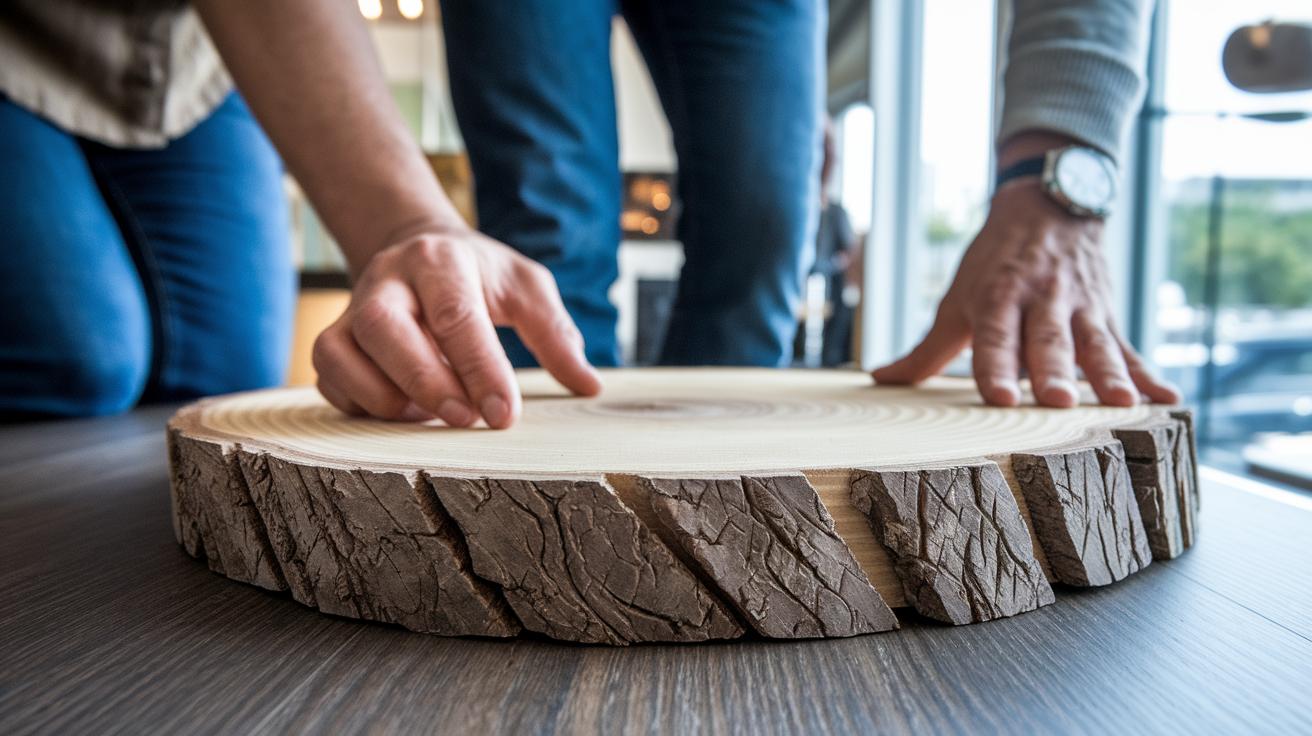
Engineered hardwood flooring is made from several layers that come together for solid strength and stability. The top layer is a hardwood veneer about 2–6 mm (0.08–0.24 in) thick. It shows off the natural look of wood. Under that, there are several cross-ply layers using plywood or high-density fiberboard (HDF), which helps reduce expansion and contraction by up to 75% compared to solid wood. This means the floor stays steadier when moisture or temperature changes occur.
The core provides a strong base. For example, an HDF core arranged with alternating grain patterns minimizes movement and stands up well against subfloor moisture. A thicker veneer lets you refinish the floor more times, while a thinner veneer limits your sanding options. Each layer plays its part in making sure your floor stays durable and performs reliably in busy or moisture-prone areas.
2 engineered hardwood flooring Radiates Lasting Charm
Begin by prepping your subfloor the right way. The subfloor must be level within 3/16 in (4.8 mm) over every 10 ft (3.0 m) and should be free of dust and moisture (less than 2 lbs [0.91 kg] per 1,000 sq ft [93 sq m] per day). An uneven surface can lead to squeaky or shifting boards. For example, if you notice a dip with your long level tool, fill it with a leveling compound to smooth it out.
Before installing the flooring, check these points:
- Ensure the subfloor is clean and dry.
- Measure moisture levels with a moisture meter.
- Level any uneven area using shims or a self-leveling compound.
There are three main methods to install engineered hardwood flooring: floating (click-lock), glue-down, and nail-down. The floating method, which uses click-lock planks, is perfect for DIYers because the boards simply click together. Try gently tapping a board until you hear a click that signals it is locked in place.
The glue-down method works best when you want a low-profile finish on a smooth subfloor. Nail-down is a favorite for professionals seeking extra hold. No matter which method you choose, always leave a 1/4 in (6.4 mm) gap around the perimeter so the wood can expand or contract with temperature changes.
For concrete floors, it is essential to install a moisture barrier. Lay down the moisture barrier and underlayment before you start. This extra step guards against moisture and helps keep your engineered hardwood flooring stable and beautiful.
Cost & Budgeting for Engineered Hardwood Flooring Projects
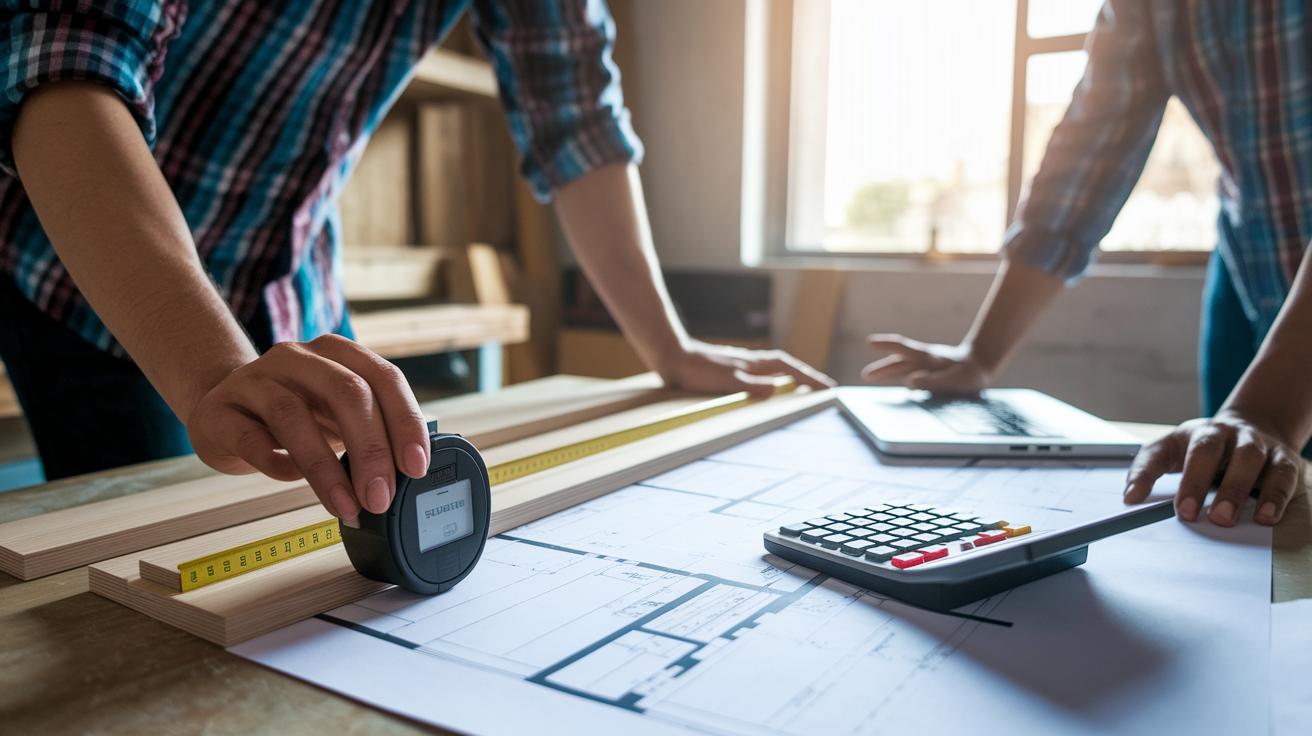
When it comes to engineered hardwood flooring, every cost matters, from the boards to the extras. Material prices usually range from $4.50 to $16 per sq ft, while labor costs run about $3 to $5 per sq ft. These figures help when deciding between a DIY project or hiring a pro. For instance, a homeowner might say, "I saved on labor by doing it myself, but I had to watch every detail to keep my warranty intact."
When planning your budget, break it down by listing these items:
- Engineered hardwood boards: $4.50–$16 per sq ft
- Labor (if hiring a pro): $3–$5 per sq ft
- Underlayment: $0.50–$1.50 per sq ft
- Transition moldings: $20–$40 each
DIY installation can save you money, but errors might end up costing more down the line. A checklist helps you make sure every expense is covered. Always check local prices for the best estimates. For most projects, make sure to include both material costs and any extra charges that come up during installation. If your budget is tight, think about the trade-off between saving money upfront and potential repair costs later.
Engineered hardwood flooring can boost your home’s appeal and may offer a 70–80% return at resale. Knowing how each cost contributes to the total makes planning smoother from start to finish. Quick tip: Create a spreadsheet with separate columns for each expense to easily track your project costs as you go.
Maintaining Engineered Hardwood Flooring: Best Practices & Refinishing Tips
Keep your engineered hardwood floor looking its best by cleaning it regularly and taking simple precautions. Use a pH-neutral cleaner (one that will not damage the wood) or a cleaner approved by the manufacturer. For example, mix a mild solution of pH-neutral soap with water and gently mop the floor. This method avoids harsh chemicals. Don’t let water pool on the surface , standing water can harm the wood.
Protect your floor from everyday wear. Place felt pads under furniture legs to stop dents and scratches. You might also choose a smooth-surface finish that resists marks naturally. Quick tip: use temporary mats in busy areas when moving heavy items to prevent scratches.
Wipe up spills within 24 hours to keep the wood from swelling. Regular dusting or sweeping removes dirt and grit that can scratch the surface over time.
Engineered hardwood floors can usually handle one to two light sandings. The thin top layer (veneer) is often about 2–6 mm (0.08–0.24 in) thick, so deep refinishing on floors with veneers under 3 mm (0.12 in) is not recommended. A light sanding can remove minor scratches or dents while keeping the wood layer safe.
- Use pH-neutral cleaners
- Wipe spills promptly
- Place felt pads under furniture
Following these simple steps will help your engineered hardwood continue to shine with lasting charm.
Comparing Engineered Hardwood Flooring to Alternative Flooring Options

Engineered hardwood flooring uses a thin layer of real wood over several layers designed for strength. It works well in areas like living rooms. Compared to solid hardwood, it handles moisture better and needs fewer sandings because the top wood layer, usually 2–6 mm (0.08–0.24 in), is mostly for looks. One homeowner shared that after a kitchen spill, the engineered floor hardly showed any damage.
When you compare it to laminate flooring, engineered hardwood shines with its real wood grain and natural look. Laminate might save you a few dollars, but its planks can dent more easily. Quick tip: If you want that genuine wood feel, engineered hardwood is a smart choice. Just note that it might not be as tough against heavy impacts as laminate.
Luxury vinyl plank (LVP) is another option. LVP is fully waterproof and often costs between $2 and $7 per sq ft. However, its look lacks the depth and warmth of real wood. That makes engineered hardwood a better pick for spaces like family rooms or dining areas, where you’re after an inviting wooden vibe. LVP, on the other hand, works well in bathrooms or basements where moisture is a major concern.
| Flooring Option | Pros | Cons |
|---|---|---|
| Engineered hardwood | Real wood look, better moisture resistance than solid wood | Thinner top layer, may dent under heavy impact |
| Laminate | Budget-friendly, durable against everyday wear | Less authentic wood appearance and prone to denting |
| Luxury vinyl plank (LVP) | Waterproof and lower cost | Doesn’t have the natural texture or warmth of wood |
Design Trends & Sustainable Innovations in Engineered Hardwood Flooring
Today, wider planks (7 to 9 inches / about 18 to 23 cm) are in style. They create a bold look that makes any room feel more open. Many homeowners now choose matte finishes or wire-brushed surfaces for a modern, understated feel. For instance, a wide-plank floor with a hand-scraped texture can add a refined warmth to your space.
Eco-friendly options are also on the rise. Builders and DIYers are using FSC-certified veneers (a mark of responsible forestry) to support sustainable sourcing. Low-VOC adhesives help maintain cleaner indoor air, too. A new trend is the use of bamboo or recycled composite as core materials, which boost strength and stability while keeping projects green.
These trends blend eye-catching design with smart, sustainable choices. Homeowners get a timeless look paired with eco-advancements that meet both style and environmental standards.
Quick tip: Bring a floor sample to your room. Imagine stepping onto a surface that shows off natural wood grain with an eco-friendly twist, beauty that really lasts.
Final Words
In the action, we covered engineered hardwood flooring from its layered build and cost breakdown to installation methods and upkeep. We discussed moisture resistance, design trends, and cost-saving budgeting tips in clear, practical steps. Each section focused on empowering you to tackle your project safely and efficiently. The guide paints a complete picture, from material details to maintenance tips, so you can move forward with confidence. Enjoy the process, and remember that taking on projects with engineered hardwood flooring can make your space both beautiful and durable.
FAQ
What is the cost of engineered hardwood flooring?
The engineered hardwood flooring cost usually falls between $4.50 and $16 per square foot, while solid hardwood averages $5 to $28 per square foot, depending on quality and installation methods.
How does engineered hardwood flooring compare to hardwood?
The engineered hardwood flooring vs hardwood comparison shows that engineered options offer better moisture resistance and dimensional stability, though they may allow fewer refinishes due to the thinner wood veneer.
What are the differences between engineered hardwood flooring and laminate?
The engineered hardwood flooring vs laminate comparison reveals that engineered floors have a real wood veneer for an authentic look, while laminate typically features a printed design that may not provide the same natural warmth.
How does engineered hardwood flooring compare with LVP?
The engineered hardwood flooring vs LVP comparison highlights that engineered floors offer a real wood appearance with improved stability, while luxury vinyl plank (LVP) is fully waterproof and generally lower in cost.
Is engineered hardwood flooring waterproof?
The engineered hardwood flooring waterproof quality indicates enhanced moisture resistance compared to solid wood, making it less prone to warping in basements or kitchens, but it is not completely waterproof.
Which is the best engineered hardwood flooring?
The best engineered hardwood flooring typically comes from well-established brands that emphasize quality materials, stable construction, and proper moisture resistance, ensuring a balance of durability and aesthetic appeal.
Where can I find engineered hardwood flooring near me?
The engineered hardwood flooring near me query suggests checking local flooring retailers, home improvement stores, or professional installers to compare selections, prices, and installation services in your area.
What are some popular engineered hardwood flooring brands?
The engineered hardwood flooring brands that are popular often include those known for quality construction, a variety of wood species, and reliable performance, with many retailers carrying options suited for various budgets.
What floor never goes out of style?
The timeless floor choice is often engineered hardwood flooring, which offers a classic wood look and enduring design that complements both traditional and modern interiors.
Is engineered hardwood better than hardwood?
The engineered hardwood is often considered better for areas with moisture concerns because its multi-layer design improves stability and reduces expansion, though solid hardwood may allow more refinishing over time.
What is better, laminate or engineered hardwood?
The comparison between laminate and engineered hardwood shows that laminate offers a more budget-friendly option and easier maintenance, while engineered hardwood provides a natural wood appearance with decent stability.
What’s better, LVP or engineered hardwood?
The choice between LVP and engineered hardwood depends on room use; engineered hardwood delivers a real wood look and stability, while LVP is fully waterproof and often preferred for moisture-prone areas like bathrooms.