

Have you ever noticed that some jobs finish on time and within budget while others run into delays and extra costs? A solid site plan sets the stage for a smooth project from the start. It shows property boundaries, marks drainage paths, and pinpoints building areas so you can catch issues before they become big problems. In this article, we explain how careful planning helps your project flow efficiently and stays on track.
Foundations of Construction Site Planning
A site plan, also called a plot plan, is a drawing that shows property lines, current and planned buildings, utility spots, landscaping, driveways, setbacks, and entry points. It offers an overall view of the property rather than details inside a building. County governments require this plan to check that building codes are met and to keep a record of changes.
A site plan is key to proving that your project follows zoning and safety rules. It shows that property limits and required setbacks are respected, which means new construction stays within legal guidelines. Unlike a floor plan that focuses on interiors, this plan gives a clear picture of the entire lot needed for approvals.
Starting with a good review of the site is essential for a successful project. In the planning phase, check the property boundaries, drainage systems, and best areas for new buildings. Use a clear checklist and digital workflow tools to note everything from setback distances to utility placements. For example, if you find an area with poor drainage, you can plan for proper grading early on to avoid problems later. Recording all these details carefully sets your project up for smooth progress and fewer surprises during construction.
Site Analysis & Mapping Techniques in Construction Site Planning
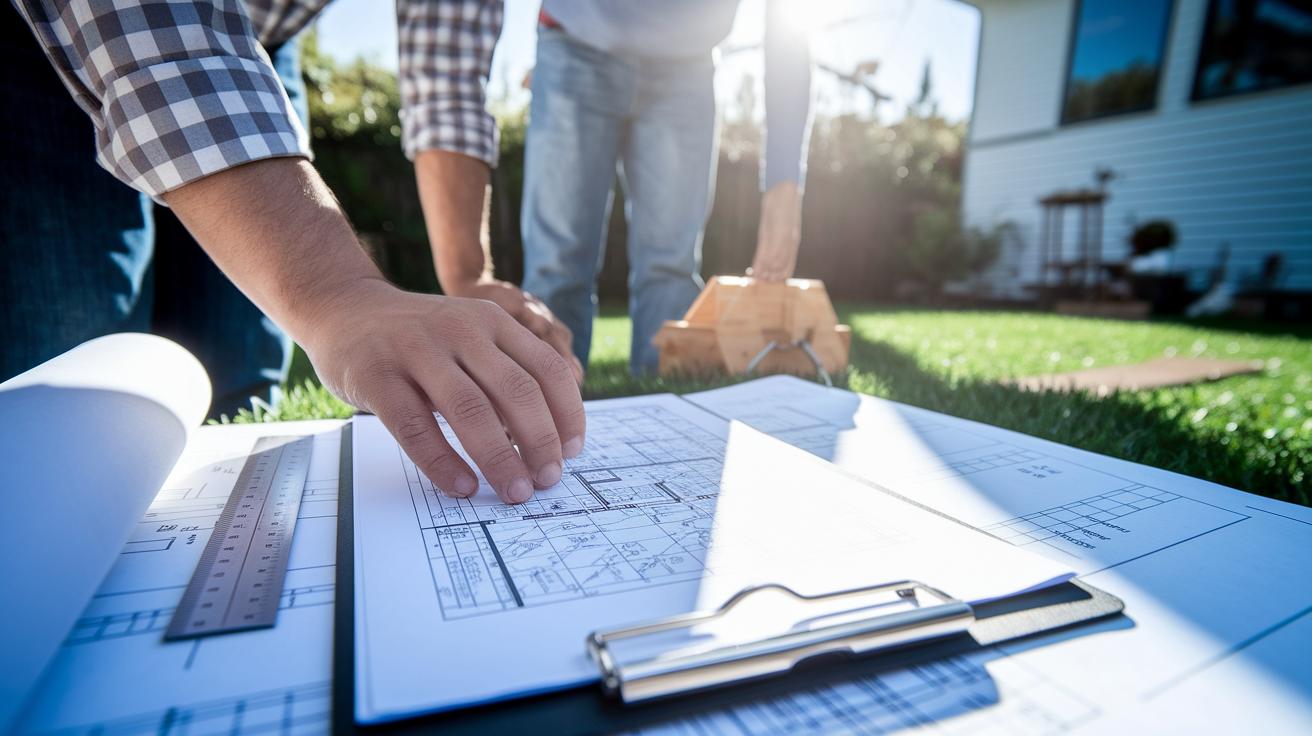
A good construction project begins with a careful look at your site. By mapping your property in detail, you spot challenges and chances early. Use clear measurements and record every detail so you make smart decisions.
- Project identification – Write down the project name, what type it is, the full address, parcel details, scale (for example, 1:100), and mark the north side. For instance, you might note "Project A, single-family home, 123 Main St, Parcel 45, scale 1:100, north arrow on top."
- Site boundaries – Draw the property lines, areas you must keep clear (setbacks), the outlines of any buildings, and any parts you need to tear down. This step makes sure you follow legal limits and know what needs removal.
- Landscape features – Mark natural items such as trees, water spots, drainage patterns, ground level changes, and any special soil traits. Listing these features helps avoid future issues with the land.
- Access & circulation – Plan where people and vehicles come and go. Point out entry and exit spots, driveways, walkways, and emergency routes. Good planning here keeps later work safe and smooth.
- Utilities mapping – Chart where water, electricity, gas, and sewer lines run. Also, mark spots for future lighting if needed. Knowing these positions helps when you put the pieces together.
- Grading/drainage – Look at how water flows on your site and suggest any slope changes to stop water pooling. Adjusting the grading early stops soil erosion.
Digital design layouts let you put all these points on one map. It gives you a clear, accurate ground plan you can update easily so your project stays on track.
Optimizing Site Layout for Efficiency and Safety
Balancing efficiency and safety on a worksite starts with a careful layout. A good plan meets work needs and lowers risks. Imagine keeping busy work areas apart from quieter spaces, like drawing separate lanes for different users. This method keeps clear paths for pedestrians, construction vehicles, and emergency services, which leads to smoother work and fewer accidents.
Set up clear equipment zones right from the start. Plan specific areas for cranes, forklifts, and stored materials. Place these zones away from busy spots to reduce obstructions. Group temporary facilities like trailers, storage units, and restrooms near work areas to save time and avoid extra trips. For example, when cranes are staged well, their work areas stay marked and risks of accidental damage or injury drop.
Plan clear pathways for all traffic on the site. Create separate routes for pedestrians, construction vehicles, and emergency responders. This helps keep everyone safe and makes it easier to act fast if something goes wrong. Place utility connections (water, electricity, gas, sewer) so they do not block any access. Also, add lights in high-traffic or dangerous areas so the site stays safe in low-light conditions. Every part of this plan works together to create a safer, more efficient worksite where construction can move along quickly.
Scheduling & Resource Allocation Strategies in Site Planning

Good projects start with a clear schedule and smart use of resources. We use planning ideas from Last Planner (a method for job planning) and Takt Production System (a pace-setting process) to plan everything from the big picture to the daily tasks. Digital tools help you track progress and keep each step in sync.
Phase 1: Macro Planning
Start by writing down the full project plan. List the project title, type of development, and key deliverables. Create a big-picture outline that shows major tasks and important events. This plan acts as your blueprint for estimating labor, materials, and funding from the very beginning.
Phase 2: Flow Optimization
Next, arrange tasks to reduce delays and smooth team handoffs. Set up a timeline that links one task to the next without gaps. Use digital templates to clearly map out which tasks depend on others. This setup helps lower waiting times and keeps work moving steadily.
Phase 3: Buffers & Controls
Then, add extra time in your schedule to cover any surprises. Plan time buffers as a safety net for unforeseen issues. Include regular review points and quality checks to ensure each phase meets your early goals. These steps help you stay on course and offer clear actions if adjustments are needed.
Phase 4: Finalization & Tracking
Finally, use monitoring dashboards to track progress in real time. Digital workflow tools update your timeline as conditions change. These tools ensure every detail is followed, helping your team stay on track and reach project milestones on time.
Implementing On‐Site Safety Measures & Compliance
A strong safety plan on your job site sets the stage for smooth work and keeps risks in check. Use proven planning systems to include safety at every step. For a complete guide, check the construction site safety guidelines. Balancing practical steps with local regulations helps you meet rules on zoning, protecting the environment, and preserving historic sites while keeping your crew safe.
- Keep pedestrian walkways separate from areas with heavy machinery and mark emergency exits clearly.
- Hold a quick safety briefing every day to cover potential hazards and update team steps.
- Do regular risk checks that include time buffers for any unexpected delays.
- Hang up clear signs to help both workers and visitors move safely around the site.
- Use solid lighting in zones with heavy vehicles and equipment.
- Follow a set safety schedule that includes important checkpoints throughout the work.
- Record each safety measure and update carefully.
- Review zoning, environmental, and historic preservation rules to stay in line with local codes.
Securing the right permits is key to a smooth project. In the design and pre-construction stages, make sure you document and get all the permits you need. Keep track of permit applications and updates to local rules. This not only helps you avoid delays but also strengthens your site’s overall safety plan. Using digital tools to manage permits and risk details clears the path for a safe and efficient build.
Effective Material Handling & Logistics Management
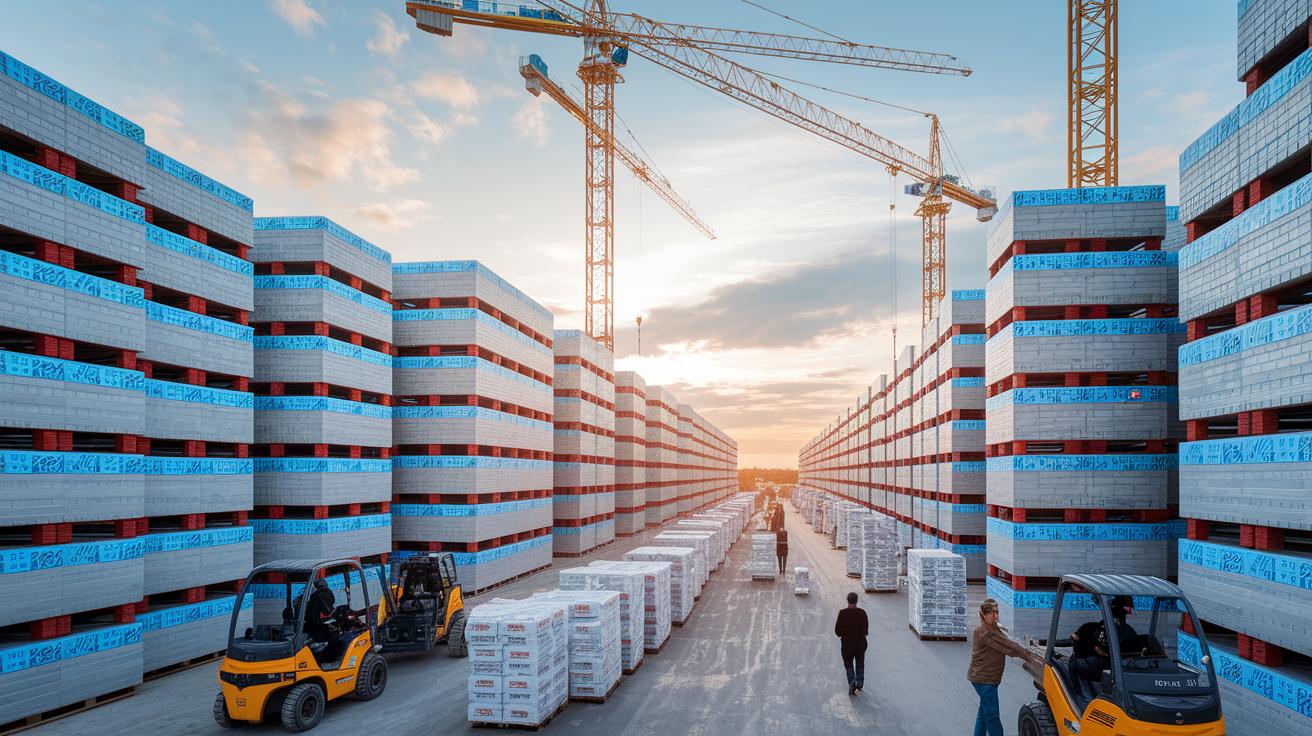
Handling materials and moving heavy equipment on a busy site can be a real challenge. Matching each delivery to the proper work step and keeping paths clear takes careful planning and solid logistics. Projects often slip behind schedule when materials aren’t organized or when equipment gets in the way. For example, a delivery placed 6 ft (1.8 m) above ground can block progress and crowd the site.
Setting up clear storage zones cuts workers' travel time and reduces clutter. Designate specific spots for deliveries and inventory so every drop-off lines up with the next task. For instance, storing drywall pallets near the assembly area means workers spend less time hauling and more time building.
Place heavy machines like cranes, forklifts, and mixers in well-planned zones to boost safety and efficiency. Plan dedicated areas where equipment stays out of the main work zones. A simple tip: mark these zones on the ground to avoid accidental overlaps and keep workers safe.
Use digital tools for on-demand inventory checks and scheduling updates. These advanced logistics apps help keep your project on track, ensuring every material and machine moves as planned, which keeps the job site running smoothly.
Environmental & Zoning Considerations in Site Planning
Start by mapping the site’s environment. Do a full soil survey and check the site’s contours to plan the grading and control water runoff. Run studies to see how water moves, which will help you decide if you need to add extra grading to stop puddles. Mark key areas like protected habitats and drainage paths, and set up stormwater controls. For example, if you see a natural channel on a slope, that can guide you on where to place a retention basin or adjust the surface. These steps lay the groundwork for a clear plan that minimizes harm to nature.
Next, check local zoning laws and secure the right permits before you break ground. Look into land-use rules, setback limits, and how big your building can be. Match your layout to existing public spaces like sidewalks and rights-of-way to keep the project connected to the community. Write down any steps you take to lessen environmental impacts and get all permits in order. This work ensures you follow the rules and helps your project blend smoothly into its surroundings while keeping things sustainable.
Final Words
In the action of mastering construction site planning, we broke down each critical step, from mapping and layout to scheduling, safety, and material logistics. We explained how clear documentation and digital workflow software keep projects efficient while meeting code and permit requirements.
Remember, a well-laid plan leads to a smoother, cost-effective home project. Step by step, careful planning and good communication set you up for success on any renovation.
FAQ
What is construction site planning?
Construction site planning defines the process of mapping property boundaries, developing layouts, scheduling tasks, and ensuring that all elements meet local building codes and safety standards.
What is the 3/4/5 rule in construction?
The 3/4/5 rule in construction uses the Pythagorean triple to check right angles; measuring 3, 4, and 5 units ensures the corners remain square and properly aligned.
Can I do my own site plan?
Doing your own site plan is possible if you understand property boundaries, code requirements, and layout guidelines; many use digital templates but have professionals verify it for compliance.
Where can I find construction planning PDFs and examples?
Construction planning PDFs provide detailed templates and checklists covering project steps from site layout to scheduling, helping you follow clear, organized procedures throughout your project.
What are construction site planning jobs?
Construction site planning jobs involve designing site layouts, managing permits, coordinating schedules, and implementing safety measures to ensure projects are completed efficiently and according to regulations.
What is a construction plan example?
A construction plan example outlines a site plan with property lines, existing structures, utility placements, and access routes, offering a clear visual roadmap to guide project execution and compliance.
Is a CM degree worth it?
A CM (construction management) degree is worth considering if you want to oversee planning, scheduling, and compliance in construction projects; it equips you with skills valued in a competitive industry.