

Have you ever seen how a burst of color can change a dull room into a lively space? Wall finishes do more than protect your walls, they give your home its personality. You can choose from dependable paint, classic wallpaper, stylish wood paneling, or natural textured stone. Each option brings its own mix of style and lasting strength. In this guide, we explain the different types, costs, and installation tips so you can pick the right finish to update your walls and create a home that feels inviting and true to you.
Choosing the Right Interior Wall Finish: Types, Costs, and Installation

Wall finishes both protect your walls and add style to your home. You can choose classic options like paint, plaster, and wallpaper or try something different like wood paneling, fabric panels, or decorative finishes. Each option offers its own look and durability, and they come with different price tags. For a quick change, paint and wallpaper work well. For a long-lasting touch, consider tiles, plaster, or stone brick, even though these might need help from a professional.
When picking a finish, think about how easy it is to install. Simple DIY projects such as painting or hanging wallpaper need only basic tools and clear instructions. But finishes like plaster or concrete need proper surface prep and careful technique to last. Compare costs, cleanup tasks, and installation steps before you decide. This way, your chosen finish will not only boost your home’s style but also meet your needs for upkeep and strength.
Paint Finishes: Matte, Satin, and Gloss Explained

A paint finish sets the tone and function of your room. Whether you need to cover wall flaws, add a soft glow, or make a bold, reflective statement, choosing the right finish makes all the difference.
Matte Finish
Matte finish gives you a flat, non-shiny surface that hides small imperfections well. Its soft, velvety look works great for living rooms or bedrooms where a calm backdrop is needed. The muted look helps colors blend smoothly, even if the wall isn’t perfectly smooth. Tip: A simple matte finish can transform a room by softening harsh light and covering minor dents. Always prep your surface by following proper drywall installation steps for a smooth base.
Satin Finish
Satin finish adds a gentle glow with just the right amount of shine. It subtly highlights textures without overpowering them. This finish is perfect for hallways and family rooms, where you want a stylish look that’s also easy to clean. Its resistance to light marks and scuffs makes it a smart choice for busy households.
Gloss Finish
Gloss finish creates a high-shine surface that reflects light brilliantly. It’s ideal for kitchens, bathrooms, and trim work because it stands up well to moisture and cleaning. Gloss finish enhances architectural details and gives a modern, crisp look that contrasts nicely with softer walls.
A smart choice in finish not only lifts your room’s style but also helps with day-to-day maintenance and long-term durability.
| Finish Type | Sheen Level | Best Use | Cleaning |
|---|---|---|---|
| Matte | Non-reflective | Living areas; hides flaws | Gentle cleaning |
| Satin | Soft sheen | Hallways; family rooms | Easy cleaning |
| Gloss | High shine | Trim; kitchens; bathrooms | Resistant to moisture |
Plaster and Gypsum Artistry for Textured Walls

Plaster and gypsum can work together to add style and texture to your walls. By using different plaster techniques, you can give a room a unique look while also boosting the durability of gypsum finishes.
Smooth Plaster
Smooth plaster gives you a clean, even surface. It is a favorite in modern and minimalist designs. This finish creates a neat setting for artwork and furniture. It also lays a solid groundwork for light-colored paints that make a room feel brighter.
Textured Plaster
Textured plaster brings character with raised patterns and handcrafted detailing. It turns flat walls into appealing features that add both style and a tactile feel. Whether you choose a light, subtle texture or a bolder design, textured plaster hides minor wall flaws and adds warmth to any space.
Venetian Plaster
Venetian plaster produces a marble-like look with soft, iridescent effects. Made from fired limestone mixed with water and waterproof additives, it is layered on for extra durability and moisture resistance. This finish is ideal for rooms where you want both style and practical moisture protection.
Each plaster method adds its own charm and performance, giving you versatile options for keeping your interiors stylish and long-lasting.
Wall Coverings: Wallpaper, Fabric Panels, and Veneer Overlays

Wallpaper choices update a room's look while keeping upkeep simple. Vinyl wallpaper works great for kitchens and bathrooms because you can wipe it down using mild soap and water. Fabric wallpapers give bedrooms and lounges a touch of luxury with a soft, inviting feel that hides small wall flaws. And if you're eco-friendly, grasscloth wallpaper offers a natural, handcrafted look that gets better with time.
Fabric panels add warmth and help cut down on noise. They work well in theaters or offices where keeping the sound low is important. Not only do they improve acoustics, they also bring a layered style to your space. They are easy to install and just need a quick dust or spot clean to stay looking good.
Veneer overlays, mosaic details, and mirror touches add extra style to your walls. Thin veneer overlays come in wood or stone, giving you real texture without bulk. Mosaic pieces create eye-catching patterns and can serve as a decorative focal point. Meanwhile, a few mirror accents reflect light and open up the room, making the space feel bigger.
Hard Surface Finishes: Tiles, Stone, Brick, and Concrete
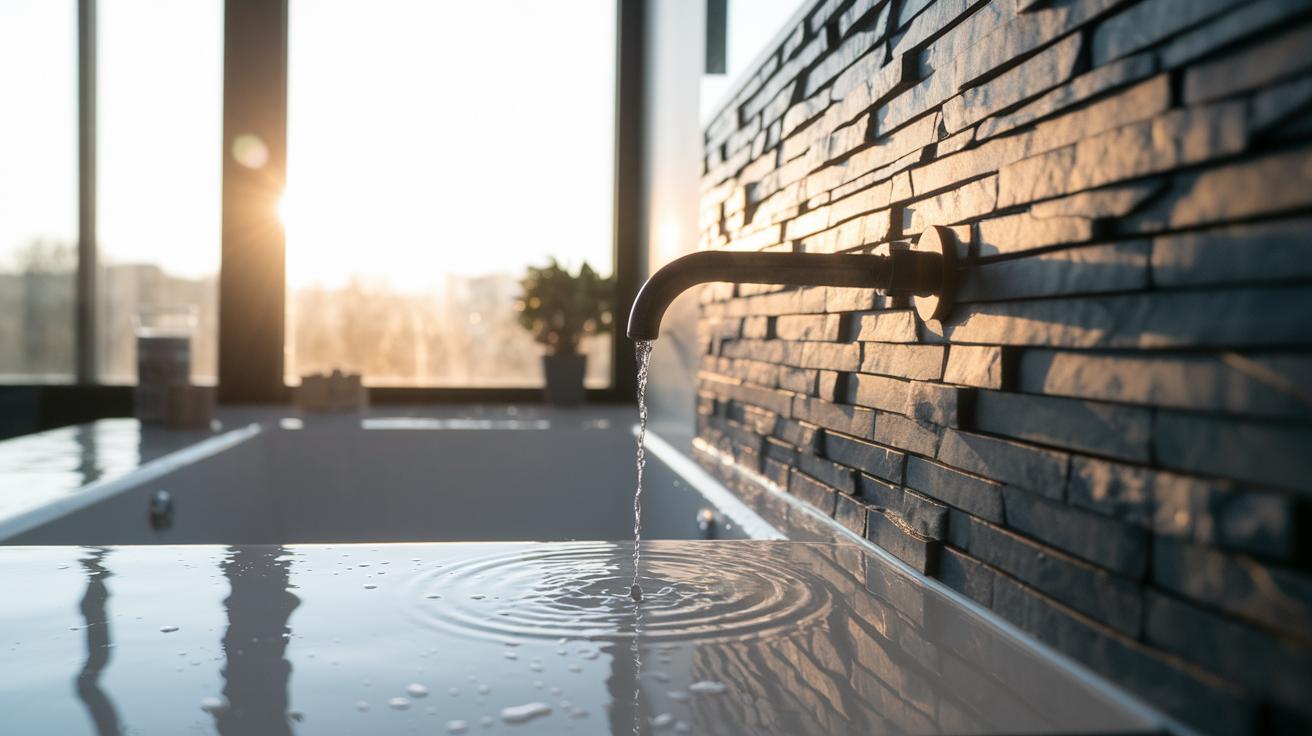
Tiles are tough and water-resistant. They work best in rooms prone to moisture, like bathrooms, kitchens, and mudrooms. Ceramic tiles are budget-friendly and work well for everyday spaces. Porcelain tiles, which are denser and absorb less water, suit high-traffic or wet areas. Natural stone tiles add a unique, elegant texture that can lift the look of a room. In other words, choosing porcelain is like picking a strong, high-performance option that stands up to daily spills.
Stone and brick claddings add timeless charm and real textures to walls. With today’s masonry techniques, you can decide between a thin veneer or a full-depth installation. Veneers give you the natural look of stone or brick with a lighter, cost-effective process that works great for a quick update or accent wall. Full-thickness masonry, on the other hand, offers extra durability and helps insulate your space for long-term strength.
Concrete finishes have a modern, raw appeal. Techniques like stamping, acid-etching, and scoring create surfaces with texture and visual interest while staying highly practical. These methods can turn a plain room into a minimalist space that fits both modern trends and sustainable building practices.
Interior wall finishes: Spark Vibrant Home Style

Metallic foils and leafing techniques can turn a plain wall into a luxury feature. They catch light and add a shiny depth that lifts the room’s look. Think of a light coat of gold leaf on a wall, it offers a classy backdrop that makes other design details pop. It’s a simple yet bold way to create a striking focal point in places like living rooms or entryways.
Using stencils, spray, or a brush opens up many pattern choices and textures. A stencil lets you repeat fine designs that bring rhythm to a room, while freehand brushstrokes add a unique artistic twist. Picture a gently sprayed border mixed with hand-painted accents that reflect your personal style. It’s a creative solution that pairs practicality with artful flair.
Decorative paints with chalkboard or whiteboard finishes add both function and style. They let you write on your walls, perfect for kitchens, home offices, or play areas where ideas come to life. This finish marries everyday use with creative design, helping you spark a vibrant home style that remains versatile and fun.
Practical Considerations: Cost, Installation, and Maintenance Practices

Choosing a wall finish means balancing your budget with how long the material will last. You want a look that fits your room while handling everyday use. Whether you decide on a simple coat of paint or something more involved like plaster (a wet mix that hardens into a smooth surface) or tile, plan for regular upkeep. Painted walls need dusting and a wipe-down with mild soap and water. Other finishes might call for extra care. Also, think about eco-friendly options like low-VOC paints (paints with fewer toxic chemicals), grasscloth, or natural plasters to cut down on environmental impact without sacrificing durability.
- Evaluate the upfront cost and the long-term financial value.
- Decide if you’ll tackle the installation yourself or need a professional.
- Check how often the finish requires cleaning or touch-ups.
- Compare how different materials hold up under daily use.
- Factor in environmentally safe, low-emission products.
- Consider how easy it will be to update the finish if your style or needs change.
By weighing these practical factors, you’ll pick a wall finish that not only enhances your room’s style but also endures everyday wear while fitting within your budget. This careful approach leads to long-term satisfaction with fewer surprises down the road.
Final Words
In the action, we've walked through choosing and installing a range of interior wall finishes, from practical paint options with varied sheens to textured plaster artistry and decorative wall coverings. We explored cost metrics, installation tips, and maintenance routines to help you plan a successful project.
Every section offered clear steps and practical advice for safe, budget-friendly renovations. Armed with these insights, you can now tackle your project confidently and create appealing, long-lasting interior wall finishes.