

Ever wonder if a few simple steps could help you dodge costly repairs? Your home is your biggest investment, and a smart seasonal routine keeps it safe and sound. This easy checklist shows you how to turn winter grime into spring cleaning success, keep summer heat at bay, add insulation when fall chills hit, and handle winter issues early. The guide lists key safety checks and system reviews to protect your home and help you avoid surprises. Use this checklist as your roadmap to a safe and bright year ahead.
Year-Round Home Maintenance Overview

Your home is your biggest investment. Keeping it well-maintained helps protect that investment all year. This guide splits the work into four seasonal groups, spring, summer, fall, and winter, and adds a section for detailed system and safety checks. Breaking tasks into these steps makes the work manageable instead of a huge chore.
In spring, focus on sweeping away the winter grime. Come summer, work on keeping your home cool and ensuring good airflow. As fall approaches, get your home ready for the chill by securing indoor spaces. In winter, check safety devices like alarms and inspect your heating system. This clear approach helps you tackle repairs and updates as they come.
A practical tip: many homeowners cut repair expenses by up to 20% when they stick to a seasonal routine.
Also, reserve some time for in-depth inspections. Check major systems such as HVAC (heating, ventilation, and air conditioning), electrical, and plumbing. These critical reviews work hand in hand with your seasonal tasks, ensuring your home stays safe, efficient, and ready for any surprise.
Spring Tasks in the Annual Home Maintenance Checklist
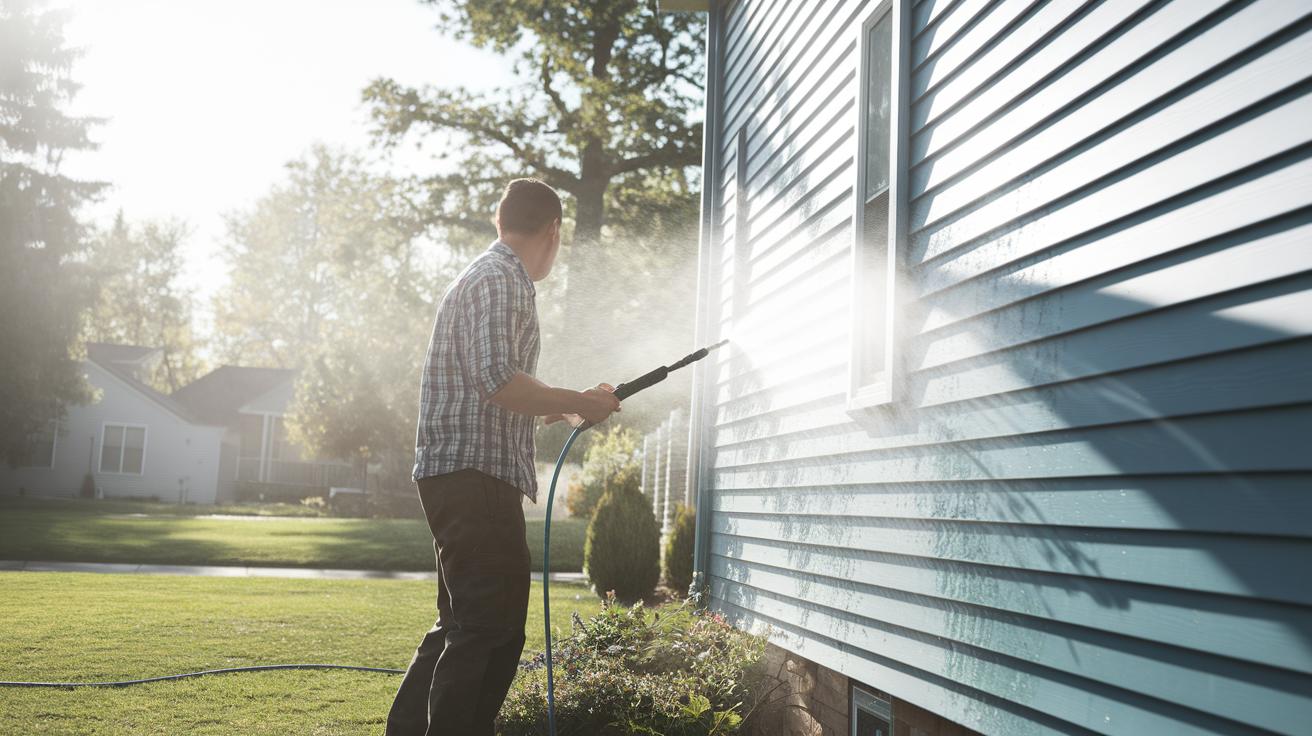
Spring is the perfect time to prepare your home for a bright, fresh season. Start by pressure washing your siding, windows, and patio to remove winter's dirt and mildew. This not only makes your home look great but also stops mold from forming.
Next, take a close look at your exterior paint. Check for spots that are chipping or peeling. Use a small brush to fix minor scratches, and touch up larger areas to prevent water from causing damage or wood rot.
Finally, book an inspection for termites. Termite treatments usually run about $100, and catching any issues early can help you avoid costly repairs later.
- Pressure wash exterior surfaces
- Check and repair exterior paint
- Schedule a termite inspection
Annual home maintenance checklist: Bright Year Ahead

Summer is here, so it’s time to tackle a few key tasks to keep your home in top shape. Start by taking care of your HVAC system. Clean or replace the air filters to help your system work better. A clean filter means better airflow and saves energy. If you can, have a pro clean your ducts to get rid of dust and allergens.
Keep an eye on your indoor air quality during the warm months. Use a hygrometer (a tool that measures humidity) to make sure your home stays between 30% and 50% humidity. This range helps prevent mold and stops paint from peeling, so your home stays healthy and comfortable.
Don’t forget the outdoors. Check decks, patios, and other outdoor areas for any signs of wear or damage. Also, inspect your irrigation system and lawn sprinklers to make sure they work right, which helps avoid wasting water and keeps your garden lush.
- Clean or replace HVAC air filters
- Hire a pro for duct cleaning
- Use a hygrometer to check indoor humidity
- Inspect decks, patios, and irrigation systems
Following these steps will keep your home running smoothly and set you up for a bright, trouble-free summer.
Fall Tasks in the Annual Home Maintenance Checklist
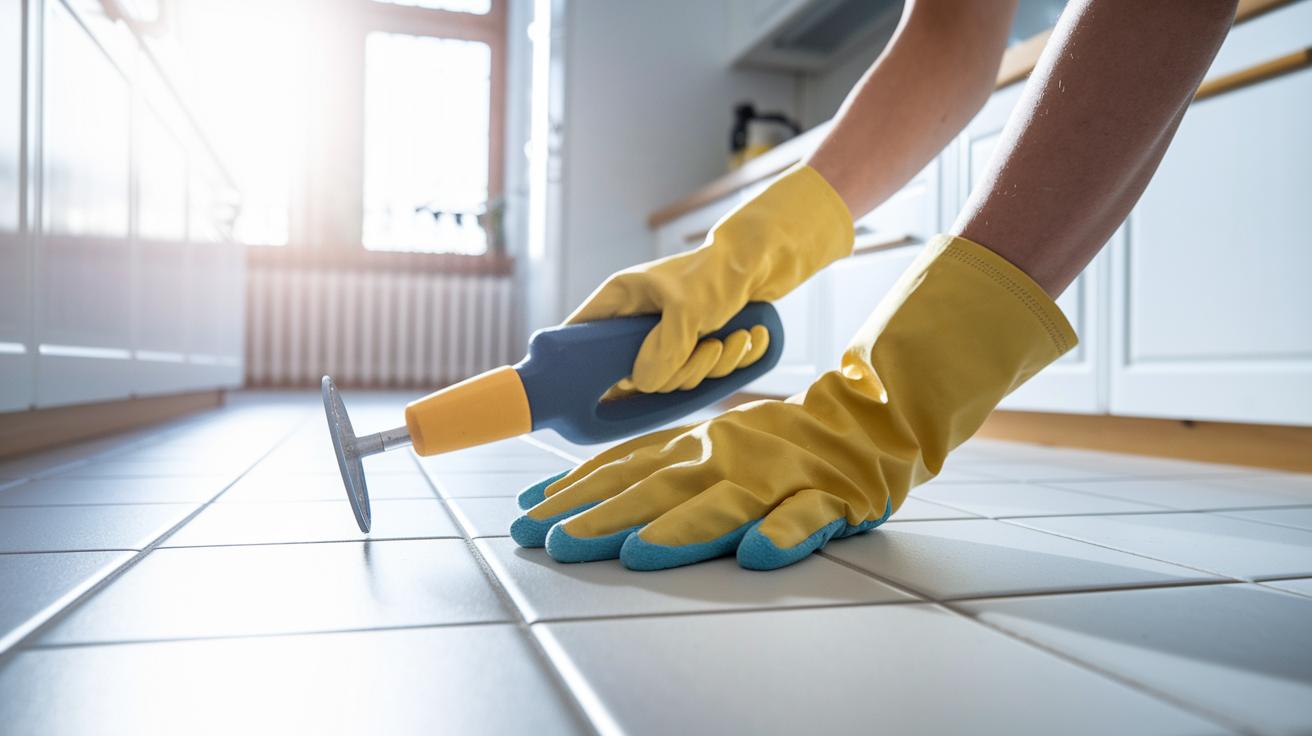
Fall is a busy season for home care. Start by cleaning your tile and grout in kitchens and bathrooms. This helps keep mold at bay and stops water from damaging the structure underneath. It’s like giving your tiles a protective shield, similar to waxing your car before winter.
Next, clear out your garages, basements, and closets. Toss out items you no longer need. Clearing space now makes room for the tools and supplies needed for weatherproofing later.
Also, check your weather stripping, door seals, and attic insulation. Give these areas a good look-over to make sure they’re intact. This simple inspection improves energy efficiency and helps block chilly drafts.
- Clean and seal tile and grout lines
- Declutter garages, basements, and closets
- Inspect weather stripping, door seals, and attic insulation
Take these steps now so your home stays warm and efficient as winter approaches.
Winter Tasks in the Annual Home Maintenance Checklist
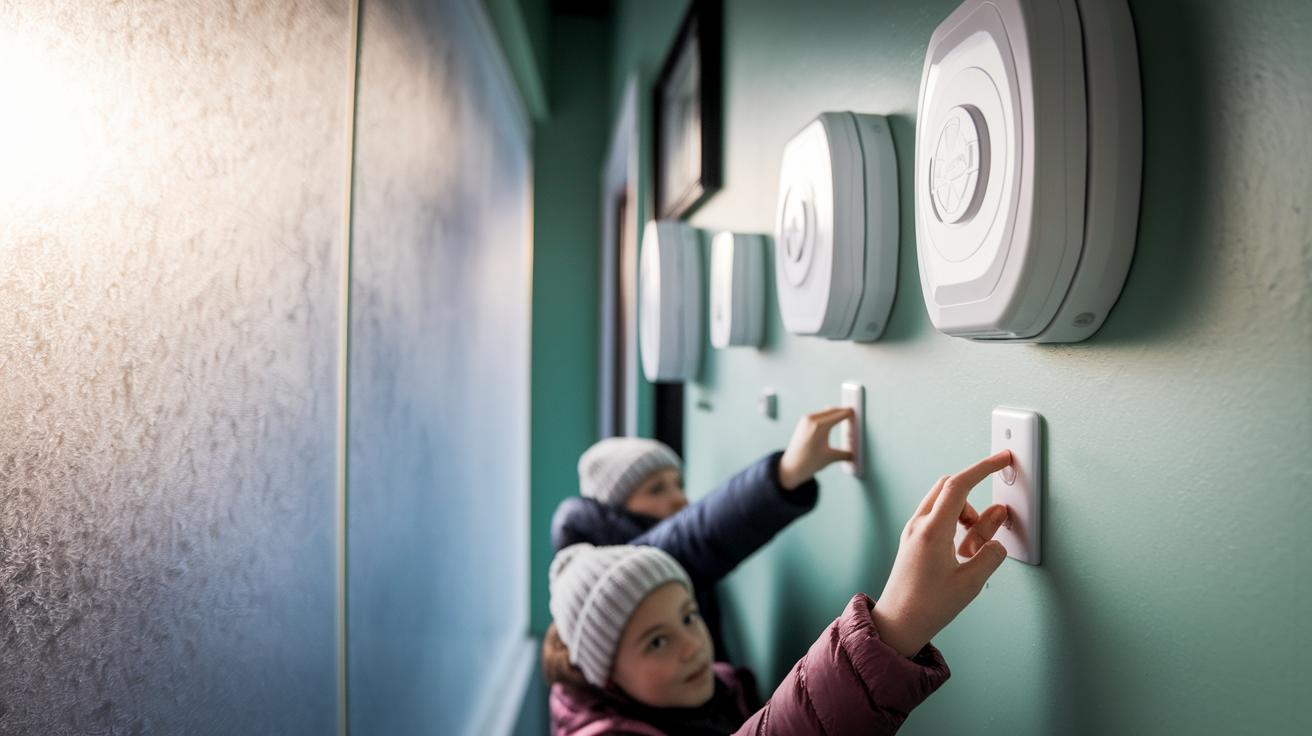
Winter brings tough weather that can challenge your home's safety and warmth. First, check your alarms. Press the test button on each smoke alarm and carbon monoxide detector. If one doesn’t sound off right away, replace its batteries immediately to keep your family safe.
Next, keep your home's air moisture steady. Use a hygrometer (a tool that measures moisture in the air) to monitor humidity. Aim to keep levels between 30% and 50% (for example, about 30% to 50% relative humidity). Stable humidity helps prevent window condensation and stops mold from growing in hidden spots.
Then, set up a heating-system tune-up before the cold really sets in. A professional can spot small issues that could turn into big, expensive repairs. This maintenance helps your heating run efficiently when you rely on it the most.
- Replace batteries and test all smoke alarms and carbon monoxide detectors.
- Use a hygrometer to monitor indoor humidity and adjust with humidifiers or dehumidifiers as needed.
- Arrange for a professional heating-system tune-up to prevent breakdowns during freezing weather.
These tasks are key to keeping your home safe and comfortable all winter long.
Home Systems & Safety Checks: Non-Seasonal & In-Depth Maintenance

It pays off to keep an eye on your home's key systems year-round. Start by booking a professional HVAC tune-up and duct inspection. A well-tuned HVAC system (heating, ventilation, and air conditioning) helps avoid airflow problems, much like giving your car an essential oil change.
Next, flush your water heater and clean its drain line. Over time, minerals and sediment build up, which can lower efficiency. Running a flush is like cleaning the filter in your coffee maker, it keeps everything running smoothly and extends the water heater’s life.
Also, check your electrical system. Test the electrical panel and all GFCI outlets (safety devices that help prevent shocks or fires) by pressing their test buttons. This quick check confirms that your safety measures are working as they should.
Take care of your chimney or flue, too. A yearly sweep removes soot and creosote (a sticky buildup that can cause fires) and lowers the risk of chimney fires. Similarly, cleaning your dryer vent reduces lint buildup, which cuts down on fire hazards and helps your dryer work better.
Finally, set up an annual termite treatment. For about $100, a yearly service can catch infestations early before they harm your home's structure.
- Schedule an HVAC tune-up and duct inspection.
- Flush the water heater and clean the drain line.
- Test the electrical panel and all GFCI outlets.
- Sweep the chimney or flue.
- Clean the dryer vent.
- Arrange for yearly termite treatment.
Organize and Track Your Annual Home Maintenance Checklist
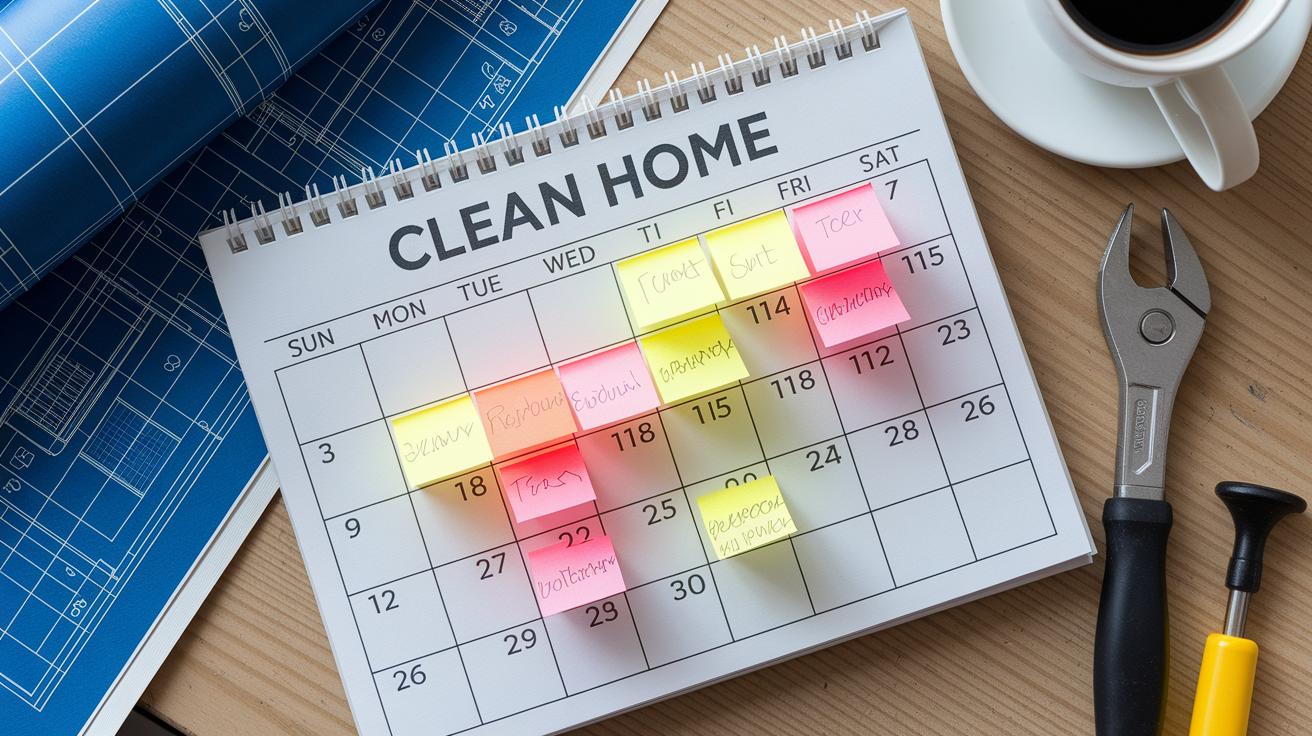
Set up a home repair calendar that makes planning your yearly upkeep simple. Start by listing the important repairs and inspections, then mark them on your calendar so you see how they fit through the year. This way, you can manage seasonal work and thorough system checks without missing a beat.
A printable home maintenance checklist is a handy tool for keeping track of your progress. Use the free home maintenance checklist PDF (https://neull.com?p=) to check off tasks as you finish them. When planning repairs and regular service, try a project timeline template (https://neull.com?p=) to map out your work from start to finish.
Break your tasks into monthly goals with steps like these:
- Write down major repairs, inspections, and seasonal tasks.
- Decide which month each task should happen.
- Set aside a few hours each month just for home care.
This approach keeps things manageable. Having a clear list helps reduce stress and makes it easier to stay safe and efficient. Keep your records on a computer or by hand, whatever works best for you. This organized method turns a big, overwhelming checklist into a simple, step-by-step guide for keeping your home in top shape.
Final Words
In the action sections, we broke your annual home maintenance checklist into four seasonal segments plus a detailed guide for non-seasonal safety inspections. We outlined practical steps for spring cleaning, summer system checks, fall weatherproofing, and winter safety tasks. Next, use our schedule templates to organize and track every detail.
This streamlined approach helps you tackle home upkeep in manageable parts, build practical skills, and avoid unexpected costs. Keep moving forward with confidence and a focus on safety and efficiency.
FAQ
What is a printable annual home maintenance checklist and where can I get a free PDF version?
The printable annual home maintenance checklist serves as a ready-to-use guide outlining seasonal tasks. It is often available as a free downloadable PDF, helping you track cleaning, repairs, and inspections throughout the year.
What is an annual home maintenance checklist template and how can I use an Excel version?
The annual home maintenance checklist template is a digital tool that organizes tasks by season or category. An Excel version allows you to easily customize and update repairs, ensuring your home stays in peak condition.
How can I create a home maintenance checklist by month that covers weekly, monthly, and yearly tasks?
The home maintenance checklist by month provides a structured plan that breaks tasks into weekly, monthly, and yearly schedules. It helps you manage time effectively and ensures no routine upkeep is overlooked.