

Ever notice how the right safety gear can change a dangerous job site into a secure work zone? Nearly 1 in 5 work fatalities occur on construction sites, which shows just how important every piece of equipment is. Hard hats, safety glasses, and steel-toe boots save lives.
Today, we'll show you how a full set of personal protective equipment (PPE) protects each worker and creates safer worksites. Let’s check out the practical tools and techniques that keep hazards away and help build a secure job site.
Construction safety equipment Empowers Safer Worksites

When you step onto a construction site, your safety gear is your first shield. With nearly one in five work fatalities occurring on job sites, wearing proper gear is a must. You need hard hats, safety glasses, high-visibility clothing, and steel-toe boots to guard against common dangers.
For example, the 3M SecureFit Hard Hat uses pressure-diffusion tech and features a UV sensor. When the sensor turns white, it means the helmet is breaking down and needs to be replaced. That UV sensor helps keep you safe by signaling when it's time for new protection. Also, wear Dewalt DPG82 goggles (with an anti-fog lens) for your eyes and Pro For Sho Maximum Safety Ear Muffs for ear protection, which cut down on loud noise.
Respiratory masks like the 3M Half Facepiece Reusable Respirator protect you from dust and fumes. Fall harnesses keep you safe when working at heights. Gloves matter, too. Ironclad Utility Work Gloves come with tough TPR (Thermoplastic Rubber) knuckles to guard against impacts. Keep a first aid kit handy too, like the First Aid Only 298 Piece Kit, which helps treat small injuries right away.
| Equipment | Example Model | Approx. Price |
|---|---|---|
| Head protection | 3M SecureFit Hard Hat | $18.55 |
| Eye & ear protection | Dewalt DPG82 / Pro For Sho Ear Muffs | $12.24 / $21.35 |
| Hand protection | Ironclad Utility Work Gloves | $22.42 |
Using a complete set of PPE (personal protective equipment) as recommended by safety rules helps you tackle every hazard on the job with solid, practical protection.
Head Protection and Hard Hat Compliance in Construction

Your head is the first thing you need to protect on site. A safety hard hat not only helps prevent serious head injuries but also meets important safety standards like ANSI/ISEA Z89.1 (a test for impact and penetration resistance).
The 3M SecureFit Hard Hat features pressure-diffusion technology and lets you adjust the height in two steps for a secure, comfortable fit. It also has a built-in UV sensor that turns white to show when the hat has worn out and needs to be replaced. Make sure your hard hat sits snug on your head. Quick tip: Give it a gentle shake, if it wiggles, readjust the settings until it stays firmly in place.
Fall Protection Systems and Safety Harness Standards

Fall arrest systems stop falls before a serious injury happens. OSHA rules call for full systems that include strong anchor points, trusted lanyards, and a full-body harness. For example, the Gloriouschu full-body safety harness is made of 100% synthetic polyester. It breaks at 5070 lb (about 2300 kg) and holds a pull of 20 KN (around 4500 lb). At about $38.80, it gives you a safe option without a big price tag.
Start by knowing every part of your fall protection system. Quick tip: Always check that your anchor point is strong enough for the load before you hook up your lanyard and harness.
Good training is key to using fall protection safely. Here are some tips:
- Read the maker’s instructions to know your equipment.
- Practice putting on the harness until it fits well.
- Check your system regularly for damage or wear before each use.
A veteran once said, "Strap in like you’re securing your life’s most important load." Following these steps cuts down on falls and meets safety harness standards.
Keep focused and stick to proper steps. Whether you work at heights or move heavy loads, a good fall protection system helps shield you from unexpected falls.
High-Visibility Apparel and Protective Clothing Selection
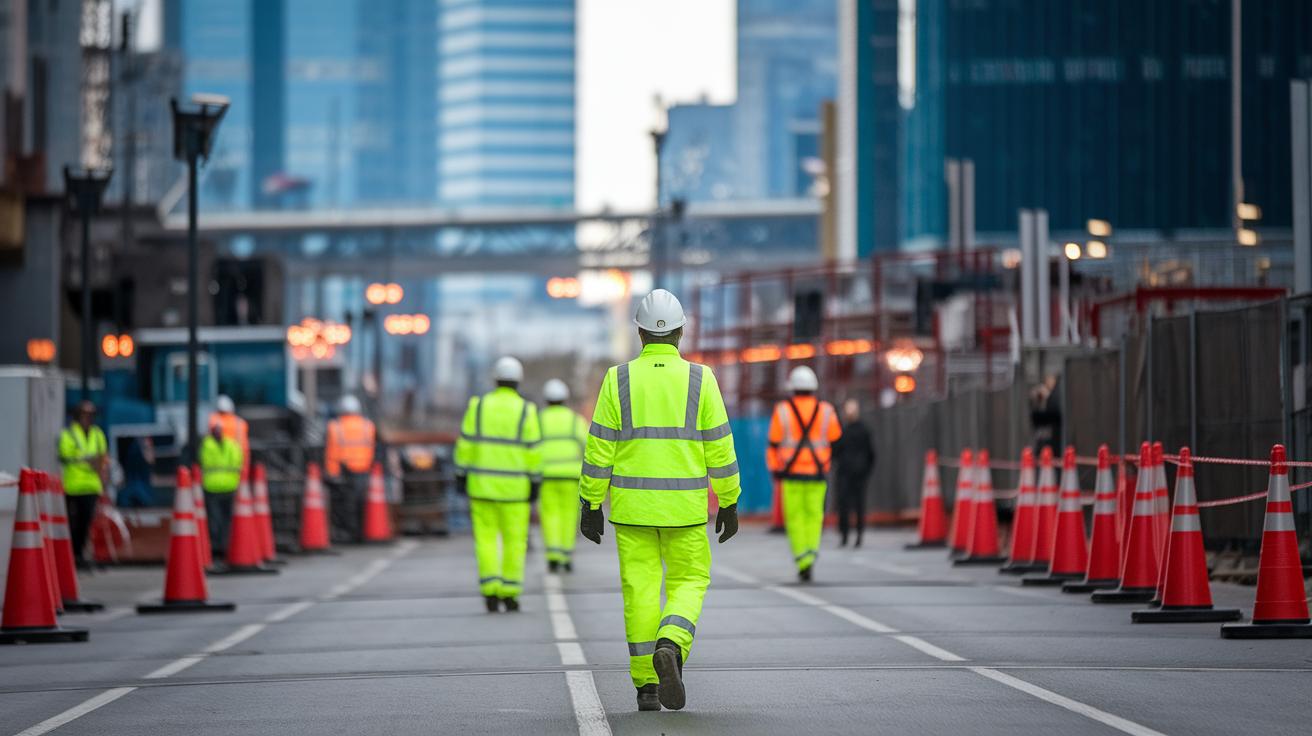
Choosing the right high-vis gear is key to keeping workers safe and clear on-site communication. Bright clothing warns everyone about hazards and shows which areas are safe versus risky.
For example, SuNi Apparel offers vests and jackets with reflective tape, various color options, and sun-protective hoods, all for about $29.97. These garments meet ANSI/ISEA 107 standards (guidelines for proper visibility), ensuring they are bright and clear in busy work zones.
When you choose protective clothing, pair it with clear safety signs to mark hazard areas. Quick tip: Picture a worker in a bright vest that matches your on-site sign colors. This setup makes dangers easy to spot.
Look for gear made of durable fabric with an adjustable fit and clear reflective bands. These features boost both safety and ease of work. Matching your apparel with well-marked signs reinforces protection and improves hazard communication across the site.
Hand, Eye, Ear, and Respiratory Protection Devices

All information on these protection devices has been moved to our main PPE guide. This keeps the details clear and avoids repeating the same instructions.
Safety Inspections, Maintenance, and OSHA Compliance Protocols

Regular checks keep your equipment safe on the job site. OSHA 29 CFR 1926 requires daily gear reviews, a full audit every month, and annual certifications to ensure your personal protective equipment stays in top shape. Following each manufacturer's checklist meets legal rules and helps spot wear and tear before it turns into a hazard. For example, a worker might check his hard hat every morning for dents or broken adjustment straps.
Include these inspections in your routine. First, do a quick daily review to catch any obvious damage or loose fittings. Next, perform a full audit every month to check every part of your gear. Finally, arrange an annual certification with a professional for any equipment that needs testing. Quick tip: keep a simple log to record each shift’s inspections. This helps you track recurring issues over time.
OSHA protocols require every check to be documented. Detailed records make audits easier and can speed up repairs or replacements. For more guidelines on inspections and training, visit the construction site safety page at https://neull.com?p=. This ensures nothing gets overlooked.
Train your team on these steps: check gear for cracks or wear daily, report and tag any equipment that doesn’t meet safety standards, and review inspection logs at the start of each shift. Following these steps not only keeps you in compliance with OSHA rules but also builds a safer, more alert work environment.
Innovations and Future Trends in Construction Safety Equipment

Safety gear is getting smarter. New devices use IoT wearables that check the air and monitor worker health. They send quick alerts when something is off. For example, a smart helmet might beep if it senses too much heat, almost like it's telling you, "Time to take a break."
Next-generation PPE uses body monitors to watch for fatigue and stress during the workday. This helps workers know when danger is near and lets supervisors set better work-break schedules. Some systems let you change the setup based on the task, so you get the right protection for every job.
These smart safety tools are changing how crews work. With these upgrades, teams are ready for a future where every update makes the site smarter, safer, and more efficient.
Final Words
In the action, we navigated the essentials for keeping jobsite workers safe. We covered everything from hard hats and fall protection systems to high-visibility apparel and critical PPE for hands, eyes, ears, and lungs.
We also detailed routine inspections, OSHA compliance, and emerging trends in protective gear. Embrace these insights and gear up with reliable construction safety equipment to work confidently and cost-effectively.
FAQ
Where can I find construction safety equipment near me?
Finding construction safety equipment near you typically means checking local hardware stores, dedicated safety retailers, or major suppliers like Home Depot that stock quality jobsite PPE.
How can I access a construction safety equipment PDF guide?
Accessing a construction safety equipment PDF guide means locating downloadable resources from safety associations, manufacturers, or trusted construction sites that provide detailed PPE checklists and usage guidelines.
Where can I buy construction safety equipment for sale?
Buying construction safety equipment for sale involves exploring safety equipment stores, online marketplaces, or big-box retailers like Home Depot that offer a broad range of PPE suited for construction sites.
What does a typical safety equipment list for construction include?
A typical safety equipment list for construction includes hard hats, safety glasses, high-visibility clothing, steel-toe boots, ear protection, respiratory masks, fall harnesses, and on-site first aid kits.
Does Home Depot offer construction safety equipment?
Home Depot offers construction safety equipment by carrying basic hard hats, gloves, and other essential PPE items, making it a convenient option for sourcing quality protective gear.
Where can I find industrial and discount safety gear?
You can locate industrial and discount safety gear through specialized safety suppliers, online marketplaces, or warehouse sales, where competitive pricing meets jobsite standards without sacrificing quality.