

Have you ever wondered what keeps your crew safe on the job site? In construction, accidents claim 1 in 5 lives, often because of hazards known as the Fatal Four. That is why safety training is a must. Our program covers fall prevention, emergency response, and other vital areas using hands-on, real-world methods. In this post, we show you how OSHA safety courses can give your crew the skills they need to work safely and build a culture that saves lives. Read on for clear, practical steps to protect your team and keep your project running smoothly.
construction safety training: Empower Your Crew
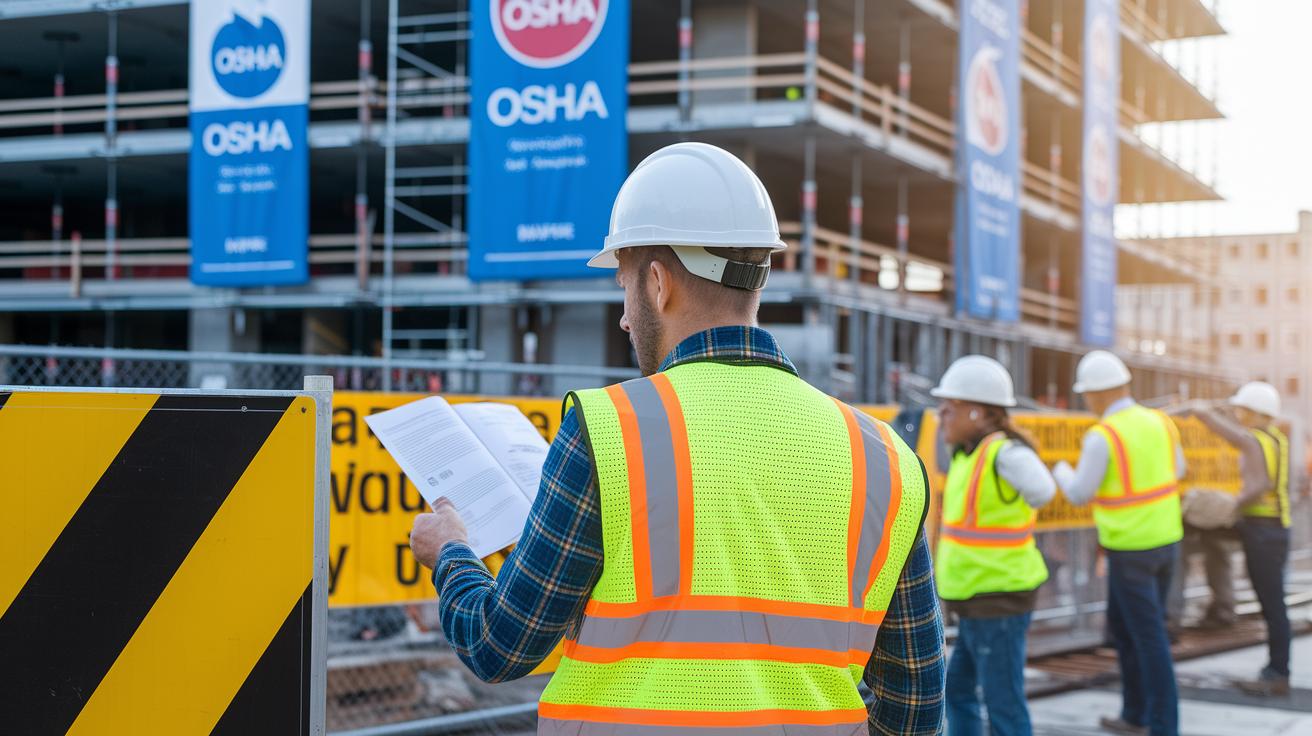
Construction safety training is a hands-on, practical program that helps keep workers safe while meeting OSHA rules. OSHA shows that 1 in 5 workplace deaths in the U.S. happens in construction, and 60% of these are from the Fatal Four hazards. This makes safety training essential, not just another box to check, but a key way to save lives on the jobsite.
Two main safety certification programs are available: OSHA-10 and OSHA-30 courses. The OSHA-10 course gives new workers 10 hours of clear, step-by-step guidance on jobsite hazards. The OSHA-30 course provides 30 hours of deeper training for supervisors and safety staff, covering topics like incident reporting and hazard communication. Both courses follow construction site safety rules to meet federal and state standards.
Training covers 11 important topics:
- Fall prevention and protection
- Electrical safety
- Materials handling
- Scaffolding safety
- Struck-by hazards
- Caught-in/between hazards
- Cranes and rigging
- Motorized mobile platforms
- Excavation safety
- Forklift hazards
- Emergency response
For instance, in fall prevention, you’d feel like a pilot checking the flight deck before takeoff. Many team members share the responsibility to deliver good safety training. This includes safety leaders, project managers, HR, training teams, and on-site safety supervisors. Working together in this way makes sure every crew member has the knowledge to work safely and efficiently. Construction safety training not only keeps crews in compliance but also builds a proactive safety culture that saves lives every day.
OSHA Construction Safety Training Requirements and Certification Courses

The OSHA-10 course is made for workers who are new to construction. It gives 10 hours of training on how to spot and avoid hazards on the job site. You will learn about fall hazards and how to correctly use personal protective equipment (PPE, like hard hats and safety glasses). Think of this course as a pre-flight checklist, just as a pilot checks every instrument before takeoff, you check for dangers before you start work.
The OSHA-30 course is built for supervisors and safety team members. This 30-hour program goes deeper into training with topics like how to report incidents, create hazard communication plans, and assess risk (learning to see and judge potential dangers). It expands on the OSHA-10 basics and tackles the challenges faced on the job by those in charge.
Both classes follow federal and state OSHA rules. When you complete the course, you receive a card that is recognized nationwide. These programs cover key safety steps on the work site, emergency response tactics, and how to handle equipment properly so that every crew member stays ready and safe.
Online vs Onsite Methods for Construction Safety Training

Online safety courses break down lessons into short, clear videos and interactive modules that let workers learn at their own pace. You might get a quick video showing proper ladder setup, covering everything from securing the base to setting the ladder at the right angle for stability. These courses come with mobile-friendly scheduling, progress tracking, and even fun elements like gamified safety learning.
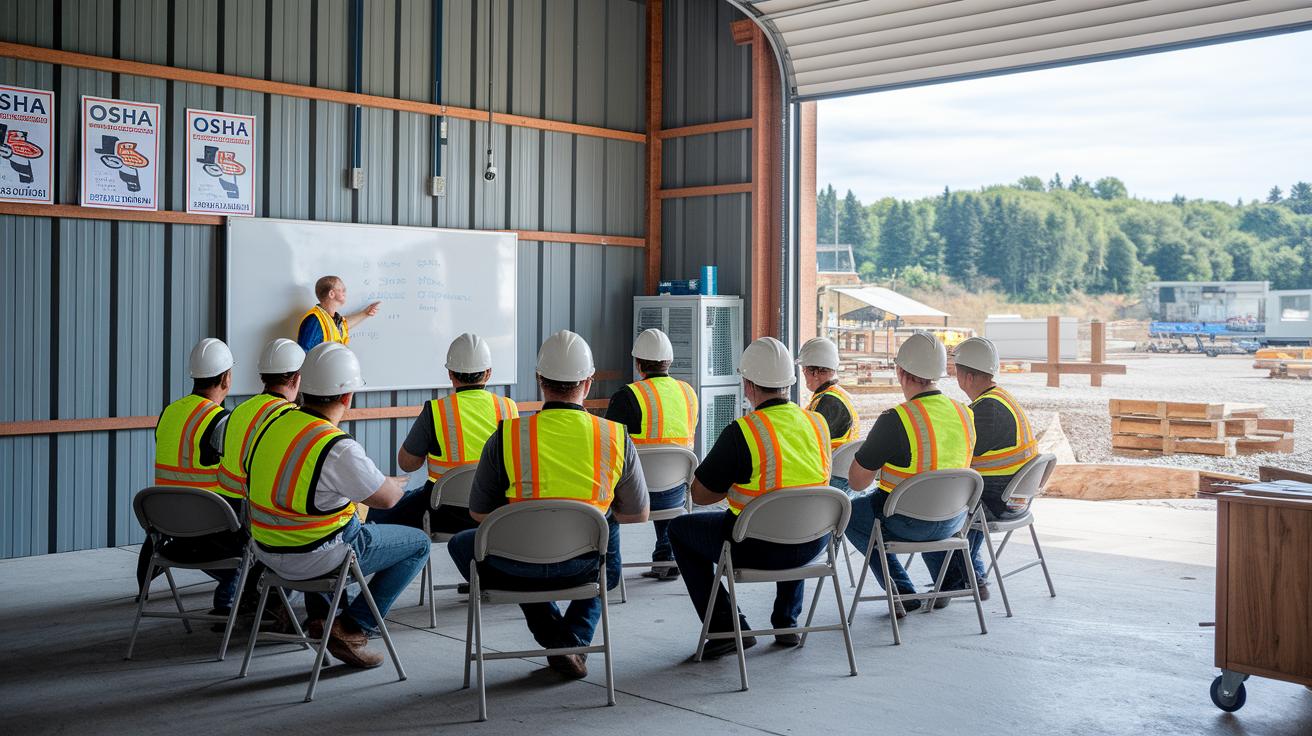
On-site training builds skills through real drills and hands-on exercises. Experienced instructors lead sessions that cover emergency evacuation, equipment handling, and more. Imagine an instructor walking you through assembling a scaffold, answering questions as you work, and checking each step with a close inspection. This method often includes issuing in-house safety cards to ensure proper documentation and offers support via phone or email during the session.
| Method | Key Benefits |
|---|---|
| Online Courses | Flexible learning schedules, regular content updates, progress tracking |
| On-site Training | Hands-on drills, immediate feedback, real-time support |
Both methods have strengths. Online training works well if your team needs remote access or if shifts vary. On-site sessions are ideal when you need direct, practical interaction to master complex tasks. Often, using a mix of both gives you the best of theoretical learning and practical experience.
Building a Custom Construction Safety Training Curriculum
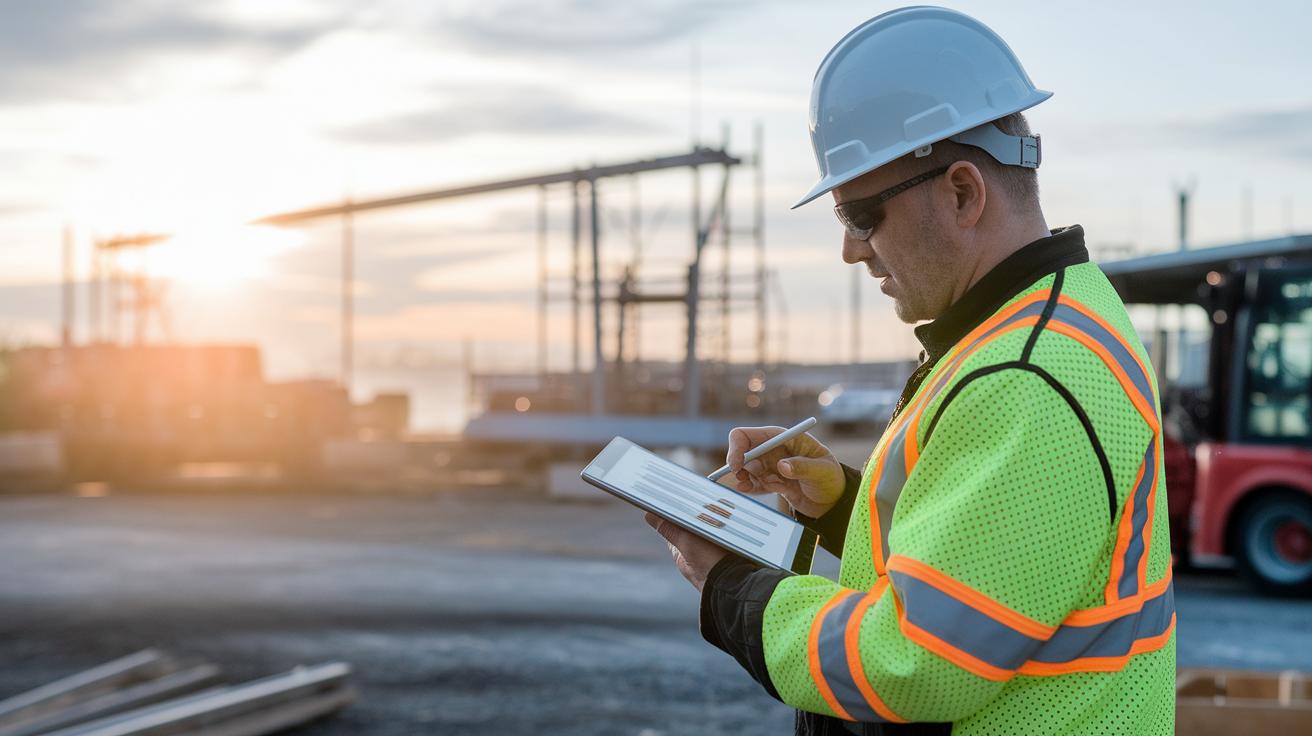
Begin by assessing risks on your jobsite. Use incident reports and seasonal or weather data to guide your review. A thorough jobsite safety analysis (https://neull.com?p=) pins down hazards specific to your work area. For example, check last year’s reports to spot recurring issues, like scanning your car’s dashboard before a long drive.
Customize your training by matching your modules with OSHA and industry standards. Create curriculum sections that fit various job roles and risk levels. Key modules might include:
- Toolbox talks that offer daily updates and short safety reminders.
- Fall protection lessons that show the proper use of safety gear.
- PPE training to explain how to correctly wear hard hats, gloves, and safety glasses.
- Hands-on hazard drills where workers practice emergency steps in a controlled setting.
Think about adding interactive elements like hazard identification drills and brief safety talks during toolbox meetings. These real-world scenarios help your crew spot and address potential dangers quickly.
Plan for ongoing improvements with peer-review safety meetings and regular audits. These sessions reinforce lessons while giving useful feedback to fine-tune your training materials. Regular reviews boost your jobsite safety education and ensure your team stays current with evolving hazard awareness techniques.
By mixing data-driven assessments, interactive modules, and routine audits, you build a construction safety curriculum that is practical, tailored, and always ready to adapt to changing site conditions.
Measuring the Impact of Construction Safety Training

You can measure your safety training’s success by tracking clear numbers. Start by watching for fewer jobsite injuries. For example, a 10% drop in injuries shows that your safety program is doing its job. Also, log near-miss events (like near accidents) so you can spot problems before they get worse. This information helps you tweak your safety plans.
Keep track of how many workers attend daily briefings and toolbox meetings. When 95% of your crew participates, it shows strong team commitment. Using a data dashboard lets you see these numbers in real time so you can fix issues right away.
Studies show that training programs reaching 50,000 workers a year can drop injury rates by up to 25%. Record emergency drill results and be consistent with incident reports. This not only meets safety rules but also pushes continuous improvement. Regular data reviews help you build smarter accident prevention strategies and a safety-first culture.
Key metrics to monitor:
- Incident rate reduction
- Near-miss reporting frequency
- Daily briefing completion rates
- Toolbox meeting attendance
Leading Providers of Construction Safety Training Programs
Construction Safety Training LLC started up in 2017. They offer a variety of courses that help workers stay safe every day. Their classes include Site Safety & License, Scaffold, Cranes & Derricks, ATSSA Flagger, First Aid, and NASP HAZWOPER. You can take many of these courses online at your own pace. They also provide in-house card issuance so workers can meet safety rules quickly and easily.
CPWR takes a different approach to safety training. They offer free handouts, research reports, webinars, and interactive toolbox talks. These tools use real-life examples to explain safety steps and help workers learn through hands-on experiences. Think of it like a toolbox talk that shows past incidents to guide future safety measures.
Both providers work hard to meet OSHA standards (safety rules set by the government). Their courses focus on real-world needs, making sure each class is practical for the jobsite. When you choose one of these training programs, you’re teaming up with experts who know the jobsite challenges. They help your crew work safely, knowing exactly how to handle everyday hazards.
Final Words
In the action, the post covered construction safety training programs, breaking down OSHA-10 and OSHA-30 courses, online versus onsite training, and creating a custom safety curriculum. It highlighted key topics like hazard prevention and the role of proper training in reducing on-site risks.
The guide showed how performance metrics and leading providers can boost safety outcomes. Embrace these practical steps and keep advancing your construction safety training for a safer, more productive jobsite.