

Ever notice how one small change can transform a room? Wood finishes do more than just protect your surfaces. They show the natural grain and color, adding warmth and charm to your space. A good finish guards against moisture and wear, keeping your wood strong and inviting. In this post, we explain how two types of finishes, penetrating (which soaks into the wood) and surface (which covers the wood), can protect, enhance, and style your woodwork, turning an ordinary room into a standout space.
Mastering Interior Wood Finishes: Enhance, Protect, and Style Your Wood Surfaces

A solid interior wood finish does more than boost a room’s appeal. It stops wood from cracking, drying, swelling, and wearing out while showing off its natural grain and color.
There are two main types of finishes. First, penetrating finishes like oil-based linseed or tung oil soak deep into the wood. (Tung oil is a drying oil that hardens when exposed to air.) This gives the wood a soft, water-wetted look that's perfect for projects aiming for a warm and natural vibe, for example, one coat of tung oil can breathe new life into an old dining table by merging classic charm with modern protection.
Second, surface finishes such as lacquer, shellac, varnish, or polyurethane form a hard layer over the wood. This topcoat is great at resisting stains, moisture, and everyday wear. It works especially well in busy areas, like a wood countertop that needs to handle spills and scrapes without losing its shine.
The right finish depends on what your project needs. If you want to highlight the natural beauty of the wood, a penetrating finish is a good bet. But if you need a robust layer of protection against daily mishaps, choose a surface finish.
Before you start, gather your tools like sandpaper, brushes, and clean rags. Check out more tips on finishing wood surfaces at https://neull.com?p=. And remember: always follow manufacturer guidelines and keep safety in mind to ensure your project lasts.
Comparing Penetrating and Surface Interior Wood Finishes

Penetrating finishes like linseed and tung oil soak into the wood, giving it a warm, water-wetted look that shows off natural textures. Oil-based interior coatings add rich tones but only hold up against moisture moderately. In contrast, water-based finishes let the wood show its true color and dry quickly, even though they don't offer as deep a color saturation as oil-based options.
Surface finishes such as lacquer, shellac, varnish, and polyurethane form a clear protective layer on top of the wood. These coatings work well in busy areas and provide strong protection against wear and water damage. When you’re choosing between a matte, satin, or glossy finish, think about both the look you want and the level of protection you need. For instance, a glossy finish can brighten a room but might also show scratches in high-traffic spots.
Below is an overview of eight common finish types, with their categories and what you can expect in durability and appearance:
| Finish type | Category | Durability and appearance |
|---|---|---|
| Oil-based | Penetrating | Warm, water-wetted look; moderate moisture resistance |
| Water-based | Penetrating | Clear finish; quick-drying with natural color retention |
| Lacquer | Surface | High gloss; excellent resistance to abrasion and moisture |
| Shellac | Surface | Satin finish; enhances wood grain details with moderate durability |
| Varnish | Surface | Satin to glossy finish; excellent protection from water and wear |
| Dye | Penetrating | Adds color; needs a topcoat for long-term durability |
| Polyurethane | Surface | High durability and water resistance; may yellow with time |
| Wax | Surface | Matte finish; offers minimal protection and requires regular maintenance |
Match your finish to your project needs. Pick a penetrating finish if you want the wood grain to shine or choose a surface finish if you need extra toughness and easier cleaning.
Step-by-Step DIY Interior Wood Finishing Guide
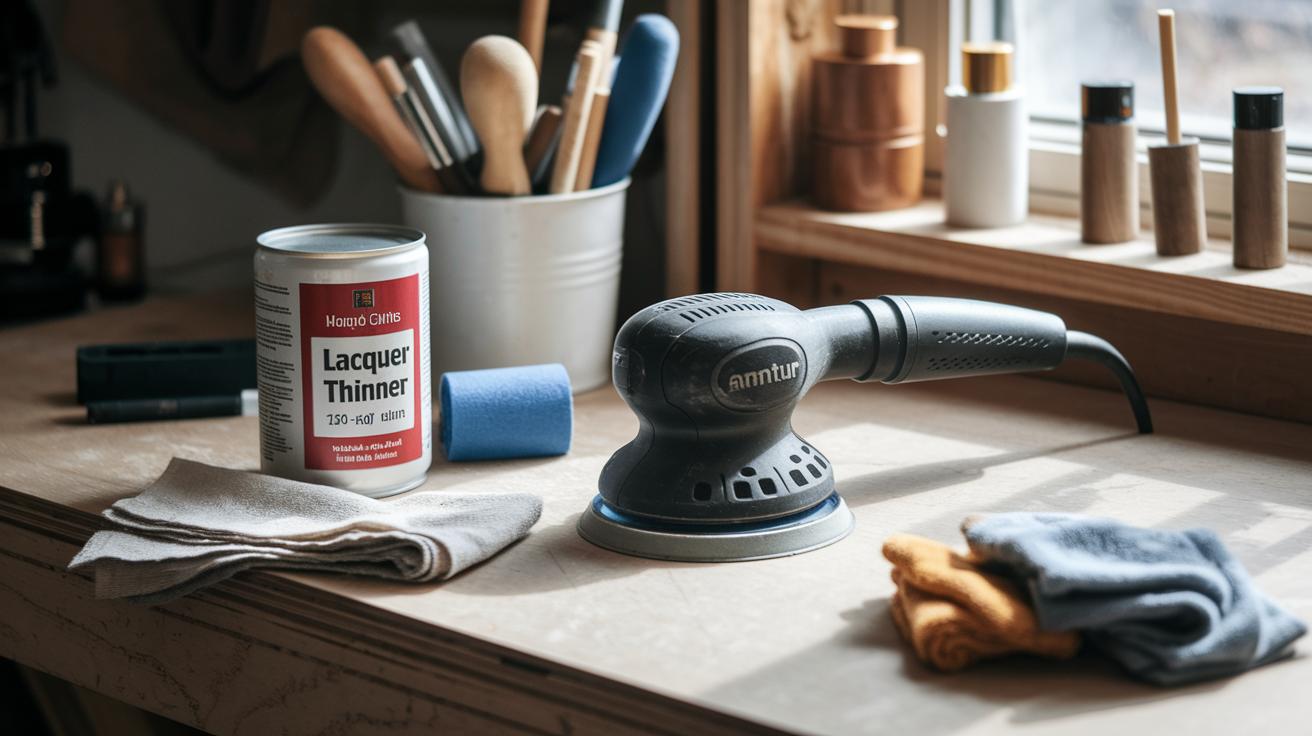
Ready to give your wood a fresh, durable finish? Start by setting up a tidy work area and gathering your tools. You will need a random orbit sander, solvents such as denatured alcohol or lacquer thinner, 120-grit sandpaper (for smoothing surface scratches), a tack cloth, and quality rags or a natural-bristle brush, or a spray tool, for applying stain and finish.
- Remove the old finish. Use your sander or apply a solvent. For example, if you are working on an old dining table, use lacquer thinner to lift off the worn coating.
- Sand the wood with 120-grit sandpaper. This step clears away scratches, much like smoothing out a bumpy driveway before repaving.
- Wipe away all dust using a tack cloth. This ensures no particles get trapped under the new finish.
- Test the stain on a hidden spot. Checking the color first is like trying a sample at a paint store; it helps you confirm the result will match your expectations.
- Apply the stain evenly with a rag or brush. Work carefully to create a uniform tone over the entire surface.
- Once the stain has dried, apply 2 to 3 coats of finish using your preferred method, a natural-bristle brush or a spray. Each coat builds a protective layer that guards the wood for years.
- Lightly sand between each coat to improve adhesion and create a smoother surface. This step works like ironing out wrinkles before adding the next layer.
Follow these steps and your wood surfaces will not only look great but also be well-protected against everyday wear. Always work in a well-ventilated space and wear eye protection when handling solvents and finishes.
Essential Maintenance Practices for Interior Wood Finishes
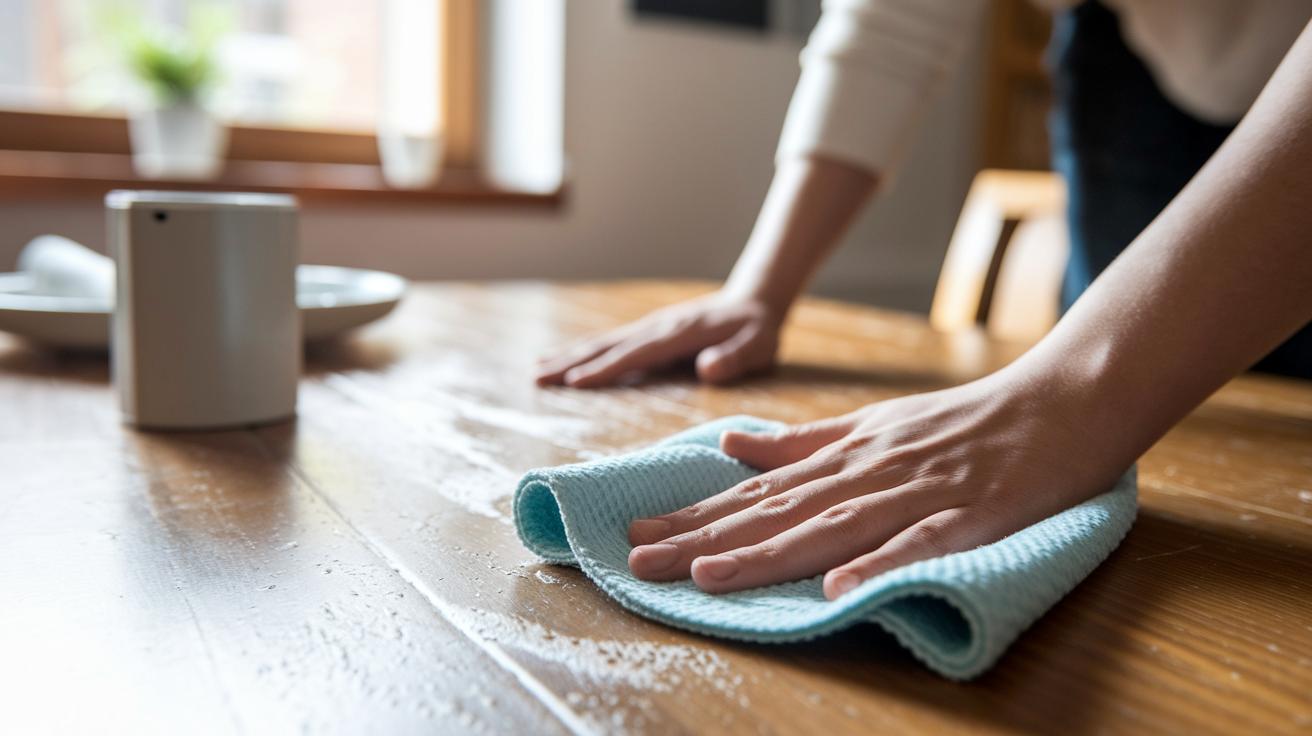
Regular upkeep helps your wood finishes stay beautiful longer. Use a gentle, non-abrasive cleaner to lift dust and spills. For example, dilute a small amount of dish soap in water and lightly wipe the surface. Always test the mixture on a hidden area first to make sure it does not harm the finish. Avoid too much water because it can remove the protective coating and cause warping or discoloration.
Check your wood surfaces often for scratches, wear, or haze. Concentrate on busy spots like dining tables or door panels so you can catch early damage before it grows worse.
For wax-finished wood, buff the surface every 6-12 months to keep its shine. For wood covered with polyurethane (a clear, hard coating) or varnish, reapply a topcoat every 1-3 years. This extra layer restores water resistance and the original look while protecting the wood from everyday wear.
Key Tips:
- Use gentle, non-abrasive cleaners and avoid too much water.
- Inspect surfaces regularly for signs of wear or scratches.
- Buff wax finishes every 6-12 months.
- Reapply polyurethane or varnish every 1-3 years.
Selecting Color and Style in Interior Wood Finishes
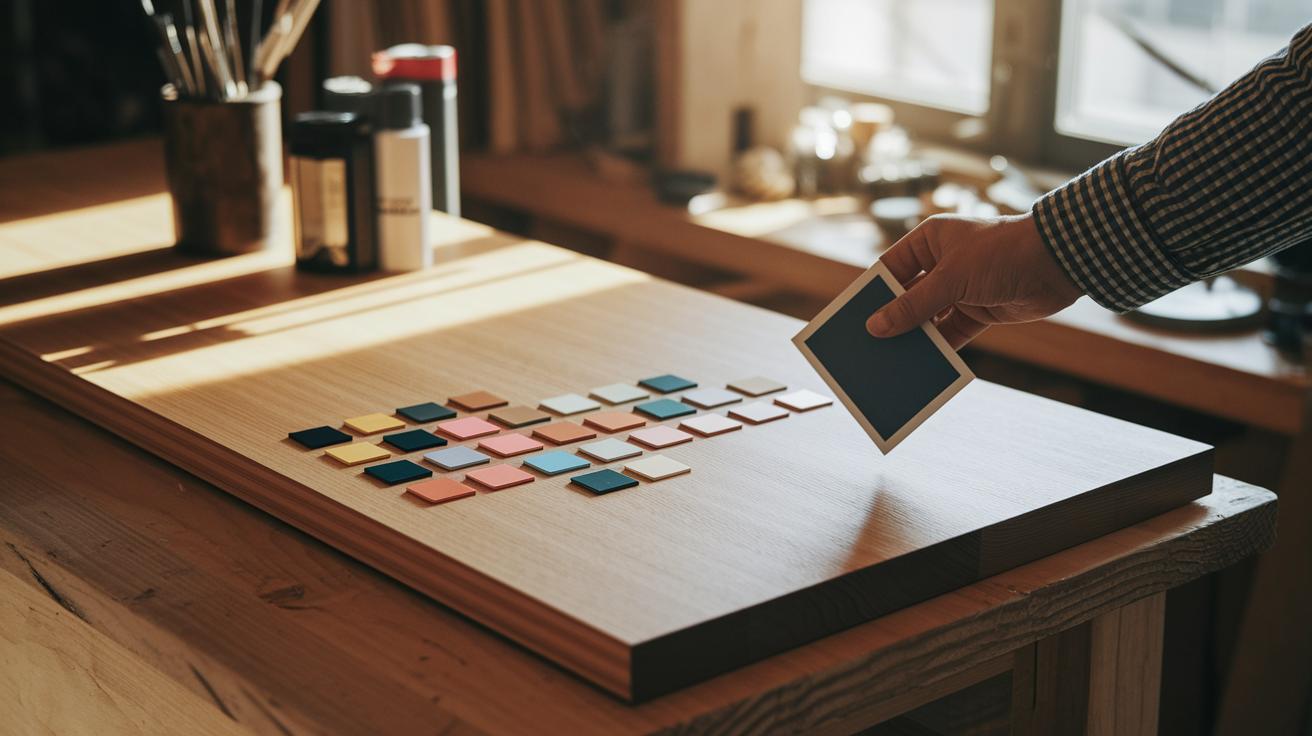
Choosing a wood finish for your home is both an art and a practical task. Your stain not only sets the color and shine but also brings out the wood grain. For example, shellac and lacquer finishes can add a light amber tint to dark woods like mahogany, giving them a warm, timeless feel. If you want true-to-life colors, water-based stains stay closer to the wood's natural look.
Test a small area first to see how the stain works with your wood's texture. Think of it like trying a paint sample at the store, it helps you confirm your choice before you finish the whole surface.
You also have a range of stylish options. Some homeowners choose a natural matte finish for a soft, organic feel, while others go with a high-gloss finish for a striking, modern look. A “water-wetted” finish is trending for its ability to deepen the grain and add a touch of class.
Key points to consider:
| Factor | Why It Matters |
|---|---|
| Wood species | Each wood has its own natural tone and texture. |
| Room lighting | Lighting affects how the finish appears. |
| Protection | The finish should guard the wood while giving the look you want. |
By matching your finish with your home's décor, you can create a warm and inviting space that truly reflects your style.
interior wood finishes Spark Brilliant Home Ambience

Eco-friendly, low-VOC wood coatings are a smart pick for homeowners who want a safe and long-lasting finish. Water-based acrylics and plant-based oils work well as alternatives to traditional solvent finishes. They give off fewer bad fumes, so you breathe easier while still protecting your wood every day. For example, a water-based acrylic provides a matte look with very little smell, great for smaller rooms.
Choosing eco-friendly coatings also helps the planet. Low-VOC treatments improve indoor air quality and cut down on harmful chemicals. These finishes come in satin or semi-gloss, fitting both modern styles and cozy, rustic designs. A plant-based oil dive deep into the wood to highlight its natural grain without harming the environment. Enjoy a safer, sustainable finish that boosts your home’s ambience and protects both your health and the earth.
Advanced Techniques and Expert Advice for Interior Wood Finishes
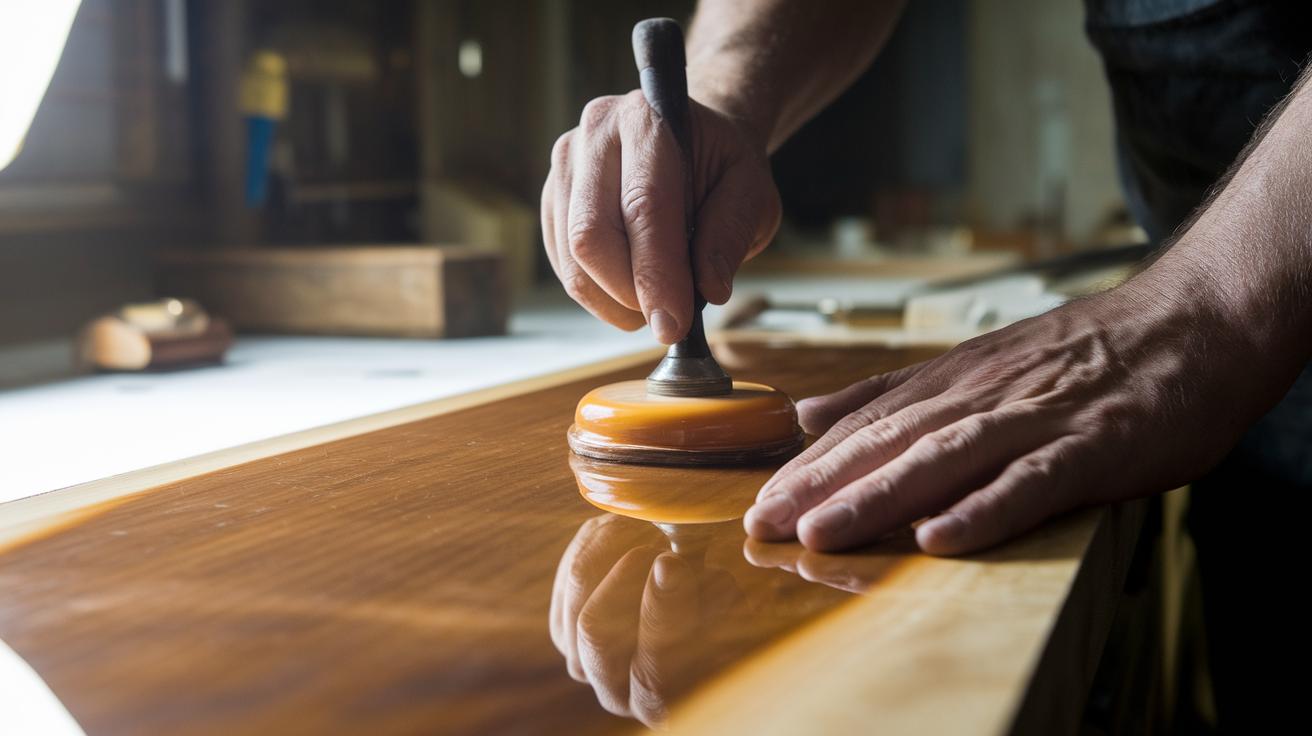
Try French polishing for a top-notch wood finish. This method uses several thin layers of shellac (a natural resin used for finishing) to create a smooth, shiny surface that highlights the wood grain. Picture a skilled craftsman rubbing each layer by hand, much like you would gently buff a classic car until it gleams.
Another useful tip is to apply multiple coats of finish. When you work in a space where the humidity is controlled, each coat dries evenly and builds up a rich, uniform shine. For example, using a spray system helps spread the finish evenly, cutting down on brush marks. Think of it as airbrushing a canvas to achieve that flawless look every time.
If you notice bubbles, a bumpy finish (often called an orange peel effect), or an uneven shine, follow this simple fix: lightly sand the affected area with fine-grit sandpaper and apply a thin coat of finish again. This extra step can change an average result into an exceptional one. Also, keeping an eye on temperature and humidity will help your finish dry evenly. A little extra care now ensures your wood surfaces look great for many years.
Final Words
In the action, we explored how to enhance, protect, and style wood surfaces with interior wood finishes. We compared penetrating versus surface coatings and walked you through a clear, step-by-step DIY process.
We covered essential maintenance routines, color and style choices, sustainable options, and even advanced techniques to tackle tough challenges. Use these practical tips to create beautiful results and keep your project on track. Enjoy the process and watch your wood surfaces transform safely and effectively.
FAQ
What are interior wood finishes Sherwin Williams?
The term interior wood finishes Sherwin Williams refers to a line of coatings designed by Sherwin Williams specifically for protecting and beautifying indoor wood surfaces with options that enhance durability and aesthetic appeal.
What are the 7 types of wood finishes?
The seven types of wood finishes often include oil-based, water-based, lacquer, shellac, varnish, stain, and wax. Each finish offers unique protection and visual enhancement depending on your project needs.
What are the best interior wood finishes?
The best interior wood finishes balance protection with style by enhancing the natural grain and color of wood while providing moisture and scratch resistance, making them ideal for high-traffic areas.
What do interior wood finishes colors mean?
Interior wood finishes colors refer to the palette of hues available, ranging from natural, clear stains to warmer and more dramatic tones, allowing you to complement or accent your home décor.
Can interior wood finishes be used for exterior applications?
Using interior wood finishes on exterior surfaces is not recommended because they lack the UV and weather resistance needed for outdoor exposure, leading to faster deterioration.
What is a types of wood finishes PDF?
A types of wood finishes PDF is a downloadable guide that outlines various wood finishing options, explains their benefits and techniques, and offers tips for choosing the right finish for your project.
What are the 3 types of wood finishes?
The three primary types of wood finishes are penetrating finishes (like oils that soak into the wood), surface finishes (such as varnishes that form a protective coat), and wax finishes, each providing different levels of protection and visual warmth.
What do types of wood finish colors include?
Types of wood finish colors include a range of stains and pigments that can create light, natural finishes or deep, rich hues, helping you achieve the desired ambiance and match your décor.
What are the four main types of wood finishes?
The four main types of wood finishes include penetrating oils, water-based finishes, film-forming varnishes or polyurethanes, and waxes, with each offering specific benefits in terms of protection, ease of application, and aesthetic enhancement.
What is considered the most beautiful wood finish?
The most beautiful wood finish varies by preference; however, many homeowners favor penetrating oil finishes for their natural, warm look that deepens the grain and highlights the wood’s character.
Is it better to stain or seal wood?
Staining enhances the wood’s natural beauty by adding color and emphasizing grain, while sealing protects against moisture and wear; often, a combination—stain followed by a sealant—is best for full protection.
Is it better to oil or wax wood?
Oiling wood brings out the natural grain and offers a low-sheen finish, whereas waxing provides additional surface protection and a subtle gloss; the choice depends on your desired look and maintenance level.
What are Display Board Oil Plus 2C, Rubio Monocoat, and Extreme Wood Protection with Durogrit?
Products like Display Board Oil Plus 2C, Rubio Monocoat Precolor Easy, Rubio Monocoat Oil Plus Part B, Rubio Monocoat Pre Aging, Extreme Wood Protection with Durogrit, and Rubio Monocoat SheenPlus Enhancer are specialized wood finishes that offer varied benefits in color enhancement, durability, and ease of application for interior wood projects.