

Ever thought a simple checklist could change a risky construction site into a safe workplace? With over 21% of job-related deaths in construction, a good safety checklist is more than just paperwork. It protects lives.
This guide shows you how to spot hazards, test your equipment, and follow clear safety steps every day. Each step is designed to keep workers safe and prevent accidents on the job.
Follow this practical plan to work faster and smarter while keeping safety a top priority. It is a hands-on tool that builds a strong safety culture and boosts efficiency.
Start using this checklist today and empower your team to finish every project safely and on budget.
Essential Components of a Construction Site Safety Checklist
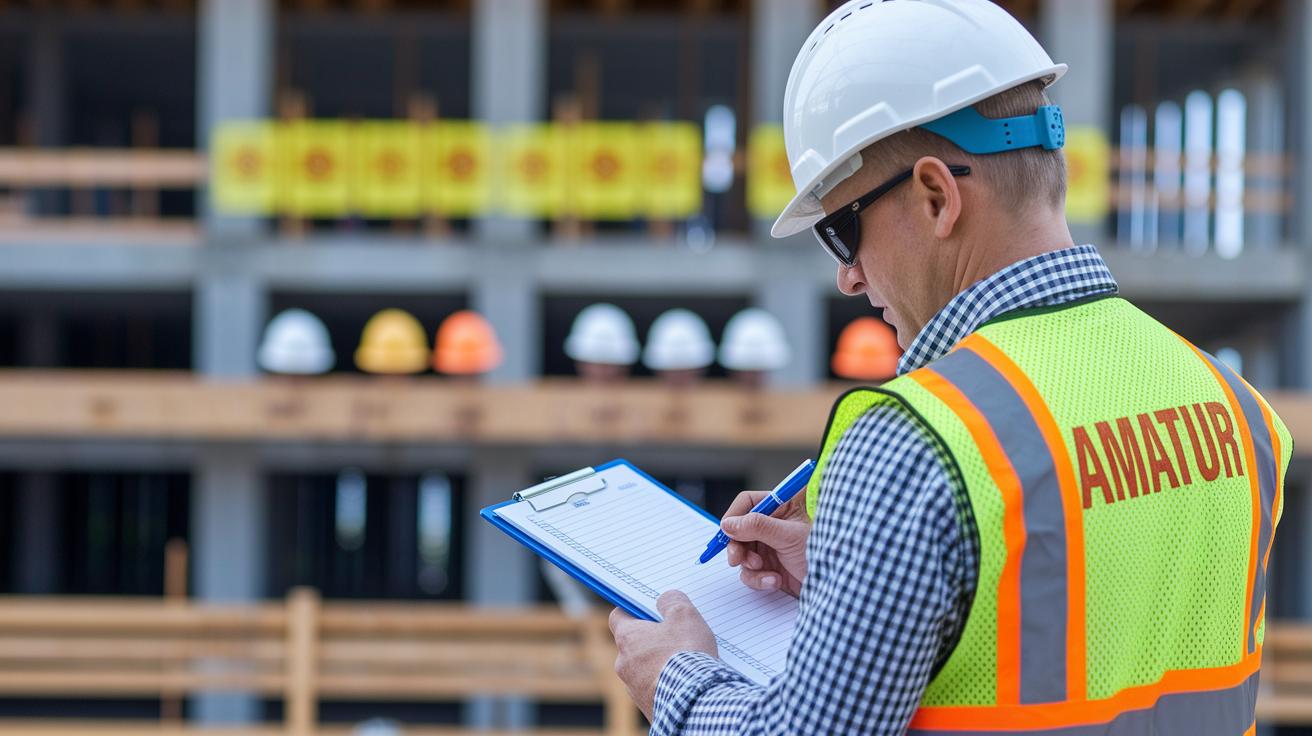
A complete safety checklist cuts down risks and keeps everyone safe. Construction work leads to over 21% of job-related deaths, so a checklist helps supervisors quickly spot and fix hazards while meeting strict safety rules. Think of it as the backbone of your safety plan and your guide for an OSHA audit. For example, it reminds you to check that the project safety plans, Job Safety Analysis (a look at job hazards), crisis management plans, toolbox talks, and morning huddle notes are current. It also lets you attach photo or video proof with digital signatures to show you’ve followed the rules.
This checklist is key to a safe workday. Using a standard inspection template helps you catch risks before they turn into accidents. It gives clear steps so every safety detail is covered. Visit our construction site safety guidelines for more tips on setting up and keeping these protocols on track.
| Step | Description |
|---|---|
| 1 | Identify hazards |
| 2 | Verify PPE (Personal Protective Equipment: items like hard hats, gloves, and goggles) |
| 3 | Inspect equipment |
| 4 | Review emergency protocols |
| 5 | Check documentation |
| 6 | Test fall protection systems |
| 7 | Keep the site clean |
| 8 | Hold training sessions and toolbox talks |
By using these steps every day, you build a strong safety culture. This system makes it easy for everyone to stay informed, work safely, and keep the project on time and on budget.
Hazard Identification & Onsite Risk Management Procedure
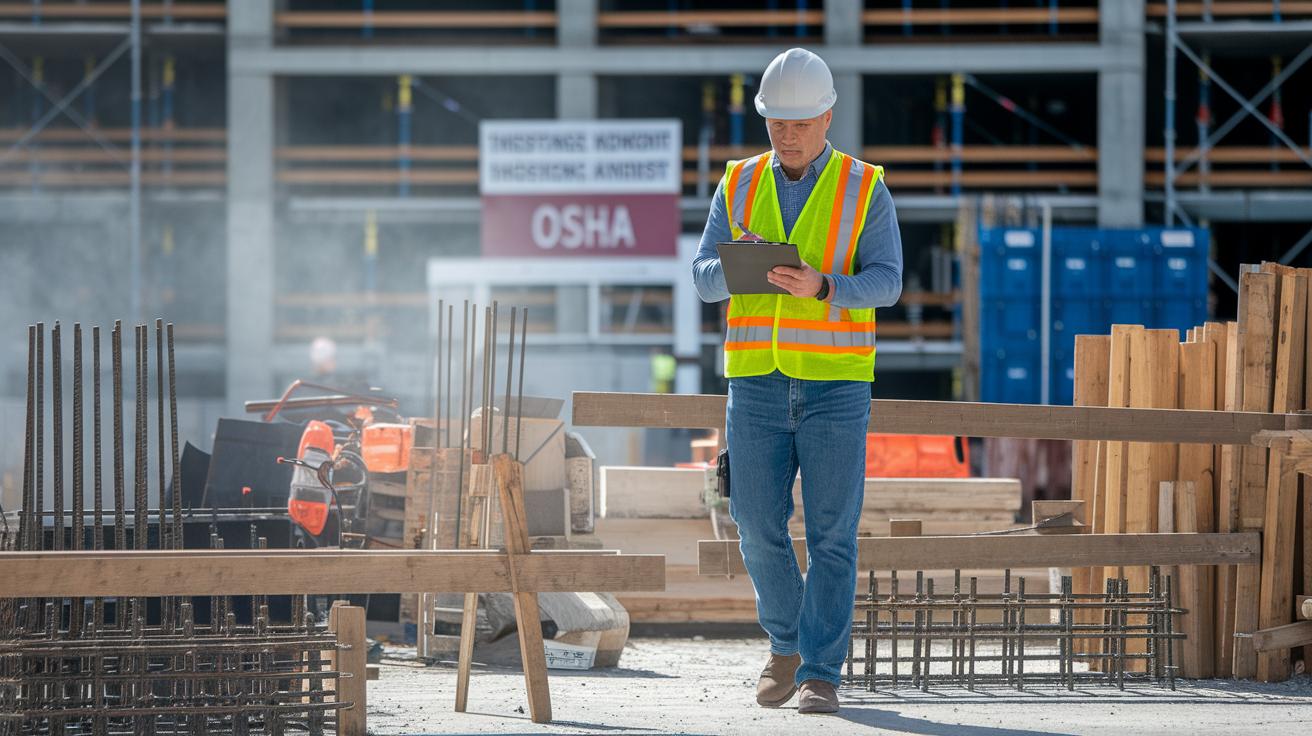
The first step to safety on a construction site is spotting hazards early. Walk the site with a careful eye and note down dangers like falls, electrical risks, digging issues, handling heavy materials, or environmental challenges. Understanding these risks lets you put the proper fixes in place, keeping your team safe and meeting safety rules.
- Walk through the site and jot down observations.
- Rank each hazard by how severe and likely it is.
- Use risk charts to review environmental dangers.
- Conduct a job hazard analysis (a step-by-step look at dangerous tasks) for high-risk jobs.
- List control measures such as engineering fixes (physical changes), administrative fixes (rules or procedures), and personal protective gear.
- Assign each task a person in charge and set clear deadlines for corrections.
As the project changes, update your hazard checklist. Regular reviews with risk charts and job hazard analysis keep your safety measures on track. When new risks appear, adjust the controls and reassign duties as needed. Record all changes promptly and keep a log for ongoing safety tracking. This careful, step-by-step method builds a strong worksite, ensuring safety and success on every project.
Personal Protective Equipment & Protective Gear Inspection List
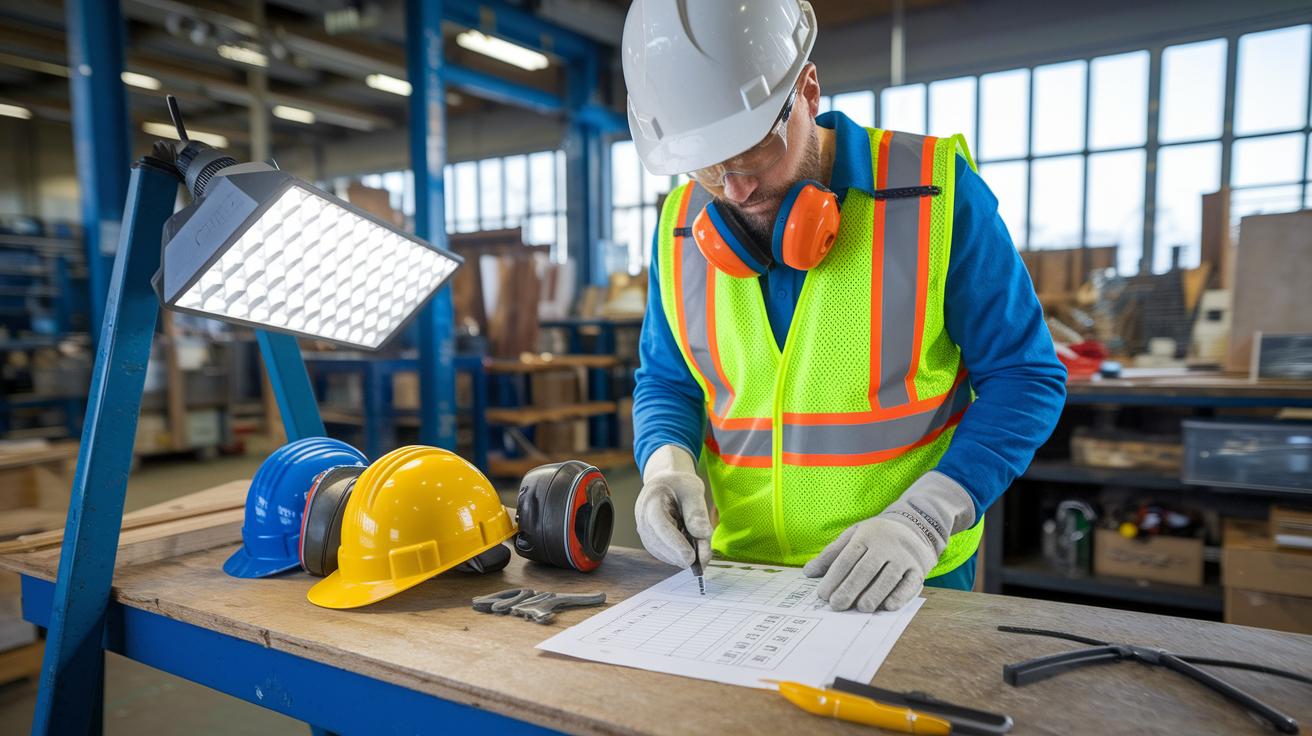
PPE is key to keeping you safe at work. Every piece of protective gear must be in top shape to stop injuries on the jobsite. Regular checks lower risks and help you follow safety rules.
- Check hard hat for cracks and that its suspension system works.
- Look at safety glasses to ensure lenses are clear and fit well.
- Inspect gloves for any wear that might reduce their protection.
- Test ear protection for proper noise reduction and clean condition.
- Verify that respirators have unexpired cartridges and a proper seal.
- Confirm high-visibility clothing still reflects light well.
- Ensure compliance tags are on and easy to read.
Write down your findings for every inspection. If you spot a crack in a hard hat or a faulty seal on a respirator, note it immediately and plan to replace it. Train everyone on how to use PPE correctly, including checking for defects. Regular reviews not only boost safety but also build a culture of accountability so everyone goes home safe.
Equipment, Tools & Machinery Hazard Prevention Plan

Regular equipment checks keep your worksite safe and help you avoid expensive mistakes. When you inspect cranes, scaffolding, power tools, and other machines, you cut down on hazards like pinch points, unguarded moving parts, and unstable setups. These routine reviews also help you meet OSHA rules by maintaining logs and confirming operator certifications for heavy equipment. For example, checking a crane is much like making sure your ladder has solid rungs before you climb, it prevents unwanted accidents.
- Confirm that operators have valid certification and that records are up-to-date.
- Inspect all guards, emergency stops, and interlock systems.
- Verify that grounding, bonding, and power cords are intact.
- Follow lockout/tagout procedures before starting maintenance.
- Check that load capacities and stability measures meet safe standards.
Using these five steps as part of your daily equipment checks builds a strong hazard prevention plan. A clear and detailed inspection checklist ensures that every piece of equipment is reviewed and maintained according to industry standards. This organized approach not only meets safety regulations but also helps you improve safety practices on the job site.
Emergency Response & Fall Protection Plan Review

Building safety starts with simple, everyday practices. Add emergency checks to your routine to help your team respond quickly when surprises arise. Make sure everyone knows the exit routes, where first aid is available, and how to communicate in a crisis.
- Emergency drill schedule and log – plan your practice runs and note the results.
- Check evacuation route signs – ensure they are easy to spot and clear.
- Inspect first aid/CPR/AED stations – confirm supplies and equipment are ready.
- Review fall protection anchors and harnesses – check that gear fits and works correctly.
- Examine fire extinguisher pressure and access – make sure they are fully charged and easy to reach.
Regularly update these logs as part of your daily safety audit. This helps you catch issues like shaky guardrails or low-maintenance fire extinguishers before they turn into accidents. Frequent reviews not only keep you compliant with safety standards, they also reinforce to your team that their well-being is top priority. Keeping accurate records makes it easier to plan training sessions and quickly fix any problems, helping you maintain a safer, more efficient worksite.
Documentation Practices & Daily Jobsite Safety Audit Framework
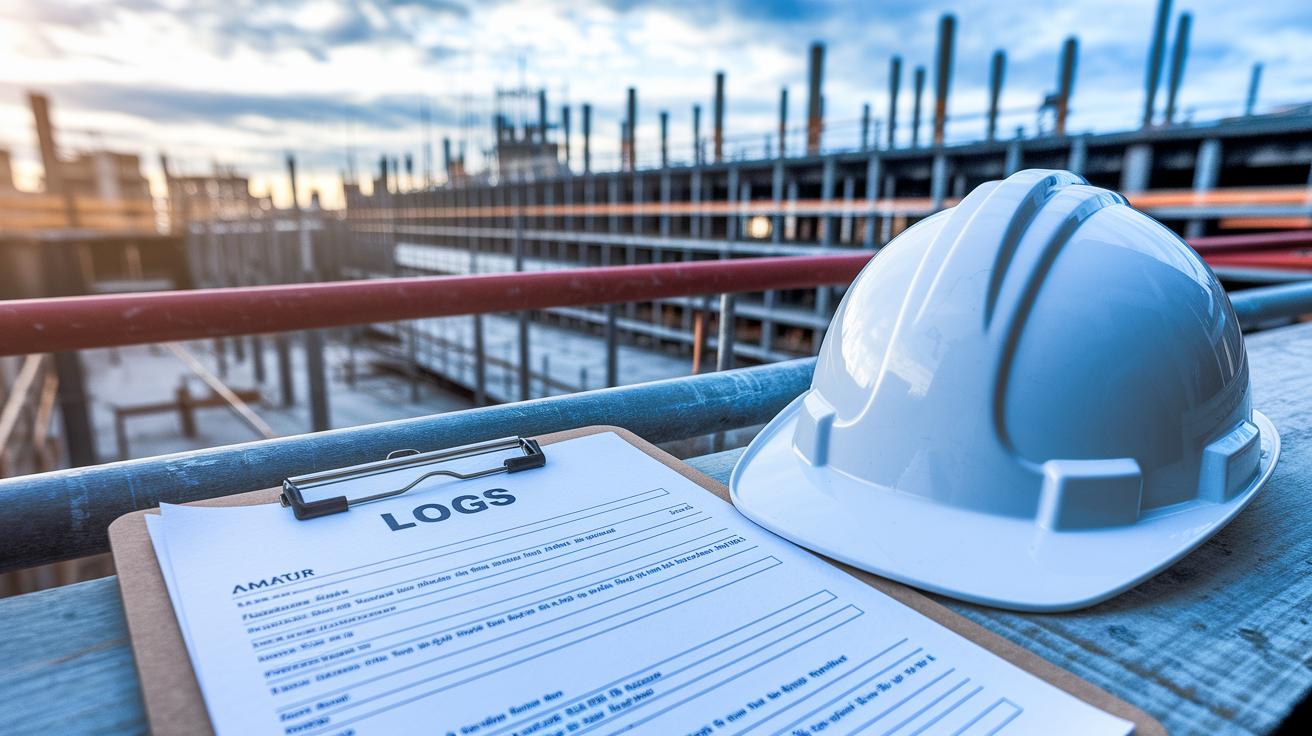
Good records are key to keeping your jobsite safe. Keeping detailed logs, observation forms, meeting notes, and incident reports helps you spot risks early. Adding photos or videos with digital signatures shows that every day you follow safety rules. This method makes sure you have the critical data needed during safety checks, keeping your project in line with OSHA standards and reducing on-site risks.
| Document Type | Frequency | Responsible Party |
|---|---|---|
| Project Safety Plan | Pre-start | Site Manager |
| Toolbox Talk Log | Daily | Safety Officer |
| Safety Observation Report | Weekly | Supervisor |
| Incident Tracking Form | As Occurs | Safety Officer |
| Audit Summary | Monthly | Project Director |
Using cloud-based systems for digital record-keeping means that safety data is always at hand. From site managers to safety officers, everyone can quickly check live audit logs and make fast decisions to keep the work area secure.
Construction site safety checklist: Empower Success
Set a regular schedule for safety checks and assign clear duties to each team member. This means planning periodic safety surveys and hazard reviews so that issues are caught and fixed right away.
- Do safety surveys every 3 months (quarterly).
- Ask workers for their feedback.
- Record any fixes in a safety management system.
- Offer refresher training after any incidents.
- Review safety performance numbers on a regular basis.
Use a compliance audit plan to keep your site safe over the long term. Check your risk management notes and your hazard prevention plan to look for ways to improve. Supervisors can match every fix with your building safety rules to ensure nothing is missed. These steps not only meet code rules but also build a culture where everyone looks out for each other. This approach helps your crew work safely, prevent accidents, and stay accountable on every project.
Final Words
In the action of boosting jobsite safety, we covered everything from hazard checks and PPE inspections to emergency drills and digital documentation. This guide breaks down each vital step, ensuring you know how to tackle potential risks efficiently.
The detailed construction site safety checklist offers clear protocols to help minimize accidents and keep your projects compliant. Each tip builds practical skills and promotes safe, steady progress on the job.
Keep this checklist handy, stay proactive, and enjoy a smoother, safer workday.
FAQ
What file formats are available for construction site safety checklists?
The construction site safety checklists are available as PDFs, Excel files, and Word templates. These ready-to-use documents support OSHA inspections, audits, and daily site safety management.
What safety measures should be taken on a construction site?
The safety measures on a construction site include hazard identification, PPE verification, equipment inspection, emergency protocols, and proper documentation. These actions help reduce risks and promote OSHA compliance.
What’s the 20/20/20 rule in OSHA construction?
The 20/20/20 rule in OSHA construction is an informal guideline suggesting regular safety checks every 20 minutes, reviewing 20 critical safety elements, and maintaining a 20-foot perimeter to reduce risks.
What is a safety checklist in construction?
A safety checklist in construction is a documented guide outlining hazard assessments, PPE and equipment checks, emergency protocols, and daily audits to ensure site safety and compliance with OSHA standards.
What does OSHA require on a construction site?
OSHA requires construction sites to perform regular hazard assessments, maintain detailed safety checklists, enforce the use of proper PPE, and establish emergency protocols and documentation practices to prevent injuries.