

Have you ever wondered why so many homeowners get hit with unexpected repair bills? A simple, well-planned home maintenance budget can keep those surprises at bay and save you money. Set aside 1% to 3% of your home's purchase price each year. That small habit can cover both everyday fixes and major repairs. This guide explains how to tell regular upkeep apart from bigger projects. Follow these steps to protect your home and your budget. With the right plan, you can steer clear of costly surprises and enjoy peace of mind.
Setting a Practical Home Maintenance Budget: The 1%–3% Rule
When planning your yearly home care, try saving 1% to 3% of your home's purchase price. For example, if you bought a home for $300,000, set aside about $3,000 to $9,000 each year for repairs and upkeep. Adjust this rule if your house is older, larger, or in a harsher climate. Bigger or older homes might need extra funds for unexpected fixes.
Tip: Open a savings account just for home repairs and set up automatic monthly deposits. This way, you stay on track with your savings. For instance, depositing $250 (about 3.6 €/month) each month adds up to $3,000 a year, hitting the lower end of the range.
Make a list of maintenance tasks and group them by how often they should be done and how urgent they are. Separate everyday jobs like checking filters and cleaning gutters from major projects such as a new HVAC system (heating, ventilation, and air conditioning) or roof repair. Remember, every dollar spent planning now can help avoid surprise costs later. You can refer to the Home Maintenance Checklist for tips on timing and organizing these tasks.
Following the 1% to 3% rule gives you a clear idea of how much to save for both routine projects and emergencies. This approach keeps your home safe and well-kept without putting extra pressure on your monthly budget.
Breaking Down Your Home Maintenance Budget by Task Category

Start by splitting your home maintenance costs into clear groups. This helps you compare expenses, set priorities, and track spending. List your tasks as Routine Upkeep, Preventative Maintenance, Emergency Repairs, Major Replacements, and Exterior Upkeep. This method makes it easier to plan for regular fixes and sudden issues.
Routine Upkeep covers simple jobs like changing filters and cleaning gutters. These tasks usually cost between $150 and $300 per item. Preventative Maintenance includes work like HVAC tune-ups (service for your heating and cooling system) and roof inspections, which usually run from $200 to $600 per year. Reserve about 10%–20% of your total budget for Emergency Repairs to handle unexpected problems like burst pipes or electrical faults. Major Replacements are less frequent but cost more, such as replacing a roof every 20–30 years or an HVAC system every 10–15 years. Exterior Upkeep takes care of decks, siding, and landscaping to keep your home in good shape and prevent water damage or structural issues.
| Task Category | Cost Range | Service Frequency |
|---|---|---|
| Routine Upkeep | $150–$300 per item | Monthly to Annual |
| Preventative Maintenance | $200–$600 per year | Annual |
| Emergency Repairs | 10%–20% of total budget | As needed |
| Major Replacements | Varies significantly | Every 10–30 years |
| Exterior Upkeep | Varies by scope | Seasonal to Annual |
Using this breakdown, you can better estimate your spending and build a clear plan that covers everyday care and surprises.
Allocating an Emergency Fund Within Your Home Maintenance Budget
Set aside about 10% to 20% of your yearly maintenance budget for unforeseen repairs. For instance, if you budget $5,000 (about €4,700) for the year, reserve roughly $500 to $1,000 (about €470 to €940) for emergencies such as a broken furnace or a leaking pipe. Keeping this money in its own savings account prevents it from being mixed with your regular maintenance funds.
This emergency fund is your safety net. It lets you fix sudden problems without touching the savings meant for planned upkeep. So if your water heater fails one day, you can quickly use this fund to cover the repair without delaying other important work.
Here’s how to set up your emergency fund:
- Identify your total annual maintenance budget.
- Work out 10% to 20% of that amount to set as your emergency reserve.
- Open a savings account specifically for repair costs.
- Automate regular transfers into this account so your fund grows steadily.
- Check the fund now and then, especially after any big repairs.
Having a dedicated repair fund keeps unexpected costs from throwing off your budget. You’ll enjoy more peace of mind knowing that a burst pipe or a sudden electrical failure won’t disrupt your overall plan for home care. When something goes wrong, you’ll have the money ready to cover the damage while staying on track with other projects.
Seasonal Home Maintenance Budget Planning

Plan your home repairs by splitting the year into four parts. This approach helps you manage monthly upkeep costs and keeps your schedule steady. Spread tasks evenly so that one season doesn’t drain your budget. Plan in advance and leave room for unexpected repairs.
-
Spring – Get your home set for warmer days. Clean out gutters to remove winter debris and prep your yard for new growth. Budget about $200 to $400. A clean gutter prevents water buildup that can damage fascia boards.
-
Summer – Use the warm weather for essential maintenance. Tune up your HVAC (heating, ventilation, and air conditioning) system and seal your deck to protect against the elements. Expect to spend around $150 to $300. This season is ideal for fixing small issues before they become major repairs.
-
Fall – Prepare for winter by checking your home’s seal. Inspect your roof for missing shingles and winterize your pipes to stop freezing. Plan on spending roughly $200 to $500. Early fall inspections catch minor problems before they require emergency repairs in cold weather.
-
Winter – Focus on keeping your home safe during the cold months. Set up snow removal to prevent ice damming and get your furnace checked to ensure efficient heating. Costs typically run between $100 and $250. Handling these tasks on time helps avoid costly emergencies during heavy snow or deep freezes.
For a complete list of seasonal tasks, check out the Annual Home Maintenance Checklist. This tool offers extra details and a timeline to help fine-tune your budget plan.
Home Maintenance Budget Calculator and Worksheet Tools
Digital tools make it easier to plan your home repair budget. You can use a spreadsheet template, a budgeting app, or an online calculator. These tools help you enter your home’s purchase price, pick a set percentage, and automatically save money for emergencies. For example, one calculator might say, "Enter your home price and choose your savings rate," then show you your yearly allocation based on the 1%–3% rule.
A good budget worksheet shows both what you planned to spend and what you actually spent. This lets you see where your numbers line up, or where they don’t, so you can adjust your plan over time. It might include sections for your home's age and the lifespan of its systems, helping you estimate costs for jobs like HVAC tune-ups (regular maintenance for your heating and cooling system) or roof repairs.
- Spreadsheet templates let you update records every month.
- Budgeting apps give you mobile access when you’re on the go.
- Online calculators offer quick results with just a few inputs.
Keep these tools up to date during your monthly financial reviews. That way, you stay on top of your home’s upkeep and make smarter decisions about where to spend your money next.
Tracking and Adjusting Your Home Maintenance Budget Over Time

Keep a record of every repair and service. Write down the date, cost, and type of work. For example, if you spent $250 (about €230) on your HVAC (heating, ventilation, and air conditioning) maintenance last spring, note it so you can update your budget for this year. This detailed list helps you spot regular expenses and avoid surprises.
Review your budget once a year. Changes like inflation, new home installations, or growing needs may change your spending. Compare your planned costs with what you actually spent. This review helps you adjust your budget for regular upkeep and unexpected repairs.
Choose a method that works for you. Some like using budgeting apps or online spreadsheets, while others keep a simple paper journal. The key is to be consistent. Regular tracking turns your fixed plan into a flexible tool that grows with your home.
Steps to get started:
- Keep receipts and note costs right after each service.
- Set a time each month to update your records.
- Every three months, compare your total spending with your budget.
By checking your actual expenses against your plan, you can predict future costs more accurately and keep your home care plan on track.
Balancing DIY and Professional Services in Your Maintenance Budget
Decide which upkeep tasks you can handle yourself and which ones need a pro. Simple jobs like painting, lawn care, or changing filters can cut labor costs by 30%–50%. For example, if you paint your living room on your own, you avoid paying a contractor.
For jobs involving wiring, plumbing (pipes and fixtures), or structural changes, it’s best to call in a professional. They usually charge between $50 and $100 per hour, but their work meets safety codes and standards. Hiring a licensed electrician to rewire a room, for example, means the work is done safely and up to code.
Keep your budget organized by tracking DIY material expenses separately from contractor fees. Set up a simple spreadsheet that lists each project along with its estimated material costs and expected labor charges. This approach shows you where you’re saving money and where spending more ensures quality and safety.
When choosing between DIY and hiring a pro, ask yourself:
- Is this task simple enough for a beginner, like cleaning or minor repairs?
- Does the job require special tools or expertise, as with plumbing or major electrical work?
Answering these questions helps you balance saving money with managing risk and quality, keeping your home maintenance budget both practical and secure.
Expert Tips to Optimize Your Home Maintenance Budget
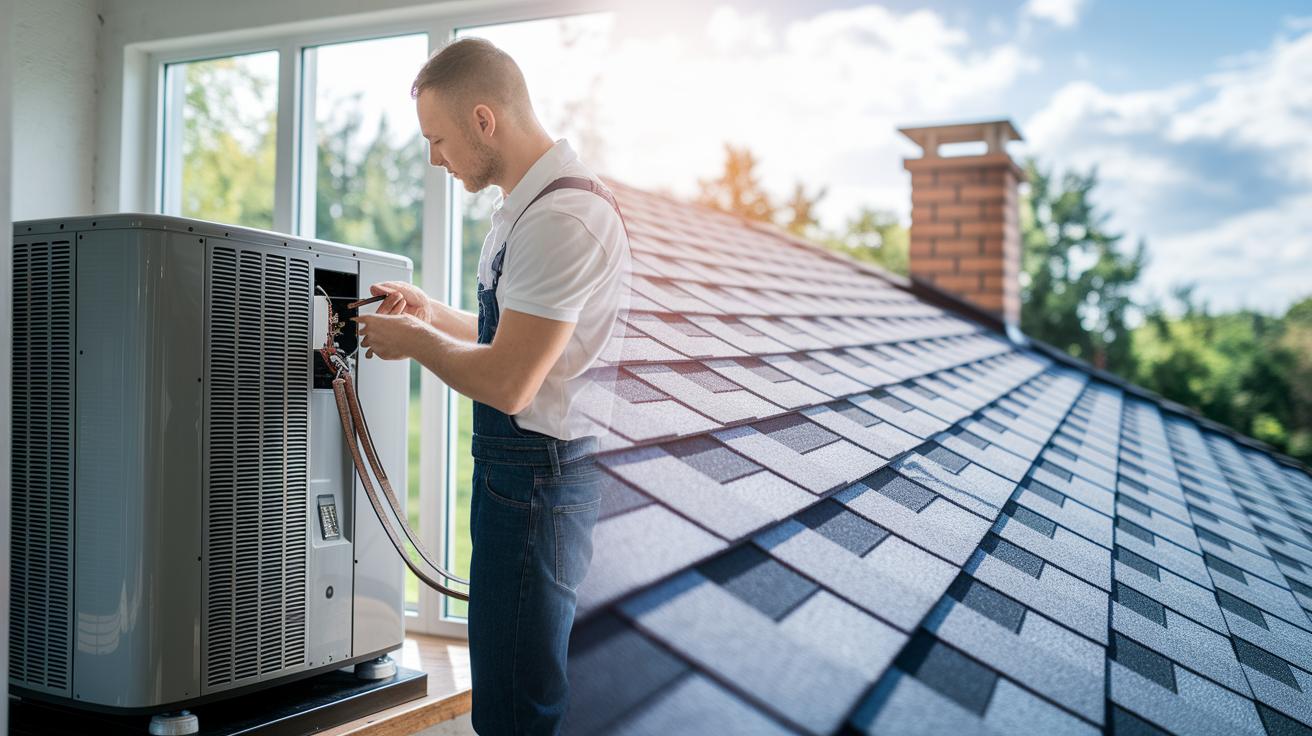
Get professional inspections twice a year to catch little problems before they turn into big, expensive fixes. These checkups can cut repair costs by up to 20%. Think of it like a quick look at your HVAC system that spots a worn belt before it fails. This simple step helps your equipment last longer and gives you leverage for better repair deals.
Choose top-quality parts and materials even if they cost a bit more at first. For example, spending a little extra on high-grade roof shingles can extend your roof's life and stave off early replacements. Over time, this strategy saves you money by reducing the frequency and size of repairs.
Look into bulk service contracts for regular tasks like HVAC maintenance. Signing up for an annual plan can earn you discounts and priority service. That way, if something unexpected happens, you'll get quick help without the high cost.
- Book inspections twice a year to keep repairs in check.
- Use high-quality materials to lengthen your repair intervals.
- Consider bulk service plans for regular maintenance savings.
These smart tips can help you make the most of every dollar in your home maintenance budget while keeping your house in top shape.
Final Words
In the action, we set a practical home maintenance budget using the 1%–3% rule and detailed cost estimates for routine upkeep, emergency repairs, and seasonal tasks. We showed you how to break expenses into manageable categories and use calculators and templates for clear tracking. This roadmap empowers you to tackle repairs confidently while maintaining safety and saving money. Keep refining your approach and enjoy the peace of mind that comes from a well-planned home maintenance budget.