

Have you ever wondered if your home can look great and stay strong? You can choose finishes that bring style and durability together. This guide shows you how to mix materials like wood, metal (a tough building material) and fabric for a look that can handle everyday use. We break down important factors like your budget, how much traffic a space gets, and your design style to help you pick finishes that work well and last long. Get ready to update your space with a mix of flair and practicality.
Key Criteria for Selecting Interior Finish Materials
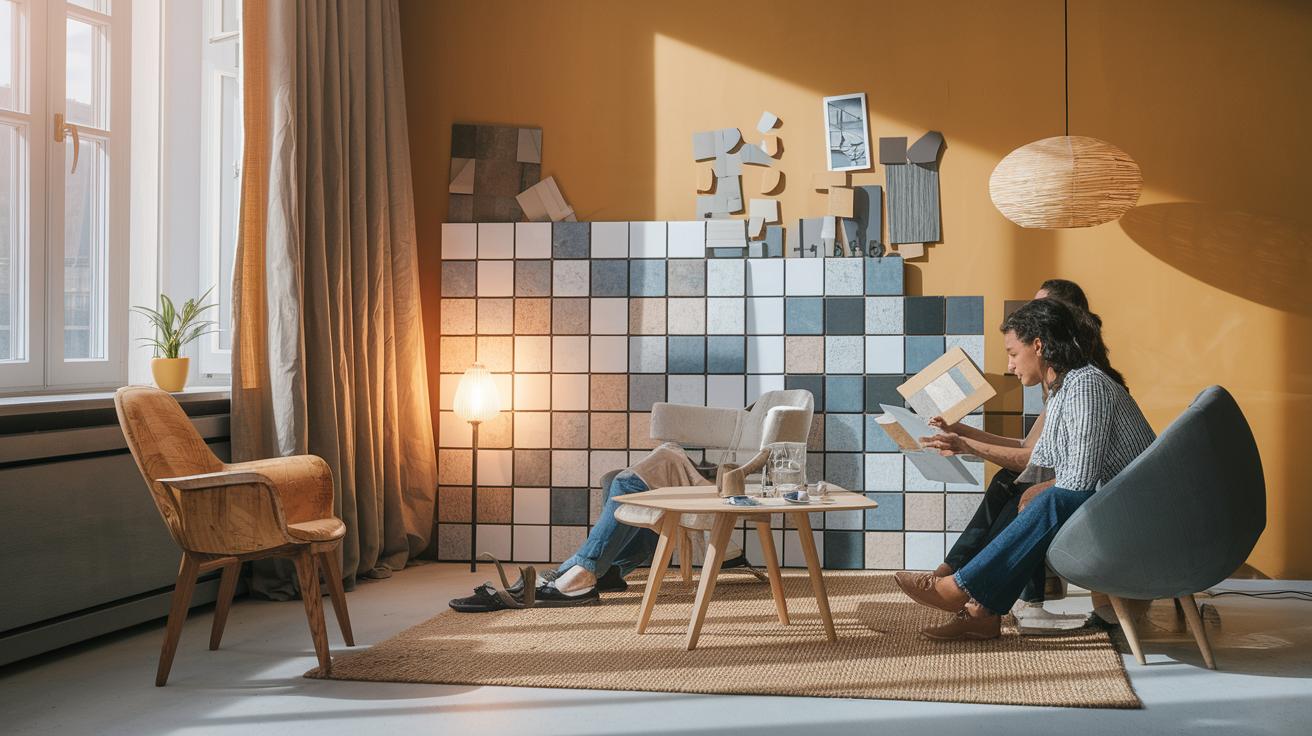
Start by listing your project's needs. Think about your lifestyle, budget, and how you use the space. If your home sees a lot of traffic, durability must be a top priority.
Next, identify the main factors that matter to you. This includes style, performance, cost, and eco-friendliness. A modern, clean finish works best in a contemporary room, while warm, textured materials suit a traditional style.
Test your options by comparing samples under different lights. For example, check a tile sample by your window during the day and under a lamp at night to get an accurate look at its color and texture.
Mixing materials like fabric, metal, and wood can add depth and character to your space. Balance a pleasing appearance with the need for surfaces that can handle everyday wear. Review your checklist again to ensure each material meets both your design wishes and practical requirements.
Balancing Aesthetics and Functionality in Interior Finish Materials
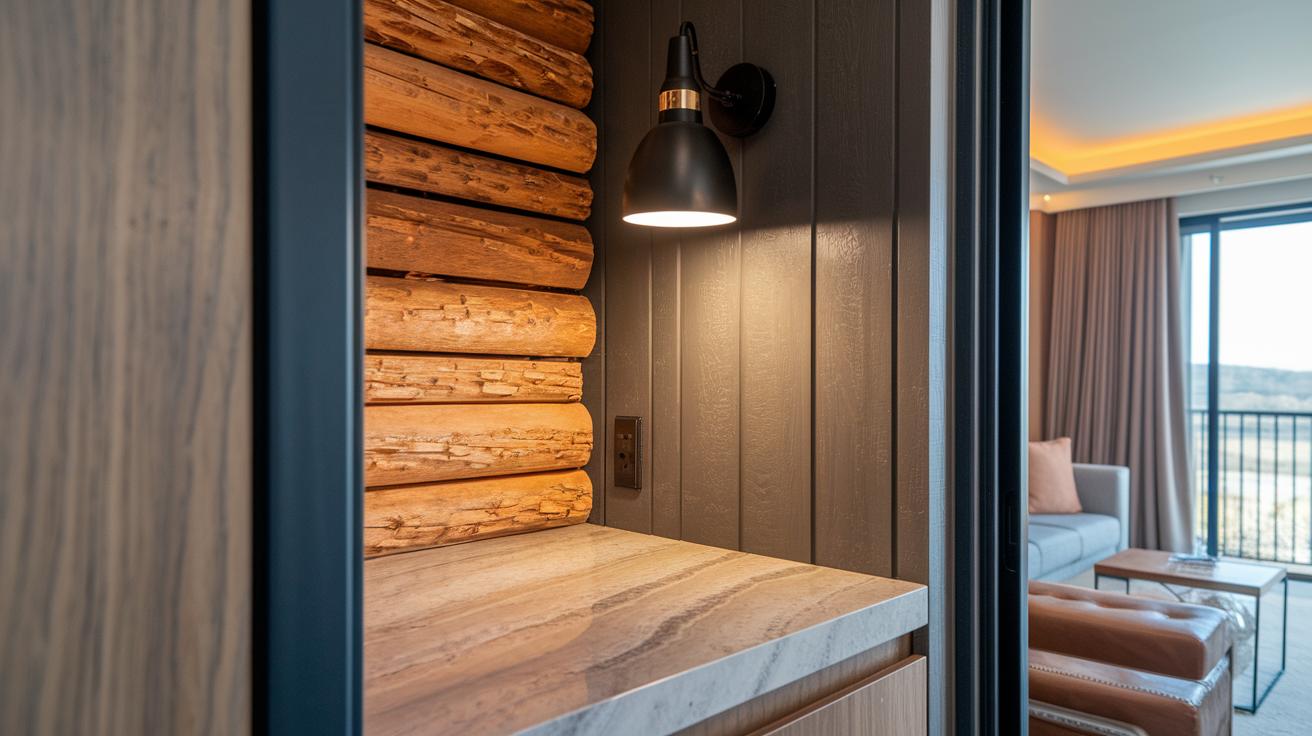
Choosing finishes that look good and last long means blending style with strength. For instance, a wood panel with a rough texture paired with a smooth metal fixture gives a room a warm feel while standing up to regular use. It’s like selecting soft fabric that can handle heavy traffic without wearing out.
Materials should be easy to clean and safe to walk on. Imagine a countertop with a beautiful grain that still fights off spills and stains. Tough surfaces like quality laminate or quartz (a strong, engineered stone) keep their color steady no matter the conditions.
Pick a surface that is both attractive and practical. Think of a kitchen counter that shines in the morning light yet stays reliable during a busy dinner party.
Good lighting shows you how a finish really appears. Check it out in bright sunlight and under soft indoor lights. This way, you’ll know your chosen finish looks great all day long. Explore options like interior wall finishes that combine style with everyday use.
Choose coatings and surface treatments that protect and last. Each material should keep its good looks after cleaning, resist scratches, and maintain even color even when the light changes.
Budgeting and Cost Analysis for Interior Finish Materials

When planning your interior finish project, start with a clear budget that covers both immediate costs and future upkeep. Focus on big-ticket items like flooring, cabinets, and countertops. For example, laminate countertops offer an affordable choice compared to granite, and doing your own painting can save on labor. Compare prices, durability, and maintenance to decide if a pricier material will save money over time.
Break down your budget with clear details. Think about installation costs – for example, check out the cost of flooring installation to see what works for your project and budget. Quickly compare your options based on price, lifespan, and upkeep needs. A premium product might look good, but a less expensive option could work just as well with everyday use. Spend more on items that get heavy use, and update the trim and paint later to keep your costs low.
A smart budget balances higher upfront prices with lower future expenses. By comparing your options and focusing on what matters most, you can achieve a stylish, long-lasting finish that fits your vision and your wallet.
Durability, Maintenance, and Environmental Considerations for Interior Finishes
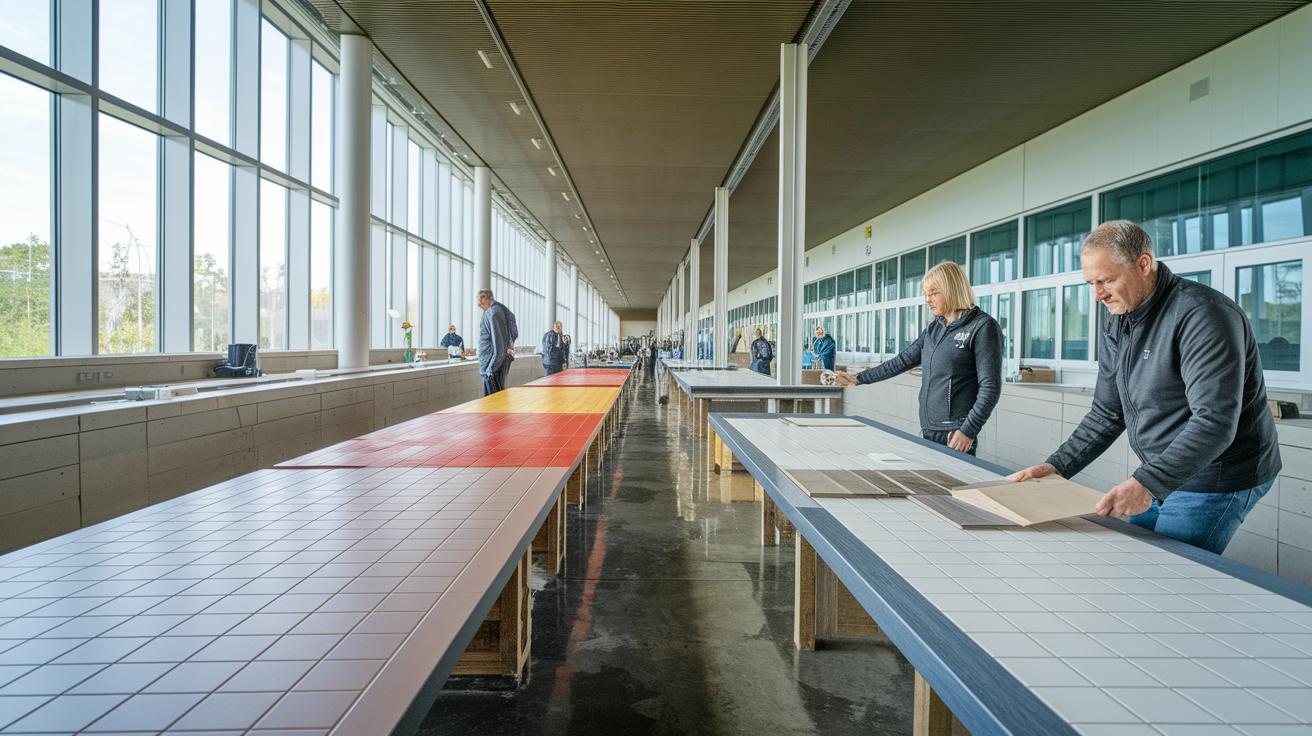
In busy spots like kitchens and hallways, choose materials built for heavy use. Pick flooring and countertops that can handle scuffs and scratches with ease. For example, test a ceramic tile sample (a fired clay tile known for its toughness) in a busy area to see how well it stands up.
Keeping your finishes in top shape means choosing low-maintenance options. Natural stone looks great, but it often needs more care than ceramic tile. If you have a hectic schedule, go for surfaces like laminate (a strong, layered material that cleans up quickly) instead of polished stone.
Remember, health matters too. Some finishes can release chemicals such as formaldehyde and VOCs (volatile organic compounds that can affect indoor air quality). Always check product details and opt for eco-friendly, low-emission choices that help keep your air clean.
Energy efficiency can also boost your savings. Certain wall and ceiling materials help lower energy use, which might cut your utility bills by 20–30%. Consider each material not only for its look and durability but also for how it contributes to a sustainable, healthy home.
- Evaluate wear resistance
- Compare maintenance needs
- Check for low VOC emissions
- Consider energy-saving benefits
Room-by-Room Guide to Choosing Interior Finish Materials
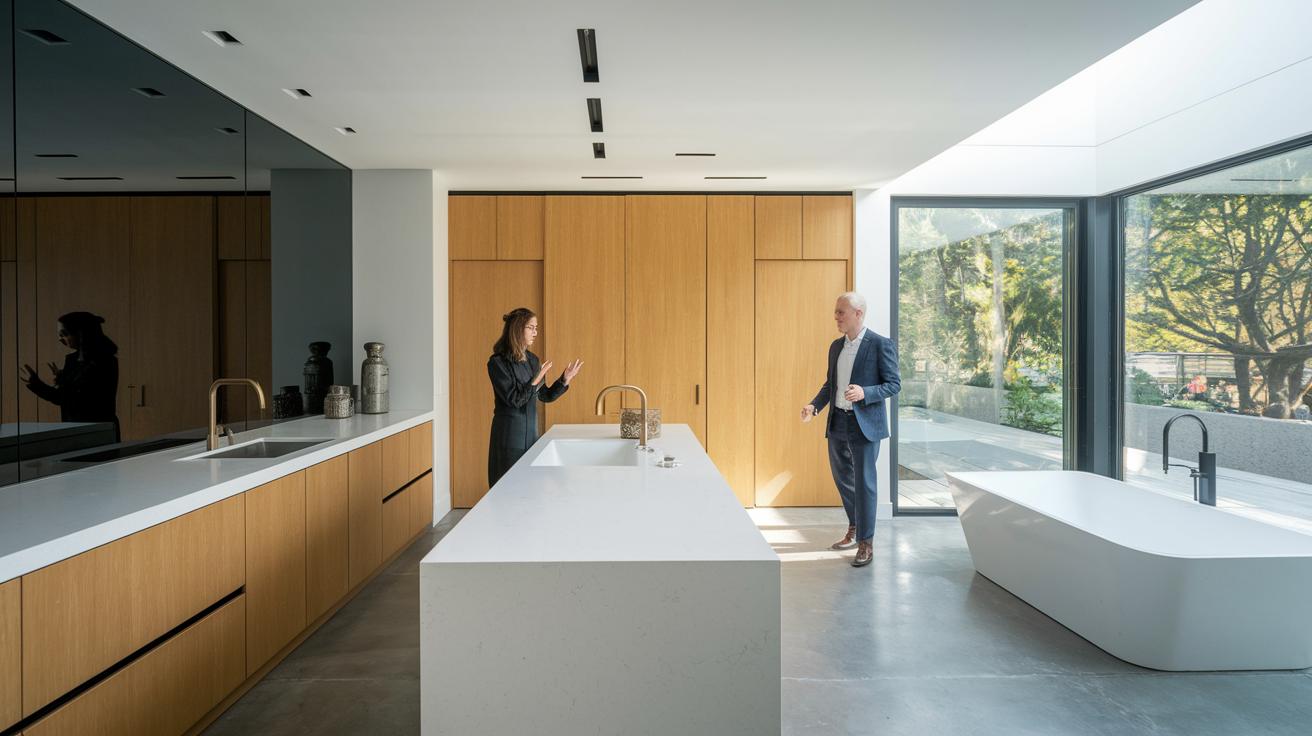
In the kitchen, choose surfaces built for busy use. Quartz countertops (93% pure quartz) offer a tough, stain-resistant work area that stands up to spills. Cabinets with durable finishes help prevent chipping during daily cooking. Try pairing a glossy quartz counter with a warm, matte wood cabinet for an engaging contrast.
In the bathroom, functionality matters when dealing with moisture. Porcelain tiles are denser and more water-resistant than ceramic, making them ideal for areas where water splashes occur. Use grout that contains mold-fighting additives to keep surfaces looking fresh. Mix smooth tiles with patterned ones to add a spa-like feel. Test a sample in your shower to see how its water resistance and texture transform your space.
For living areas and bedrooms, opt for finishes that blend timeless style with modern trends. Hardwood flooring not only boosts your home value by 3–5% but also brings warmth and character. Place an area rug in high-traffic zones to protect the floor while adding a soft layer. Combine polished wood with fabric drapes or upholstered furniture to create a balanced, inviting room.
For a personalized touch, mix decorative textures like brushed metal, natural wood, or soft fabric finishes. This approach helps you design rooms that are both stylish and practical.
Practical Steps: Sampling, Testing, and Finalizing Interior Finish Choices
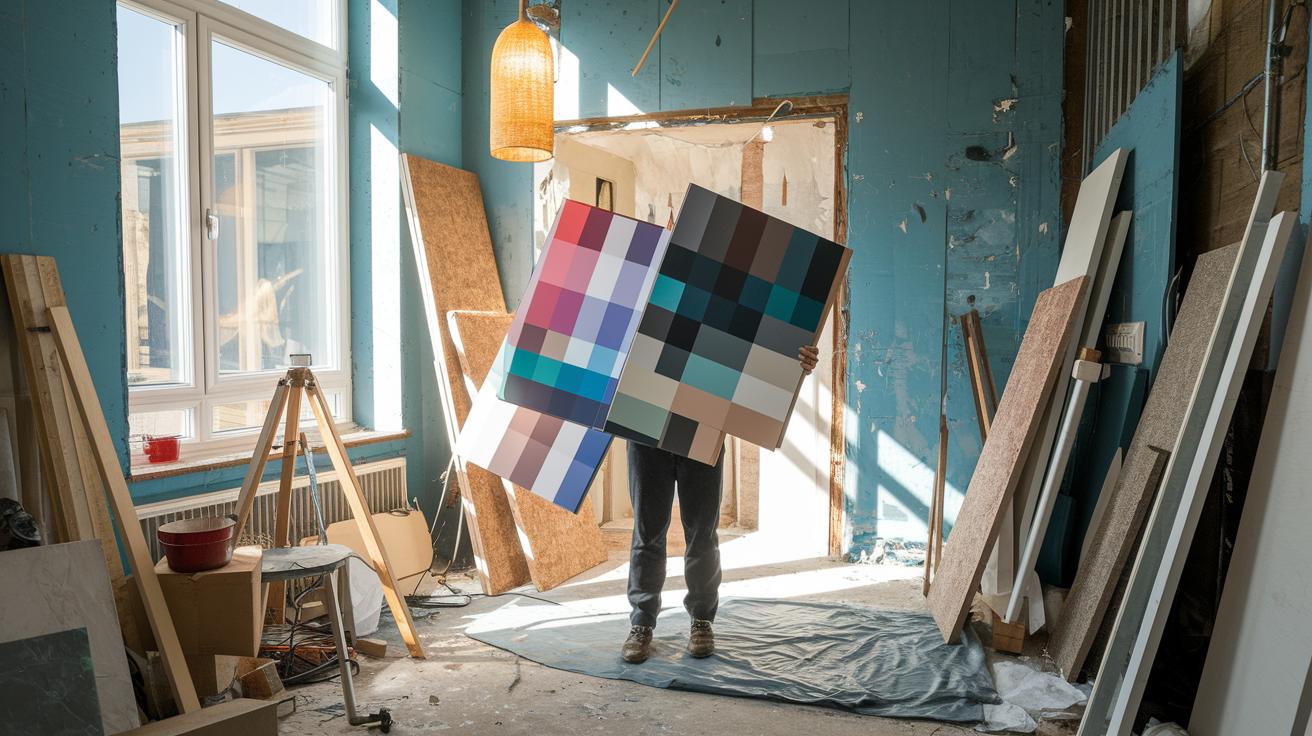
First, order larger sample boards and install them in the room where you plan to work. This lets you check out the color and texture in both natural sunlight and lamp light. It’s a crucial step to help you pick your finishes right.
- Get samples of your flooring, cabinetry, countertops, and tiles.
- Test each sample before you install anything. For example, hang a sample board on a wall so you can see how it changes in sunlight and under a lamp.
- Follow a clear plan. Install the main pieces first, flooring, cabinets, and countertops, then decide on your paint later.
Testing your samples like this prevents costly changes and helps you see how each material performs under real conditions. It keeps your design cohesive while ensuring your choices work with the room’s lighting and everyday use.
Final Words
In the action, we broke down the key factors for picking finishes that boost both style and durability. We covered balancing aesthetics with function, setting a budget, evaluating long-term maintenance, and customizing choices for each room. The step-by-step guide on sampling and testing reinforces careful planning and practical decision-making. With clear tips on how to choose interior finish materials, you’re set to create a space that stands up to everyday use and looks great for years to come. Enjoy the process and trust your instincts.
FAQ
What is a finishing materials list?
The finishing materials list details all items needed for a project’s final touches, such as paint, tiles, and trim. It helps plan budgets, schedules, and ensures you don’t miss any key elements.
What does “Interior Finish Breckenridge” refer to?
The term “Interior Finish Breckenridge” refers to finish work and material choices tailored to projects in Breckenridge, where local climate and style trends influence the selection of durable, attractive finishes.
What are finishing materials in construction?
Finishing materials in construction are products like paint, tiles, and wall coverings used to complete and beautify a space after the structural work is done, adding both style and protection.
What are some factors to consider when choosing interior finish materials and how to select materials for interior design?
Choosing interior finishes involves evaluating style alignment, durability, cost, maintenance, and environmental impact to ensure your selected materials work well with your design goals and daily use requirements.
What is the 70/30 rule in interior design?
The 70/30 rule in interior design means dedicating 70% of your space to neutral elements like walls and flooring, while using 30% for bolder accents to create a balanced, inviting look.
What is the rule of 3 flooring?
The rule of 3 flooring advises using three complementary flooring elements or layout variations to create visual interest and ensure a cohesive flow throughout a space.