

Ever notice your air conditioner working overtime on a hot day? Regular upkeep can make your home feel cooler and help you save on energy bills. Change dirty filters, check for leaks, adjust your thermostat, and move your condenser to a spot with some shade. These simple steps can boost airflow by up to 30% and keep your system running smoothly for longer.
Comprehensive Overview of Home Air Conditioner Maintenance Tasks
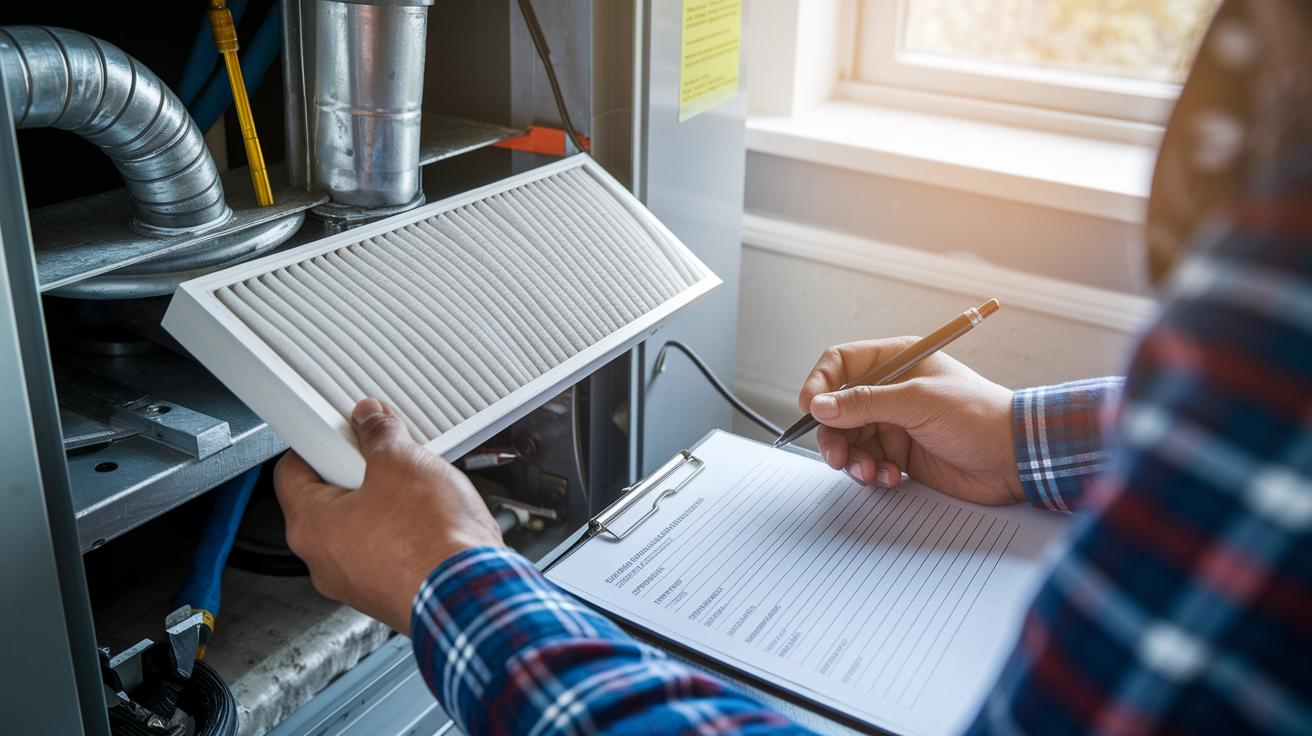
- Replace or clean filters each month during the cooling season.
- Check for air conditioner leaks that can drop airflow by up to 30%.
- Adjust your programmable thermostat to boost energy savings.
- Mount condenser units on shaded north or east walls.
- Add these tasks to your regular home maintenance checklist.
Keeping your filters clean is the simplest way to help your air conditioner run efficiently. A dirty filter can block air, forcing the system to work extra hard. For example, when you swap out a 20 in x 20 in x 1 in (50.8 cm x 50.8 cm x 2.54 cm) filter, you keep the cool air flowing and reduce strain on the compressor.
Air conditioner leaks might seem minor, but they can cut your system’s efficiency by 30%. A quick test with incense smoke around seams and joints can help you spot even small leaks.
Set your programmable thermostat to raise the temperature when you’re away and cool down before you return. This simple tweak saves energy while keeping your home comfortable without extra cost.
Finally, position your condenser unit on a shaded wall, preferably north or east, so it avoids direct sunlight. This helps prevent about a 10% drop in efficiency. Making these checks a regular part of your maintenance routine can extend your system’s life and keep it working at its best.
DIY Home Air Conditioner Maintenance Checkups: Step-by-Step Guide
-
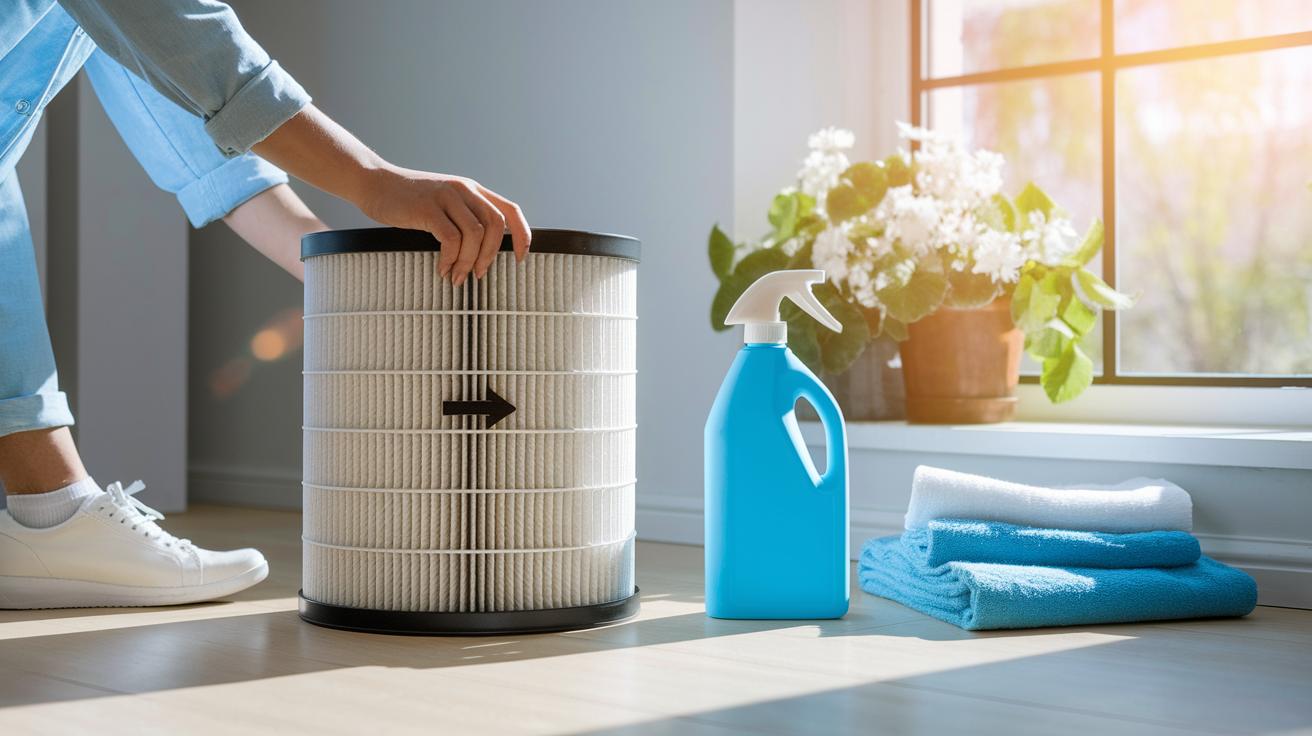
Replace or clean your AC filter every month.
A dirty filter restricts airflow and makes your system work harder. Swap out a 20 in x 20 in x 1 in (50.8 cm x 50.8 cm x 2.54 cm) filter to keep air moving smoothly. Always check that the arrows on the filter match the airflow direction when you put it back. -
Flush the condensate drain line each spring.
Over time, algae and mold can clog the drain line like a sink that needs a good rinse. Clean it using a bleach solution mixed with plenty of water. Warning: Wear gloves and eye protection while handling bleach. -
Rinse the outdoor condenser coil once a year.
A buildup of dirt can drop your AC’s efficiency by more than 30%. Use a garden hose to gently rinse off the coil. Be careful not to bend the metal fins, much like you would avoid scratching your car’s paint when cleaning. -
Check refrigerant levels and inspect for leaks.
Low refrigerant means your AC won’t cool well. Look for signs like oily residue or frost near connections, which could signal a leak. If you notice these issues, contact a technician to take a closer look.
Following these steps helps your AC run efficiently and keeps your home comfortable.
Seasonal Home Air Conditioner Maintenance and Pre-Season Service Advice

Before the cooling season hits, take a few hands-on steps to keep your AC working well and your home cool. In hot attics or crawl spaces, wrap your ducts with spray-foam, batt insulation (fiberglass insulation made in rolls), or rigid-foam insulation. Seal any gaps with foil tape. This helps keep cool air in and cuts down on wasted energy. Think of it like wrapping a gift – every sealed seam makes your system more efficient.
Protect your outdoor condenser from harsh sunlight. Place it under a shade or build a simple screen to block direct light. This can help prevent an efficiency drop of about 10% by reducing the heat stress on the unit.
Plan a full system check in April or May. A pre-season tune-up spots issues early, from refrigerant leaks to clogged coils. Also, set your programmable thermostat correctly so it meets your temperature needs. These easy steps boost your unit’s efficiency and keep your home comfortable during the busy summer months.
Annual Home Air Conditioner Maintenance Tune-Up Procedures

A full yearly check-up by a professional keeps your air conditioner safe and efficient. The technician starts by cleaning the coils and fins, much like you’d wipe down a car’s grille, to remove dust and grime that block air flow.
Next, the technician checks the refrigerant level (the cooling fluid that helps your AC work) to make sure your system can cool properly. Not enough refrigerant can make your unit work harder and drive up energy costs. They also inspect the condensate drain line for blockages from algae or mold, which can cause water damage and lower efficiency.
The technician then lubricates the motors so moving parts run smoothly and wear is minimized. They also test the electrical parts to catch any issues early before they turn into hazards.
Lastly, the technician measures the performance of your AC unit. For a central system, the seasonal energy efficiency ratio (SEER) should be at least 13, and window units should have an energy efficiency ratio (EER) of 8 or more. If your system doesn’t meet these standards, they may advise part replacements or even a full unit replacement to keep it running well. Adding this tune-up to your yearly home maintenance routine boosts comfort and helps prevent costly repairs later.
Troubleshooting Common Home Air Conditioner Maintenance Issues

-
Find leaks with a simple smoke test. Light a stick of incense and move it along the seals and connections. If you see the smoke wavering or being pulled toward a spot, you likely have a leak. Leaks can reduce airflow by nearly 30%, which forces your AC to work harder.
-
Listen for unusual sounds from the compressor or blower. A steady hum or rattling noise might mean a loose part or an internal issue. If you hear a sudden clatter, check the mounting brackets and fasteners to be sure everything is tight.
-
Check the evaporator coil for icing. An iced-over coil can block cool air and keep your system from performing well. Run your hand gently along the coil; if you feel frost, it's time to remove any debris and let the ice melt.
-
Keep indoor doors slightly open to boost airflow. This simple step helps distribute cool air evenly in your home, making sure every room gets a steady flow.
-
Test your thermostat’s calibration if cooling seems off. If your AC isn’t matching the set temperature, recalibrate it or consider a replacement. A well-calibrated thermostat keeps your unit efficient and your home comfortable.
Follow these steps to catch problems early before they turn into expensive repairs.
Energy-Saving Service Tips for Home Air Conditioner Maintenance
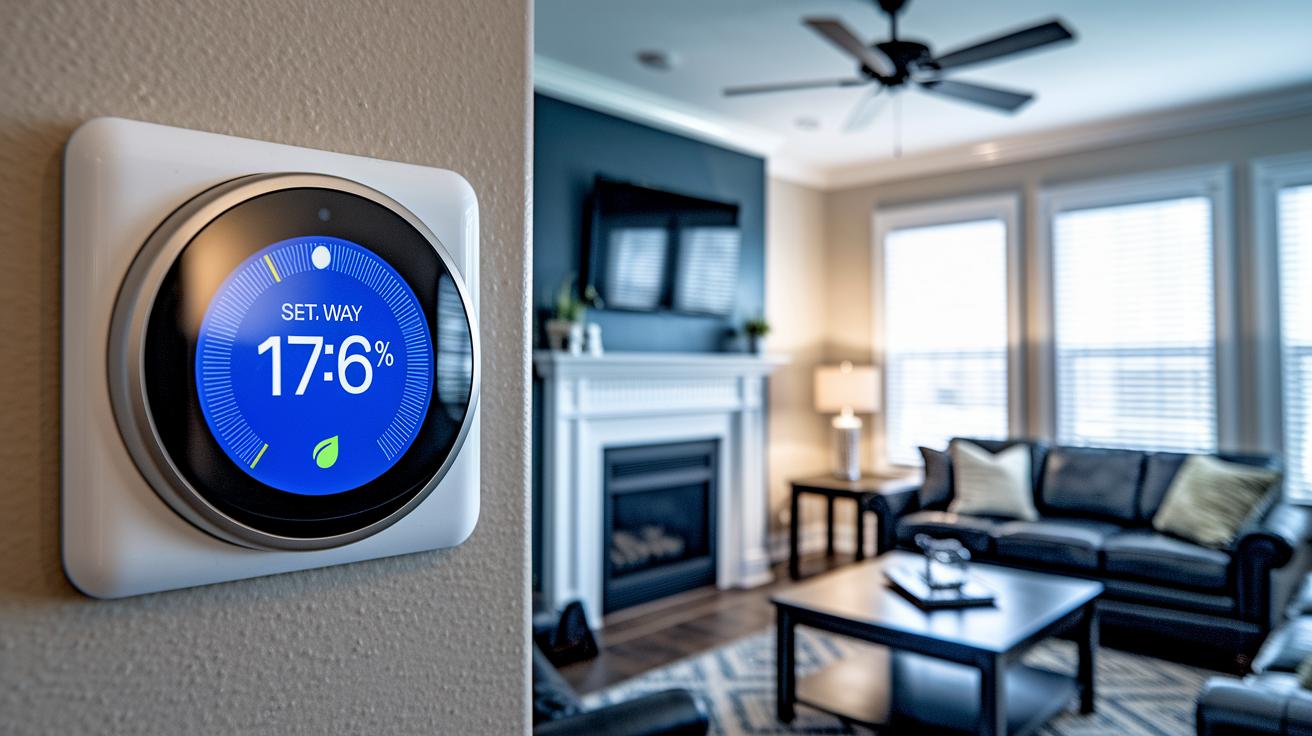
Use a programmable thermostat to cut energy costs and keep your home comfortable. Set it to raise the temperature when you’re out and lower it before you return. For example, increase the temperature by 3°F (1.7°C) while you’re away to lower the cooling load without sacrificing comfort.
Keep blinds or awnings closed on south-facing windows to block direct sunlight. This simple step stops extra heat from entering your home, lightening the load on your air conditioner.
Improve air circulation by using ceiling or floor fans. A running fan helps move cool air around, letting you raise your thermostat by 2–4°F (1.1–2.2°C). It’s an easy way to enhance comfort and trim your energy bill.
Seal and insulate your ductwork to prevent cool air from leaking as it travels through unconditioned spaces. Think of it like wrapping a cold drink in a sleeve, you keep the chill in where it belongs.
Upgrade to a high-SEER unit with a rating over 13 for long-term savings. This smart investment lowers operating costs and keeps your home running cooler while reducing your bills.
Year-Round Home AC Maintenance Scheduling Strategies
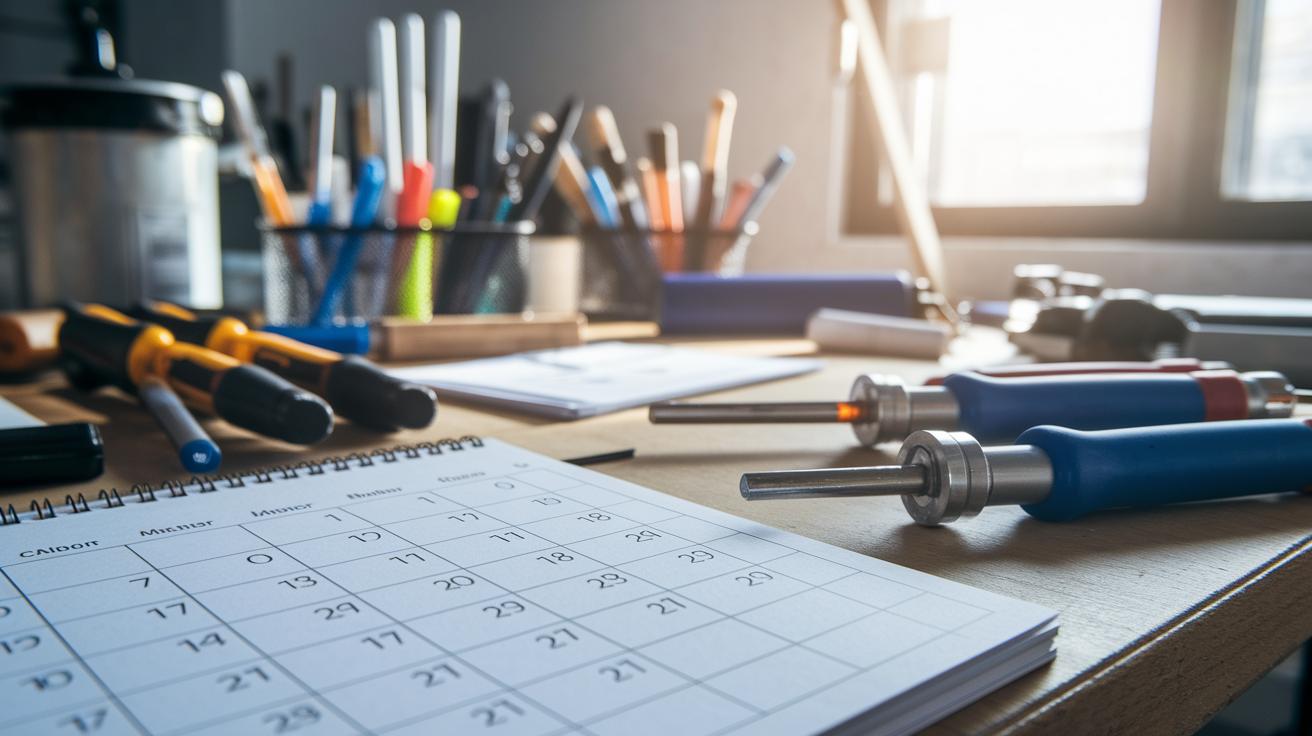
Keep your air conditioner running smoothly by setting up a regular maintenance plan. Use calendar alerts to remind you when to swap filters, flush drain lines, and rinse coils. Changing filters every month boosts airflow and efficiency. In spring, a drain-line flush clears clogs that might lead to water damage. Once a year, rinsing the coils helps maintain proper heat transfer. And before summer arrives, a professional tune-up can catch small issues before they become big problems.
Record each task in a simple log with the date, what was done, and any unusual sounds or leaks. A scheduled maintenance plan or contract takes the guesswork out of keeping your system in shape. Check the table below for a quick reference:
| Task | Frequency | Recommended Month |
|---|---|---|
| Filter change | Monthly | All year |
| Drain-line flush | Yearly | Spring |
| Coil rinse | Yearly | Summer |
| Professional tune-up | Yearly | Pre-summer |
This plan keeps your home cool and your air conditioner working efficiently all year long.
Final Words
In the action, we covered essential steps for effective home air conditioner maintenance, from simple filter changes and seasonal checks to professional tune-ups and troubleshooting common issues. Each step, whether rinsing coils or insulating ducts, is key to keeping your unit running efficiently and lowering energy costs. Use a maintenance schedule to stay on track and enjoy a cooler, safer home throughout the year. Every practical tip boosts performance and saves money, steady progress really makes a difference.
FAQ
What does a home air conditioner maintenance checklist include?
The air conditioner maintenance checklist covers essential tasks like monthly filter cleaning, annual coil rinsing, condensate drain flushing, refrigerant checks, and professional tune-ups to keep your unit efficient.
What is the home air conditioner maintenance cost?
The home AC maintenance cost varies, with professional tune-ups typically ranging from $100 to $300, while DIY upkeep can significantly reduce expenses.
How should central home air conditioner maintenance be performed?
Central AC maintenance involves cleaning filters, coils, and drain lines, checking refrigerant levels, and scheduling professional inspections to ensure efficient and lasting performance.
How do I maintain a Carrier home air conditioner?
Carrier home AC maintenance uses similar tasks as other units—regular filter cleaning, coil and refrigerant checks, and following Carrier’s specific guidelines for optimal operation.
What is an effective air conditioner maintenance schedule?
The maintenance schedule should include monthly filter changes, a spring drain-line flush, an annual coil rinse, and a pre-season professional tune-up to maximize efficiency.
How can I find air conditioner maintenance near me?
To find air conditioner maintenance near you, search online, ask for referrals from neighbors, or check local listings for licensed technicians offering trusted AC service.
What does air conditioner maintenance service include?
Air conditioner maintenance service delivers routine checkups such as cleaning, refrigerant level checks, and parts inspection, along with preventive repairs to keep your system running safely and efficiently.
What maintenance should be done on an AC unit?
AC unit maintenance should include replacing or cleaning filters, cleaning coils, flushing the condensate drain, checking refrigerant levels, and having an annual professional inspection.
What is the 3 minute rule for air conditioners?
The 3-minute rule suggests letting an AC run for three minutes after a maintenance step to stabilize temperatures, ensuring the unit is functioning correctly before further adjustments.
What is the $5000 rule for AC?
The $5000 rule for AC advises considering replacement if repair costs near $5000 or approach a significant percentage of a new unit’s price, making replacement more cost effective.