

Ever wonder if your fall protection could be the lifesaver you need on a dangerous jobsite? A good safety harness is more than just gear; it’s a partner that keeps you safe when every move matters. We take a close look at harnesses that come with shock-absorbing webbing and a five-point system (a setup that attaches at five points) to meet strict OSHA rules. Discover how these features provide solid protection and why smart gear is a must for every job. With the right equipment, you can work with confidence every day.
Essential Features of a Fall Protection Safety Harness
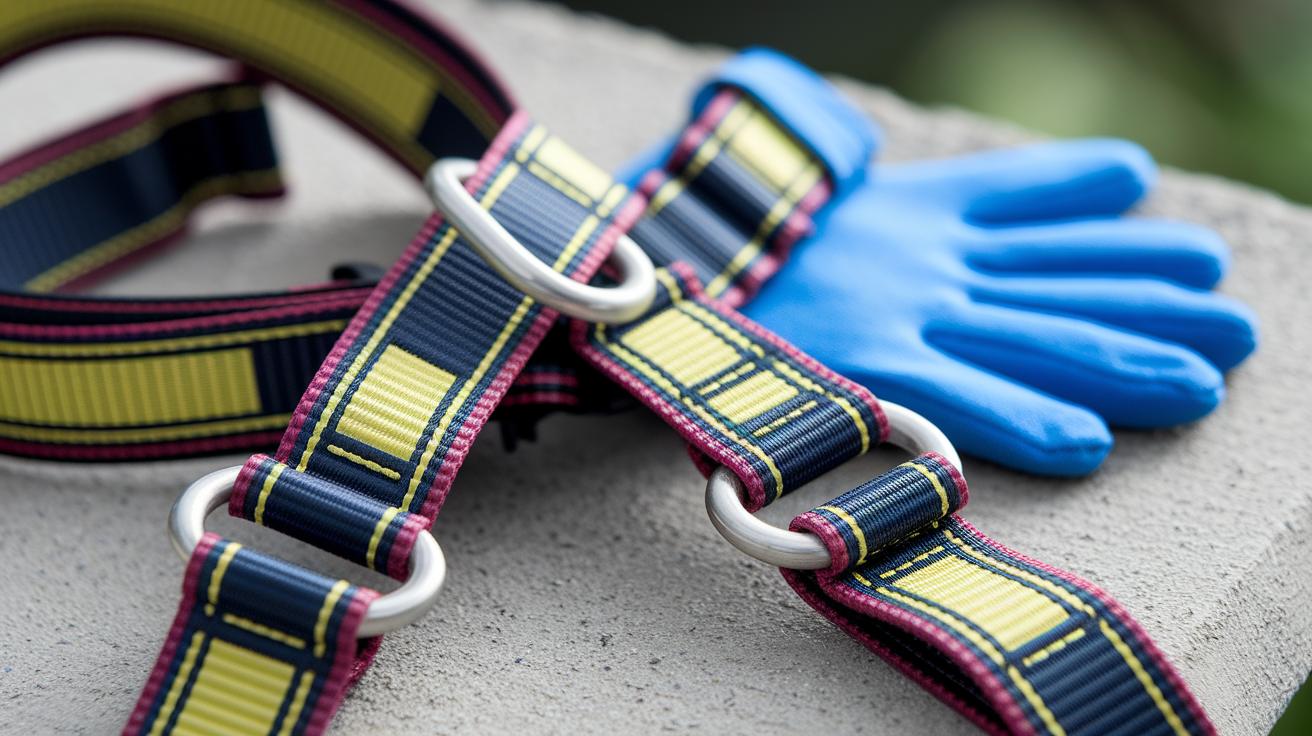
A reliable safety harness must blend toughness, comfort, and solid safety features so you can trust it on site. It starts with strong webbing that absorbs shock and resists wear. Most good harnesses use a five-point system that secures the shoulders, legs, and back with built-in D-rings for both leg and back connections. For example, a label might read, "Engineered with a five-point system that spreads forces evenly," which means it meets OSHA rules for proper anchoring if you take a fall.
Design matters, too. A well-made harness supports your body and eases pressure on sensitive spots while letting you move freely. They are rated to hold up to 5,000 lb (2,268 kg), offering solid protection against falls. Many harnesses also include shock-absorbing lanyard attachment points to lessen the impact if you fall.
Materials are key. You might choose nylon, which excels at resisting wear, or polyester, which takes in less water and works well outdoors. Always check that the harness meets OSHA standards, ensuring that it has been built to strict industry rules for safety and lasting use. Choosing a harness with these features helps you face fall risks with confidence, keeping work on site safe and efficient.
Comparing Top Fall Protection Safety Harness Models
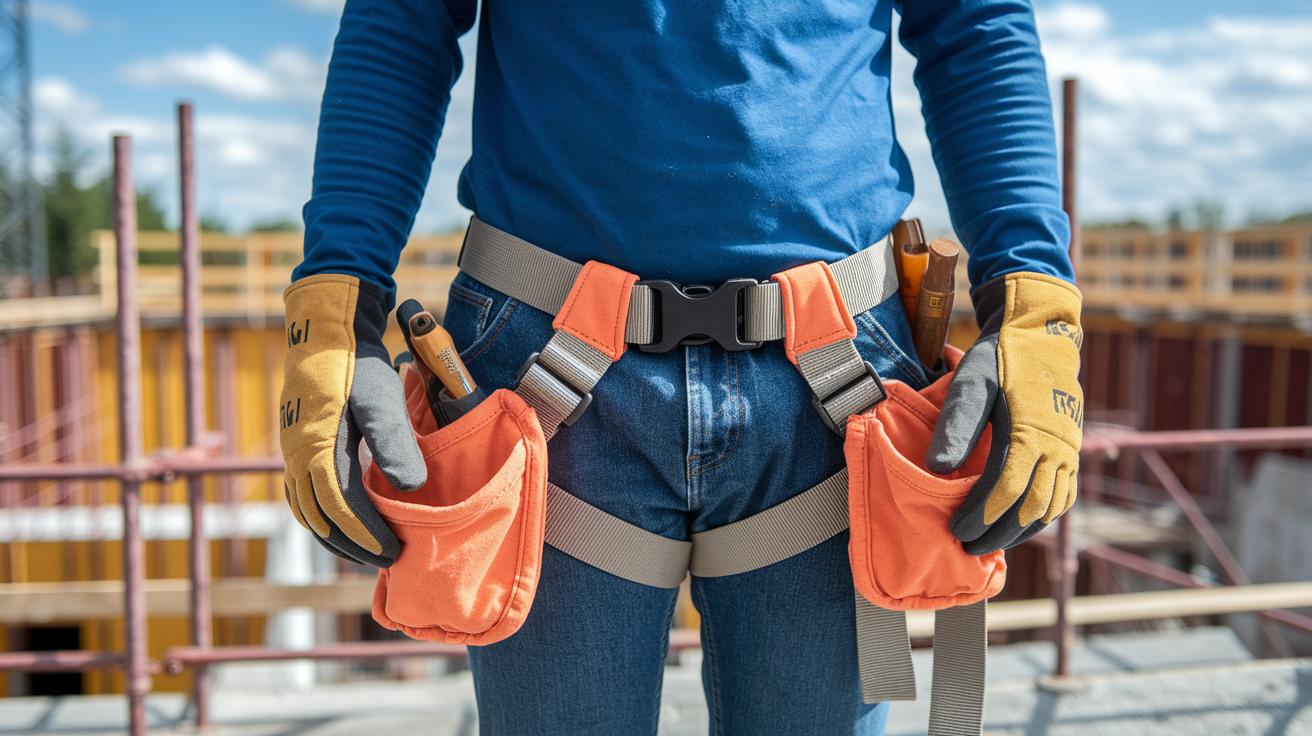
When choosing a fall protection safety harness, check its weight, if it matches with your lanyard, padding, durability, and overall comfort. Each harness should be light yet strong, with secure points to attach safety gear and design that supports your body. Look for models featuring quick-adjust buckles for fast donning and built-in tool belts to keep your essentials handy. These features are key for busy construction zones where both safety and speed count. For extra guidance, refer to your construction safety equipment handbook.
Below is a side-by-side comparison of five popular harness models:
| Model | Lanyard Length | Weight Capacity | Material | Price | Certification |
|---|---|---|---|---|---|
| SafeGuard 3000 | 6 ft (1.8 m) | 5,000 lb (2,268 kg) | Nylon | $250 | OSHA/ANSI |
| Titan Defender | 6.5 ft (2.0 m) | 5,500 lb (2,495 kg) | Polyester blend | $290 | OSHA/ANSI |
| ProGuard Elite | 6 ft (1.8 m) | 5,000 lb (2,268 kg) | Nylon/Polyester | $310 | OSHA/ANSI |
| AnchorMax Pro | 6.5 ft (2.0 m) | 5,500 lb (2,495 kg) | High-durability nylon | $330 | OSHA/ANSI |
| SecureLine X | 6 ft (1.8 m) | 5,000 lb (2,268 kg) | Reinforced polyester | $280 | OSHA/ANSI |
The table shows clear differences between the models. SafeGuard 3000 offers excellent padding and strong durability, though it might feel a bit heavier on long projects. Titan Defender and AnchorMax Pro stand out with fast-adjust features that save time on active job sites, even though they come at a higher cost. ProGuard Elite adds a built-in tool belt for extra storage, and SecureLine X focuses on reinforced support for extra comfort. All these models have solid safety ratings and versatile lanyard options, though each may offer tradeoffs between weight and additional features.
Certifications and Standards for Fall Protection Safety Harness Systems
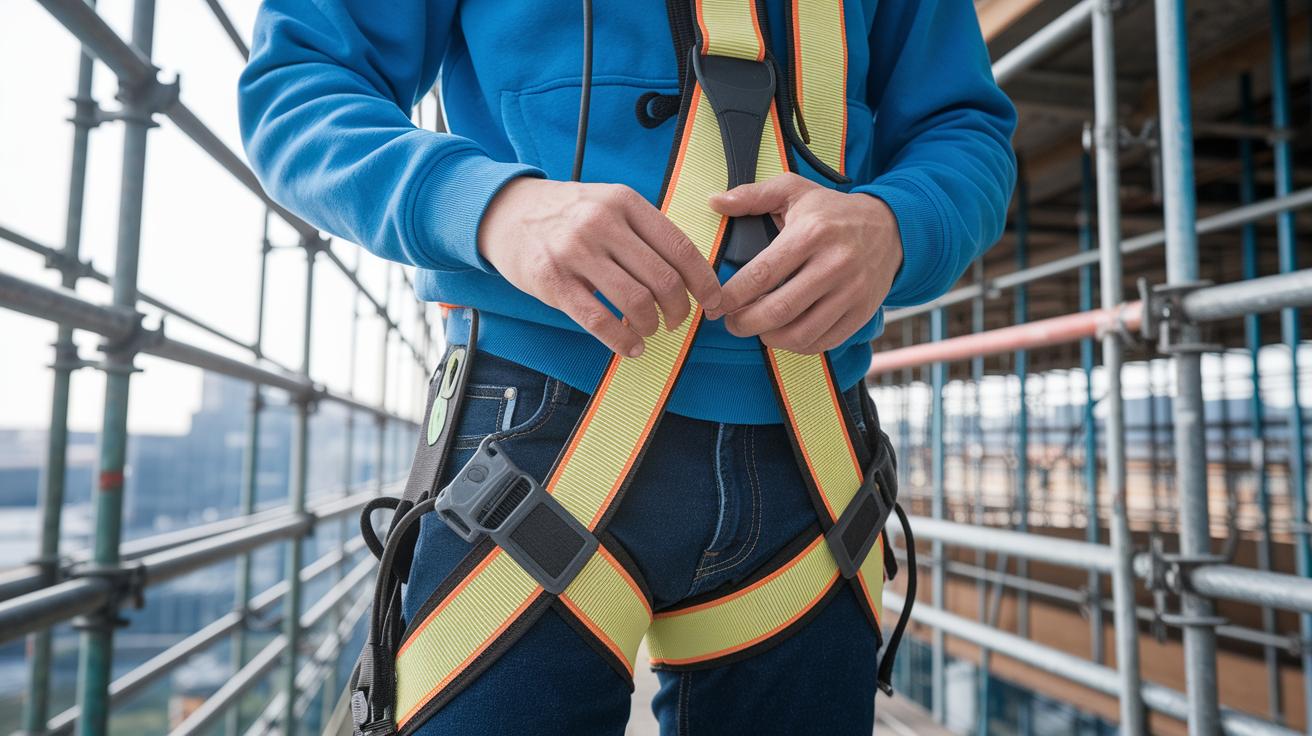
OSHA 29 CFR 1926.502 Requirements
OSHA 29 CFR 1926.502 sets clear rules for fall protection harness systems. Anchors must support a minimum load so that they hold firm even during high-impact falls. The lanyard is limited to 6 ft (1.8 m) to keep the fall distance short if a fall occurs. Inspect your harnesses regularly, every 6 months is a common schedule, to catch any wear before it becomes unsafe. For example, a worksite sign may read: "Inspect harnesses every 6 months to meet OSHA 29 CFR 1926.502."
ANSI/ASSE Z359 Series Overview
The ANSI/ASSE Z359 Series sets tough standards for harness performance. Each harness must meet tensile strength tests (tests that measure pulling force) to ensure effective fall arrest. It also includes energy absorber features, which help lessen the impact force during a fall. Regular tests, sometimes noted as "Tested quarterly to ensure energy absorber efficiency," confirm that the harness performs reliably under stress.
CE EN 361 Certification
CE EN 361 is a European safety standard that confirms a harness has passed rigorous tests. Testing labs check each harness to ensure it meets all required safety criteria. When you see a label that says "CE EN 361 certified," you know the equipment has met strict European safety benchmarks.
fall protection safety harness Empowers Secure Worksites
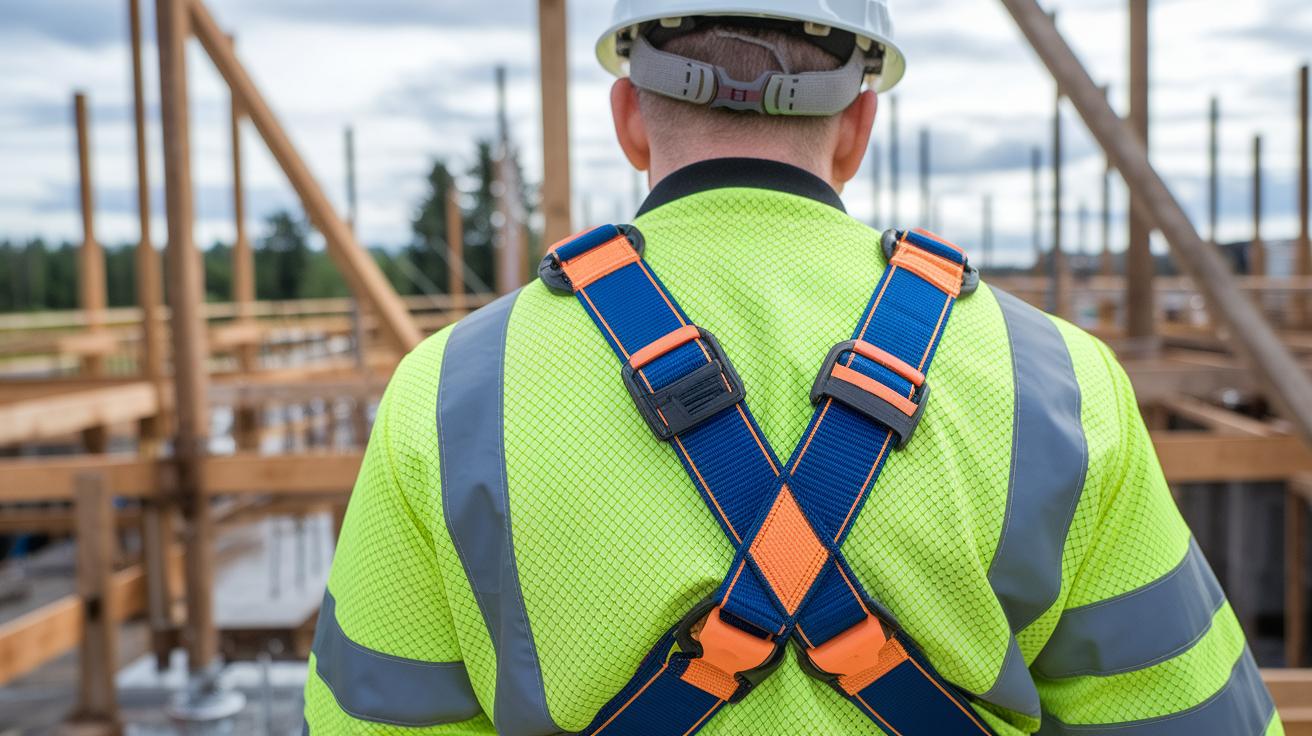
Getting your fall protection harness to fit right is key to keeping you safe and comfortable when working at heights. A well-fitted harness lowers your risk of falling and lets you move freely. Follow these steps carefully:
- Check the webbing (the straps) and buckles for any tears or damage.
- Position the back D-ring (a metal loop for connections) at shoulder level to spread out the weight evenly.
- Tighten the leg straps so they are snug without causing chafing.
- Buckle the chest strap and adjust it so the harness stays in place without cutting your breath.
- Attach the lanyard (the connecting line) following the manufacturer’s instructions to ensure a secure link.
- Do a two-finger gap test to confirm the harness fits well without pinching or extra slack.
After putting on your harness, move around to check that nothing loosens or causes discomfort. Adjust the straps as needed for a secure, custom fit. Finally, review your worksite’s safety guidelines to make sure every connection is locked in for a safe and productive day.
Anchorage and Rigging Solutions for Fall Protection Safety Harnesses

Choosing the right anchor is key to a safe fall arrest system. Match your anchor to your worksite: use beam clamps for steel structures, concrete sockets for masonry, and roof anchors for overhead areas. Each option offers its own benefits and must pass load tests to hold up under a fall.
Static Anchorage Devices
Static anchorage devices include fixed eye bolts, engineered pad eyes (reinforced metal fittings), and beam clamps. These are rated for at least 5,000 lb (2,268 kg) to handle the forces from a fall. For example, a product label might say "Rated for 5,000 lb" to confirm its strength. Making sure these are installed correctly creates a safe, steady connection point for your fall protection gear.
Dynamic Testing and Verification
Dynamic testing shows that your anchor system will work when it matters most. Use a pull-test to simulate the force of a fall. Inline load cells can check the tension to be sure the device holds up under stress. Certification stickers on the equipment prove it meets industry standards. Also, keep your lifeline adjusted and use guard plates at impact points to protect the anchors during movement. This process helps keep your anchorage system secure on any job site.
Inspection and Maintenance Best Practices for Fall Protection Safety Harness Equipment
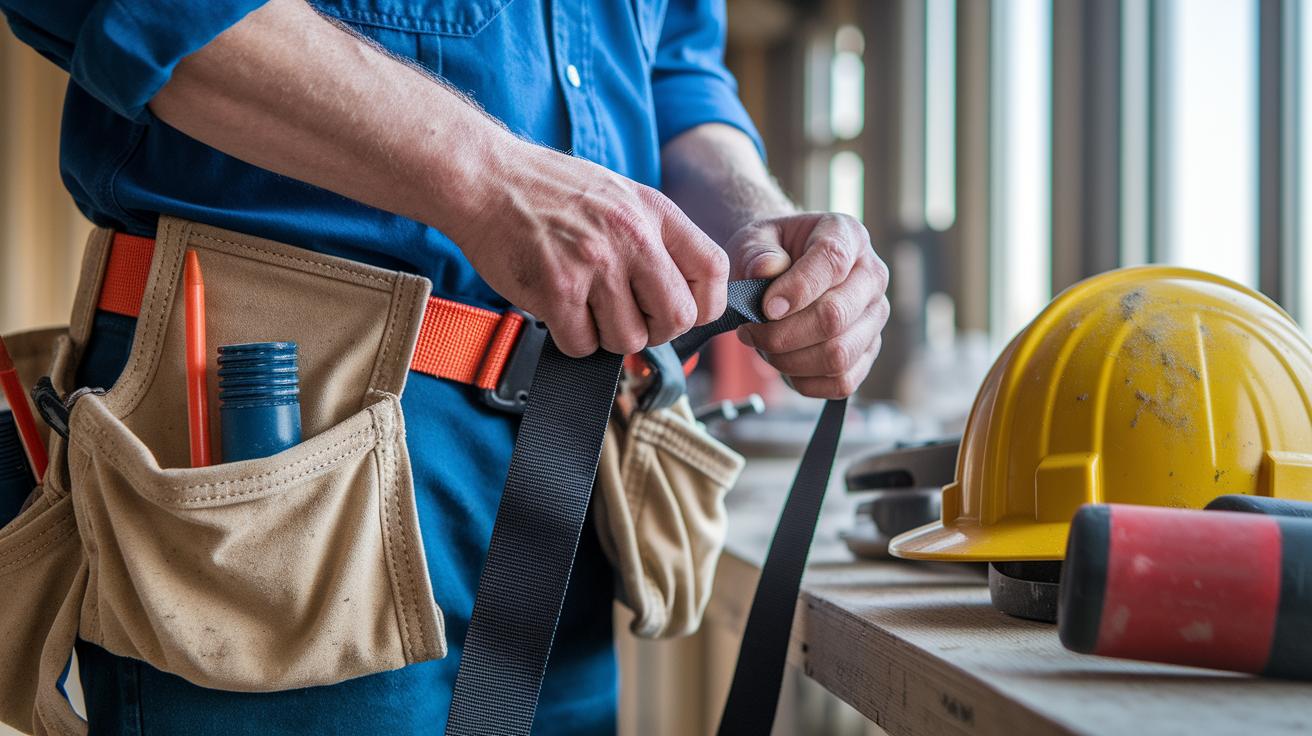
Keep your fall protection harness in top shape by checking it regularly. This helps you spot wear early before it becomes a problem on the job.
- Daily visual checks: Quickly inspect your harness for torn webbing, frayed edges, or rusted/damaged buckles and D-rings. These short looks help catch issues before they turn dangerous.
- Monthly detailed inspection: Check the stitching all around the harness and inspect the shock absorber (the part that lessens impact energy) to ensure it still works properly. This step picks up minor damage that could affect performance.
- Annual certified inspection: Have a certified technician review every component of your harness and record the findings. Keep these records to show you meet safety standards and to track any repairs.
Clean your harness using only the methods the manufacturer recommends. Store it in a cool, dry place. Follow approved repair tips to get the longest life and the best safety from your gear.
Final Words
In the action, we dug into what makes a top-notch fall protection safety harness. We explored high-strength webbing, secure anchorage, and correct donning practices alongside model comparisons and key certifications. With clear steps for inspections and maintenance, the guide shows how to keep your gear in prime shape for effective hazard prevention. Use these hands-on tips to confidently select and wear your fall protection safety harness every time you head out to work. Stay safe and keep building your skills.
FAQ
What does full body harness fall protection ensure?
The full body harness fall protection ensures secure coverage and load distribution across a worker’s body in a fall. It minimizes injury by evenly spreading impact forces during unexpected falls.
How do fall protection harness and lanyard systems, including retractable options, operate?
The fall protection harness pairs with lanyards—fixed or retractable—to secure workers to an anchor point. This setup minimizes fall distance while absorbing shock and allowing necessary movement on the job site.
What features define the best fall protection safety harness?
The best fall protection safety harness features high-strength webbing, a five-point connection system, ergonomic design, and integrated D-rings, ensuring reliable load distribution and compliance with OSHA safety standards for maximum protection.
What fall protection harness requirements must be met for safety?
Fall protection harness requirements include secure anchorage, shock-absorbing lanyard attachments, and regular inspections. These standards, set by OSHA and other regulatory bodies, are essential to maintain worksite safety at heights.
What typically is included in a fall protection harness kit?
A fall protection harness kit typically includes a full body harness, one or more lanyards (often with retractable options), shock absorbers, and sometimes accessory components, providing a comprehensive safety system for fall arrest.
How does OSHA regulate fall protection harness usage?
OSHA regulates fall protection harness usage by setting standards for anchorage ratings, lanyard length, inspection intervals, and overall design. These regulations ensure that harness systems provide reliable protection in high-risk environments.
What makes for the best safety harness in construction work?
The best safety harness for construction work offers rugged materials, ergonomic support for long wear, and OSHA certification. Its robust design, coupled with practical features like quick-adjust buckles, meets the demands of active construction sites.