

Modern lofts often choose concrete floors for a reason. A smart finish protects your floor from heavy traffic and moisture while giving your space a bold, modern look.
Polished concrete offers a shiny, high-gloss surface that adds a sleek touch. Stained concrete, on the other hand, brings out rich colors and can hide scratches. Both options provide solid protection and stylish appeal.
This guide breaks down your concrete finish choices, showing you how to upgrade your space with a design that’s both attractive and built to last.
Concrete interior floor finishes: Bold, Chic Upgrade

Start by choosing a concrete finish that looks great and protects your floor. The finish you pick not only boosts your room’s style but also guards against heavy foot traffic, moisture, and everyday wear. With practical options, your floor becomes a bold design statement that works hard every day. Think of a modern loft with a shiny, industrial look that stands up to busy evenings.
Polished concrete gives a sleek, high-gloss look through a process of grinding and applying a densifier (a liquid that hardens the surface). Epoxy coatings mix resin and hardener to form a thick, tough layer that holds up to heavy use. Stained concrete adds rich colors using acid or water-based treatments to give your floor a natural depth. Concrete sealers form a barrier against moisture, stains, and UV rays. Decorative overlays offer thin layers that copy the look of wood, stone, or tile. For example, a homeowner might choose a stained finish to enjoy the warmth of natural stone at a lower maintenance cost.
Regular care can keep these concrete finishes looking new for over a century. Mop daily with soapy water and reseal or wax every 6 to 9 months to protect the surface from stains and wear. These finishes have good moisture resistance and anti-slip qualities, making them a smart choice for any interior space.
Comparing Main Types of Concrete Interior Floor Finishes

When choosing a finish for your concrete floor, it's important to know how each one is applied, how durable it is, and what cost to expect. Every finish offers a mix of style and lasting protection. Whether you lean toward the modern look of polished concrete or the creative versatility of decorative overlays, understanding these features helps you pick the best option for your needs. For example, polished concrete gets its shine from several rounds of diamond grinding paired with a hardening densifier. This process gives it a smooth, glossy finish that holds up well in busy areas.
| Finish type | Application method | Durability rating | Cost per sq ft | Key benefits |
|---|---|---|---|---|
| Polished | Multiple-stage diamond grinding with densifier and optional sealer | Ultra-durable, high gloss | $3–$12 | Sleek look and wear resistance |
| Epoxy | Mix of resin and hardener applied with a trowel plus additives | Thick and resilient for heavy traffic | $4–$7 | Chemical resistance and versatile design |
| Stain | Acid or water-based stain application followed by neutralization | Durable with proper care | $2–$6 | Rich, translucent hues and custom colors |
| Sealer | Applied by roller or sprayer with a topical or penetrating formula | High protection against moisture and abrasion | $0.50–$2 | Moisture resistance and stain blocking |
| Overlay | Thin cementitious or polymer coat with color, texture, and stamping | Durable when maintained | $3–$30+ | Custom designs and varied textures |
The table above lays out the main finish types side by side. It shows how each one is applied, how tough they are, and what price range to expect. You can also add extra features like pigments or anti-slip additives to boost safety and appearance. Knowing these details helps you pick a finish that fits your interior space perfectly, whether you prefer a shiny modern look or a creative, textured design.
Cost Estimates for Concrete Interior Floor Finishes

| Finish type | Cost range per sq ft | Details |
|---|---|---|
| Polished concrete | $3–$12 | This finish uses several rounds of grinding with a densifier to create a shiny, hard surface. Prices change depending on local labor and the size of the job. |
| Epoxy coatings | $4–$7 | Mixing resin and hardener forms a thick, tough layer that stands up to heavy use. Custom mixes can adjust the cost. |
| Stained concrete | $2–$6 | Using acid- or water-based stains gives the floor unique, see-through colors. The final price can shift with different staining methods. |
| Concrete sealing | $0.50–$2 | A sealer protects the concrete from moisture and wear. The type of sealer and how you apply it will affect the cost. |
| Decorative overlays | $3–$30+ | Thin coatings can mimic materials like wood or stone and offer custom patterns. More intricate designs and special finishes increase the price. |
Keep in mind that local labor rates, the quality of the materials, the project’s size, and any custom choices can change what you pay. Plan ahead and review these factors to stay on budget.
Installation Methods for Concrete Interior Floor Finishes
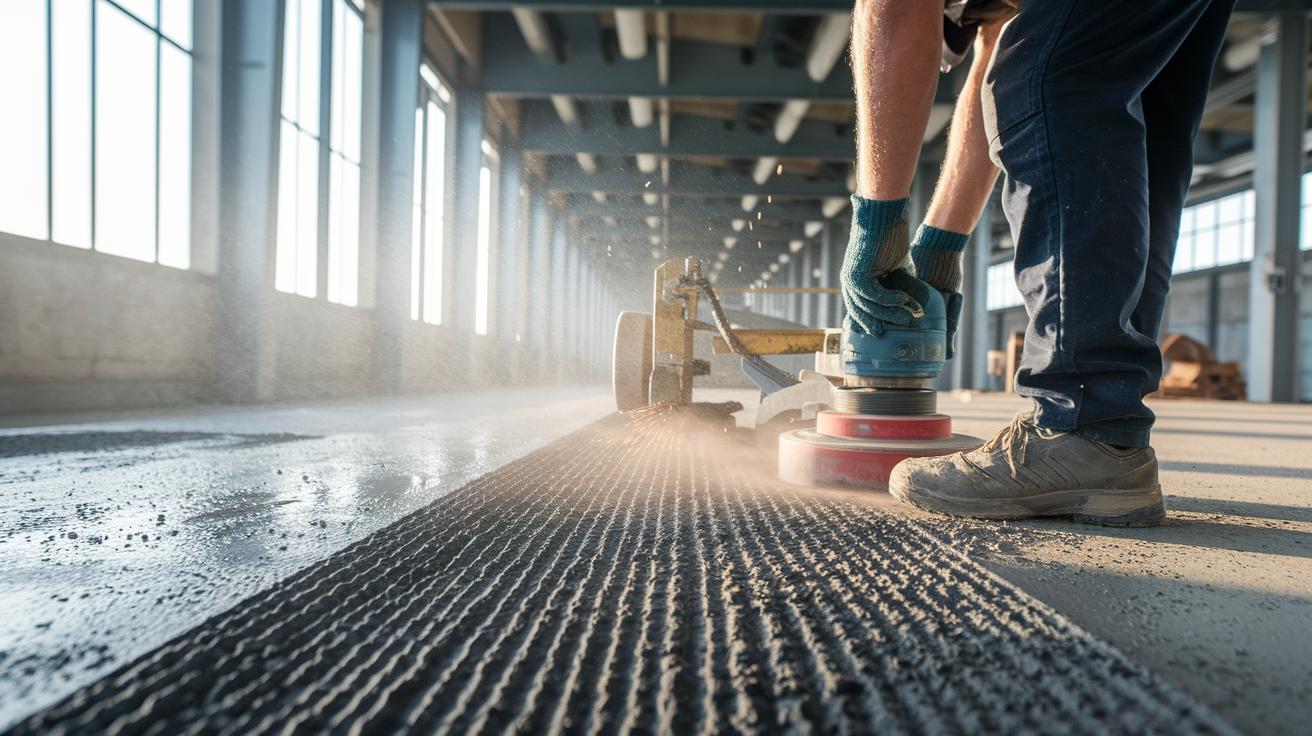
Polished Concrete
Start by grinding the concrete in several stages. Use a coarse grit first and then switch to finer grits for a smoother finish. Next, apply a densifier (a chemical that hardens the surface) to boost the concrete’s strength. Finally, add a top sealer if you want extra shine and protection.
Epoxy Coatings
Clean the concrete thoroughly to remove dust and dirt. Apply a primer coat to help the epoxy stick properly. Mix the resin and hardener (the liquid components that react to form a hard surface) carefully, and spread the mix evenly with a trowel. You can sprinkle in flakes for extra texture, then top with a final coat for durability.
Stained Concrete
Make sure the concrete is completely clean before you start. Choose an acid- or water-based stain (liquids that add color) and apply it evenly to get a consistent look. Let the stain sit so that the color deepens, then neutralize the acid reaction and rinse well. This technique brings out rich, natural colors in the floor.
Concrete Sealers
Pick a sealer that fits your needs. You can choose between a penetrating sealer (which soaks into the concrete) or a topical sealer (which stays on the surface). Use a roller or sprayer to apply it evenly. Buff the surface after application to remove any extra product and achieve the desired shine. This step makes your floor more resistant to moisture and stains.
Decorative Overlays
Mix the base material for the overlay well before starting. Spread a thin, even coat over the clean concrete. While the mix is still wet, press in any decorative media or use stamps to create a pattern. Add extra texture if you like, then let the overlay cure completely to lock in the design.
Maintenance and Longevity of Concrete Interior Floor Finishes

Mop the floor once a week using a soapy water mix with a neutral pH to lift dust and grime. Always choose cleaners approved by the manufacturer and steer clear of acidic or rough cleaners (for example, lemon-based cleaners) that can harm the finish. In busy areas, reapply anti-slip additives from time to time to keep the surface secure.
Each year, check the floor for cracks or signs of wear. Fix any small cracks promptly by patching with cement or a polymer compound (a repair blend that stops damage from spreading). Reseal or wax polished floors every 6 to 9 months to boost moisture resistance and strength, helping the finish last more than 100 years.
Design Trends and Aesthetic Inspirations for Concrete Interior Floor Finishes

Modern concrete interiors mix style with lasting strength. Today’s finishes blend artistic touches with industrial toughness. Designers use current color trends and varied textures to create floors that work hard and look great. Picture a floor that combines modern appeal with performance that lasts.
Wood-plank stamped overlays are a favorite for a warm, worn look. They mimic the feel of bleached oak, ash, or a mix of gray tones (often called greige) without the upkeep natural wood needs. This finish gives a room the charm of reclaimed timber with much-needed durability.
Faux-stone textures offer the rugged feel of real stone at nearly half the cost. They copy the look of slate, brick, or flagstone while keeping the surface smooth enough for everyday use. Think of a floor that has the beauty of a weathered stone path.
Tile-inspired decorative overlays let you choose finishes that are matte, high-gloss, or subtly textured. They allow you to create custom designs that step outside the ordinary tile look. Imagine crafting a unique mosaic that turns a plain floor into an eye-catching statement.
Stenciled designs and graphic overlays add a creative twist. They embed raised, embossed, or etched patterns directly into the concrete, making the floor a piece of personalized art. You can even include a custom logo or motif.
Eco-friendly resin systems are also trending. These minimalist finishes show off clean lines with neutral hues like browns, grays, and greige. They deliver an industrial chic look while being kind to the environment. Imagine a calm, uncluttered space that is both stylish and sustainable.
DIY vs Professional Approaches for Concrete Interior Floor Finishes
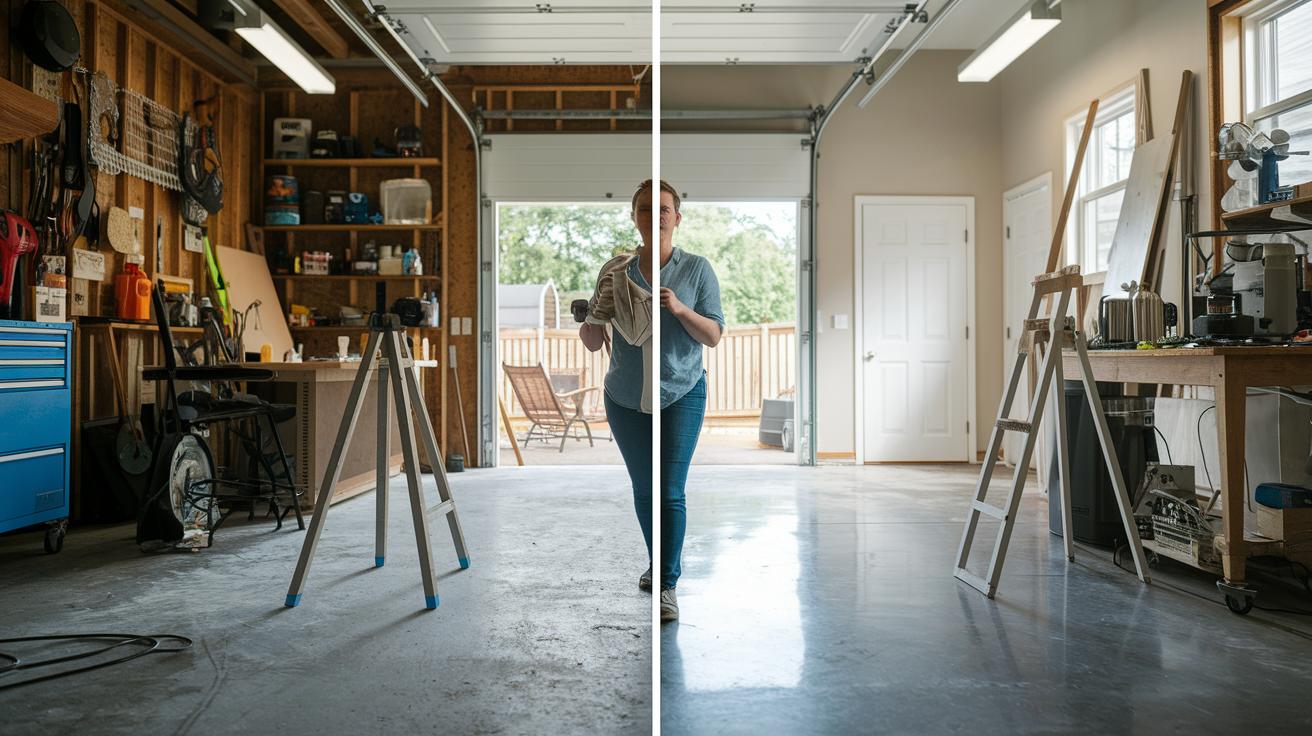
Before you start, choose whether you’ll tackle the work yourself or hire a professional. Your decision depends on your skill level, how big the project is, and your budget.
If you go DIY, you get full creative control and can save on labor costs. DIY kits come with tools like a grinder, roller, and mixing drill, plus the needed safety gear. If you enjoy hands-on work, you can try resin coating and budget overlay methods at your own pace. Just remember: DIY work demands careful mixing and precise application to avoid common mistakes.
On the other hand, professional installers offer high precision and durable finishes. They use industrial-grade equipment such as grinders, sprayers, and high-capacity mixers to cover large areas evenly. This means you get a moisture- and slip-resistant finish that is tough to match with DIY methods. Pros also provide design advice, color matching, and technical support, often backed by warranties that protect your investment and lower the risk on more complex projects.
Final Words
In the action, you explored key options in concrete interior floor finishes, covering everything from polished surfaces to decorative overlays. The article compared finish types, cost estimates, installation methods, and long-term care tips. It also touched on design trends and when to choose a DIY versus professional approach. Each section aimed to provide practical, step-by-step advice to help you achieve a stylish, durable floor. With careful planning and proper maintenance, your concrete interior floor finishes will protect your investment and enhance your space for years to come.
FAQ
What are outdoor concrete interior floor finishes?
Outdoor concrete interior floor finishes refer to durable treatments for surfaces that face exterior elements, using weather-resistant sealers and coatings for protection against moisture, UV rays, and temperature changes.
What do concrete interior floor finishes pictures depict?
Concrete interior floor finishes pictures depict various styles such as polished, stained, and decorative overlays that highlight texture, color, and the practical application of protective coatings.
What are modern concrete interior floor finishes?
Modern concrete interior floor finishes feature sleek, minimalist designs with enhanced durability, often achieved through high-gloss polishing, subtle staining, and creative decorative overlays that update traditional concrete.
How can I do it myself with concrete floor finishes?
DIY concrete floor finishes involve accessible methods like applying epoxy coatings, stains, or sealers with basic tools, allowing homeowners creative control and cost savings while achieving a customized look.
What are the best concrete interior floor finishes?
The best concrete interior floor finishes balance appeal and durability by combining options like polished surfaces, epoxy layers, or decorative overlays that protect the floor against stains, moisture, and wear.
What are common concrete floor finishes for residential use?
Residential concrete floor finishes typically include polished surfaces, epoxy coatings, colored stains, sealers, and decorative overlays that offer practical protection along with attractive design elements.
What is the best coating for indoor concrete floors?
The best coating for indoor concrete floors is often an epoxy resin finish, which creates a durable, high-gloss surface that withstands heavy traffic and resists stains and wear.
How can I make my indoor concrete floor look good?
Enhancing an indoor concrete floor involves treatments such as staining, polishing, or adding decorative overlays combined with a protective sealer to boost visual appeal and extend the floor’s life.
What are the different concrete floor finishes available?
The different concrete floor finishes include polished surfaces, epoxy coatings, stained treatments, sealers, and decorative overlays, each offering unique benefits in terms of aesthetics, durability, and maintenance.
What is the cheapest way to finish a concrete floor?
The cheapest way to finish a concrete floor is to apply a basic sealer on a clean slab, which provides essential moisture and stain protection without adding significant cost while maintaining the natural look.