

Have you ever thought that one simple mistake on a job site could have serious consequences? A clear set of safety rules turns a crowded, hectic work area into a safe and trusted space. Picture a team where every worker follows easy, time-tested steps to avoid accidents, like falling from an 8-ft (2.4 m) ladder. In this post, you will learn how regular training, smart equipment upkeep, and strict safety habits go a long way in protecting everyone on site. A well-planned job site isn’t just organized, it’s safe for all.
Implementing Construction Site Safety Guidelines for Complete Compliance and Worker Protection
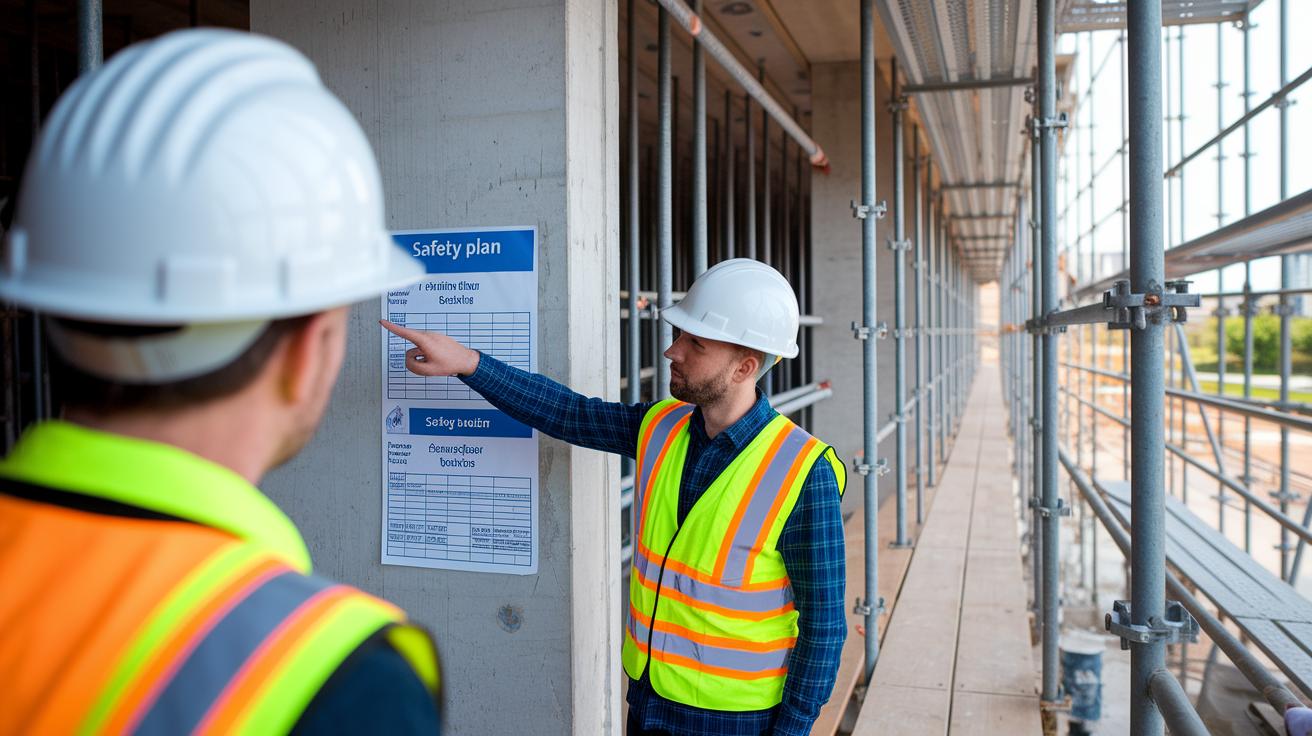
Setting clear safety rules on a construction site is key to keeping everyone safe and avoiding expensive accidents. Every worker should know the risks and follow simple steps to stop hazards. Construction work is risky, and a solid safety plan not only cuts down on injuries but also boosts confidence among the crew and supervisors. For example, a fall from an 8-ft (2.4 m) ladder can have life-changing consequences, making clear protocols a must.
OSHA has shown how safety practices lower risks over the past 50 years. In 2020, more than 4,700 U.S. workers died on the job, with almost half of these tragedies happening in construction. Daily workplace deaths dropped from 38 to 13, and injuries fell from 10.9 to 2.7 per 100 workers. These numbers prove that regular safety training and strict procedures work. They remind us to stay alert and always look for ways to improve safety.
A strong safety plan for a construction site has three parts: ongoing training, clear written steps, and careful tool and equipment care. Regular training means every worker learns about potential hazards and how to act safely, for instance, using fall protection gear when needed. Written guidelines cover everything from storing tools to handling emergencies, cutting down on confusion and mistakes. And by keeping tools and equipment in top shape through regular checks and timely repairs, you lower the chance of dangerous mechanical failures.
Personal Protective Equipment Standards for Construction Site Safety

PPE is your first safeguard on a job site. Following OSHA rules is a must to keep everyone safe. Every worker has to wear the proper gear to fend off hazards. A cracked hard hat or a worn glove signals that safety may be slipping. Using PPE right builds confidence and cuts down on risks.
Here are key items to use and inspect:
- Hard hats: Protect your head. Check for cracks before each use.
- Steel-toed boots: Guard your feet. Look over the soles and structure often.
- Protective eyewear: Shield your eyes from flying debris. Make sure they are free of scratches.
- Gloves: Protect your hands. Watch for wear and tear.
- High-visibility vests: Help everyone see each other. Confirm they meet current safety standards.
- Hearing protection: Essential in noisy areas. Test them regularly for good function.
Strict enforcement of these rules is critical. Supervisors should monitor usage, keep detailed inspection logs, and run regular safety meetings to make sure every crew member knows how to use and maintain their PPE properly.
Proactive Hazard Identification for Jobsite Hazard Prevention

Spotting hazards early is key to avoiding injuries and keeping your worksite safe. Even a fall from an 8 ft (2.4 m) ladder can lead to serious problems if risks are ignored. Report any potential danger right away so you can fix it before it turns into a bigger issue.
Use detailed checklists to record hazards, make sure every crew member wears their PPE (personal protective equipment) right, and check that tools and equipment are in good shape. This hands-on approach not only boosts team morale but also helps manage risks before they become major safety concerns.
| Hazard Type | Severity Level | Control Measure |
|---|---|---|
| Falls | High | Use fall protection and install guardrails |
| Electrical | High | Ensure proper wiring and install GFCIs (Ground Fault Circuit Interrupters) |
| Struck-by | Medium | Set up safe zones and use clear signage |
| Caught-in | High | Secure machinery and train workers on safe distancing |
| Chemical | Medium | Store materials correctly and use the right PPE |
Keeping a daily hazard log is crucial to building a responsive safety culture. Regular toolbox talks and reviews help everyone stay informed and allow quick updates when new risks show up. Working with insurers on risk transfer further strengthens jobsite safety by matching your practices with financial safeguards. Report hazards immediately and maintain clear records so every worker plays their part in a safe work environment.
Industrial Safety Procedures and Equipment Maintenance Inspections for Safe Construction Sites

Write clear, step-by-step procedures for using, storing, and cleaning tools. OSHA demands these guidelines so everyone knows what to do every day and during emergencies.
Do routine checks by looking closely and testing equipment. For example, pull firmly on a rigging gear (a heavy-duty lifting component) to see if it moves unexpectedly. A little movement means it might need tightening or a replacement.
Inspect items like scaffolds, electrical cords, and rigging gear every day. Use both sight and feel to check for loose parts. If needed, use simple measurements and tests that don’t damage the equipment.
Record every inspection right away. Note any repair needs immediately. For instance, if you find a small crack in a scaffold 2×4 (actual 1.5 in x 3.5 in / 38 mm x 89 mm), plan the repair before you use it again. Regularly review these records to keep improving safety and stay in line with the rules.
Worksite Compliance Protocols and Industry Regulation Benchmarks for Construction Safety

Compliance is more than simply checking boxes. Use technology to keep an eye on OSHA rules in real time with digital apps that log safety checks automatically. For example, after a site tour, a worker uses a mobile app to mark off each safety step right away. This keeps records clear and avoids overlaps with old processes.
Boost your safety checks with data-driven toolbox meetings. Gather digital safety audits to guide your reviews. Add sensor systems to warn you when equipment runs outside safe limits. For instance, sensors on heavy machinery send an alert if they pick up abnormal vibrations, so maintenance can check it out immediately. This update moves traditional training forward with a smart, proactive approach.
Stay on top of new rules by monitoring changing regulations. Set up systems that automatically send brief updates on new OSHA standards and best practices. For example, a push notification can alert the team about changes to fall protection gear guidelines. This keeps your worksite safe and your protocols up-to-date.
Emergency Response Planning and Incident Readiness on Construction Sites
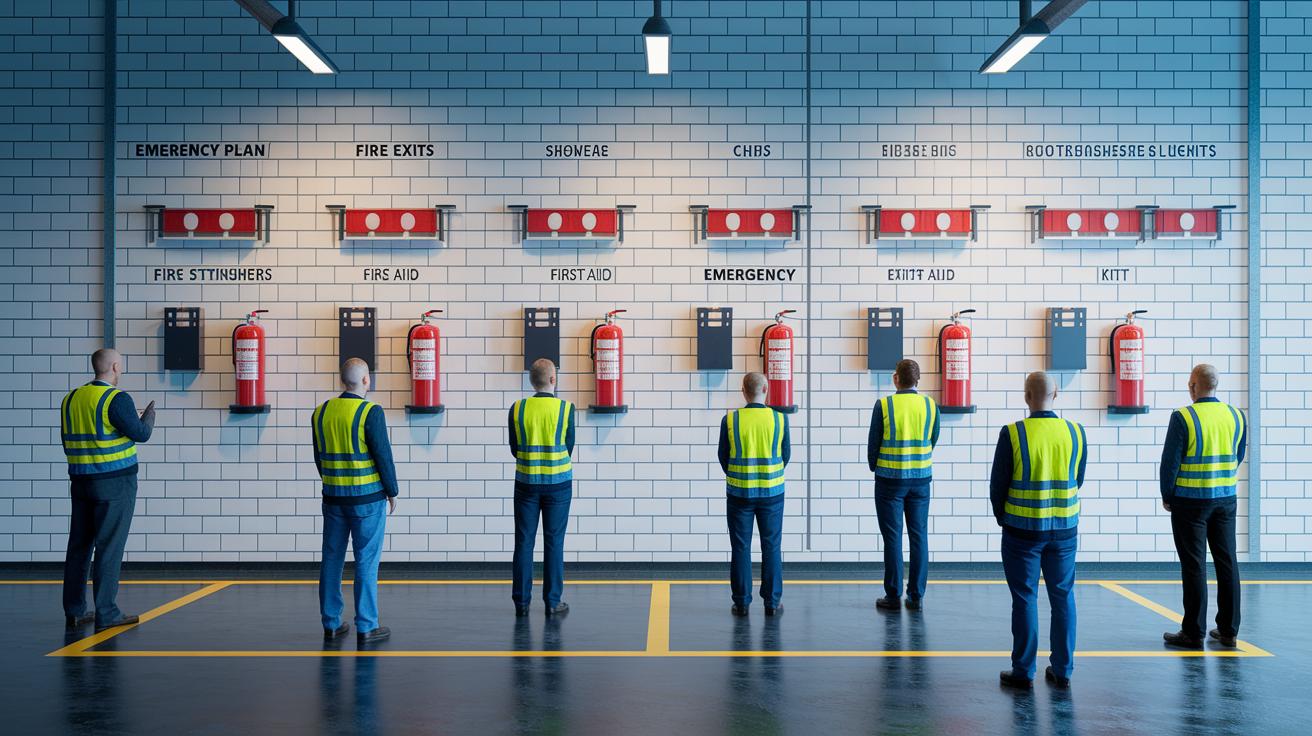
An emergency plan must cover fires, collapsed structures, medical issues, chemical spills, and severe weather. It clearly tells each worker what to do when trouble strikes. The plan shows where to find essential tools like fire extinguishers, first-aid kits, and emergency lights. It also explains how to report an incident and alert first responders right away. For example, it should say, "If there is a fire, leave immediately using the nearest safe exit. Do not use the elevators." This clear guidance helps every worker act quickly and safely.
Run regular drills and mark clear exit routes so everyone knows the way out and where to gather. Scheduled drills help the team become familiar with escape paths and assembly points. They also serve as practice sessions for using emergency gear and following the proper steps to report an incident. By making these routines part of daily work, the site builds a habit of being prepared and responding swiftly when challenges occur.
Fall Risk Mitigation and Scaffold Usage Standards on Construction Sites
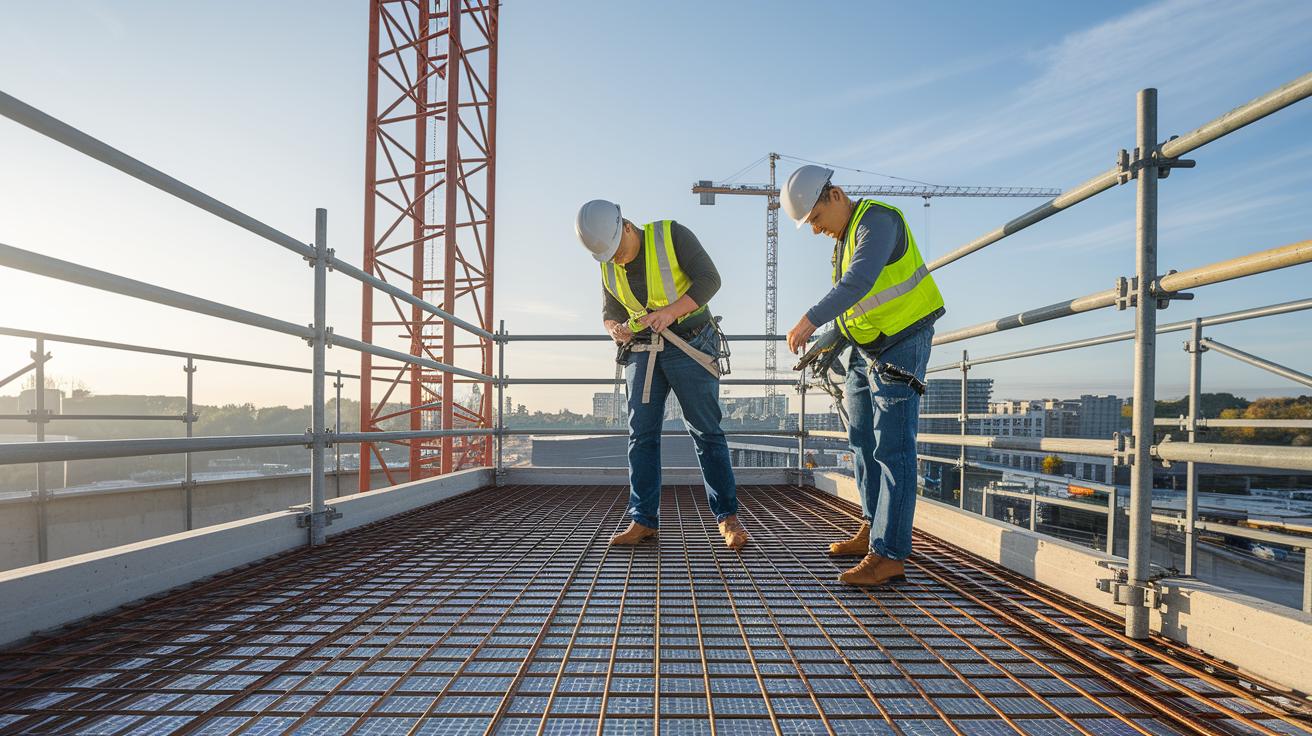
Falls are the top cause of injuries on job sites. A fall from a scaffold, ladder, or roof can quickly turn a small mistake into a serious injury or permanent disability. Even a small slip on an elevated platform can have bad results. When safety gear like guardrails, safety nets, or harnesses (equipment designed to stop a worker from falling) isn’t used correctly, the risk grows. So, safety rules on a construction site aren’t optional, they are there to protect every worker. It’s important that everyone follows these guidelines to keep the site safe and to build trust among the crew.
Properly putting together scaffolds is key to stopping falls. Before work starts, build each scaffold according to the safety rules and check it for stability. Do a daily walk-around to look for loose parts or worn-out equipment in your guardrails, safety nets, and harnesses. Make sure all connections are secure, platforms are level, and any fall arrest systems are working properly. Following these steps every day helps create a job site that is safe for everyone working at height.
Managing Electrical Hazards, Fire Prevention, and Controlled Access on Construction Sites

When working with electrical systems on a construction site, clear warnings are key. Mark all live wires clearly and use extension cords built for outdoor use if there’s any chance of water exposure. Install Ground Fault Circuit Interrupters (GFCIs, a device that cuts off power when a fault is detected) to help prevent shocks.
Fire safety is just as important. Position fire extinguishers in spots where they can be reached quickly. Check them often to be sure they are fully charged, and make sure only trained people use them. Inspect cords and plugs to confirm they meet safety standards, and always keep extinguishers in their proper places so you’re ready in an emergency.
Controlling who comes onto the site also keeps it safe. Set up secure entry points and put visible signs up to mark restricted areas and where safety equipment is stored. Regularly check locks, gates, and other barriers to catch any weak spots. Consistent signs let workers know high-risk areas and help guide them along clear emergency routes.
Following these steps for electrical safety, fire prevention, and controlled access helps create a safe, efficient work area where everyone can work confidently.
Final Words
In the action, we broke down key safety steps, from robust training and written procedures to regular equipment checks, to keep every site secure. We highlighted OSHA stats and smart practices that anchor effective construction site safety guidelines.
These steps form a clear path to safer work and smarter spending. Embrace the practical tips, keep safety your top priority, and move forward with confidence on every project.
FAQ
Frequently Asked Questions
What information is included in construction site safety rules and regulations PDF documents?
Construction site safety PDFs include guidelines on rules, regulations, required PPE, hazard controls, and emergency procedures, offering a clear overview to help workers maintain a safe and compliant jobsite.
How does an OSHA construction safety checklist help manage site risks?
An OSHA construction safety checklist streamlines daily inspections, highlights hazards, ensures proper PPE and equipment use, and reinforces compliance with OSHA standards for a safer work environment.
What are the OSHA safety requirements for construction sites?
OSHA safety requirements for construction sites call for proper protective equipment, regular training, hazard communication, routine inspections, and clear written procedures to create and maintain a secure worksite.
What are the 5 basic OSHA safety rules?
The 5 basic OSHA safety rules emphasize PPE use, fall protection measures, electrical safety, proper equipment handling, and effective communication of hazards to minimize risks on construction sites.
What is the 20/20/20 rule in construction safety?
The 20/20/20 rule in construction safety suggests regular hazard assessments every 20 minutes, ensuring break times and communication check-ins that help keep the team alert and minimize potential risks.
What are 10 basic safety rules for construction sites?
Ten basic construction site safety rules cover consistent PPE use, safe tool handling, fall protection, electrical safety, hazard warning signs, proper equipment operation, regular inspections, clear communication, emergency preparedness, and site cleanliness.