

Ever think a stylish home makeover can work on a tight budget? Smart planning and thoughtful choices can completely change your space without emptying your wallet. Open floor plans and upcycled materials, along with simple finish updates, go a long way. This guide shows you how to work with cost-saving options like economical laminates, budget-friendly paints, and reclaimed wood to create a lasting look. Enjoy a balance of affordability and durability that proves smart interior finishes can be both effective and beautiful.
Complete Guide to Cost Effective Interior Finishes

When you build a new home or update an old one, the finishes you choose can really affect your budget. New homes often cost about $290,000 (about $150 per sq ft / 1,615 cm² per 2,000 sq ft), so even small changes can add up. Smart planning, like using open layouts and matching finishes, can help keep costs low. Using scrap materials or shopping at surplus stores may cut material costs by 30–60%, so you get quality without overspending.
Balancing quick costs with long-term durability is key. One smart move is to buy an extra 5–10% of materials (such as tiles or laminates) to avoid delays from backorders that can drive up labor costs. Put quality items in high-wear areas and consider reusing salvage pieces for less critical spots. Choosing low-maintenance laminates or economical paints adds style without raising expenses.
Plan each inch of your square footage and factor in layout changes from the start. This approach helps keep surprises and wasted materials at bay. A mix of quality and budget-friendly choices will give you a finish that looks great and lasts for years.
Economical Wall Treatments for Interior Finishes

Decor laminates, like Sunmica, cost less than $5 per square foot ($5.38 per square meter) and come in many textures such as woodgrain, matte or glossy, and a marble look. They stand up well to heat, moisture, and scratches, which makes them a smart pick for busy spots like kitchens and bathrooms. Quality paint, priced between $1 and $3 per square foot ($10.76 to $32.29 per square meter) including labor, gives you endless color choices. Bold or light-reflective paint on an accent wall can boost natural light and help save on energy bills, while clear curtains and light wall colors brighten your room and reduce electricity use.
- Woodgrain laminates
- Marble-look panels
- Matte-finish paint
- Textured wallpaper
- Upcycled reclaimed wood planks
These wallet-friendly ideas let you update your walls without breaking the bank. By blending tough laminates with smart paint choices, you can create walls that look upscale while keeping costs low. This approach not only brings practical benefits but also adds a modern twist to your home.
Inexpensive Floor Finishes for Budget Interiors
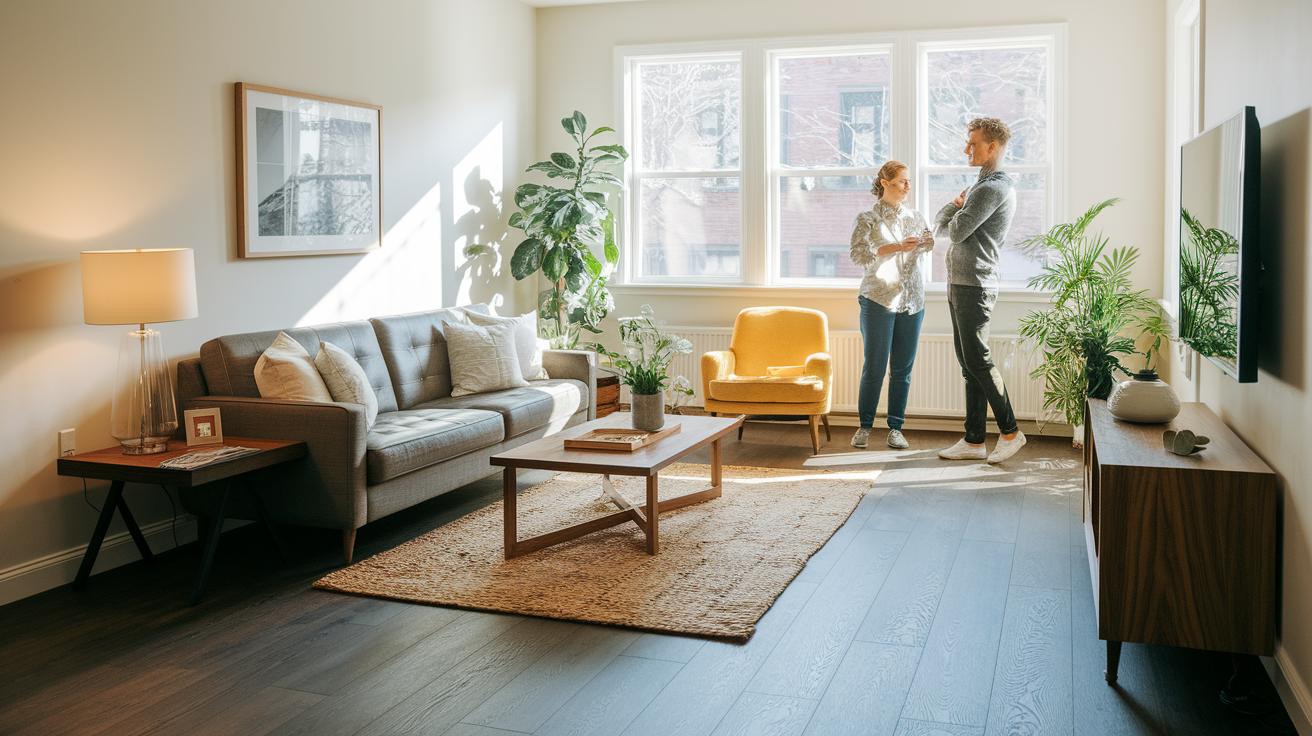
Vinyl plank flooring is a top pick when you need a cost-smart way to update your floors. It runs around $2 per square foot (about $21.53 per square meter) including labor and gives your space a fresh, modern look. Picture starting a project only to find you’re out of tiles. That can not only delay your work but boost labor costs by 10–20%. For busy areas, new hardwood flooring, with its long warranty and durability, works great, while reclaimed wood fits well in rooms with lighter traffic. Options like polished concrete or epoxy coatings, generally costing under $3 per square foot (about $32.29 per square meter), also offer a clean, stylish finish.
When planning your project, consider a few smart tips. For example, order 5–10% extra material to avoid delays caused by supply issues. This extra planning not only saves time but also keeps your budget in check. By choosing materials that balance durability with low cost, you can achieve a finish that looks good and holds up over the years, making your budget-friendly project a lasting win.
Budget-Friendly Surface Finishes: Laminates vs Paint

When planning your interior finishes, you need to compare the numbers. Laminates cost about $15–$30 per sheet, install in one day, and last long with little upkeep. Peel-and-stick types can further cut labor costs. High-quality paint, which costs roughly $20–$50 per gallon, offers endless color choices for a softer look, though you might need to repaint every 2–3 years.
| Finish Type | Cost Range | Durability | Maintenance |
|---|---|---|---|
| Laminates | $15–$30/sheet | High | Low upkeep |
| Paint | $20–$50/gallon | Medium | Refresh every 2–3 yrs |
Use these details to decide what fits your project best. Choose laminates for a quick, durable upgrade with minimal care, or opt for paint if you want a personalized finish and are ready for periodic refreshes.
DIY Interior Finish Projects for Cost-Savvy Makeovers
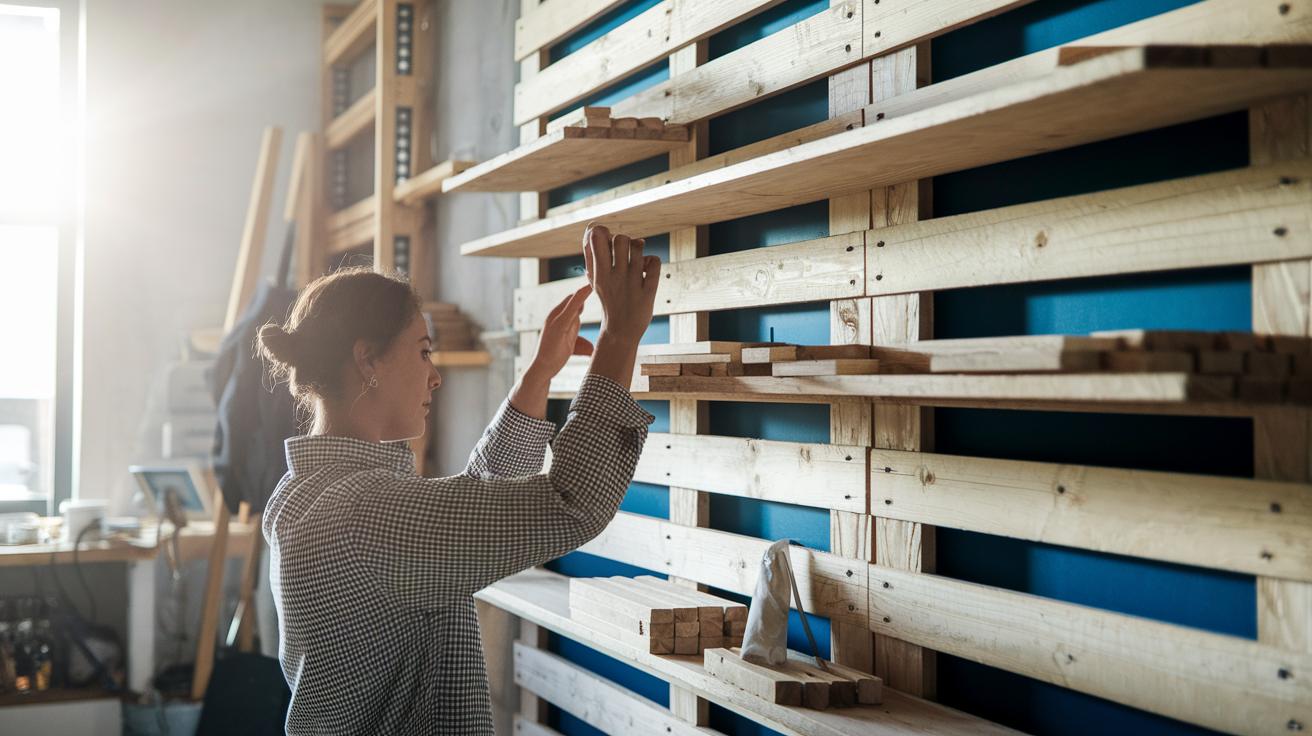
If you want to refresh your home without overspending, try these hands-on projects. You can change plain surfaces, reuse leftover wood, and add stylish touches without paying full retail prices. For example, repurposed scrap wood makes sturdy open shelving that beats store shelves, and pallet wood accent walls add warmth even on a tight budget. Whether you're updating cabinets with a new coat of semi-gloss paint or overlaying concrete countertops affordably, these projects mix style with smart savings.
- Turn scrap wood into open shelves to save $100 to $200 compared to store shelves.
- Build a pallet wood accent wall using materials that cost less than $50.
- Repaint your cabinets with semi-gloss paint using supplies under $30.
- Install a DIY concrete countertop overlay at about $20 per square foot.
- Refresh your decor with thrift-store finds like mirrors and frames, achieving a high-end look for only 10 to 25% of the usual cost.
Affordable Material Choices and Smart Sourcing for Interiors

Smart sourcing means balancing key finishes with eye-catching accents. Look in salvage and surplus stores for decorative pieces that can cost 30–60% less than retail items. But for core items like hardwood flooring and tile, always choose new supplies to ensure lasting strength and stability.
Plan your material orders well ahead of time. Place orders at least two weeks in advance to lock in steady prices and avoid backorders or sudden cost spikes. This forward-thinking approach cuts waste and helps your project run on schedule.
Mix new and secondhand options carefully. Use new items for structural parts of your project and repurpose quality secondhand pieces for décor. A miscut board, for example, can be turned into a unique accent that brings charm without extra expense.
Final Words
In the action, we explored practical strategies to upgrade your home on a budget. We broke down economical wall treatments, inexpensive floor finishes, and smart material sourcing to keep projects simple and efficient. Every step was designed to help you balance cost with long-term durability while avoiding unforeseen expenses.
This guide shows that with a little planning and creativity, achieving cost effective interior finishes is within reach. Stay focused, stay safe, and enjoy the process of transforming your home.
FAQ
What are interior finishing materials and design specifications?
Interior finishing materials include products like paint, laminates, and trim that define a room’s style. They cover everything from detailed material specifications to downloadable lists for planning projects.
How can I achieve cost-effective house dimensions, efficient floor plans, and building techniques?
Cost-effective house dimensions, efficient floor plans, and modern building techniques help lower construction costs by maximizing space usage, reducing waste, and streamlining the building process.
How can I save money on interior finishes?
Saving money on interior finishes means choosing budget-friendly materials, using salvage and surplus resources, and ordering a bit extra to avoid delays—all of which cut overall expenses.
What do the 70/30 and 60/40 rules in interior design mean?
The 70/30 and 60/40 rules in interior design are budget guides that allocate spending between primary finishes and decorative accents, ensuring you achieve durability and style while managing costs effectively.
How can I make my house look expensive in inexpensive ways?
Making your house look expensive involves smart design choices like using strategic lighting, quality accents, and clever styling tips to boost your home’s appeal without overspending.