

Ever wonder why some homeowners worry about sudden costs? Smart planning can turn big repairs into manageable bills. In this guide, we show you how to save about 1% to 3% of your home’s value each year. That extra cash makes routine upkeep more affordable. By tracking monthly and yearly home care, you can prevent expensive surprises while keeping your house safe and valuable. Let’s look at the true cost of home maintenance and see how smart saving today can protect your investment tomorrow.
Estimating the True Cost of Home Maintenance
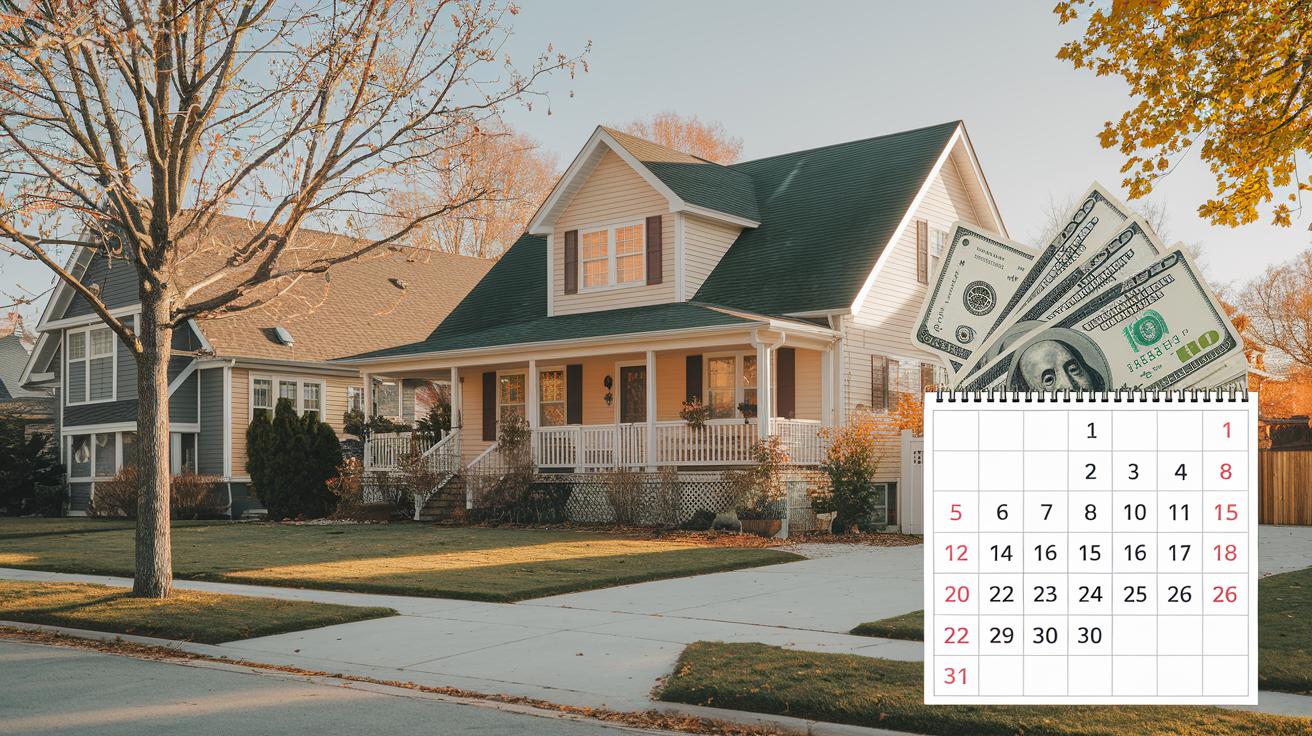
Budget about 1% to 3% of your home's value each year. For example, a $400,000 (approx. $400K) home may need $4,000 to $12,000 in yearly upkeep. This rule of thumb helps you plan for both expected repairs and surprise expenses. In fact, maintenance usually makes up about 10.8% of your home’s operating costs or roughly 0.54% of your home’s overall value.
Your monthly upkeep costs can vary with the size, location, and features of your home. Key tasks include changing air filters, servicing the AC (air conditioner), replacing smoke detector batteries, and mowing the lawn. For instance, an air filter change might cost around $15 (about 1.3 US dollars), while an AC service can run from $80 to $150 every six months. Even a quick task like swapping a smoke detector battery is important for safety.
Keep track of these costs by using a home maintenance checklist. This helps you log monthly and yearly expenses, review regular services, and plan for bigger jobs like roof or HVAC work. A well-kept home not only holds its value but also reduces the chance of costly emergency repairs.
Setting aside a little money each month spreads out the cost and makes it easier to cover larger expenses when they come up. Saving a portion of your estimated annual budget helps ensure your home stays safe, functional, and valuable for years to come.
Breaking Down Routine, Preventative, and Emergency Home Maintenance Costs
Routine Maintenance Tasks
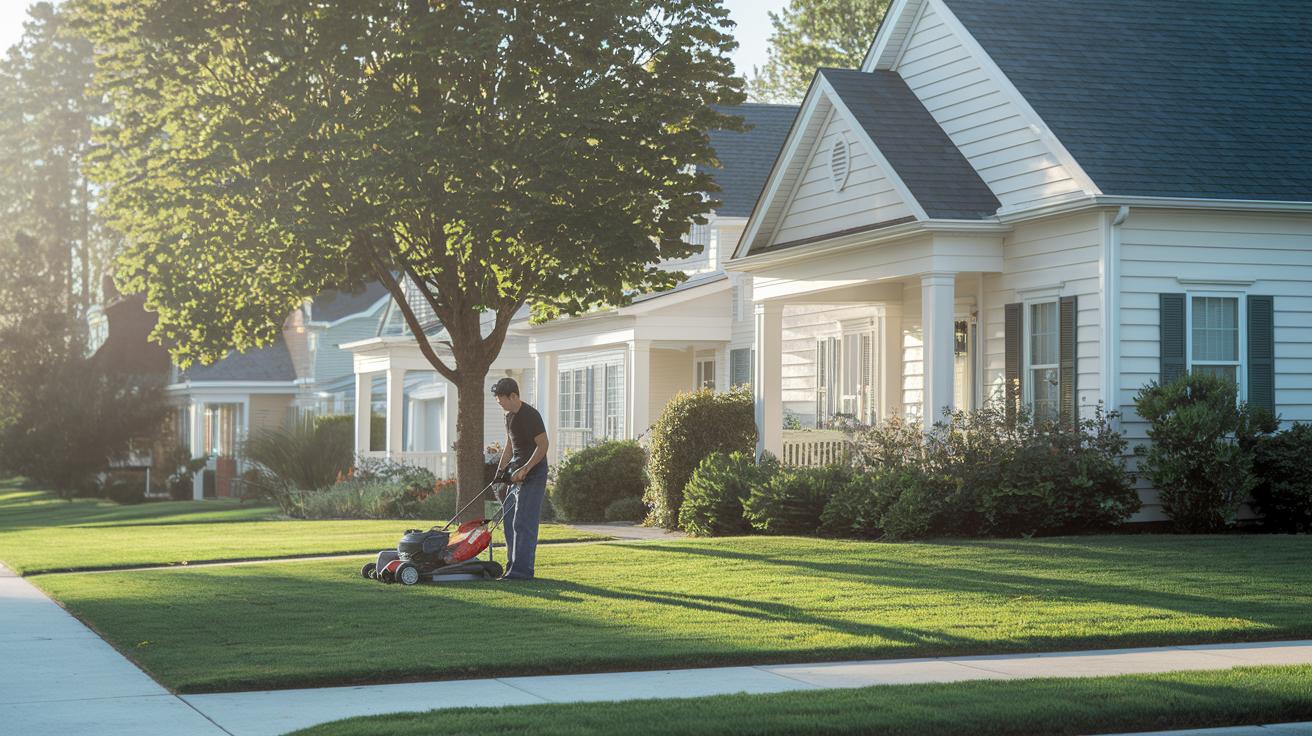
Routine maintenance keeps your home running smoothly with everyday chores. Common jobs include replacing air filters, cleaning gutters, and mowing the lawn. For example, changing an air filter costs about $15, while gutter cleaning can run between $50 and $100, based on your home’s size. These tasks are usually done monthly or every few months. Regular lawn care not only makes your yard look neat but also minimizes future repair costs, just like keeping an engine well-oiled.
- Air filter replacement: approximately $15 each
- Gutter cleaning: about $50–$100 per session
- Lawn mowing: costs vary by area
Preventative Maintenance Activities
Preventative maintenance helps spot issues before they become costly problems. Key jobs include roof inspections, which typically cost between $150 and $300, and HVAC tune-ups, usually priced from $80 to $150. Doing these tasks every year or twice a year can extend the life of your systems. Using an annual home maintenance checklist can keep you on track. For example, catching a small leak during a roof inspection can save you from expensive emergency repairs.
Emergency Repair Scenarios
Emergency repairs cover sudden issues like plumbing leaks or electrical failures. These problems need quick attention. For instance, a plumbing leak might cost between $200 and $500, while fixing an electrical issue can cost roughly $150 to $400. Having an emergency fund is a smart move, it’s like keeping a spare tire for unexpected situations. This fund helps you address issues immediately, preventing larger disruptions to your home maintenance budget.
Key Factors Behind Rising Home Maintenance Expenses
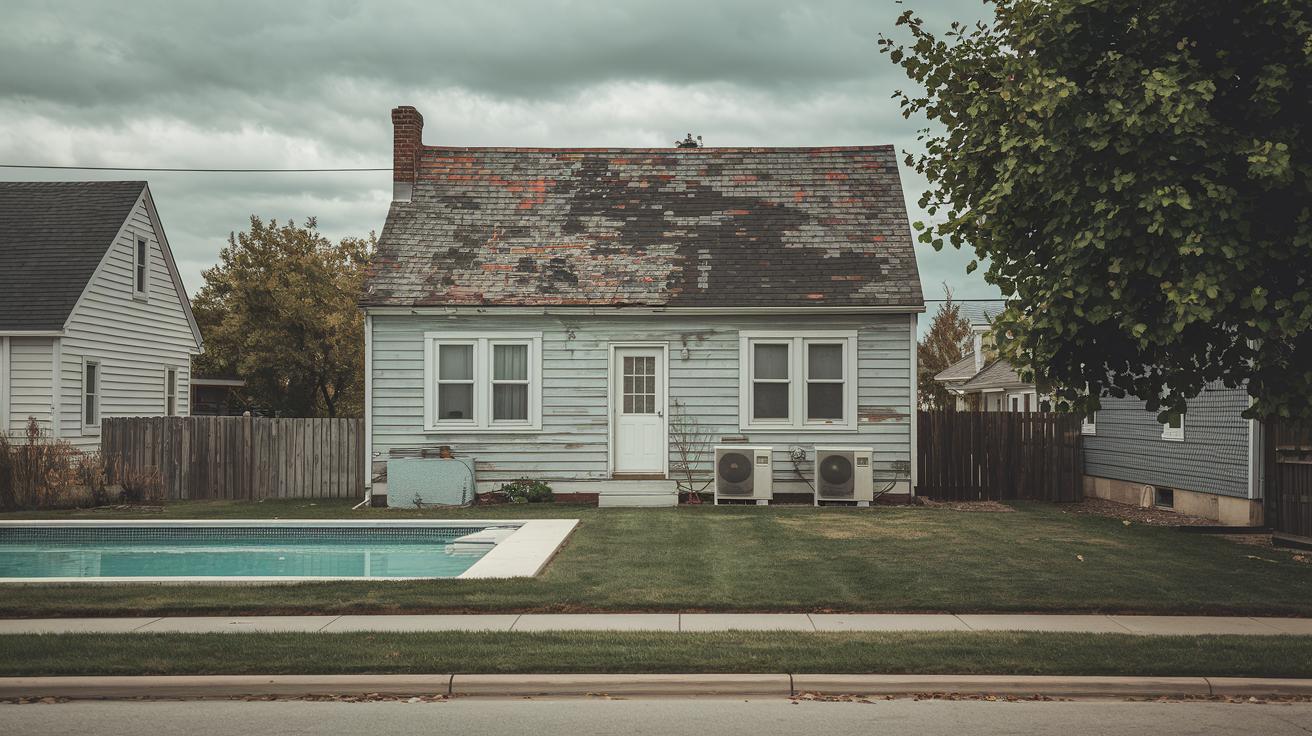
Your home upkeep bill can change fast because of a few simple things. One big factor is your home's age. Older houses, especially those 30 years or older, might need major repairs. For example, a roof that's 30 years old (about 30 years) may need a full replacement instead of just a few fixes, which can really bump up your annual costs.
The size and features of your home also count. Bigger homes or those with extras like pools and multiple HVAC systems (heating, ventilation, and air conditioning) usually cost more to repair and maintain. With more to fix, you might face higher prices over time.
The materials used in your home can save or cost you money. High-quality fixtures and tough materials help lower long-term repair bills, while cheaper options might break down faster. Spending a little more up front might save you extra costs later.
Climate plays its part too. Homes in areas with heavy snow (6 ft / 1.8 m or more), intense heat, or high humidity can wear out faster, even if they’re built well. Plan your budget with these factors in mind to be ready for both regular upkeep and sudden repairs.
Seasonal Scheduling: Timing Home Maintenance to Optimize Costs
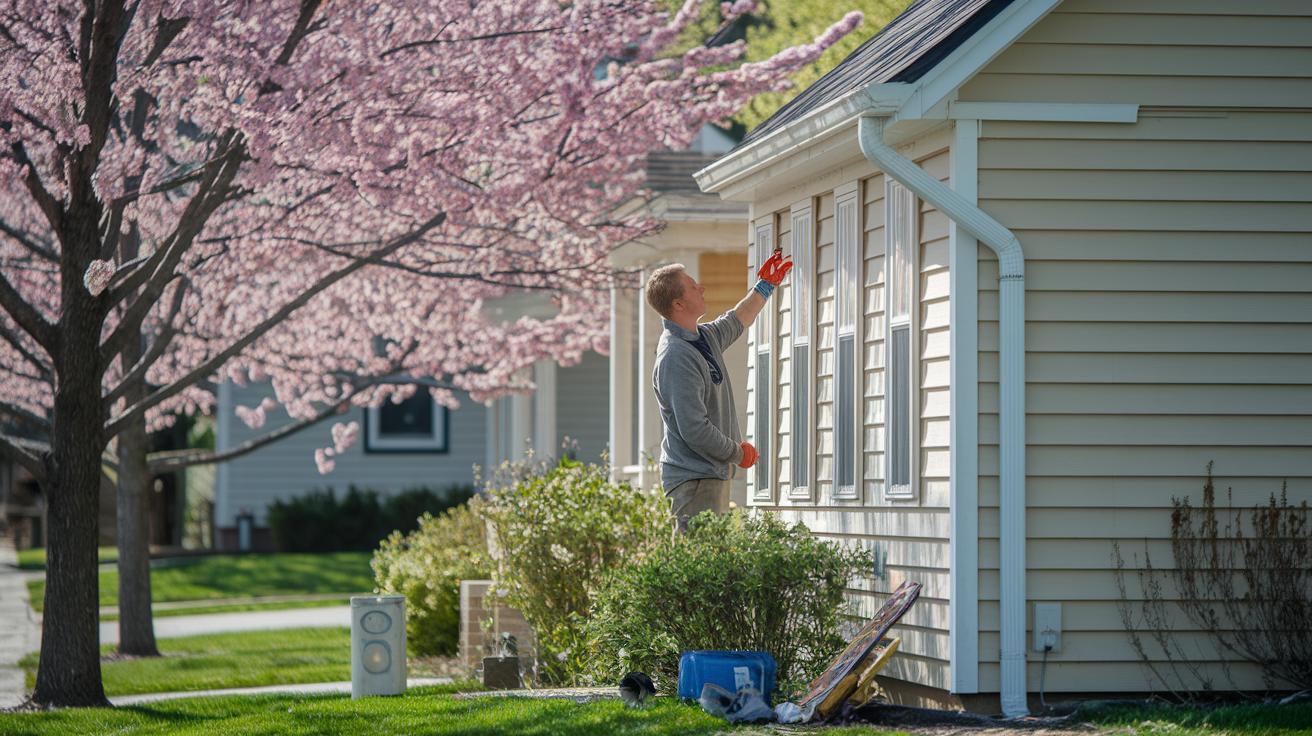
Plan your home maintenance by season to keep costs in check and avoid surprise repairs. In spring and fall, set aside time for tasks like HVAC servicing (checking your heater and air conditioner) and gutter cleaning. A spring HVAC tune-up can catch small issues before the summer heat pushes energy use up, think of it like giving your car a quick service before a long drive.
In summer, work on projects that improve your home's look and fend off long-term damage. Invest in landscaping care and consider repainting your exterior to shield your siding. This seasonal work helps stop wear and tear that might otherwise need emergency fixes.
In winter, gear up for harsh weather by checking your insulation, testing heating systems, and planning for snow removal. These steps help prevent problems like roof leaks or ice dam formation. They keep your home safe when the temperature drops.
By matching maintenance work to the right season, you spread out costs and keep your home running smoothly year-round.
Efficient Budgeting and Cost-Saving Strategies for Home Maintenance

Start by breaking your home upkeep into small projects with clear costs. If you need a fresh coat of paint or some minor caulk work, try doing it yourself. Many homeowners save hundreds each year by handling simple repairs with basic tools instead of hiring a professional. This way, you see exactly where your money goes.
Next, get at least three quotes from different contractors before you decide on a major fix like repairing a roof or replacing siding. This helps you pinpoint any high charges and choose the best deal. Sometimes spending a bit more on quality materials now can reduce the need for future repairs.
Open a separate savings account just for home repairs. Set up an automatic monthly transfer of 1%–3% of your home’s value. For instance, $400 (approximately €370) each month can be sent to your repair fund, keeping you prepared for both routine upkeep and sudden fixes.
- Try DIY fixes for painting and caulking
- Gather several contractor quotes
- Think about adding a home warranty for emergencies
- Use a dedicated savings account for repair costs
Review your budget regularly as your home systems age to keep your plan effective and flexible.
Understanding Regional Variations in Home Maintenance Costs
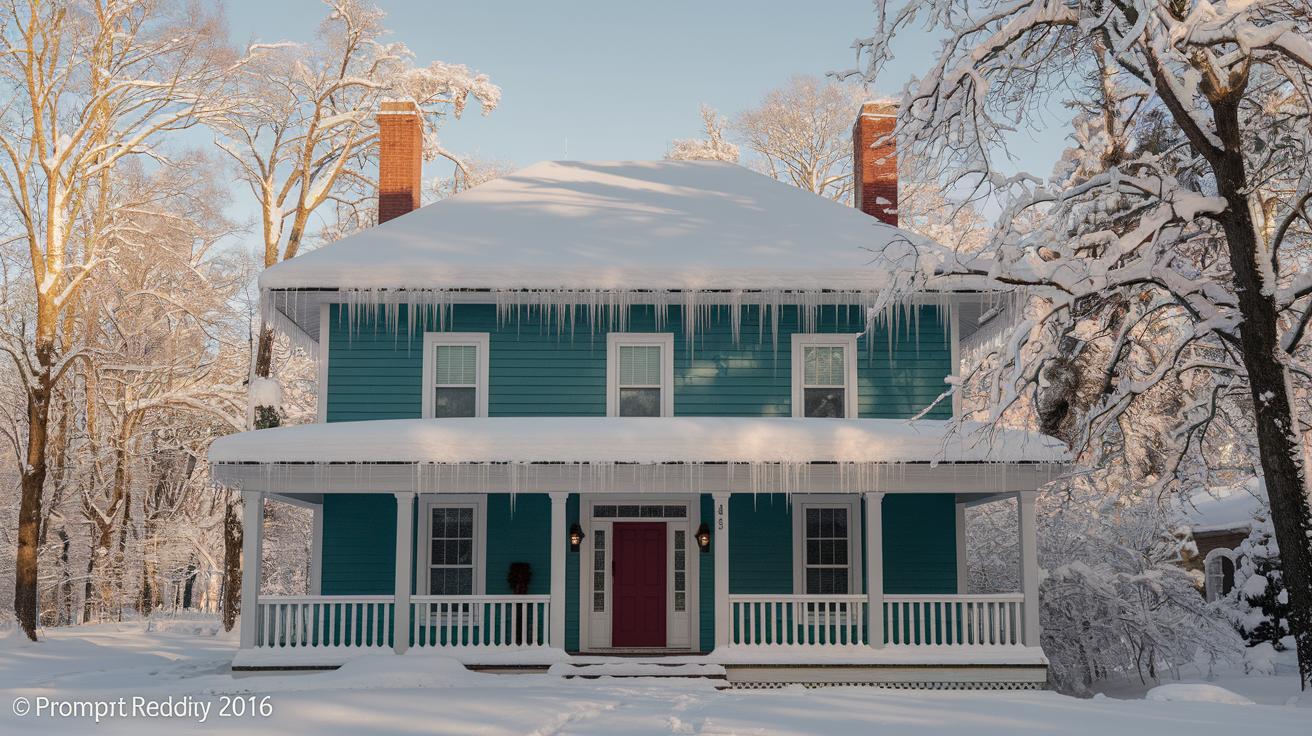
Your home's location and climate heavily influence its upkeep costs. Homes in snowy areas may face extra roof and gutter work due to heavy snow loads of 6 ft (1.8 m) or more. Regular cleaning and check-ups help prevent issues like ice dams, which can lead to roof leaks.
In humid areas, the risk of mold is higher. Moisture trapped under a roof can cause hidden rot and force you into expensive repairs. Upgrading ventilation or investing in mold cleanup might be necessary to keep problems at bay.
Coastal homes come with a unique set of challenges. Salt in the air can speed up the corrosion of metal fixtures and siding. This means coastal properties might require more frequent replacements of these materials compared to inland homes.
Urban settings often have higher labor and material costs, which can inflate repair expenses. In rural areas, service charges tend to be lower, but you may face longer wait times for specialized work.
Also, think about local building codes and the availability of materials when planning your budget. Adjust your spending plan based on these regional factors to keep your home safe and sound without overspending.
Building a Long-Term Home Maintenance Budget: Step-by-Step

Start by checking every major system in your home, like the roof, HVAC (heating, ventilation, and air conditioning), plumbing, and electrical. Write down each system’s age, condition, and how long it might last. For example, a roof built 25 years ago could be nearing its end.
Next, follow the 1%–3% rule by saving that percentage of your home’s value each year. On a $400,000 home, set aside about $4,000 to $12,000 every year. Split these funds for daily upkeep, preventative maintenance, and an emergency fund. A helpful tip: use a simple spreadsheet to track your monthly savings and expenses.
Keep an eye on your budget with tools like spreadsheets or home maintenance apps. Below is a table that sorts expenses into clear groups:
Every 2 to 3 years, review your budget and adjust your savings. Be sure to account for big replacements, like a new roof or HVAC system, and factor in an annual inflation rate of 2%–3%. Do a walk-through of your home now and then to update your list as systems age.
Final Words
In the action, we've mapped out how to estimate and manage the cost of home maintenance.
We broke down routine, preventative, and emergency tasks while pointing out seasonal scheduling benefits.
Budgeting smartly with DIY tactics, dedicated savings, and tools like a home maintenance checklist can save you money.
Keep tracking your expenses and review your allocation as your systems age.
Follow these steps to protect your home, reduce surprises, and stay within budget , ensuring your project stays safe and cost-effective.
FAQ
What is the average monthly cost of home maintenance?
When asking about average monthly costs, homeowners usually budget 1%–3% of the home’s value annually, then divide that by 12, adjusting for home size, location, and repair needs.
How is home maintenance cost calculated per square foot?
When asking about cost per square foot, overall maintenance expenses are divided by the home’s total square footage, with costs varying by age, value, and regional factors.
What are home maintenance cost calculators and how do they work?
When asking about cost calculators, these tools estimate expenses by applying a percentage (commonly 1%–3%) of home value along with square footage and local cost factors to help set a budget.
What are the average home maintenance costs by state?
When asking about state averages, maintenance costs vary widely with climate, labor rates, and local material prices; checking regional resources gives the most accurate figures.
What is the average yearly cost of home maintenance?
When asking about yearly costs, most homeowners budget 1%–3% of their home’s value annually—for example, a $400,000 home may need $4,000–$12,000 for upkeep.
What is the “1 rule” for home maintenance?
When asking about the “1 rule,” it refers to budgeting 1% of your home’s value annually for repairs and regular upkeep, serving as a quick estimate for maintenance expenses.
How much does it cost to maintain a 2000 sq ft house?
When asking about a 2000 sq ft house, applying the 1% rule suggests an annual maintenance budget of roughly $2,000–$6,000, though costs depend on specific home conditions.
How do you calculate home maintenance costs?
When asking about calculating costs, multiply your home’s value by 1%–3% to estimate annual expenses, then break that amount into monthly or periodic budgets based on your needs.