

Ever wonder if your home can help protect our planet? You can make a difference by choosing eco-friendly finishes. For example, use low-VOC paint (paint with fewer harmful chemicals) to help clean your air or select bamboo flooring, which saves energy thanks to bamboo's rapid growth.
Your material choices matter. Materials account for over 40% of a building’s environmental impact. By switching to sustainable options, you give your home a modern, smart upgrade that makes it safer and greener for the long haul.
How Interior Finishes Drive Sustainable Renovation Outcomes

Eco-friendly interior finishes are materials made to lower the harm a home can do to the planet. They include low-VOC paints (paints with low volatile organic compounds that reduce toxic emissions), reclaimed wood details, bamboo flooring, recycled metals, and recycled glass. These choices upgrade your home while keeping the air clean and reducing lasting damage to the environment. For example, using reclaimed wood on a feature wall not only recycles old material but also gives your space a unique, natural look.
More than 40% of a building’s impact on the environment comes from the materials used during its lifetime. When you choose sustainable finishes like low-VOC paints, you help cut down on harmful emissions, keeping your family’s air healthier and lowering long-term maintenance costs. Materials such as recycled metals and bamboo are also made using methods that save energy and protect our planet. This means that each finish you pick adds style to your home and helps reduce waste while boosting energy efficiency.
In sustainable design, the right finishes go beyond decoration. They show your commitment to better indoor air and a healthier environment for years to come. Every choice you make, from wall coatings to flooring, plays a part in this move toward safer, green home renovations.
Material Options for Sustainable Interior Finishes

Eco-friendly materials are a smart choice for updating your home. They offer modern designs while keeping the environment in mind. Whether you are painting your walls or installing new flooring, choose materials that last and protect your indoor air and surroundings.
For instance, low-VOC paint (water-based paint that reduces harmful chemicals) helps lower chemical emissions and keeps the air clean. Reclaimed wood, usually certified by the FSC (Forest Stewardship Council), adds a one-of-a-kind look and cuts down on waste. Bamboo flooring is tough and comes from a fast-growing source, and recycled glass tiles give you a stylish finish with a lighter environmental load. Biodegradable sealants use natural ingredients to protect your trim and fixtures without harsh chemicals.
| Material Type | Description | Key Benefit |
|---|---|---|
| Low-VOC Paint | Wall finish made with low volatile organic compounds | Reduces chemical emissions and improves air quality |
| Reclaimed Wood | Salvaged wood detailing, usually FSC-certified | Offers unique texture and cuts down on waste |
| Bamboo Flooring | Flooring from fast-growing bamboo | Durable and eco-friendly |
| Recycled Glass Tile | Tiles made from reclaimed glass | Stylish look with a lower environmental footprint |
| Biodegradable Sealant | Sealant from natural eco-friendly ingredients | Long-lasting and minimizes toxins |
When you pick eco-friendly finishes, balance design with toughness and cost. Look for products that fit your budget and work well over time. Testing a sample can help you see the color and texture before you commit, all while helping you build a greener, healthier home.
Health and Environmental Benefits of Non-Toxic Surface Coatings for Interior Finishes

Non-toxic surface coatings like low or zero-VOC paints and safe varnishes are a smart pick for your health and the planet. Water-based finishes use fewer harmful chemicals than those older solvent types. This means you breathe fewer toxic fumes during and after you apply them. It also keeps the air safer for kids, people with allergies, and older adults. Choosing these finishes helps keep indoor air clean and cuts down your home's overall environmental impact. Think of it like keeping your air conditioner filter clean, it makes a big difference.
Non-toxic coatings offer lasting benefits by keeping your indoor space healthier and lowering your environmental footprint. Here are some key advantages:
- Fewer indoor air pollutants
- Fewer triggers for allergies and asthma
- Less off-gassing over time
- Reduced ecological harm
- Better long-term air quality in your home
By picking non-toxic surface treatments, you protect your indoor space and help build a greener future.
Certifications and Standards Guiding Eco-Friendly Interior Finishes
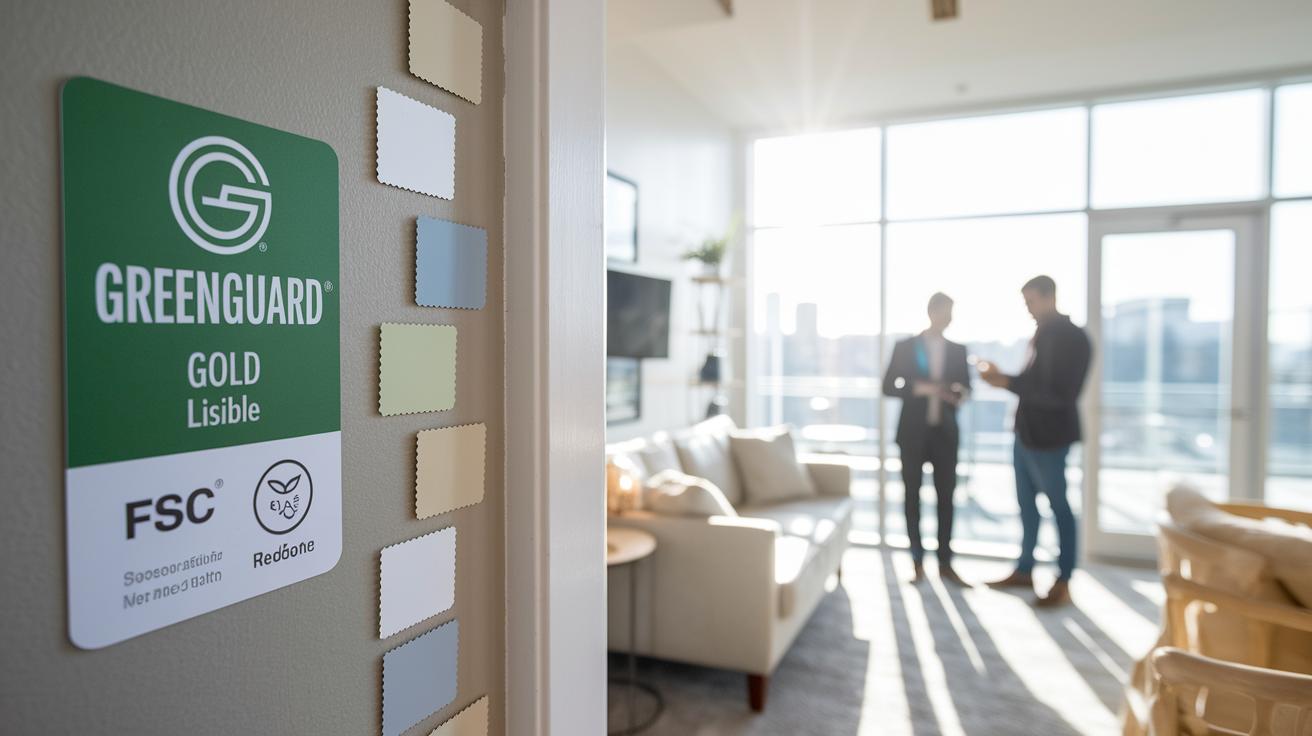
Eco-friendly certifications like GREENGUARD Gold, FSC chain-of-custody, Cradle to Cradle, CARB2/TSCA Title VI, and Environmental Product Declarations (EPDs) prove that interior finish products meet strict health and environmental rules. These labels mean products, including toxin-free adhesives, are made with care and emit very few harmful chemicals. They help homeowners and professionals pick finishes that support greener building projects. For example, wall paint marked with GREENGUARD Gold has been tested to reduce chemical emissions. These standards also work well with LEED interior guidelines, making it easier for you to choose sustainable products.
Check product datasheets, labels, and chain-of-custody records closely to be sure of their eco-friendly claims. Look for official logos and verify them using the product’s technical literature. Many items note compliance with CARB2/TSCA Title VI or include an EPD, showing that each material part was reviewed for its environmental impact. Clear chain-of-custody documents track the material from its origin through production. Always compare these details with recognized eco guidelines to make safe and informed choices for your home renovation.
How to Source and Install Ethically Sourced Eco-Friendly Finishes
Start by finding eco-friendly finishes from ethical sources. Look for local suppliers to reduce transportation emissions and check community forums or verified online sellers with proper certifications. Ask for proof of these certifications and read material reviews. Buying locally helps lower costs and cuts your carbon footprint. Test samples from a trusted provider so you know the color and strength before you buy.
Decide if your project works for a DIY approach or needs professional help. DIY products like stick-on glass tiles and pre-finished upcycled wood panels make it easy to handle small tasks at home. Simple jobs, such as applying repurposed glass accents, are manageable for a careful homeowner. When you need custom milling or a tight seal, call a professional. For more tips on installing wood finishes, check the guidance at neull.com. Following these clear, practical steps will help you install eco-friendly finishes safely and with style.
Showcasing Successful Green Home Renovations with Eco-Friendly Interior Finishes

More homeowners are now picking eco-friendly finishes to make their interiors not only stylish but also kind to the planet. These updates mix smart design with everyday function. They are built to last, cost less to maintain, and even help keep the air inside your home clean, all while adding a modern, eco-friendly touch.
Case Study 1: DIY Bamboo Flooring Installation
A homeowner replaced old laminate flooring with bamboo, a fast-growing, renewable material. They bought bamboo from a reliable supplier and laid it right over the existing subfloor. This DIY project cut costs and boosted indoor air quality because bamboo needs little chemical processing. The new floor is strong, eco-friendly, and gives the room a fresh, modern feel.
Case Study 2: Reclaimed Wood Accent Wall
A contractor refreshed a plain room by adding a feature wall made of reclaimed wood. The salvaged wood was FSC-certified and carefully installed to serve as a bold centerpiece. Using reclaimed wood helps reduce waste and offers lasting durability, lasting decades when laminate alternatives typically need replacing every 7–10 years. The natural textures and aged look of the wood bring a warm, modern vibe to the space.
Maintenance Strategies for Long-Lasting Eco-Friendly Surface Treatments
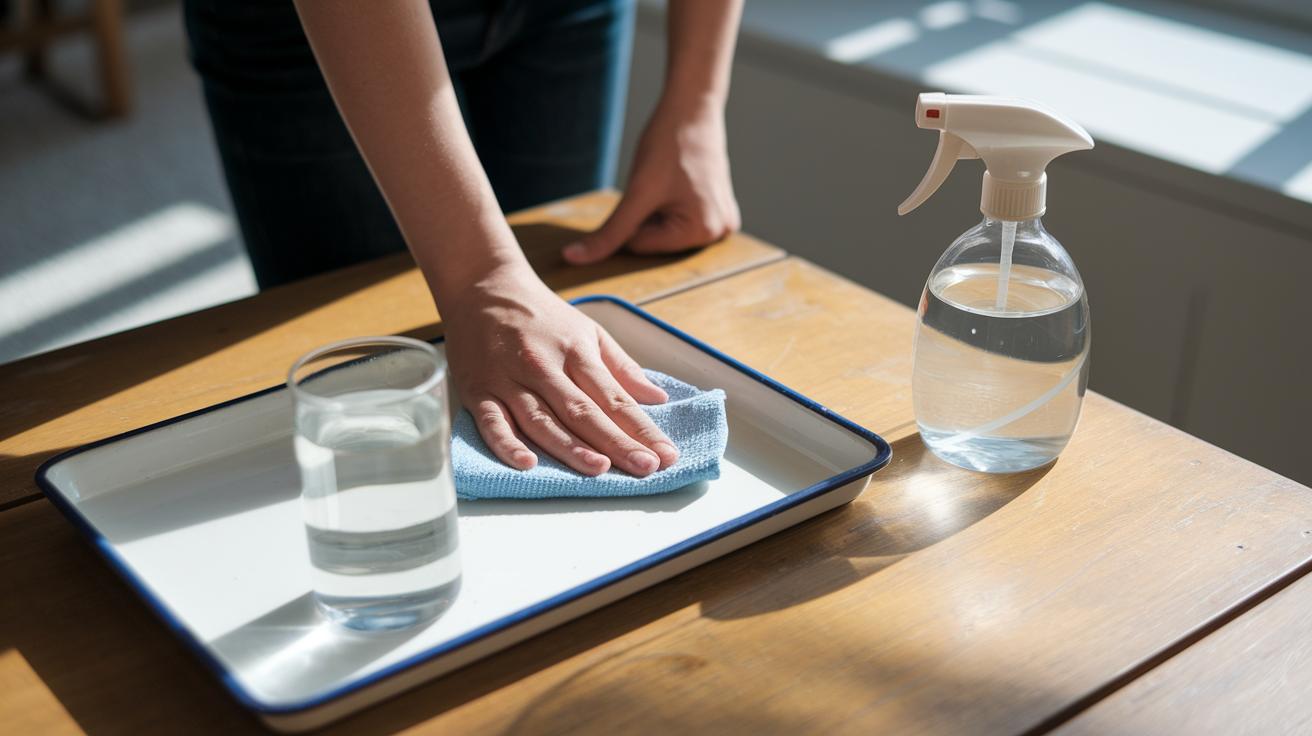
Keep your eco finishes in tip-top shape by cleaning them gently with chemical-free solutions. For daily upkeep, grab a soft cloth or sponge and mix a little mild soap with water. This helps prevent stripping away protective layers. Remember: harsh chemicals can hurt water-based finishes and natural wood oils. Quick tip: first test your cleaning mix on a hidden spot to be sure it won’t harm the finish before you clean larger areas.
Stick to a schedule based on each finish’s needs. For example, water-based wood stains usually need a fresh coat every 5–7 years (about every 5 to 7 years) to keep up their color and protection. Biodegradable sealants last around 3–5 years (about 3 to 5 years) and benefit from spot re-sealing to keep surfaces water-resistant. Natural wood oils should be reapplied periodically to nourish the wood and prevent it from drying out. Regular care extends the life of your eco-friendly finishes and helps keep your home sustainable and in great shape over time.
Future Innovations in Eco-Friendly Interior Finishes

By 2030, you'll see a surge in finish materials that are both DIY-friendly and kind to the planet. Expect natural epoxy treatments (coatings made from natural ingredients) that form a tough, safe layer on surfaces. Look for organic composite panels made from renewable fibers and biodegradable sealants that lower waste and chemical use. These new options make installation simple and keep your home safer.
Homeowners and designers will soon enjoy picking finishes that mix style with smart savings on energy and maintenance. As these eco-friendly changes roll out, they will cut your renovation costs and boost long-term performance. In short, a future where your home looks great and stays sustainable is just around the corner.
Final Words
In the action, this guide walked through sustainable renovation outcomes with a focus on eco-friendly interior finishes. It covered material options, health benefits, certifications, and smart sourcing techniques. Fast tips for DIY installation and upkeep were shared, setting you up for green home renovations that last.
By embracing eco-friendly interior finishes, you can create a healthier home and reduce your environmental impact while keeping costs in check. Keep moving forward with smart, sustainable choices.
FAQ
Q: What are some of the best eco friendly interior finishes brands and materials?
A: The best eco friendly interior finishes refer to products like low-VOC paints, reclaimed wood, bamboo flooring, and recycled glass. These brands focus on responsible sourcing and improved indoor air quality.
Q: What sustainable materials are used for interior design and wall finishes?
A: Sustainable materials for interior design include reclaimed wood, bamboo, recycled metal, and low-VOC paints. They offer durable wall finishes that help reduce environmental impact while enhancing indoor air quality.
Q: What is known about sustainable materials companies or LLCs?
A: Sustainable materials companies and LLCs specialize in eco-friendly products that meet industry standards. They offer certified finishes such as low-VOC paints and reclaimed wood, ensuring safe, responsible, and durable options.
Q: What is the 60/40 rule in interior design?
A: The 60/40 rule in interior design means using 60% neutral colors with 40% accents to create a balanced and visually interesting space that harmonizes understated tones with bold details.
Q: What are eco-friendly wall finishes?
A: Eco-friendly wall finishes include low-VOC paints, reclaimed wood paneling, and recycled glass tiles, all designed to reduce toxins, improve air quality, and support sustainable interior design.
Q: Is Sherwin Williams eco-friendly?
A: Sherwin Williams offers several eco-friendly options featuring low-VOC and sustainable formulations; however, checking specific product certifications is key to confirming their environmental claims.