

Is your home ready for cooler weather? As the fall leaves change color, a few simple maintenance jobs now can save you from expensive repairs later. Check your roof for damaged shingles, seal your windows, and clean your gutters. This easy checklist guides you through inside and outside projects so you can enjoy a safe and efficient home this season.
Comprehensive Fall Home Maintenance Checklist Overview
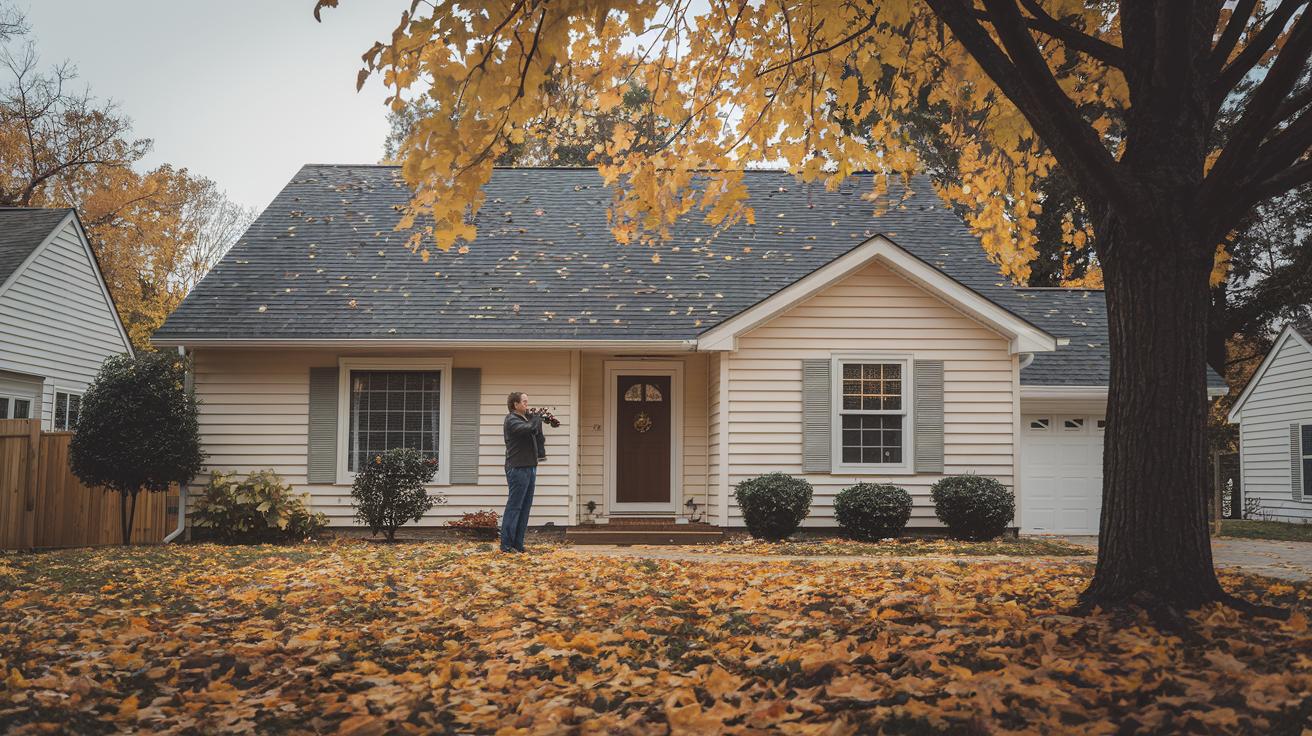
Get set for fall by tackling key tasks before winter hits. This checklist covers both your home’s exterior and interior. Use our annual home maintenance checklist to stay organized.
Start with the exterior:
- Check your roof. Use binoculars or safely walk around to spot any missing or damaged shingles.
- Trim tree branches that hang within 6 ft (1.8 m) of your roof. This step helps prevent damage during storms.
- Clean out gutters and downspouts. Proper cleaning keeps water flowing and stops damage from overflow.
- Remove dead shrubs, trees, or fallen branches. This boosts safety and improves curb appeal.
- Repair peeling or blistering paint on siding and driveways.
- Winterize outdoor spigots and irrigation lines. This helps prevent frozen pipes.
Inside the home:
- Change furnace filters regularly to keep your system efficient.
- Schedule an HVAC inspection to ensure your heating works well.
- Seal windows with caulk and weatherstripping. This simple step can reduce heat loss by 25–30%.
- Test smoke and carbon monoxide detectors. Replace batteries if needed.
- Plan a deep clean to prepare for a warm and cozy winter.
Fall Roof Inspection and Seasonal Roof Repair Checklist

Start by working safely. Walk around your home while keeping an eye on your roof, or use a pair of binoculars to spot any issues. For instance, one homeowner saw shingles curling by the chimney and fixed them before a leak began.
- Look closely at your roof for any shingle damage, like missing or curling pieces.
- Check the downspouts for granule loss. A build-up of granules can signal that your asphalt (bitumen material that protects shingles) is aging.
- Trim tree branches to keep them at least 6 ft (1.8 m) away from the roof. This helps prevent the branches from rubbing against the shingles during high winds or storms.
- Examine the roof flashing (metal pieces around chimneys, vents, and skylights) for cracks or gaps. Reseal any problem spots with a good quality roofing sealant.
- Clear out debris from the valleys and gutters. Removing leaves and twigs helps water flow properly and prevents leaks.
- Watch for signs of stress like sagging spots or water stains on the underside of your roof. If you notice these, call a professional for an inspection right away.
Regular checks like this can keep you ahead of repairs and help maintain your home’s weatherproofing.
Effective Fall Gutter Cleaning and Drainage Check
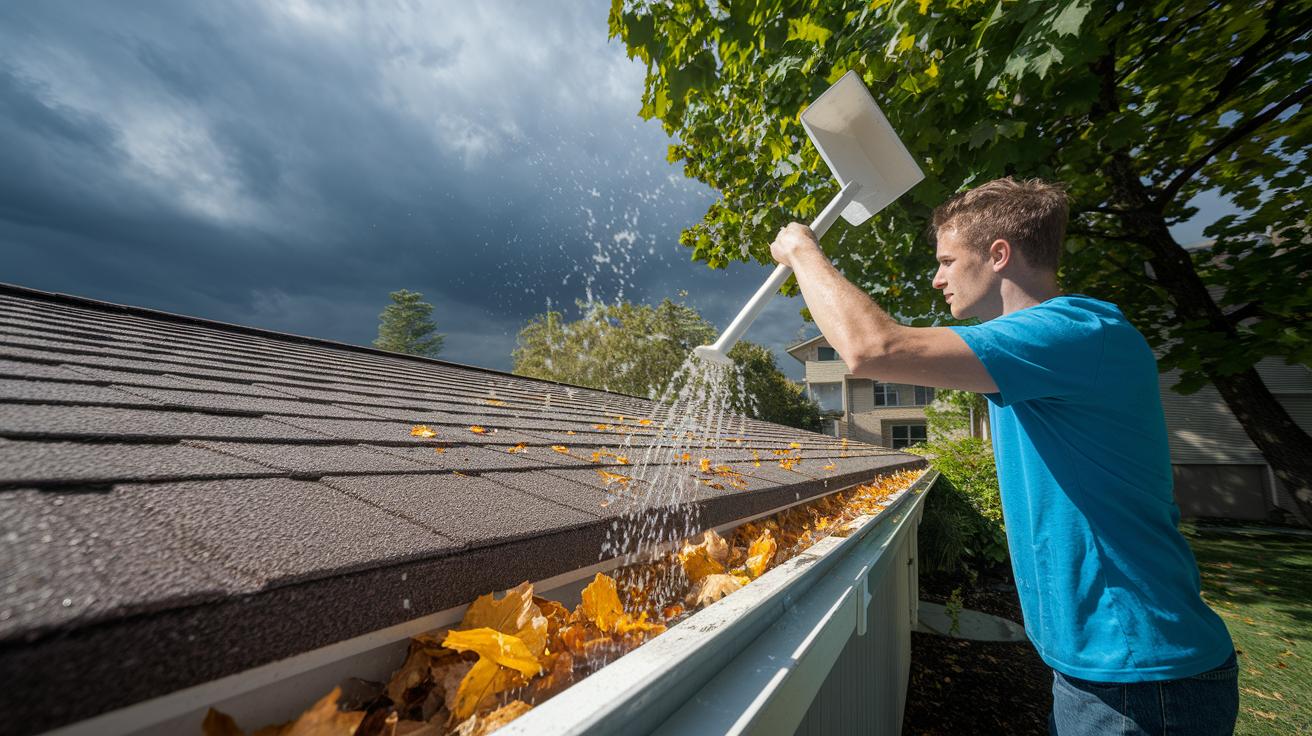
Start by removing debris like leaves, twigs, and nesting materials. You can do this by hand or with a gutter scoop (a small tool for clearing gutters). For instance, one homeowner used a gutter scoop to clear a thick layer of leaves before a big storm.
Next, flush each gutter using a garden hose. This clears small clogs and loosens stubborn dirt so water flows freely. This free flow helps prevent water from backing up and potentially damaging your foundation or siding.
Then, inspect your gutter spikes. Use a 2-ft (24 in / 61 cm) piece of angle iron and a heavy metal chain link to straighten any bent hangers. Tighten them well to keep your gutters securely in place during heavy rain.
Also, make sure your downspouts discharge water at least 3 ft (0.9 m) away from your foundation. This distance helps divert water safely from your home.
Consider installing or cleaning gutter guards to reduce future debris buildup.
- Remove debris by hand or with a gutter scoop
- Flush gutters with a garden hose
- Inspect and secure gutter spikes
- Ensure downspouts discharge water at least 3 ft (0.9 m) away from the foundation
Following these steps will keep your drainage system clear, protect your foundation, and help safeguard your home this fall.
Autumn HVAC Servicing and Heating System Check

Keep your house warm and energy efficient this fall by sticking to a simple HVAC filter replacement routine. Change disposable furnace filters every month or follow the manufacturer’s instructions. Doing this keeps your system’s airflow strong and helps lower your energy bills. One homeowner shared, "Changing filters every month kept my system running quietly all winter."
Next, call a professional for an HVAC tune-up. They will check important parts like burners, heat exchangers (parts that transfer heat), and blower motors. This inspection can spot problems early and stop costly repairs down the road. A pro tune-up not only makes sure your system works well but also helps it last longer.
Then, bleed your hot-water radiators. Open the valve with a radiator key or a flat screwdriver to let any trapped air out. If any steam vents have been painted over, clear them with a small wire or needle. These steps keep your heat output steady all day.
Finally, adjust your thermostat for the season. Reprogram it to match your current schedule. A programmable thermostat saves energy and makes sure your heating system gives off efficient warmth throughout fall and winter.
Seasonal Window Sealing and Insulation Review for Fall

Start by checking all window frames and sills for any cracks or gaps where cold air can slip in. Clean the glass and tracks well to get rid of dirt that might weaken the seal. Then apply high-quality latex caulk and weatherstripping around the frames. Use a steady hand when caulking along the sills to block drafts, much like sealing a jar to keep its contents fresh.
Bring acrylic and latex sealants indoors before cold weather hits because they work best when stored at room temperature. Check the insulation in your attic (aim for R-38), around the rim joists (the boards framing windows and doors), and in your crawl spaces. Poor insulation in these areas can raise your heating bills. If you notice drafts, consider using blown-in insulation or foam board to improve energy efficiency.
Regularly sealing your windows each season keeps your home cozy. It helps cut down on energy loss during fall and winter and makes your indoor space more comfortable while lowering your heating costs.
Fall Chimney Cleaning and Home Safety Assessment
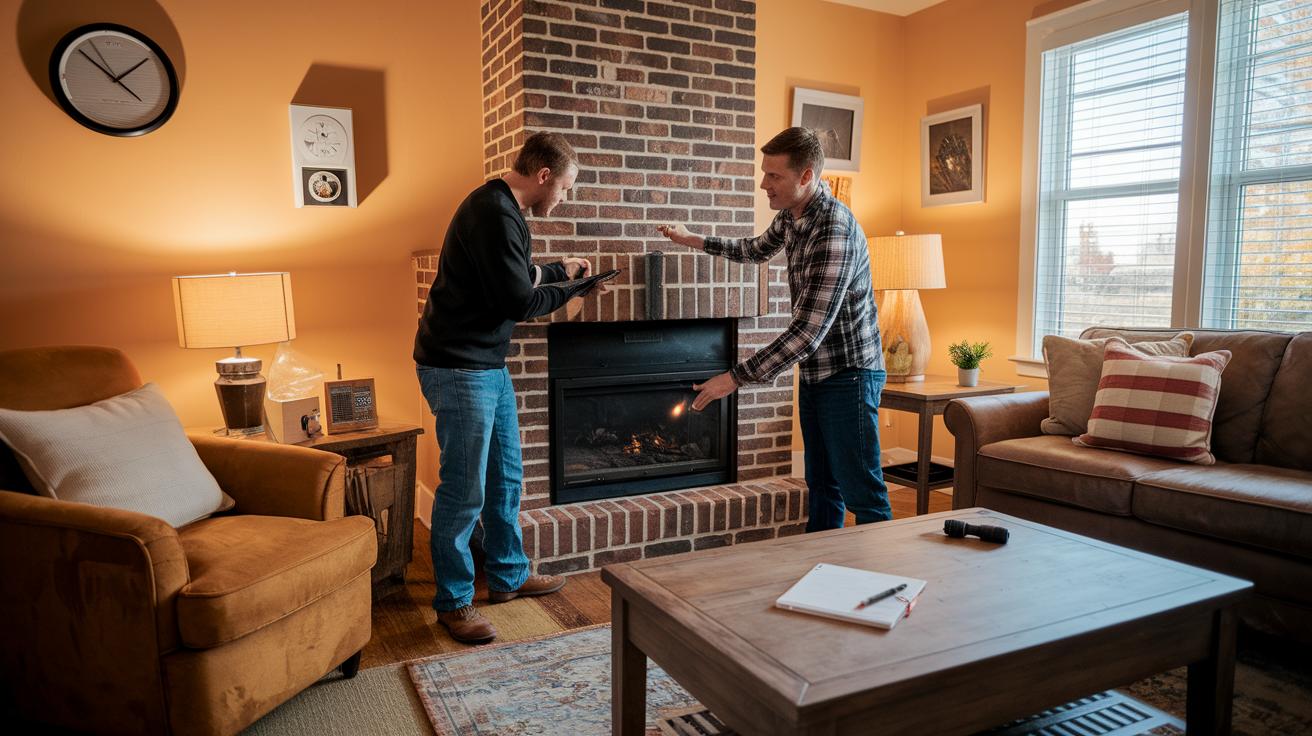
Keep your home warm and safe this fall by giving your chimney and overall safety a good check-up. You can hire a chimney sweep (usually costing between $225 and $400) or inspect the flue (chimney liner that channels smoke) and firebox yourself. Clean your chimney after about 50 burns when using green wood or 70 burns with seasoned hardwood. One homeowner shared that regular cleaning helped control creosote buildup.
Next, perform a simple safety audit by following these steps:
- Test your smoke and carbon monoxide detectors and replace batteries if needed.
- Check your fire extinguishers to ensure they have proper pressure.
- Make sure your home fans are working correctly.
- Review your escape plan and restock emergency supplies like flashlights, blankets, and first-aid kits.
These steps not only prep your chimney for colder days, they also boost your home's readiness for winter emergencies and potential fire hazards.
Fall Home Maintenance Checklist: Embrace a Cozy Season
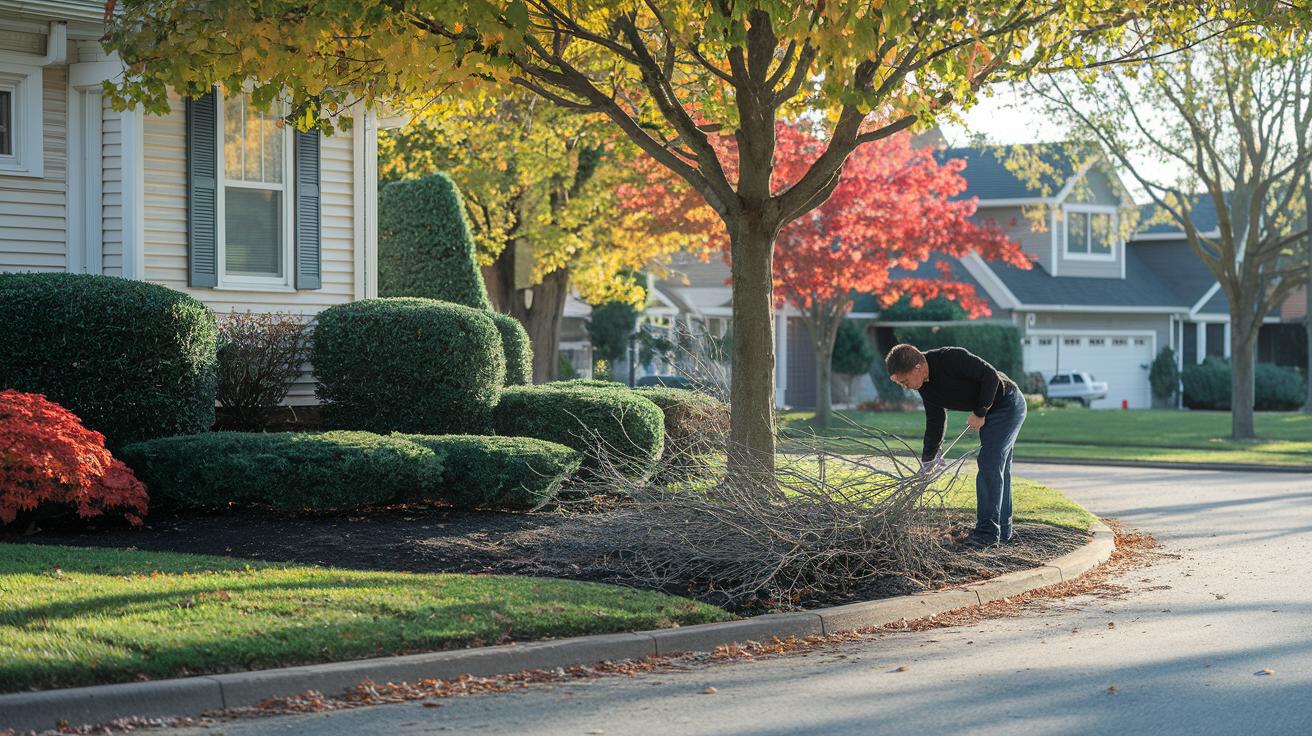
Start by checking your yard for winter readiness. Remove dead shrubs, trees, and fallen branches to boost curb appeal and keep your home safe. Clear away debris to prevent pests and create room for fresh growth, just like clearing clutter from your house.
Next, trim and transplant crowded or overgrown shrubs. Moving them early in the fall reduces shock and gives roots time to settle before cold weather hits. This step quickly improves your garden’s look and overall health.
It’s time to feed your lawn, too. Fertilize with a 4-1-2 mix about three weeks before your final mow. This blend gives essential nutrients to help your grass survive the cold (and wake up green in the spring).
Give your soil some love by aerating your lawn. Aeration boosts root oxygenation, much like fluffing a mattress for a better night’s sleep.
Before storing your yard tools, service your cordless equipment by charging the batteries and cleaning the blades. Drain garden hoses and irrigation lines to avoid freeze damage.
Finally, refresh outdoor surfaces such as decks and stairs when the temperature stays above 50 °F (10 °C). This timely upkeep will keep your outdoor space safe and inviting all fall long.
Pre-Winter Preparation: Appliance, Plumbing, and Energy Efficiency Checks
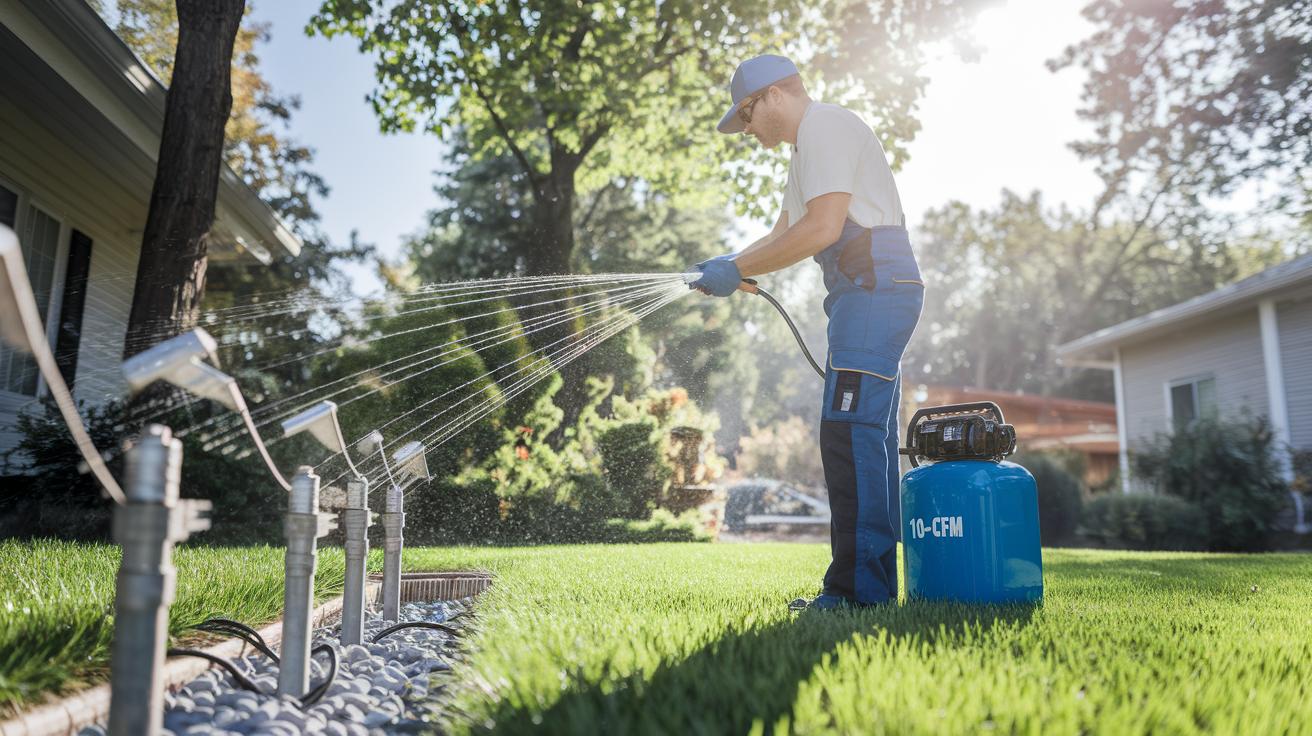
Get your home ready for freezing weather by checking key systems. Begin with outdoor faucets and sprinkler systems. Use a 10-cfm compressor set at 50–80 psi (3.4–5.5 bar) to blow out each zone so water won't freeze in the lines.
Next, prep your gas grill. Clean the burners and disconnect the tanks to help avoid damage during storage.
Check your water heater for leaks and sediment buildup. Sediment reduces heating efficiency and can drive up energy costs. Also, inspect your plumbing for dripping faucets or gaps in pipe insulation. Fix any leaks now to prevent costly repairs later.
Do a quick home energy audit. Seal electrical outlets on exterior walls to keep out cold drafts. Set your water heater to 120°F (49°C) for safe, efficient operation. Finally, replace HVAC filters to boost airflow and maintain steady performance all winter.
| Step | Action |
|---|---|
| 1 | Winterize outdoor faucets and sprinkler systems |
| 2 | Clean gas grill burners and disconnect the tanks |
| 3 | Check water heater for leaks and sediment buildup |
| 4 | Inspect plumbing for dripping faucets and insulation gaps |
| 5 | Seal exterior outlets, set water heater to 120°F (49°C), and replace HVAC filters |
Fall Maintenance Checklist Printable and Planner
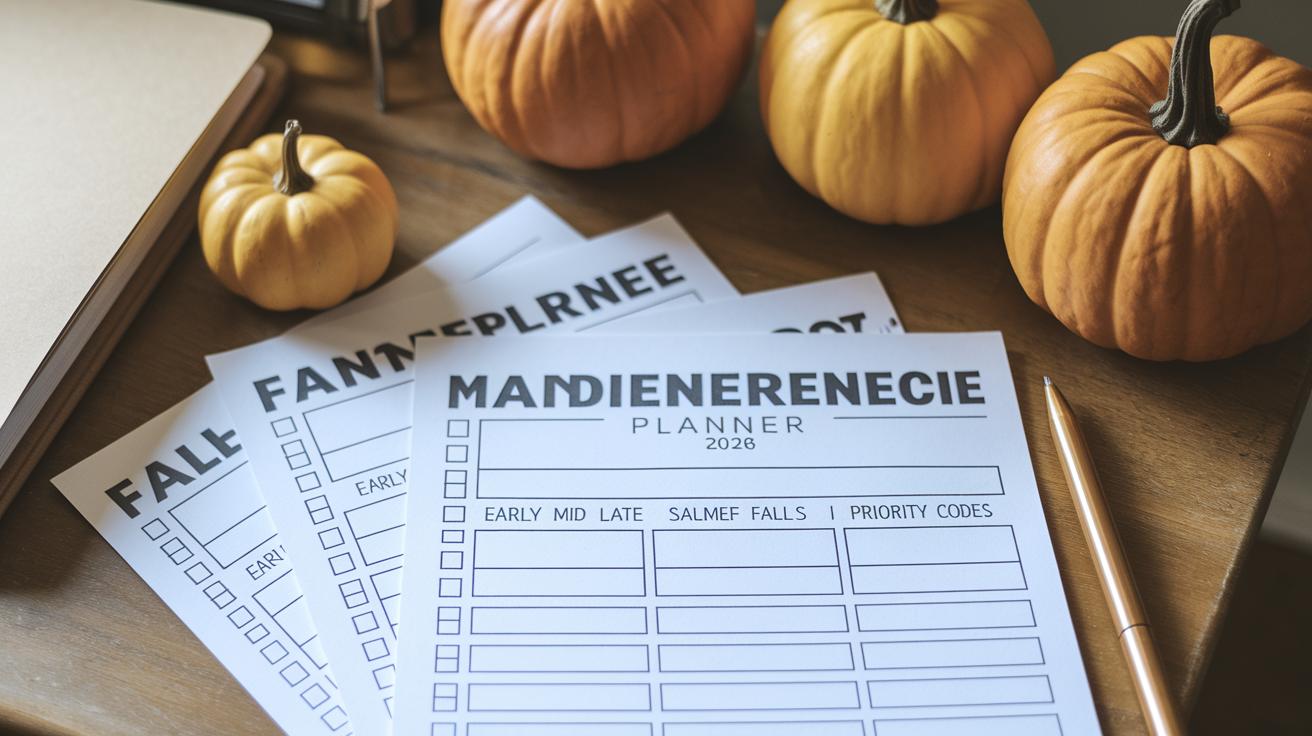
Make fall home maintenance simple with our ready-to-use printable planner. The planner sorts tasks into early, mid, and late fall weeks so you know what to do when. It comes as a PDF or spreadsheet with checkboxes for routine jobs like checking the roof, cleaning gutters, servicing heating systems, sealing windows, cleaning the chimney, caring for the yard, and inspecting internal systems.
Each section uses clear priority codes, high, medium, or low, to help you tackle the most urgent tasks first. You also get space to jot down notes on any professional help needed and follow-up dates. Set reminders on your digital calendar or smartphone to stay on track and never miss a task.
Following this organized system keeps your home in top shape. It also helps you spot issues before they turn into expensive repairs. Download your planner now, organize your maintenance tasks, and keep your home cozy and ready for winter. For more details, check out our monthly home maintenance checklist at our website.
Final Words
In the action of tackling your fall tasks, you’ve reviewed everything from roof inspections and gutter cleaning to HVAC servicing and window sealing. You learned how to safeguard both safety and savings with timely chimney cleaning, yard upkeep, and appliance checks. This guide serves as your fall home maintenance checklist to keep your home secure and energy efficient throughout winter. With these clear steps, you're set to keep your project on track, ensuring a warm and stress-free season ahead.
FAQ
Q: What is a free fall home maintenance checklist?
A: A free fall home maintenance checklist is a guide that outlines essential autumn repairs and inspections, such as roof checks, gutter cleaning, HVAC servicing, and window sealing to prepare your home for winter.
Q: Where can I download a fall home maintenance checklist PDF?
A: You can download a fall home maintenance checklist PDF from home improvement sites offering annual checklists, which list tasks like gutter cleaning, roof repair, and system inspections for autumn safety.
Q: What key tasks are covered on a typical fall maintenance checklist?
A: A typical fall maintenance checklist covers key tasks such as roof inspections, gutter cleaning, HVAC servicing, window sealing with caulk and weatherstripping, chimney cleaning, and yard maintenance to prepare for winter.
Q: How does a winter home maintenance checklist differ from a fall checklist?
A: A winter home maintenance checklist focuses on preventing freezing damage and boosting heating efficiency, while a fall checklist targets inspections and repairs needed to safely transition into colder weather.
Q: What is a 52-week home maintenance checklist?
A: A 52-week home maintenance checklist divides all essential home upkeep tasks throughout the year, ensuring seasonal repairs—from fall to spring—are regularly addressed to prevent costly issues.
Q: What does a November home maintenance checklist include?
A: A November home maintenance checklist includes last-minute fall tasks like sealing windows, testing HVAC systems, cleaning gutters, and checking chimneys to secure your home against cold weather.
Q: How does a spring home maintenance checklist differ from a seasonal checklist?
A: A spring checklist focuses on post-winter recovery—cleaning exteriors, inspecting roofs, and preparing lawns—while a seasonal checklist covers targeted tasks for each period, ensuring year-round home care.