

Have you ever skipped a quick safety check and wondered what might happen? Missing just one step can lead to serious risks. In the U.S., there are nearly 100,000 forklift accidents each year. A single oversight can result in costly damage or injury. That is why a one-page checklist is so useful, it catches worn parts, leaks, and faulty controls before they become hazards. This post shares 7 practical forklift safety checklist tips to help you run daily operations safely and efficiently. Follow these steps to protect your workers and keep your worksite running smoothly.
Comprehensive Forklift Safety Checklist Overview: Pre-Shift to Post-Shift
Using a single checklist makes forklift safety simple and helps keep worksites safe. Forklifts are involved in nearly 100,000 accidents each year in the U.S., so catching problems early can prevent expensive repairs and injuries. A proper pre-shift check looks for damage, leaks, and wear while also checking fluid levels and controls. OSHA requires this process (29 CFR 1910.178(q)(7)), and following it keeps everything running smoothly and safely from the start.
A one-page checklist that covers everything from the pre-operation review to the end-of-shift check helps ensure nothing is missed. It combines visual inspections with checks on how the machine operates and the state of its work environment. By quickly verifying that controls, safety features, and key systems work properly, operators can help prevent accidents and avoid unexpected downtime. Regular use of this easy-to-follow checklist also lets supervisors spot recurring issues for timely maintenance and compliance with regulations.
| Stage | Checklist Items |
|---|---|
| Pre-Operation Visual | Damage, leaks, and wear inspection |
| Fluid Levels | Engine oil, coolant, and hydraulic fluid check |
| Controls & Gauges | Steering, brakes, and instrument accuracy |
| Safety Features | Seat belts, horns, and alarms testing |
| Operational Testing | Lift, tilt, and load-handling performance |
| Work Area Hazards | Surface condition and environmental risks |
| Documentation | Record findings in inspection log |
Including this checklist in every shift routine is a smart move. Assign someone clear responsibility for filling out the daily log. Keeping an updated record helps supervisors track performance, be ready for audits, and ensure each forklift stays reliable and safe.
Visual Inspection in the Forklift Safety Checklist

Before you start the engine, take a close look over your forklift. A quick pre-start check helps spot wear, leaks, or misalignment in key parts. This simple step follows safety rules and cuts down on unexpected breakdowns and repair costs. A brief but detailed look keeps your forklift ready and safe on the job.
- Check the frame, overhead guard, and counterweight for any damage.
- Inspect the forks, carriage, and load backrest for issues.
- Look over the tires for cuts, gouges, worn tread, and proper inflation.
- Examine hydraulic hoses, fittings, and cylinders for leaks.
- Verify that mast chains and rollers are in good shape and properly lubricated.
- Measure fluid levels (engine oil, coolant, and hydraulic fluid) for correctness.
- For electric forklifts, check that battery terminals, straps, caps, and cables are secure.
- Test the horn, lights, seat belt, and backup alarm to ensure they work.
Record your findings in the daily forklift inspection log so repairs or adjustments can be made before you operate the machine.
Operational Performance Checks in a Forklift Safety Checklist
After starting up, give the forklift a run to uncover any hidden issues that a quick look might miss. Testing while it moves helps you spot problems like sticking brakes or uneven lifts that might not show up when the machine stands still.
Here’s what to test:
- Steering and braking: Make sure the forklift turns quickly and that the brakes work smoothly.
- Lift, tilt, and hydraulic controls: Check that the lift moves evenly, the tilt responds fast, and any extra hydraulic functions work under load.
- Gauges and warning lights: Verify that fuel or charge gauges show correct readings and that warning lights activate properly.
- Load-handling: Try moving a small load at a low height to see if the forklift remains stable and moves as expected.
These checks help prevent downtime and catch small issues before they lead to bigger problems. Always log any odd behavior in your maintenance records so your team can follow up fast.
Forklift Safety Checklist for Worksite and Environmental Hazards
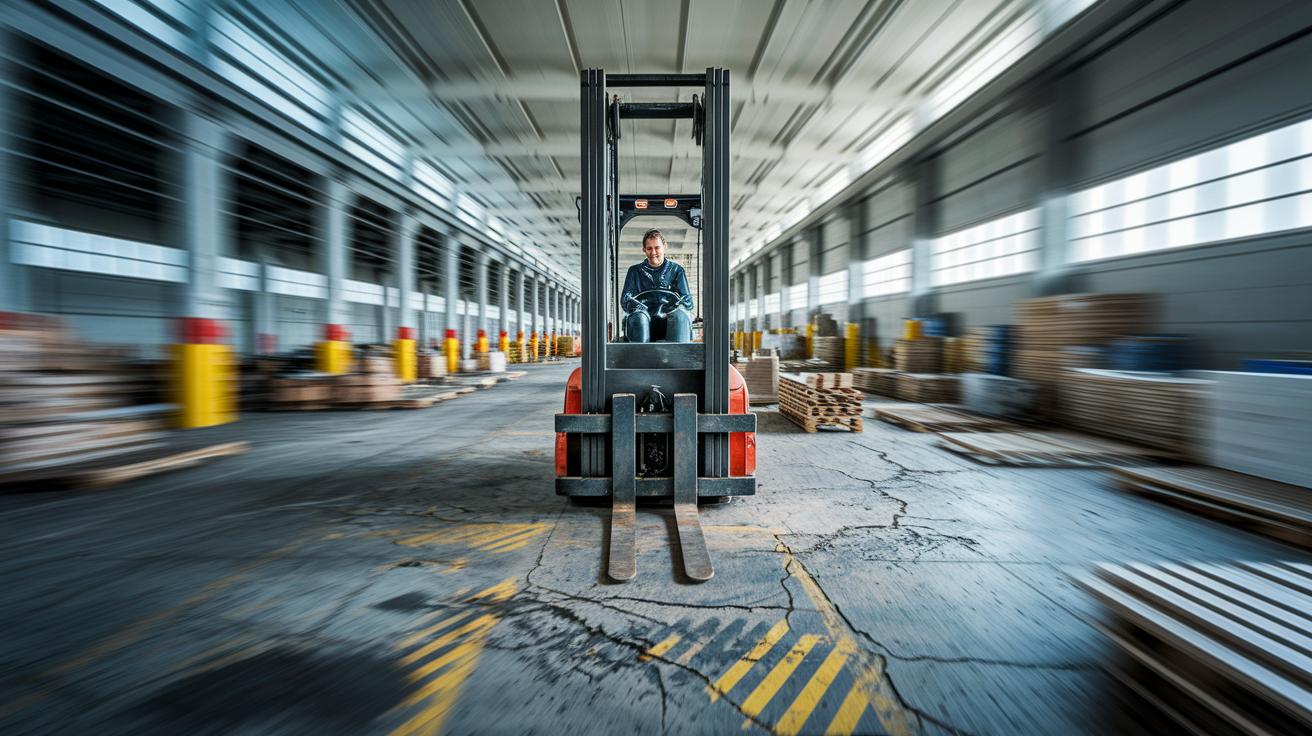
A safe work area is key to keeping forklifts running smoothly. Uneven floors, low light, or crowded aisles can turn minor issues into real hazards. Poor surfaces or hidden obstacles might cause collisions or tip-overs that put both operators and other workers at risk.
When you inspect your work area, look for these issues:
- Surface debris, spills, and floor cracks
- Rack strength and load balance
- Good visibility and clear signage (check construction site safety guidelines at https://neull.com?p=115)
- Unblocked walkways and sturdy barriers
Talk with the site safety manager regularly to fix any problems fast and keep things safe for everyone.
OSHA Forklift Safety Checklist: Regulatory Guidelines and Documentation
OSHA’s 1910.178 rules set clear safety steps for forklift operators and their managers. Each operator must be trained and certified under the Powered Industrial Truck Operator standard and get refresher training every three years. Daily pre-shift checks are required, and you must keep records that show these checks were done. This not only protects workers but also helps you avoid expensive fines during audits.
Key points to remember:
- Operator training records: Keep paperwork for initial training, skill checks, and every refresher course.
- Inspection logs: Write down your daily pre-shift checks, post-repair reviews, and periodic inspection details like fluid levels and function tests.
- Maintenance certificates: Save records that show all scheduled and unscheduled repairs, including annual service certificates, to prove the forklift is in top shape.
Organizing your documents is as important as doing the inspections. File records in a clear order that’s easy to find for internal reviews or audits. Use a dedicated binder or a digital system with labels for the date, operator name, and type of inspection. This method not only keeps you audit-ready but also highlights if extra training or preventive maintenance is needed.
By making these steps part of your everyday work, you keep your operations in line with OSHA standards and protect both your team and your equipment.
Forklift Maintenance Safety Checklist: Scheduled and Unscheduled Inspections
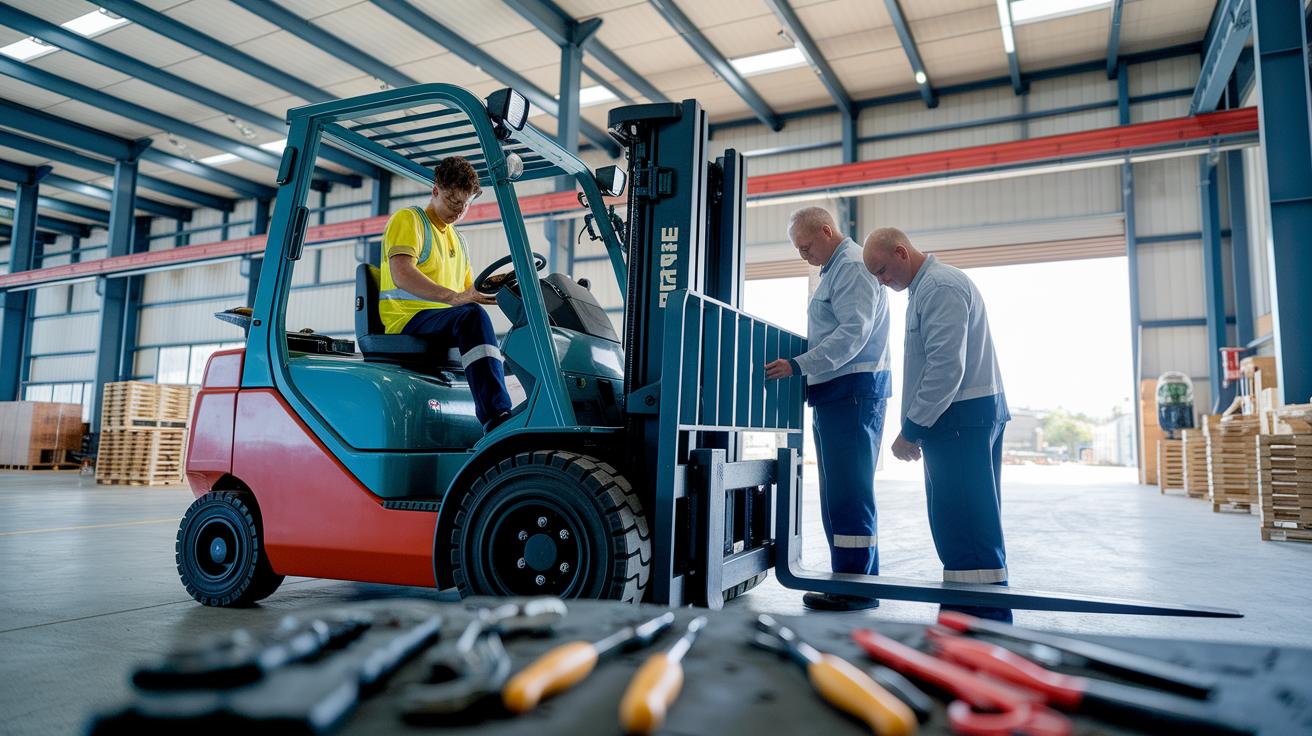
Staying on top of your forklift’s upkeep is key to safe and long-lasting operation. Catching early signs of wear can save you from bigger repairs later. Treat your maintenance checklist as your first defense against unexpected downtime. Regular checks not only keep your crew safe but also ensure the forklift runs smoothly, even on a busy worksite.
Daily inspections set the standard for reliability. Lubricate moving parts every week to cut down on wear. Do a more detailed check each month to catch issues that aren’t obvious day to day. Then, once a year, perform a full overhaul to spot any performance problems and replace parts before they fail. Mixing these checks creates a strong maintenance routine that keeps your forklift safe and dependable.
When unscheduled repairs pop up, note each one immediately. Write down the date, a clear description of the problem, and what you did to fix it. This record will help you spot recurring issues and make future audits a breeze. Whether you prefer a mobile app or a paper log, adding these records to your maintenance checklist makes it easier to track trends and keep your fleet in top condition.
Forklift Safety Checklist Tools: Printable vs Digital Solutions
Choosing the right checklist tool makes safety checks easier and keeps your records in order. Paper checklists are simple and cost-effective, while digital forms let you store data instantly and manage incidents on the fly. Each option has points that suit different work settings.
- Paper checklists are quick to set up and low cost.
- Digital inspection forms offer instant data storage and keep all records in one place.
- Paper forms are reliable on-site when tech might fail.
- Digital tools allow fast updates, mobile access, and smart features like AI-powered pedestrian detection (a system that uses cameras to spot people automatically).
- Paper checklists work best in spots with limited internet.
- Digital solutions boost incident tracking and control who sees the data for better accountability.
Think about your facility size, budget, and data needs when choosing a solution. Smaller teams with less tech might lean toward paper, while larger operations can cut down reporting time with digital forms. Choose the tool that fits your work style to keep forklift operations smooth, safe, and compliant.
Forklift Safety Checklist: Operator Training and Recordkeeping

Forklift operators need a blend of classroom learning, hands-on practice, and performance tests. Their training meets OSHA standards and covers safe operation, proper load handling, and simple upkeep. They work through classroom lessons followed by on-site, real-world practice. Operators take both practical and written tests, and refresher courses are held every three years to keep their skills sharp.
It’s important to have a clear training checklist and readiness form. This form should list topics to cover, criteria for evaluation, and planned refresher sessions. Record key details such as the date of training, the evaluator’s name, and the scores from assessments. A formal operating procedure will assign who is responsible for training, testing, and recordkeeping. A good checklist makes it easy to review operator readiness and track improvements over time.
Keep all certificates and performance records in a secure, organized system to support compliance checks and ensure your team remains ready. Proper recordkeeping is key to showing that training meets all regulatory standards. Update training logs daily to track progress and quickly fix any gaps.
Final Words
In the action, this guide walked through every part of your forklift safety checklist, from pre-shift checks and operational tests to worksite hazard reviews and regulation documentation. It stressed practical steps like daily visual inspections and accurate recordkeeping, along with the benefits of both printable and digital tools. We wrapped up with training essentials, ensuring operators stay ready and compliant. Follow these steps to keep your workspace safe, efficient, and ready for any challenge.
FAQ
Frequently Asked Questions
What forklift safety checklist templates are available?
The forklift safety checklist templates come in several formats, including PDF, Excel, and Word, allowing you to choose a printable, editable, or digital option based on your operational needs and facility size.
What should be included in a forklift safety checklist?
A forklift safety checklist should include pre-operation visual inspections, operational performance tests, worksite hazard evaluations, maintenance records, and OSHA-required documentation, ensuring consistent safety and compliance.
What are five essential safety rules for operating a forklift?
Essential safety rules include conducting pre-shift inspections, wearing proper PPE, controlling speed, maintaining stable loads, and following designated traffic routes within the worksite to reduce accidents.
Does OSHA require a forklift safety checklist?
OSHA mandates daily pre-shift inspections documented under 29 CFR 1910.178(q)(7), meaning that every forklift must have a comprehensive and tailored safety checklist to maintain regulatory compliance.
What are seven hazards to look for in a forklift operating area?
Common hazards include surface debris, floor cracks, poor lighting, overhead obstructions, uneven ramps, unstable loads, and high pedestrian traffic areas, all of which can compromise safe forklift operations.