

Ever wonder if your home is hiding expensive surprises? Regular upkeep stops leaks, wildfires, and surprise repairs. Check off simple tasks like making sure your roof is strong, your gutters (rainwater channels) are clear, and your safety devices are working. This checklist walks you through each step to keep your home cared for all year. By taking a few basic actions now, you'll protect your house and your wallet, ensuring peace of mind every season.
Comprehensive Home Maintenance Checklist for Year-Round Upkeep

- Inspect your roof for damaged shingles and moss. Look over each shingle carefully. If you see cracked, missing, or mossy spots, fix or replace them to prevent leaks.
- Clean your gutters and downspouts. Remove leaves, twigs, and any debris to keep water flowing freely away from your home. This helps avoid damage to your foundation or basement flooding.
- Check your house siding and trim. Look closely at seals and paint. Small cracks or peeling paint today can lead to water damage later, so repair them while they’re minor.
- Trim nearby tree branches. Cut off any limbs that come closer than 10 ft (3 m) to your house. This reduces the risk of storm damage or wildfires. A loose branch after a heavy storm could scratch your siding and let in moisture.
- Replace batteries and test your smoke and carbon monoxide detectors. These devices are essential for your safety and can alert you to problems before they escalate.
- Drain your water heater to remove sediment from the tank. Flushing out the buildup helps keep the heater running efficiently and prevents wearing it out sooner than expected.
- Clean your dryer vent by removing lint buildup. This simple step reduces the risk of a fire and should be done more often than every two years.
- Vacuum the refrigerator coils and change the water filters. These actions help your appliances run smoothly and improve energy efficiency.
- Inspect your plumbing lines for leaks and clogs. Even a small drip can lead to water damage and high repair costs if left unchecked.
- Check your electrical panels and outlets. Ensuring they work safely can help prevent electrical mishaps.
- Service your HVAC filters and clean the condenser coils on a regular schedule. This maintains good air flow and energy efficiency.
- Monitor your home’s foundation. Keep an eye out for any cracks or signs of water intrusion that might need repair.
Following these steps keeps your home safe and avoids unexpected, costly repairs all year long.
Spring Home Maintenance Checklist Tasks: Enjoy a Thriving Home

Start your spring projects with five key tasks. First, recaulk your windows and add new weather-stripping to exterior doors. Old caulk lets air in and raises your energy bills, so sealing gaps now saves you money.
Next, check your home's outside for winter damage. Look closely at cracked siding, peeling paint, or foundation cracks. A quick inspection now can prevent bigger repair costs later.
Then, clean out your gutters and downspouts. Remove leaves, twigs, and any ice left behind so water can flow freely. This keeps water from pooling at your foundation and causing issues.
After that, service your air-conditioning unit. Replace the filters and clean the condenser coils (the part that helps release heat). This simple step makes your AC run more efficiently as temperatures rise.
Finally, test and lubricate any sticky door locks with graphite lubricant. If a lock sticks, a quick treatment can help it turn smoothly.
Deep-clean your window screens and glass to boost light and airflow. A clear view not only brightens your room but also shows you if more cleaning is needed.
- Recaulk windows and add weather-stripping
- Inspect the exterior for winter damage
- Clean gutters and downspouts
- Service the air-conditioning unit
- Test and lubricate door locks
Enjoy these focused tasks and watch your home thrive this spring.
Summer Home Maintenance Checklist Guide
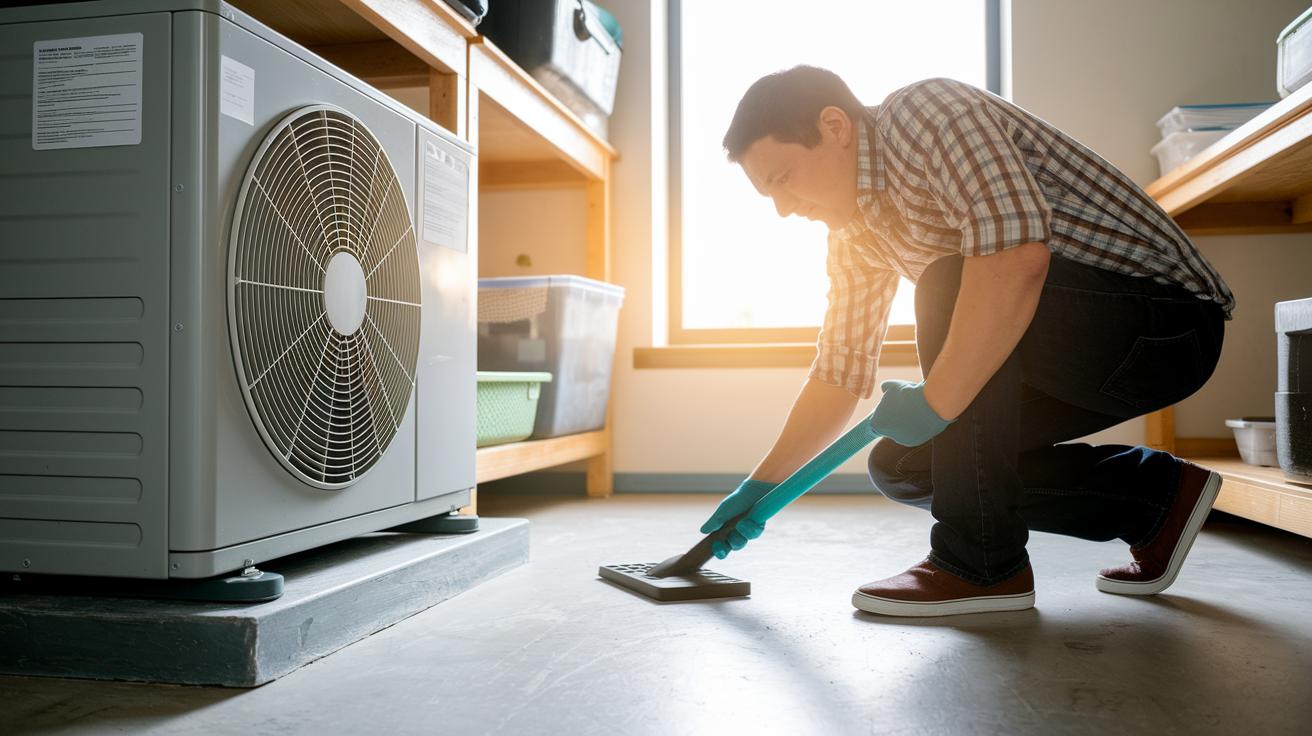
Start by cleaning and replacing your HVAC filters every month to keep air flowing properly. Vacuum the condenser coils too; these metal fins help release heat. For example, after you change the filters, spend about 10 minutes vacuuming the coils to clear off dust.
Next, vacuum your refrigerator coils every three months and swap out your water dispenser filters every six months. This simple routine helps prevent strain and keeps your fridge running efficiently.
Keep an eye on your drains and garbage disposal. Avoid pouring grease, coffee grounds, or fibrous foods down the drain to stop clogs and backups.
Before peak watering season, check your outdoor faucets and irrigation systems. Look for leaks or rust and repair them to ensure your system runs well and conserves water.
Lastly, inspect your dryer vent and hose for lint buildup. Cleaning these parts thoroughly reduces fire hazards, a task many homeowners overlook.
- Clean and replace HVAC filters monthly
- Vacuum refrigerator coils quarterly
- Monitor drains and garbage disposal
- Inspect outdoor faucets and irrigation systems
- Check and clean dryer vent and hose
Fall Home Maintenance Checklist Steps
-
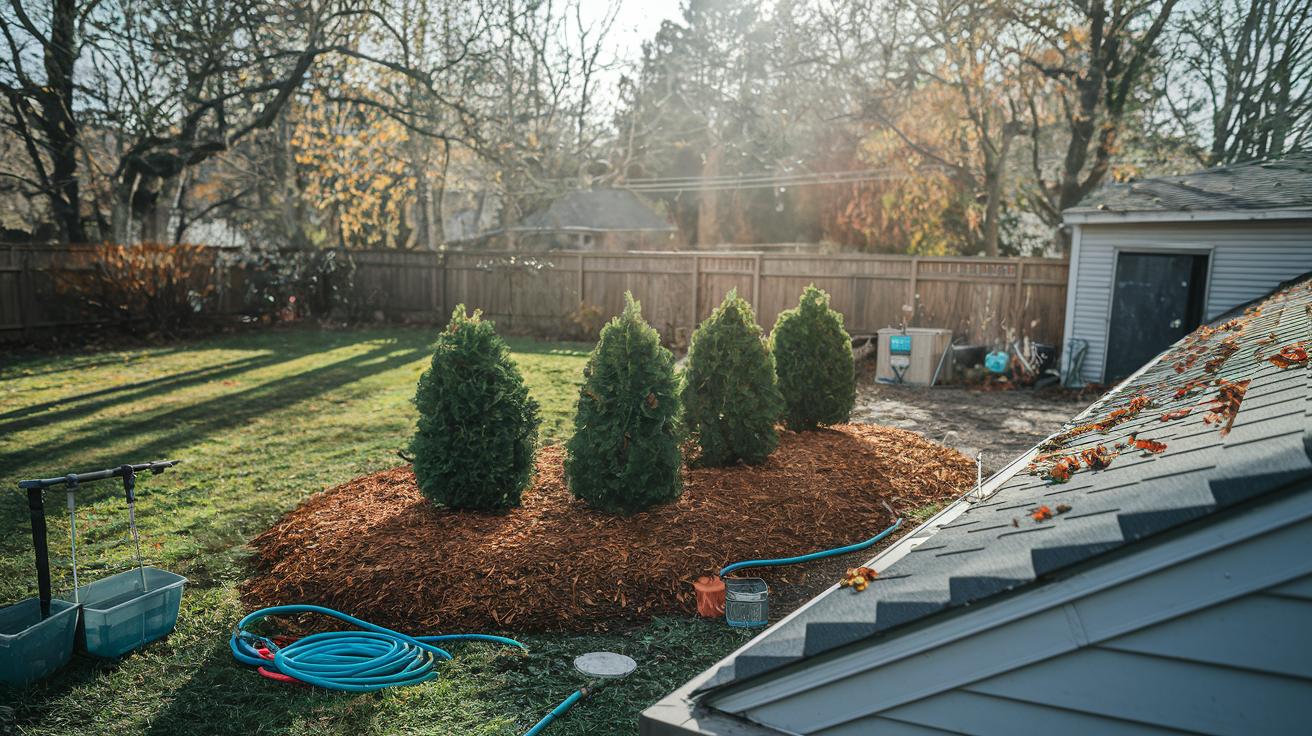
Prepare your yard for winter. Clear out garden beds, spread mulch around shrubs, and cover any delicate plants. For example, lay down a 2 in (5 cm) layer of mulch around your shrubs to keep the roots warm during early winter chills.
-
Prevent ice dams by managing leaves right away. Remove leaves from roof edges, walkways, and driveways so water flows freely. For example, sweep leaves off your roof eaves to help melting snow drain off easily without forming ice dams.
-
Winterize your outdoor features. Unhook and store garden hoses, drain your irrigation system, and secure outdoor furniture. For example, drain your sprinkler system and cover any patio furniture to protect them from freezing temperatures.
-
Service your furnace for safe, efficient heating. Replace the air filter and check the thermostat to ensure it’s set correctly before the deep cold hits. For example, swap out the furnace filter and verify that your thermostat is calibrated to improve performance.
Winter Home Maintenance Checklist Plan

Test your smoke and carbon monoxide detectors if they are over 10 years old. Change their batteries every 6 months (roughly half a year) to keep them working properly. If you notice an older detector, mark your calendar to replace it soon.
Drain your water heater to clear out sediment buildup, which can reduce its lifespan by about 20%. Spending a few minutes to flush the heater now can help avoid costly repairs later.
Inspect any pipes in unheated areas like basements or crawl spaces. Cover them with foam insulation sleeves and use tape to secure the insulation. This step protects the pipes from freezing and bursting during very cold weather.
Check your washer and dryer hoses for any signs of wear, cracks, or damage. Replace braided stainless steel hoses every 5 years to prevent leaks during winter storms.
Attic Insulation Assessment
Review the insulation in your attic and look for any air leaks. Add insulation to reach at least an R-49 rating (which is recommended in many climates). For a step-by-step guide on how to upgrade your attic insulation, visit our attic insulation installation page. This work not only lowers heating costs but also improves your home's overall energy efficiency.
Printable Home Maintenance Checklist Tools

Downloadable PDF checklists help you plan your home maintenance by month and season. They give you a clear timeline so you know exactly what needs doing. For example, a monthly checklist might include tasks such as changing HVAC filters, cleaning gutters, and checking plumbing to stop small issues from becoming big repairs.
Free planner templates in Excel or PDF format are also a great option. They let you mark off completed tasks and note important dates. You can even add details like expenses and contractor contacts. Try starting with a simple Excel sheet that tracks each month’s jobs and costs.
There are also mobile apps and digital organizers that send push-notification alerts for routine tasks like inspections and filter changes. You can print a blank maintenance calendar and customize it with your contractor info and cost estimates.
Mixing printable tools with digital reminders makes it easier to keep on top of your home care schedule. These tools work together to help your home stay safe, efficient, and in tip-top shape.
Budgeting Your Home Maintenance Checklist Tasks
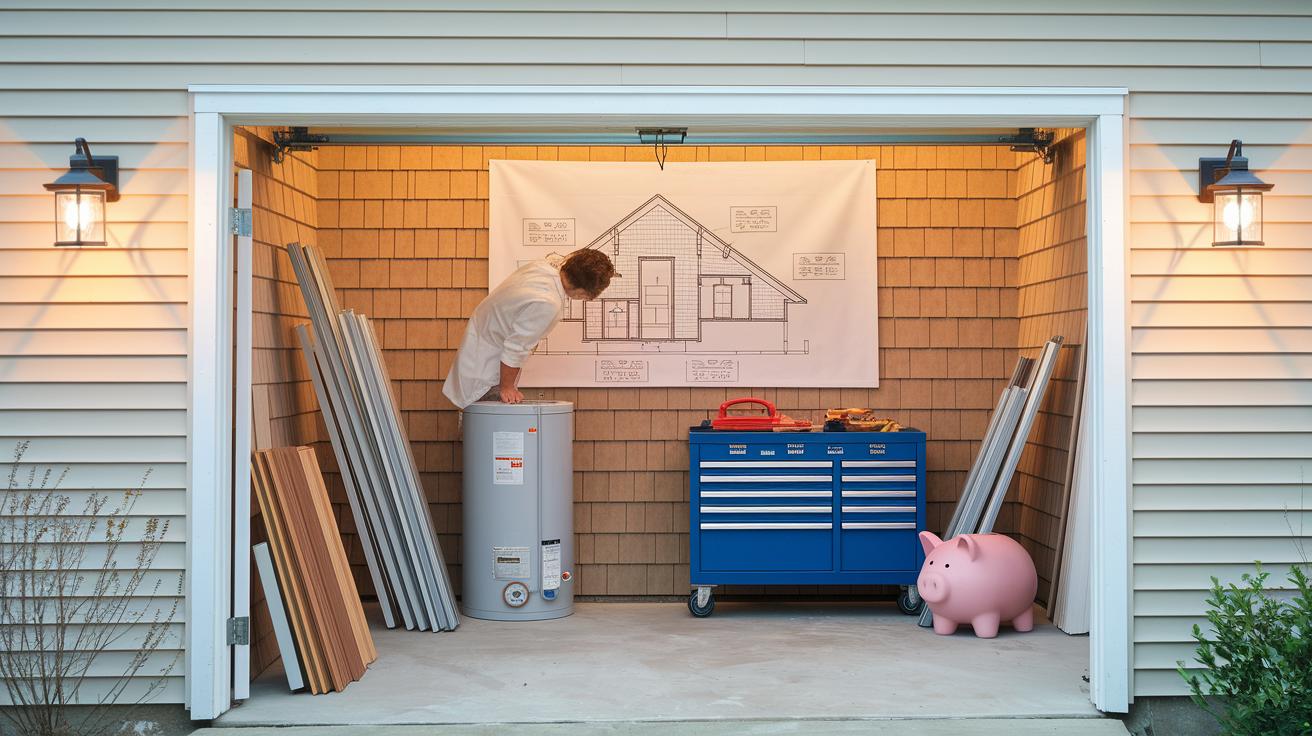
Staying on top of home maintenance helps you avoid surprise costs. Repairs for water damage can cost over $12,000 (approx $12,000+), so it makes sense to plan ahead. Experts suggest saving 1–2% of your home's value each year. For example, if your home is worth $200,000 (approx $200K), set aside about $2,000 to $4,000 annually.
Big jobs like replacing a water heater cost between $1,000 and $1,500. Simple tasks such as draining sediment from your water heater can help prevent these bigger expenses. Focus first on high-risk issues like roof leaks or foundation cracks, then schedule less urgent cosmetic projects later.
Before you start repairs, compare doing the work yourself with hiring a professional. Local labor rates usually run from $50 to $75 per hour. Keep a home service list or repair log to track your spending and guide your maintenance plans for next year.
| Task | Estimated Cost |
|---|---|
| Water damage repairs | $12,000+ |
| Water heater replacement | $1,000–$1,500 |
- Save 1–2% of your home’s value for surprises
- Compare local labor rates before starting major jobs
- Track your expenses in a repair log
Final Words
In the action, this guide walked you through essential seasonal tasks, practical repairs, and smart budgeting strategies. It breaks down roof inspections, HVAC upkeep, and prep work for every season. You also discovered tips on using printable tools and tracking expenses to stay on budget.
All this paired with clear safety checks creates an effective home maintenance checklist. Armed with this plan, managing repairs becomes less daunting and more cost-effective. Keep steady, stay safe, and enjoy the rewards of a well-kept home.
FAQ
What is a home maintenance checklist template, and is it available as a printable or free download?
The home maintenance checklist template serves as an all-in-one guide covering tasks by week, month, or season. It is often available as a printable PDF free download, making tracking and scheduling simple.
How can I use a home maintenance checklist organized by month or season to keep my home in shape?
The home maintenance checklist by month or season organizes tasks such as roof inspections, HVAC maintenance, and gutter cleaning into a clear schedule, helping you maintain safety and extend your home’s lifespan.
What does a home maintenance checklist book include?
The home maintenance checklist book provides detailed task lists, maintenance logs, and budgeting tips to guide you through regular home upkeep, ensuring all repairs and seasonal tasks stay on track.