

Ever wonder if a simple checklist can help you avoid expensive equipment failures? A preventive maintenance checklist is like a reliable map that guides you through key tasks. It shows you how to check motor speeds and safely lock out power panels (turn off circuits to avoid accidental startup), keeping your equipment safe and running smoothly.
Just like Thomas Edison recorded every experiment, this guide lets you catch small issues before they grow into major problems. Ready to boost efficiency and extend your equipment’s life? Read on to see how a clear, step-by-step checklist can make all the difference.
Create a Customizable Preventive Maintenance Checklist Template

A preventive maintenance checklist is a set of clear tasks that guide every work order. It makes sure that essential steps, like locking out power panels and checking machine settings, get done every time. This keeps you from missing key safety steps that might cause equipment to fail. For example, the checklist might say, "Check if the motor runs between 400 and 440 RPM (revolutions per minute)." That tells you exactly what to measure.
These checklists help keep maintenance work consistent and catch small issues before they get costly. By laying out clear tasks, they reduce confusion and ensure all safety and operating rules are followed. Whether you are a DIY enthusiast or part of a maintenance crew, a customizable checklist acts like a digital planner that keeps everyone working together.
There are two main types of checklists. The first is a pass-or-fail checklist, which helps you quickly verify if measurements like a motor's speed fall in the right range, such as ensuring Motor-A runs between 400 and 440 RPM. The second type is a step-by-step checklist, where each task is detailed out, from locking out the main electrical panel to checking machine parts. Both styles help you avoid mistakes by setting clear expectations and laying a solid groundwork for troubleshooting.
Before he became a well-known inventor, Thomas Edison recorded every detail of his experiments to ensure nothing was missed. This careful method not only boosts safety but also extends the life of your equipment.
Outline the Six Essential Components of a Preventive Maintenance Checklist
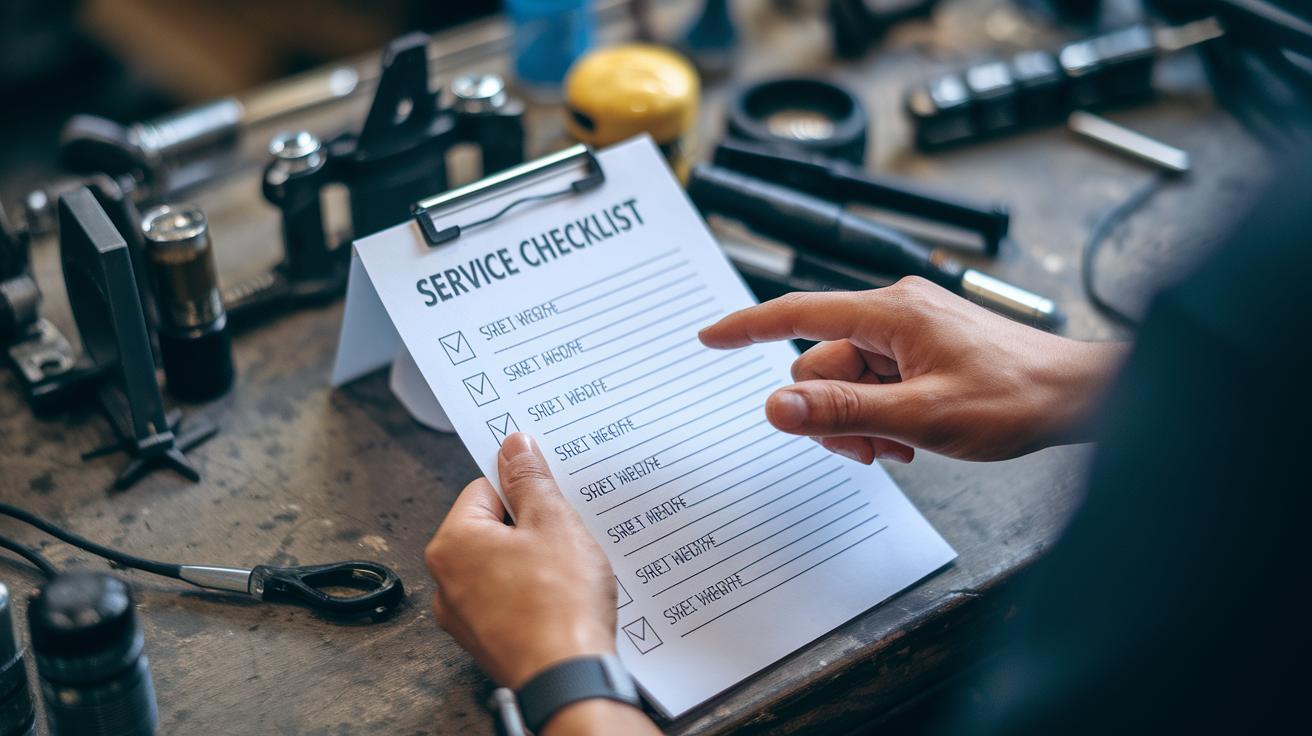
A good checklist gives you a clear plan and a guide to service your equipment. It makes tasks consistent, helps you troubleshoot problems, and can extend your equipment's lifespan. Six key parts make up this checklist. Covering each element, from basic equipment details to full safety checks, lets you spot problems early and avoid costly downtime. Each step is clear and measurable so you can fix issues before they grow. For instance, keeping general equipment details on hand meets standards and simplifies later repairs.
| Component | Description | Example Task |
|---|---|---|
| General equipment information | List basic details such as name, serial number, and location. This helps meet standards like OSHA (safety rules) or HIPAA (privacy rules). | Write down the equipment name and serial number when it is installed. |
| Inspection & routine checks | Do regular checks to spot early signs of wear or damage so the equipment stays in good shape. | Look for cracks, leaks, or unusual wear during a visual inspection. |
| Performance testing | Test key functions to make sure the equipment operates as expected. Compare results to standard baseline values. | Check that a motor runs between 400-440 RPM (revolutions per minute). |
| Cleaning & calibration | Keep the machine clean and calibrated to ensure it stays accurate and lasts longer. | Regularly clean sensors and recalibrate measuring tools. |
| Parts & component replacements | Set up a schedule to replace parts as needed. This prevents unexpected breakdowns. | Change air filters or worn parts every 6 months (approx. 182 days). |
| Safety & compliance checks | Follow all safety rules, such as lock-out/tag-out procedures (methods that stop machines from unexpectedly starting) and checking PPE (personal protective equipment) for proper use. | Ensure electrical panels are locked out before starting maintenance. |
Putting these six parts together creates a strong maintenance plan. Clear records, regular inspections, and solid performance tests work side-by-side to keep equipment running smoothly. When every task is carefully detailed and tracked, you build a service manual that improves safety and efficiency. This organized approach makes daily upkeep easier and supports long-term asset care.
Preventive maintenance checklist: Maximize Equipment Life
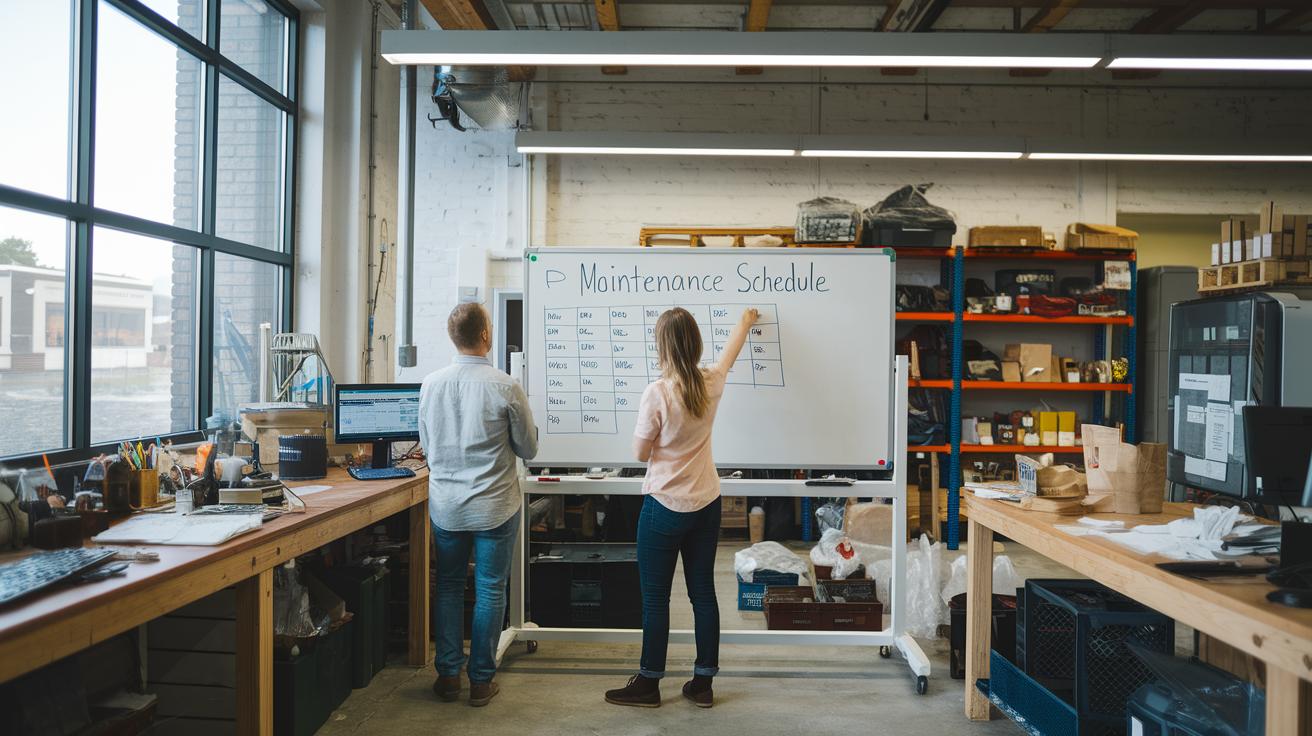
Plan regular inspections and repairs to stop sudden breakdowns and avoid expensive fixes. A clear service schedule keeps your team productive and lets them focus on what matters most. Set fixed intervals for each maintenance task so you can catch problems early. This routine, from daily safety tests to a complete yearly equipment review, ensures your gear stays in top shape. Did you know regular checks can lower unplanned downtime by up to 30%, saving both time and money?
- Daily: Test safety interlock functions.
- Weekly: Lubricate moving parts to ease friction.
- Monthly: Run performance tests to spot early issues.
- Quarterly: Calibrate equipment to keep measurements accurate.
- Annual: Do a full system audit to review overall performance and safety.
Log these checks in a digital audit spreadsheet for real-time tracking. This method keeps your maintenance tasks organized and helps you quickly spot trends before issues get bigger.
Industry-Specific Preventive Maintenance Checklist Examples

If you manage equipment across different fields, you need a maintenance plan that fits each sector’s unique requirements. Tailored checklists help you keep systems safe and running smoothly with tasks like detailed calibration records (tracking precise adjustments) or simple visual inspections.
Manufacturing Maintenance Checklist
Manufacturing plants depend on routine machine checks and precise calibration. Regular calibration and scheduled lubrication keep machines running at a steady pace. By watching performance data, you can spot changes quickly and avoid expensive production stops.
Healthcare Equipment Checklist
In healthcare, checklists focus on strict sterilization logs and exact calibration protocols. Equipment should be calibrated frequently to keep patients safe. Every cleaning and sterilizing step is logged, and regular safety checks protect both patients and staff.
Residential Property Maintenance Checklist
For residential properties, regular tasks include HVAC filter changes, roof and gutter inspections, and general safety checks. Changing filters and cleaning vents prevent air quality issues and water damage. These simple steps help extend equipment life and keep your home safe.
Educational Facility Maintenance Checklist
Schools and universities need regular fire alarm tests and plumbing inspections. Servicing classroom HVAC systems ensures comfort and efficiency, especially during busy periods. Ongoing checks help facility managers catch problems early and maintain a safe learning environment.
Hospitality Systems Maintenance Checklist
In the hospitality industry, guest comfort and system performance go hand in hand. Checklists here include regular refrigeration checks, full HVAC servicing, and preventive cleaning routines. These tasks are key for keeping energy use low and food safe while meeting industry standards.
Selecting Templates and Tools for Your Preventive Maintenance Checklist

PDF checklists are great for a quick print and simple reference, but they don’t update dates automatically. Word templates let you list instructions step by step and change details easily. Still, since you must update them by hand, they can get tricky when the tasks change often. They work fine for small jobs, but may not handle more detailed tracking.
Excel templates stand out when keeping close track of dates and costs. They use built-in date formulas and color cues to flag overdue tasks automatically. This setup keeps your numbers organized and makes it easy to check repair expenses. Use these when you need accurate scheduling for your preventive tasks.
Digital planners and integrated computerized maintenance management systems (CMMS) take things further by sending automatic reminders and confirming that checks are done. With mobile verifications, every step gets tracked in real time, reducing errors and ensuring you stay on schedule. These tools offer extra flexibility and precise record keeping as demands grow.
Best Practices and Safety Guidelines for Preventive Maintenance Checklists

Preventive maintenance checklists work best when everyone pitches in. When maintenance managers, planners, and supervisors come together, they share real-world ideas that help standardize tasks, cut down errors, and keep equipment safe. Writing down each step creates a reliable guide for troubleshooting and helps manage costs and performance.
Assign Clear Roles and Responsibilities
Make sure everyone knows their part. The owner sets the big goals, the supervisor handles daily tasks, and technicians do the hands-on work. Dividing the work like this keeps the checklist clear and stops jobs from being repeated.
Standardize Step-by-Step and Pass-or-Fail Procedures
Stick to a clear process. Use a step-by-step checklist when every detail counts, and use a pass-or-fail list when you need exact measurements. This approach makes sure everyone follows the same steps, lowers mistakes, and speeds up the process.
Incorporate Safety Lock-Out/Tag-Out Protocols
Safety comes first. Use lock-out/tag-out procedures to shut down electrical panels and machines before starting work. Following these steps protects you from accidental startups and meets safety rules.
Leverage Checklist Data for Troubleshooting and Reporting
Write down the results of each task. Over time, this record helps you spot trends and fix recurring problems. With clear data, you can refine your process and plan repairs to keep your equipment in top shape.
Monitor, Review, and Continuously Improve Your Preventive Maintenance Checklist

Keep an eye on key numbers. Use a digital audit spreadsheet to record your checklist completion rate, equipment downtime logs, and failure trends. This helps you see how well your maintenance plan is working. For example, if fewer tasks are finished or downtime increases, it’s a good time to review your steps. Tracking cost savings from fewer breakdowns also shows the checklist’s worth. Remember, many companies miss early warning signs without a proper review system.
Set up a review every three months. In each session, update your tasks, change how often you do them, and make sure you meet compliance checks. Compare your latest numbers with your care schedule and asset reliability goals. Remove steps that no longer add value and add tasks for new challenges. This routine keeps your maintenance plan strong and in tune with your equipment and work environment.
Final Words
In the action of streamlining your project, you've seen how to craft a customizable preventive maintenance checklist that cuts down errors and fines costs.
We covered essential checklist parts, scheduling, template options, and best practice safety guidelines. Each step helps you build a solid framework to avoid unexpected breakdowns and budget overruns.
Keep refining your process and check your list regularly to work smarter, safer, and on time.
FAQ
What is a preventive maintenance checklist template?
A preventive maintenance checklist template outlines step-by-step tasks for routine equipment checks. It minimizes errors and downtime, helping ensure all safety and performance steps are followed.
What is a preventive maintenance checklist PDF and how can I get one?
A preventive maintenance checklist PDF offers a printable, standardized guide to perform regular upkeep tasks. Free downloads let you quickly access and customize a checklist for various equipment needs.
How does an Excel preventive maintenance checklist template help manage maintenance tasks?
An Excel preventive maintenance checklist template streamlines tracking by using automatic date calculations and conditional formatting. It efficiently schedules inspections and reduces the risk of unexpected equipment failures.
What is a preventive maintenance checklist for machines?
A preventive maintenance checklist for machines details routine inspections, performance tests, cleaning, and parts replacement. It ensures machines run efficiently and helps avert costly, unplanned breakdowns.
What is a preventive maintenance checklist for vehicles?
A preventive maintenance checklist for vehicles lists tasks like fluid checks, tire inspections, and regular servicing. It helps maintain performance, extend the vehicle’s lifespan, and prevent breakdowns.
What is a preventive maintenance checklist for apartments?
A preventive maintenance checklist for apartments covers routine inspections of HVAC systems, plumbing, and safety features. It protects property value, ensures tenant safety, and prevents major repairs.
What are the 7 basic preventive maintenance elements?
The 7 basic preventive maintenance elements include equipment info, routine inspections, performance testing, cleaning and calibration, parts replacement, safety compliance checks, and proper documentation to ensure reliable operation.
What is a PM checklist?
A PM checklist is a document that lists scheduled maintenance tasks for equipment. It provides clear, step-by-step instructions or pass/fail checks to ensure safe, efficient, and consistent operations.
What are the 4 types of preventive maintenance?
The 4 types of preventive maintenance are routine checks, scheduled overhauls, condition-based maintenance, and predictive maintenance. Each type is designed to balance time, cost, and risk while keeping equipment in top condition.