

Ever notice some equipment runs like clockwork while others let you down at the worst time? A solid preventive maintenance plan means setting aside time to check your gear regularly. This hands-on approach catches small issues before they turn into big, expensive repairs. By scheduling routine inspections, cleaning, lubrication, and timely part replacements, you keep your machines safe and running smoothly. In this post, you'll learn how a simple maintenance plan can boost your equipment's performance and reliability, saving you time and money.
Preventive maintenance plan: Boosting Equipment Reliability
A preventive maintenance plan is a schedule of regular check-ups that stops equipment from breaking down unexpectedly. It means setting up a routine to inspect, clean, lubricate, and replace parts before problems start. This hands-on approach keeps machines running smoothly and protects both people and property.
For example, you can plan to inspect a critical pump every 500 operating hours to catch wear early. Tasks include checking for damage, cleaning off dirt that causes extra friction, applying oil to moving parts, and swapping out worn components like belts or gears every 6 months (180 days) or after a set amount of use. Using an inspection checklist helps ensure no important step is missed.
Reactive maintenance only happens after a breakdown, and that can lead to long downtimes and high repair bills. In contrast, a preventive maintenance plan sets service based on time or usage. This way, problems are fixed before they escalate. It lowers the chance of emergencies and keeps your equipment productive, safe, and efficient.
Key benefits of a preventive maintenance plan
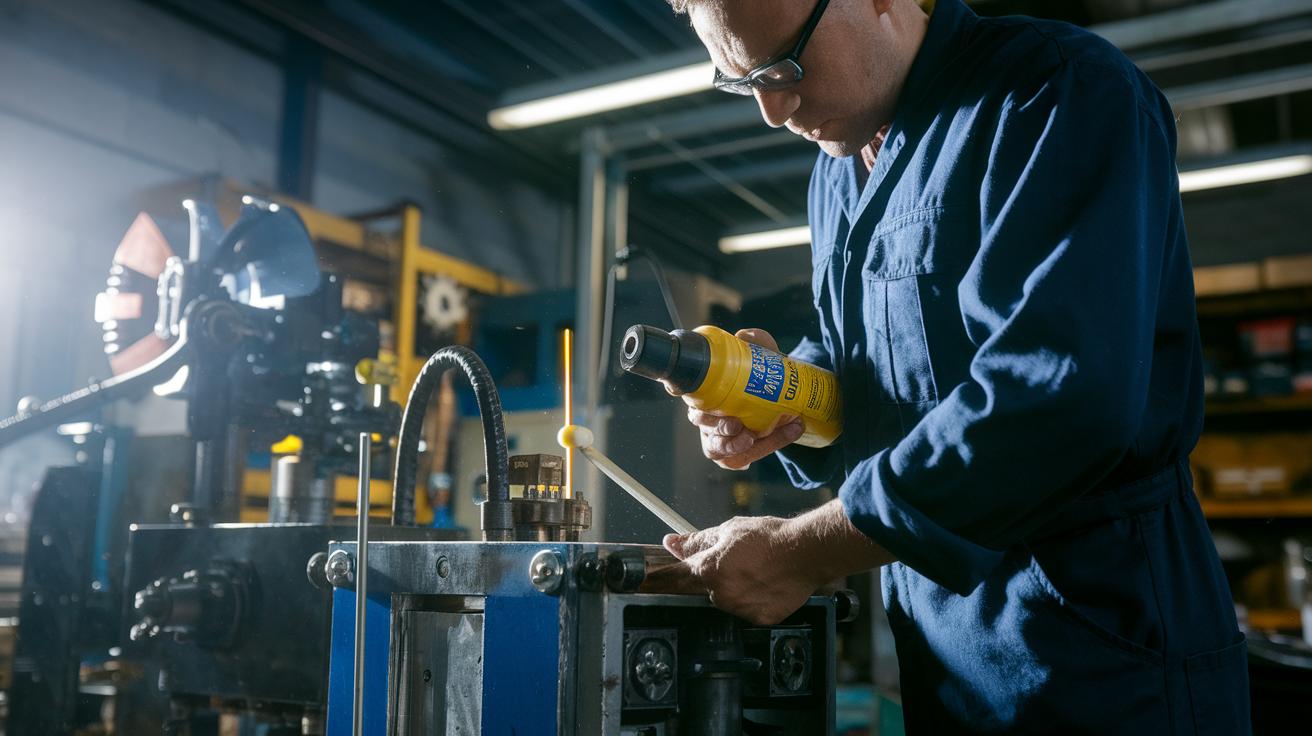
When you schedule regular check-ups for your equipment, you cut the chance of sudden breakdowns by as much as 50% and help your machines last longer. By setting up a plan that includes routine inspections, cleaning, lubrication (applying oil to reduce friction), and timely part replacements, you avoid costly emergency fixes and boost safety. Instead of waiting for a machine to break, servicing it regularly saves money, every $1 spent on upkeep can save you $4 to $5 in future repairs.
Preventive maintenance also makes your equipment work better and more reliably. When machines run at their best, they cause fewer delays, which means your work stays on schedule. For example, a facility that uses digital tools to track work orders and repair history can adjust maintenance intervals based on real-world performance. This steady, organized approach not only keeps operations smooth but also extends the life of your equipment, ensuring a safer and more profitable work environment.
Steps to develop a preventive maintenance plan
A clear plan is key to keeping your equipment running without surprises. When you map out your routine service, you cut downtime and avoid unexpected breakdowns.
- Create an asset list. Write down every piece of equipment with its specs, usage info, and repair history.
- Identify critical machines. Focus on the ones that will cause the biggest work stoppage if they fail.
- Set maintenance triggers using history and manufacturer (OEM) guidelines. Look at past performance and follow the maker’s advice on service dates.
- Design a schedule that fits your work cycle. Plan inspections and repairs when they cause the least interruption.
- Use a computerized maintenance management system (CMMS) to automate work orders and track tasks in real time.
- Measure key numbers like planned maintenance percentage and Mean Time Between Failures (MTBF, average time between breakdowns). Use these insights to adjust your plan.
Review your plan often. Grab a Preventive Maintenance Checklist from neull.com to check that every task gets done on time. Update your asset list, tweak your triggers, and track results. This steady cycle keeps your equipment reliable and your operations smooth.
Industry-specific preventive maintenance plan examples
Education Facilities
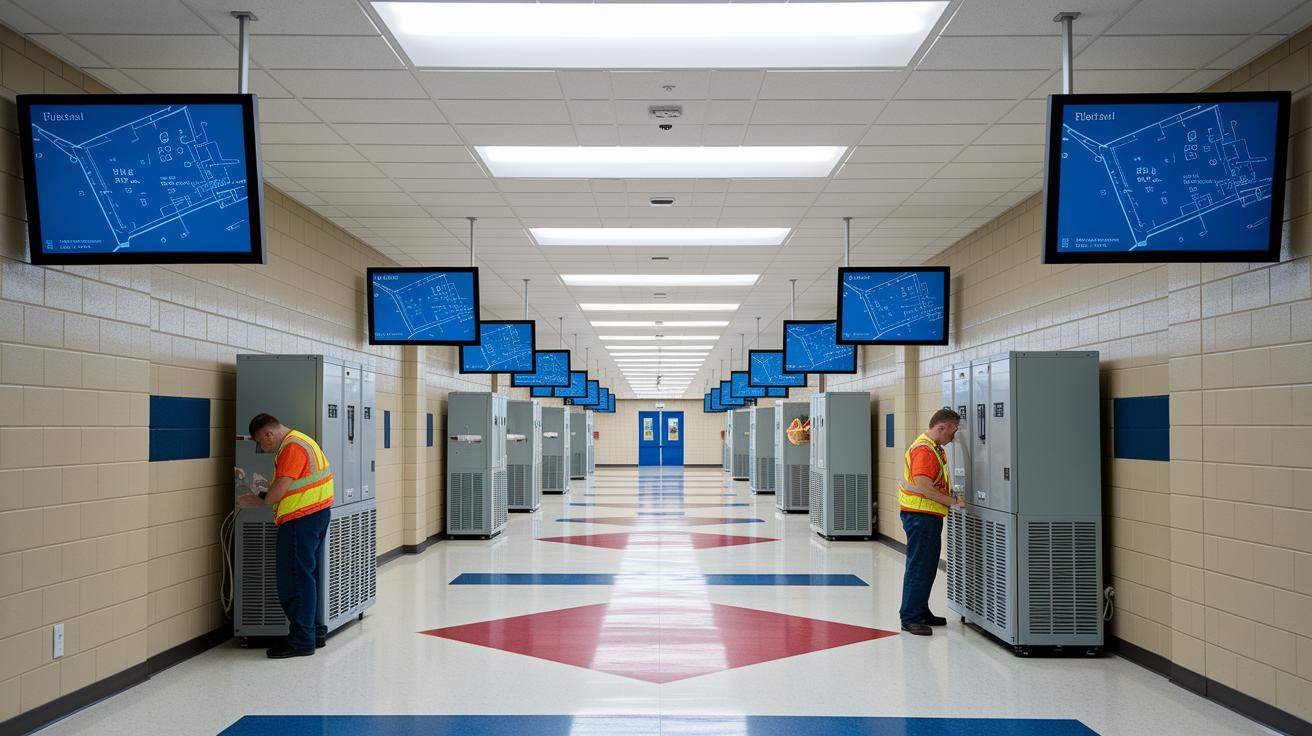
Schools and other learning centers stick to a strict schedule for checking HVAC systems, fire alarms, and other safety features. They conduct regular safety audits and use digital floor maps to track assets in each classroom. For example, a school might record each HVAC unit (heating, ventilation, and air conditioning) on a digital map to plan timely service and lower the risk of failures.
Healthcare Facilities
Hospitals and clinics run on tight maintenance schedules. They use sensor alerts and detailed checklists to know when to calibrate devices and change air filters in sterile rooms. This planned routine helps prevent equipment failures that could affect patient care, ensuring that all medical devices meet safety and performance standards.
Commercial Real Estate
Property managers keep core systems like elevators and roofs in top shape with regular checks. They routinely inspect elevators and check roof membranes (protective layers) to maintain building safety. Digital operations manuals stored in a computerized maintenance management system (CMMS) make it easy to access records and schedules, streamlining routine maintenance.
Construction Sites
On construction sites, heavy equipment is maintained with daily routines. These include lubrication schedules for machinery and regular audits of tool inventories. Safety checks and proper lubrication of concrete pumps help prevent breakdowns that might delay work, keeping both equipment in good working order and workers safe.
Preventive maintenance plan template and checklist sample
A simple, ready-made form makes it easy to track service tasks. With a printed ledger, you can quickly see what needs to be done, how often, and who will handle it. This handy template gives you a clear view of your preventive maintenance plan, so you can spot overdue work orders or asset issues right away. It works well for forklifts, HVAC units (heating, ventilation, and air conditioning), and building exteriors. This saves time and helps avoid unexpected downtime.
| Task | Frequency | Responsible Party | Tools Required |
|---|---|---|---|
| Oil change (pump) | Quarterly | Maintenance Tech | Oil filter, wrench |
| HVAC filter replacement | Monthly | Facilities Team | Replacement filters |
| Safety inspection (site) | Daily | Site Supervisor | Inspection checklist |
This free service outline template is your central hub for daily tasks and upkeep scheduling. Consider using a downloadable home maintenance checklist for your setup to keep your preventive maintenance plan running smoothly.
Best practices for optimizing your preventive maintenance plan

Track your equipment's performance with CMMS dashboards and analytics. These tools let you see key performance indicators (KPIs) in real time so you can spot problems early. For example, regularly check planned maintenance percentages and mean time between failures (average time between breakdowns) to stay ahead of issues.
Make routine risk assessments a part of your maintenance plan. Compare your current schedules with data on recent failures and any production changes. Adjust service intervals and maintenance triggers for high-use assets as needed. This regular check keeps your plan effective even as work conditions change.
Document every step clearly and train your team on your digital platform. Include instructions on QR-code scanning and failure codes so every technician knows what to do. This clear guidance leads to steady upkeep and better overall equipment reliability.
Final Words
In the action, this article explained how a preventive maintenance plan works to keep your assets safe and efficient. We broke down scheduled inspections, routine tasks, and hands-on steps you can follow for success. The guide showed real examples and provided a ready-made checklist to help you plan and budget your projects. The key is using straightforward steps and clear triggers. Stick with this method, and you'll enjoy a safer, smoother project experience that saves time and money.
FAQ
What is a preventative maintenance plan?
A preventative maintenance plan is a structured series of scheduled tasks—inspections, cleanings, lubrication, and parts replacements—made to boost equipment life, improve safety, and prevent unexpected breakdowns.
What are the 7 elements of preventive maintenance?
The 7 elements include creating an asset inventory, prioritizing critical assets, establishing maintenance triggers, scheduling tasks, digitizing work orders, tracking performance, and continuously refining the process.
What are the 5 pillars of TPM?
The 5 pillars of TPM focus on autonomous maintenance, planned maintenance, quality management, training, and continuous improvement to create an environment that enhances equipment reliability and productivity.
What is included in a PM checklist?
A PM checklist typically includes task descriptions, frequency of service, the responsible party, required tools, safety procedures, and performance metrics that guide routine maintenance effectively.
Where can I find a free preventive maintenance plan template?
A free preventive maintenance plan template is available in various formats like PDF and Excel, covering machine-specific schedules or integration with systems like SAP PM, helping streamline task management and reporting.