

Ever notice how some companies run smoothly even when their equipment is old? A smart preventive maintenance schedule works like a tune-up for your gear. It helps you avoid breakdowns and keeps systems working at their best.
By planning regular inspections and fitting tasks into your schedule, you can cut downtime and save on costly repairs. This guide shows you how a well-organized maintenance plan turns routine checks into a powerful tool for boosting efficiency and reducing unexpected delays.
Preventive maintenance schedule: Boost Efficiency Now
A preventive maintenance schedule is more than a checklist. It’s a plan that helps you cut surprises and get the most out of your machines. Set clear targets like reducing downtime by 35–45% and cutting breakdowns by 70–75%. Focus on keeping high-use equipment running safely and smoothly.
Start by listing your key equipment, those items that would disrupt work the most if they failed. Write down each one and note the manufacturer’s recommended service intervals. For example, you might record, "Change air filters every 1 month (30 days)," much like you’d check your car’s oil. Then, plan out each maintenance step: inspect seals, test electrical connections, and lubricate moving parts. Align these tasks with your production schedule so they don’t fall during peak work times.
Assign tasks to team members and gather the necessary tools. Keep clear records of completed work and any issues that arise. Use a reliable tracking system or a sample from the preventive maintenance checklist to stay organized. With a solid maintenance plan, you can save money and avoid unexpected equipment failures.
Benefits of a Preventive Maintenance Schedule

A preventive maintenance schedule helps your equipment last longer and cuts down on repair bills by catching problems early. Regular inspections spot signs of wear, like worn seals or damaged wiring. These quick fixes can lower downtime by about 35–45% and reduce unexpected breakdowns by 70–75%. That means fewer surprises that disrupt your work and add extra costs.
Do routine checks and keep detailed logs. These logs not only show what work has been done but also highlight patterns that can alert you to bigger issues. Record each service step, just like tracking changes in your car’s performance, to catch recurring problems before they become serious.
Step-by-Step Preventive Maintenance Schedule Creation
-
Give your maintenance plan a clear goal. Write down what you want to achieve, like lowering unplanned downtime by 35 to 45% and extending equipment life. For example, note: "Goal: Cut downtime by scheduling monthly inspections."
-
Pick out the most important equipment. List machines that would cause big problems if they failed, such as compressors (machines that press air or gas) or boilers. Include details like the cost of a breakdown. For example, write: "Focus on the unit that, if it stops, could halt production for hours."
-
Set tasks and decide how often to do them. Follow the manufacturer’s tips (the supplier’s advice) and consider machine use. Write down tasks like lubricating moving parts or replacing air filters every 1 month (30 days). For example, "Change air filters monthly as recommended."
-
Assign tasks and list the tools and spare parts needed. Write which team member or contractor will do each task. For example, "Maintenance lead handles monthly inspections; the assistant gathers the needed tools."
-
Plan your schedule around production times. Choose times that avoid busy periods so maintenance does not disrupt work. Write down times like scheduled downtime when maintenance fits best.
-
Track your work. Keep a simple log, using a spreadsheet or digital record, that shows the dates tasks are done and notes any changes from the plan.
-
Check your numbers. Record downtime hours and repair costs to spot any patterns or recurring problems. For example, note: "Record any rise in repair costs to catch early issues."
-
Improve your plan over time. Use the data you collect and review your logs regularly. Adjust tasks or intervals when needed. For example, "After a quarterly review, change filter replacement intervals if clogging isn’t a problem."
Customizing Your Preventive Maintenance Schedule for Industries
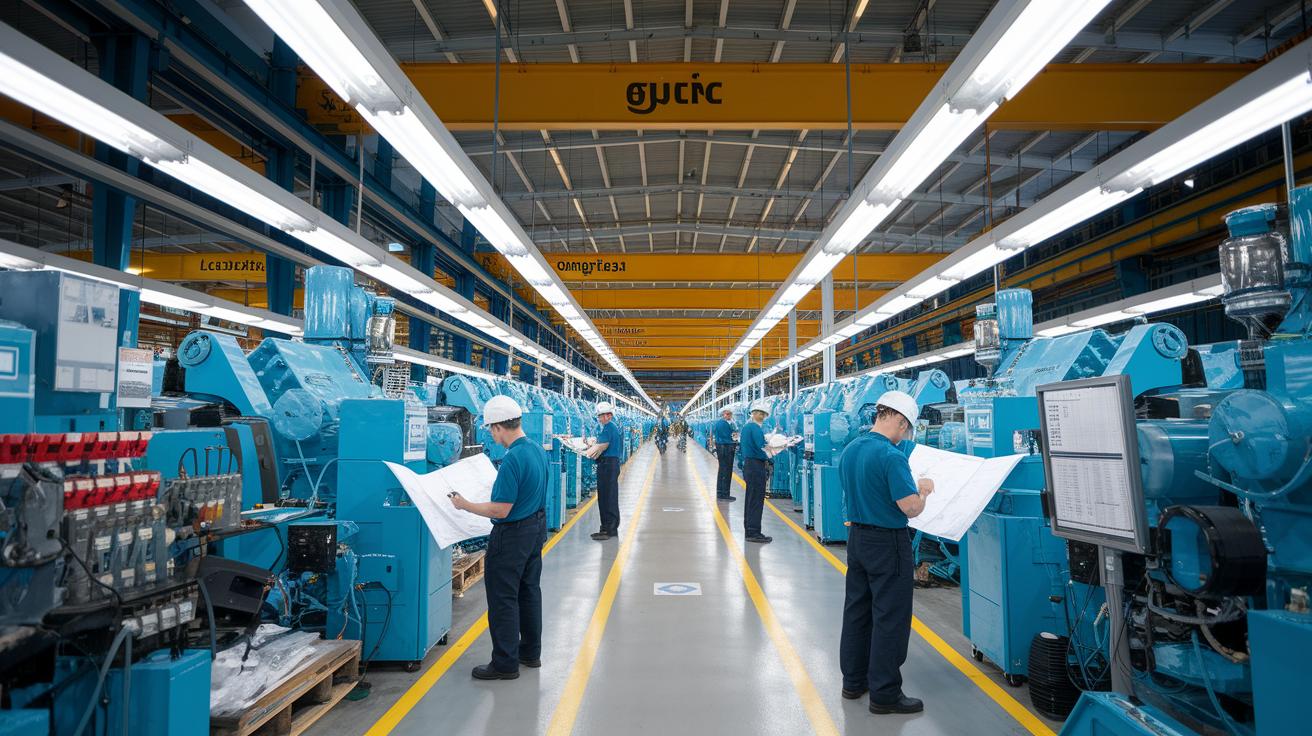
Manufacturing Plant Equipment
Manufacturing plants need a clear plan to keep heavy machines running smoothly. Create a schedule that includes regular lubrication and precise calibration of equipment. For instance, note: "Lubricate hydraulic systems every 30 days (1 month)" to cut friction and prevent damage. Align inspections with production cycles and use a detailed maintenance blueprint to assign calibration tasks. This approach helps reduce unexpected downtime and avoids expensive repairs.
Commercial Building Systems
Commercial buildings benefit from routine HVAC checks, especially at the start of spring and fall. During these inspections, check both air conditioning parts and heating units, particularly after extreme temperatures. For example, you might write: "Schedule HVAC inspections at the beginning of spring and fall to catch early wear signs." This method not only keeps indoor spaces safe but also supports energy efficiency and the long-term upkeep of the facility.
Outdoor and Facility Assets
Outdoor assets and facility equipment face their own challenges from weather changes. After a winter thaw or heavy rain, inspect key areas like outdoor lighting, roof drainage, and structural components. For instance, record: "Conduct an outdoor asset check within 15 days (approximately 2 weeks) after a prolonged rain event." Adjust these tasks based on the exposure of different facility zones to ensure high-traffic and weather-prone areas get timely attention. This tailored strategy protects your assets and keeps them in top condition over time.
Tools and Templates for Your Preventive Maintenance Schedule
Choosing the right tools makes routine maintenance scheduling simple and efficient. A computerized maintenance management system (CMMS, a software that handles work orders) automates tasks and works with IoT devices (gadgets that connect to the internet) to set up repeat work orders. For example, you can program your CMMS to send service reminders every 30 days (about 1 month).
A spreadsheet, like an Excel upkeep planner, is a flexible and budget-friendly choice. You can set custom intervals and alerts to track when a task is due. Whether you use a local Excel file or a cloud-based log, each option helps your team stay informed. For instance, you might note, "Check HVAC filters every 30 days," in your planner.
PDF templates and downloadable checklists are handy if you need to get started fast. They offer a ready-made way to keep things consistent without spending extra time building a system from scratch.
| Tool Name | Type | Key Feature |
|---|---|---|
| CMMS | Software | Automated recurring work orders |
| Excel Template | Spreadsheet | Customizable intervals & notifications |
| Cloud Log | Online | Real-time updates & mobile access |
Monitoring and Improving Your Preventive Maintenance Schedule

Record every task in clear detail. Use either a digital or a paper log to note the date, the time taken, and the outcome of each job. For example, after an HVAC inspection, write down that cleaning the filter took 45 minutes and mention any extra time needed to fix worn wiring.
Keep an eye on key numbers like downtime hours, repair costs, and the average time between equipment failures (mean time between failures). If you notice repair costs climbing every six months, it might be time to adjust your maintenance schedule.
Perform regular seasonal checks to stay ahead of problems. A pre-winter HVAC inspection, for example, can spot issues before the cold weather hits. Compare your records with what you expect to see, then tweak your schedule based on what you learn.
Here are some tips:
- Record downtime hours, repair costs, and any unscheduled repairs.
- Log any changes from your planned tasks, such as extra time fixing frayed wiring.
- Include seasonal audits and detailed logs to refine your preventive maintenance schedule.
Final Words
In the action of creating a preventive maintenance schedule, we've taken you from setting clear goals to tracking task performance. We walked through planning, tool picks, and even tailoring routines to fit different setups. Each step keeps your projects safe, efficient, and budget-friendly.
Stick with the routine and use the handy templates to guide your process. Your solid plan and regular checks will cut downtime and give you confidence on every job.
FAQ
Where can I find preventive maintenance schedule templates in various formats?
The preventive maintenance schedule templates come in Excel, PDF, 52-week, and monthly formats. They provide a clear, ready-to-use plan for regular maintenance tasks, making asset management efficient and organized.
What does a vehicle preventive maintenance schedule involve?
A vehicle preventive maintenance schedule outlines regular inspections, oil changes, tire rotations, and safety checks. It helps keep vehicles running reliably while reducing the risk of costly breakdowns.
What is a preventive maintenance schedule?
A preventive maintenance schedule is a timeline for regular inspections and servicing. It helps reduce unexpected failures, improves safety, and extends the life of equipment through planned upkeep.
What is the 80 20 rule in maintenance?
The 80 20 rule in maintenance means that most issues stem from a small percentage of potential problems. Focusing on these critical tasks avoids over-servicing while reducing most breakdowns.
What is included in a preventive maintenance service?
A preventive maintenance service involves routine inspections, cleaning, parts replacements, lubrication, and safety checks. It targets early signs of wear to keep equipment operating smoothly and safely.
What are the five types of preventive maintenance?
The five types of preventive maintenance include routine, scheduled, condition-based, predictive, and proactive methods. Each type targets specific issues to reduce downtime and extend equipment life.