

Ever think one safe decision can stop a big disaster? Every year, workplace injuries cost billions, and many workers feel unsafe. This article explains what safety officers do: they spot risks, set rules, lead training sessions, investigate accidents, and make sure legal rules are followed. When you understand these tasks, you’ll see that a solid safety plan not only stops injuries but also creates a trustworthy work culture. A strong safety system can turn uncertainty into confidence on the job.
Core Responsibilities of Safety Officers: Roles & Duties Overview

Workplace injuries cost about $250 billion (roughly USD 250 billion) each year, and only 22% of workers feel truly safe on the job. This huge cost and low safety feeling show that every workplace must have a strong, clear safety plan.
Safety officers have five key duties to keep workers safe. They look for risks, set up safety rules, run training sessions, investigate accidents, and make sure the company meets safety laws. Together, these steps create a solid plan to prevent accidents and protect people and property.
- Assess risks and spot hazards
- Develop and enforce safety policies
- Deliver training programs
- Investigate incidents and take corrective action
- Ensure ongoing regulatory compliance
Start by checking for risks and potential hazards. Finding dangers early can help prevent accidents before they happen. Next, safety officers set clear rules to guide everyday work and emergency actions. Training programs make sure that every team member knows how to work safely. When an incident occurs, a careful investigation followed by the right fixes stops the same mistake from happening again. Finally, keeping up with safety laws ensures that companies meet legal rules and industry standards.
This practical approach builds a safety system that not only shields workers but also creates a workplace where safety is a natural part of every day.
Risk Assessment & Hazard Control Measures in Safety Officer Responsibilities
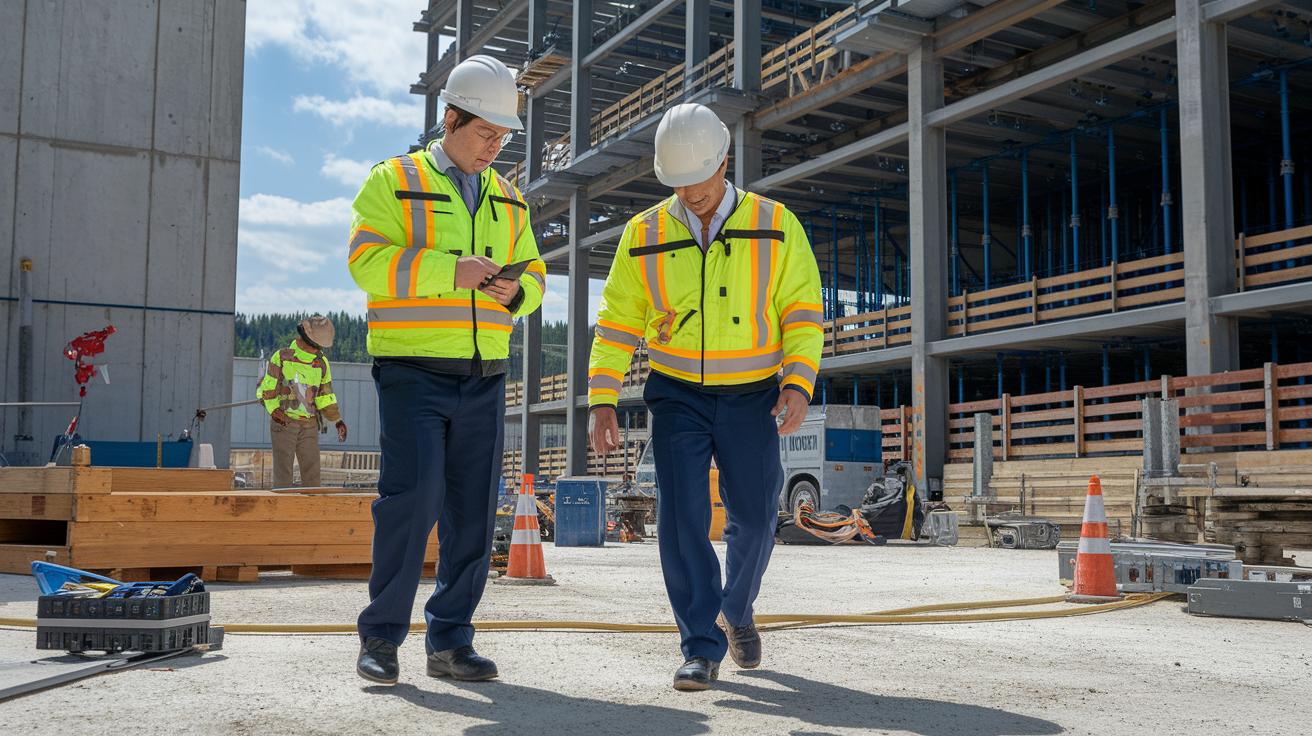
Safety officers help keep workers safe by spotting and fixing dangers on the jobsite. Every year, workplace injuries cost around $250 billion, and 1 in 10 workers do not feel safe. That is why a strong risk check is so important. This check means looking over the jobsite for hazards and using solid safety practices to keep risks low.
- Hazard identification – Find dangers in the area, such as loose tools or broken equipment.
- Risk analysis – Look at how likely each hazard is to cause harm and what kind of harm it could cause.
- Risk evaluation – Rank the dangers by how serious they are and decide which ones need quick fixes.
- Control-measure implementation – Use fixes like extra barriers or proper safety gear (for example, hard hats or gloves) to lower risks.
- Monitoring – Check and update your safety fixes regularly to meet new conditions on the site.
Using these five steps every day helps create a safety-first mindset on the job. When safety officers stick to this simple plan, they can control dangers better and keep safety measures up to date. This steady way of working not only cuts down immediate risks but also builds a stronger safety culture over time.
Implementing Safety Policies & Regulatory Compliance in Safety Officer Duties

Safety officers create and approve clear safety policies. They work with management to set protocols that handle everyday hazards and emergencies. Their job involves drafting proposals, spotting risks, and adjusting rules until they meet legal and industry standards. For example, a draft may include steps for proper personal protective equipment (PPE) use, which is then refined with team feedback until it’s finally approved.
Once policies are approved, safety officers perform regular audits to make sure workplace practices follow the law. They inspect sites, review records, and confirm that equipment and procedures meet OSHA guidelines and other regulatory standards. This hands-on review finds any issues early so they can be fixed quickly. Often, they use a standardized checklist to ensure safety steps are followed consistently across the site.
Staying current with changing regulations is key for safety officers. They attend training sessions, review updates from regulators, and update policies to cover new or industry-specific hazards. By tailoring rules for areas like construction, manufacturing, or healthcare, they keep safety programs relevant and effective. This proactive approach helps protect workers in a changing regulatory environment.
Incident Investigation & Reporting Procedures Within Safety Officer Responsibilities

When an accident happens, act quickly and follow a clear, step-by-step process. Fast action helps limit more harm and shows exactly what went wrong. Safety officers use digital tools like Form Builder and mobile apps to capture every important detail. Quick responses and careful notes keep reports accurate and help set up fixes that make the worksite safer.
| Phase | Key Actions | Responsible Party |
|---|---|---|
| Investigation | Gather evidence and record witness accounts | Safety Officer / Team |
| Analysis | Do a root cause check (finding out why) and study risks | Safety Officer / Engineer |
| Corrective Action | Plan and put in place preventive measures | Safety Officer / Management |
This clear workflow turns investigation results into better safety practices. The analysis step points out exactly why an incident happened. Then, tailored fixes address those issues. By adding these lessons into regular safety checks and training sessions, the process builds a strong safety culture that keeps preventive measures effective, even as workplace dangers change.
Safety Training & Culture Development in Safety Officer Responsibilities

Safety officers design training programs that give workers the know-how to prevent hazards. They run courses like OSHA 10 and OSHA 30, and offer modules on handling hazardous materials, cranes and rigging (equipment for lifting), electrical safety, fall protection, environmental care, personal protective equipment (PPE), and toolbox talks. Every shift starts with a quick safety briefing, covering topics like how to use a safety harness when working at heights or what to do in a chemical spill. These sessions help workers remember key safety steps and stay alert.
Safety officers also build a team culture by promoting clear talk between departments and running regular emergency drills. In these drills, teams practice their roles in fake emergencies, so they know what to do when a real situation happens. By working with all parts of the workplace, they make sure everyone knows the safety rules. This teamwork defines clear roles and builds a culture where every worker takes charge of safety, turning it into a shared goal that keeps the whole site secure.
Industry-Specific Safety Officer Responsibilities Across Key Sectors

Every job site has its own challenges. Whether you're working on a construction site, in a factory, at a hospital, or handling oil and gas, safety officers must adjust their plans to meet the specific risks of each industry. Knowing these differences helps keep workers safe and cuts down on accidents.
| Industry | Key Hazards | Core Safety Officer Duties |
|---|---|---|
| Construction | Falls, electrical hazards, heavy-equipment risks | Enforce fall prevention steps, reduce electrical dangers, and manage heavy-equipment safety |
| Manufacturing | Machine hazards, chemical exposures | Make sure machines are guarded and control chemical risks |
| Healthcare | Infection risks, radiation exposure | Set up infection prevention methods and follow radiation safety rules |
| Oil & Gas | Hazardous atmospheres, explosive risks | Stick to safety protocols and handle explosive risks with care |
Sharing safety tips across industries boosts overall performance. By comparing how each field handles hazards, safety officers can pick up smart strategies from others. This shared approach not only cuts risks but also sparks new ideas that help everyone work safer.
Final Words
In the action, we dived into the core safety guardrails from risk assessment and regulatory compliance to incident investigation and hands-on training. Each section outlined practical steps, shown with lists and tables, that clarify safety officer responsibilities and their impact on preventing costly workplace injuries and boosting overall protection.
The post ties together safety policies, real-world assessments, and team training tips to build a safe, efficient work environment. Keep these strategies in mind as you move forward, safety, precision, and clear steps make a success of any project.
FAQ
What are the 5 roles of a safety officer, and what is their primary role?
The 5 roles of a safety officer include risk assessment, policy development, employee training, incident investigation, and ensuring regulatory compliance; these responsibilities form the backbone of a safe and well-regulated workplace.
What details are typically included in a safety officer duties and responsibilities PDF?
A safety officer PDF usually outlines duties such as hazard identification, developing and enforcing safety policies, delivering training programs, investigating incidents, and ensuring continuous compliance with regulations.
What is a typical safety officer salary?
A safety officer salary varies by location, industry, and experience, typically ranging between $45,000 to $100,000 annually, with higher pay for additional certifications and in high-risk sectors.
What should a professional summary for a safety officer resume include?
A professional summary should highlight expertise in risk assessment, policy implementation, safety training, incident analysis, and regulatory compliance, along with relevant certifications and hands-on experience in managing workplace safety.
What skills and qualifications does a safety officer need?
A safety officer needs strong skills in risk analysis, communication, leadership, and regulatory knowledge, typically supported by a bachelor’s degree in Occupational Safety or a related field and relevant industry certifications.
What are ten key safety rules in the workplace?
Ten key safety rules include wearing PPE, keeping work areas tidy, following proper equipment procedures, reporting hazards, practicing fire safety, adhering to safety protocols, using correct lifting techniques, regular training, maintaining clear exits, and staying alert.
What are the responsibilities of a safety officer in construction?
A safety officer in construction manages fall prevention, controls electrical hazards, oversees heavy equipment use, conducts site risk assessments, and enforces OSHA standards to reduce on-site accidents and ensure worker safety.