

Ever wondered if your walls could add extra soundproofing and safety at the same time? Rockwool insulation works like a tough shield for your home. It keeps your space warm, holds heat better, and slows the spread of fire. Unlike fiberglass, it acts like armor that adds both comfort and protection.
In this guide, we break down the easy steps for installing rockwool insulation yourself. Follow each step to transform a simple project into a smart upgrade for a safer, cozier home.
rockwool insulation installation: Quick and Simple DIY Steps
Rockwool insulation, also called mineral wool, gives you an R-15 rating in a 2×4 wall (2×4 is actual 1.5 in x 3.5 in / 38 mm x 89 mm) compared to R-13 for fiberglass. It is fire-resistant and repels water, adding extra safety while also cutting down on noise. Picture an upgrade that not only keeps your space comfortable but also acts as a fire barrier. Rockwool delivers sturdy protection, like armor for your walls, yet it is simple enough for a DIY job.
Rockwool batts come unfaced, so you need to add a vapor barrier (a protective layer that stops moisture) where required. The installation is straightforward, though it can get a bit messy, almost like playing a life-size game of Tetris. Start by measuring each stud bay carefully, then cut the batts to be 1 to 1.5 inches (2.5 to 3.8 cm) longer and 0.5 to 1 inch (1.3 to 2.5 cm) wider than the opening. This slight oversize helps the batts fit tightly with no gaps.
This method not only improves heat retention but also boosts fire safety and reduces sound. Whether you are insulating walls, basements, or attics, rockwool gives you a quick and effective upgrade that enhances comfort and safety in your home.
Tools and materials for rockwool insulation installation

Before you start your rockwool insulation project, gather all the tools and materials you’ll need. Getting prepared upfront saves you time later and helps every step go smoothly. Here’s a list of the must-have items:
- Mineral wool batts – This is the main insulation material that shields against heat, fire, and noise.
- Bread knife or drywall knife – Use one of these to neatly cut the batts. Think of it like slicing a soft loaf of bread.
- Expanding foam – Use it to seal gaps around pipes, windows, or electrical boxes. It stops unwanted air movement.
- Insulation supports or exterior-grade strapping – These help hold the batts in place, especially in overhead areas.
- Vapor barrier material – Rockwool batts are unfaced. Add this layer if you need a moisture barrier.
- Optional Comfortboard IS – This extra layer of insulation works well on studs or in air spaces where more coverage is needed.
- Measuring tape – Essential for accurate measurements to make sure your installation is snug and gap-free.
- Safety gear – Wear gloves, goggles, and long sleeves to protect your skin and eyes while working with the insulation.
Step-by-step rockwool insulation installation procedure
Prepare your work area first. Clean all surfaces and check that any existing insulation remains firm and in place. A clean start helps you work accurately.
-
Seal gaps. Fill any spaces around pipes, windows, or where walls are penetrated with expanding foam. This stops drafts and ensures a tight seal.
-
Measure and mark. Use a measuring tape to determine the width and height of each stud bay or joist cavity. Then add about 1 to 1.5 in (2.5 to 3.8 cm) to the length and 0.5 to 1 in (1.3 to 2.5 cm) to the width. This extra size gives the batts the snug, friction-fit they need.
-
Trim for obstacles. When you meet pipes, wires, or electrical boxes, mark the parts of the batt that need cutting. Cut V-shaped notches to fit snugly around each item. Think of it as trimming a puzzle piece so it fits perfectly.
-
Install the batts. Press each cut batt firmly into its stud bay or joist cavity. Press hard so every gap is filled and no air escapes.
-
Ceiling installations need extra support. Attach temporary strapping to hold the batts in place until you install the drywall. This stops the insulation from sagging or shifting.
Follow these clear steps for a smooth and effective installation.
rockwool insulation installation for walls, ceilings, attics, and floors

For walls, ceilings, and attics, follow the procedures we discussed earlier. In 2×4 stud walls (actual 1.5 in x 3.5 in / 38 mm x 89 mm), use R-15 batts with a separate vapor barrier when necessary. For ceiling work, install temporary strapping to support the insulation.
When insulating floor joists in crawlspaces or unheated areas, do not install a vapor barrier on the cold side. This avoids trapping moisture. Instead, use insulation supports or exterior-grade strapping. For example, when working on a crawlspace floor, attach supports every 2 ft (0.6 m) to hold the batts securely, much like fitting together the pieces of a puzzle, cut the batt, test its fit, and let it lock in place.
Measure each cavity carefully and trim the batts to fill gaps completely. This improves both soundproofing and thermal performance.
Safety guidelines and best practices for stone wool installation
Wear goggles, gloves, long sleeves, and a dust mask whenever you handle stone wool. Work in a well-ventilated area to prevent airborne fibers from building up. Keep your batts in their original packaging until you are ready to use them so they stay dry and clean. Treat your work area like a proper workshop where safety is your top priority.
When you handle the batts, avoid squishing them. Keeping them fluffy ensures they insulate well, just like keeping a cushion soft. Clean up any stray fibers with a HEPA-filter vacuum or a damp cloth. This simple step helps avoid skin irritation and keeps your workspace neat.
Before you begin, set out all your safety gear. Follow these guidelines closely to protect yourself, improve your work, and keep your stone wool insulation in top shape. Remember, a careful setup today means a safer, easier job tomorrow.
Cost considerations and troubleshooting in rockwool insulation installation
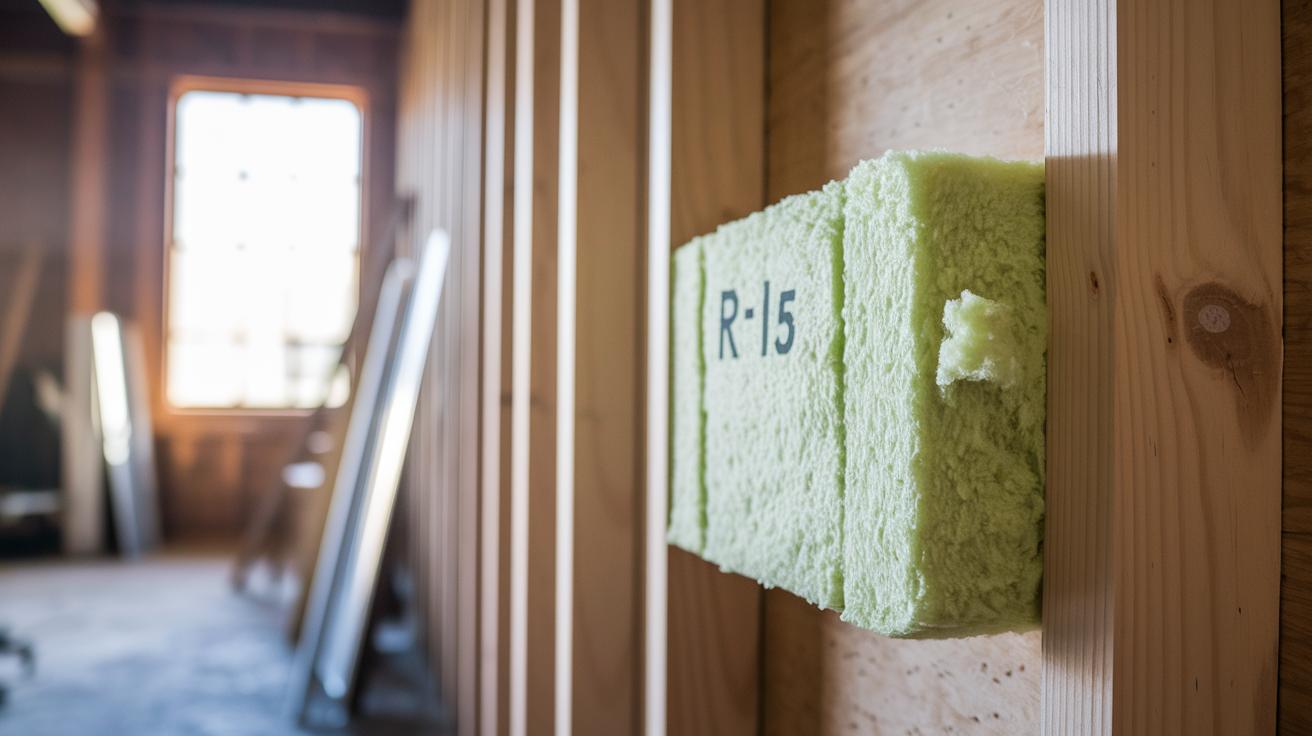
Rockwool insulation costs more per square foot than fiberglass, but it offers better performance. It has an R-value of R-15 in a 2×4 wall (actual 1.5 in x 3.5 in / 38 mm x 89 mm), meaning it resists heat flow well. Rockwool also lasts longer and can help keep out fire, water, and noise, which can save you money in the long run.
Here are some common installation issues to watch for:
- Gaps along the edges: If the batts (pre-cut pieces) are too small, gaps can form. Quick tip: Trim the batt a little larger than your space so it fits tightly.
- Batts sagging in ceilings: This can happen when the insulation is not supported well. Use temporary strapping until you put up the drywall.
- Mixing old and new insulation: Make sure any old insulation stays firm and does not droop before adding new batts.
For a cost-effective install, check that older layers are intact and not compressed. If you find any gaps or uneven areas, adjust the batt sizes and add support under the ceiling. These simple steps help make sure your insulation upgrade keeps your home warm and safe.
Video tutorials and additional resources for rockwool insulation installation
Many manufacturers provide handy video tutorials and PDF guides to help you with rockwool insulation. These visual tools break down the job into clear steps. In one video, you might see instructions like, "Cut the batt exactly and press it in tight," much like fitting pieces in a Tetris game.
Time-lapse videos show the quick process of measuring, cutting with a bread or drywall knife (a flexible cutting tool), and trimming V-notches around obstacles. PDF manuals offer detailed, step-by-step written instructions that line up perfectly with each video segment, making it easier to follow along.
Using these video and written resources helps you complete your rockwool installation without missing any important details.
Final Words
In the action, this guide walked you through the benefits and steps for rockwool insulation installation. It covered everything from the insulation's thermal and acoustic advantages to gathering the right tools and precise installation steps. We shared safety tips and troubleshooting advice to help you avoid common project errors. Rely on the video tutorials and additional resources for a closer look at the process. Keep progressing safely and confidently to complete your project on time and within budget.
FAQ
How to install rockwool insulation in ceiling
Installing rockwool insulation in a ceiling means measuring and cutting batts for a snug fit and using temporary supports until the ceiling panels are in place. Follow guidelines to ensure no gaps and proper support.
Rockwool insulation installation pdf
A Rockwool insulation installation PDF provides a clear, step-by-step guide with illustrations and safety tips, helping DIYers and professionals follow proper procedures during installation.
How to install ROCKWOOL insulation in walls
Installing ROCKWOOL insulation in walls involves measuring cavities, cutting batts so they fit tightly, and pressing them firmly into position before adding a separate vapor barrier for moisture protection.
How to install Rockwool insulation in floor joists
Installing Rockwool insulation in floor joists means measuring each cavity, cutting the batts to size, and pressing them securely into the joist spaces, often using supports or strapping to maintain position.
How to install ROCKWOOL insulation in exterior walls
Installing ROCKWOOL insulation in exterior walls means placing batts carefully into stud bays for optimal R-value, ensuring a tight friction fit, and pairing the insulation with a separate vapor barrier for moisture control.
How to install rockwool insulation in concrete walls
Installing rockwool insulation in concrete walls involves applying batts against the wall, sealing any gaps with expanding foam, and reinforcing the insulation to minimize air movement and protect against moisture.
How to install ROCKWOOL insulation in attic
Installing ROCKWOOL insulation in an attic requires laying batts between or over joists, achieving a snug friction fit, and optionally supporting the insulation with temporary strapping until finishing work is complete.
Rockwool insulation installation video
A Rockwool insulation installation video demonstrates the process from measuring and cutting batts to placing and securing them, while providing practical tips and safety advice for a successful DIY job.
Do you need a vapor barrier with ROCKWOOL insulation?
The need for a vapor barrier with ROCKWOOL insulation depends on the application, but walls typically require one since rockwool batts are unfaced, so check building guidelines for your specific project.
Can I install ROCKWOOL myself?
You can install ROCKWOOL yourself if you follow clear instructions, use the right tools, and adhere to safety guidelines, making it a doable DIY project for many homeowners.
What are the negatives of ROCKWOOL insulation?
The negatives of ROCKWOOL insulation include its heavier weight, potential mess during cutting, and the necessity for an additional vapor barrier installation, as the batts are unfaced.
Can I touch ROCKWOOL with bare hands?
Touching ROCKWOOL with bare hands can cause skin irritation; it is best to wear gloves and long sleeves while handling it to reduce any potential discomfort.