

Ever wonder if every construction worker is truly safe on the job? Injury data shows many workers hurt themselves because they skip proper gear.
Using a complete PPE safety checklist cuts hazards like falls, electrical risks, and heavy impacts. This guide covers hard hats, safety glasses, gloves, and more to help you follow OSHA (Occupational Safety and Health Administration) rules.
Follow these clear steps to boost site safety. Keep your crew secure, and keep the worksite running smoothly.
Complete PPE Safety Checklist for Construction Sites
This checklist covers seven key pieces of personal protective equipment found on most construction sites. It meets OSHA rules to protect against falls, struck-by hazards, electrical risks, breathing problems, loud noise, caught-in incidents, and extreme temperatures. Use this practical guide to check items like hard hats, safety glasses, ear protection, gloves, respirators, high-visibility clothing, and safety shoes.
| PPE Type | Standard/Regulation | Inspection Frequency | Key Inspection Points |
|---|---|---|---|
| Hard Hat | OSHA, ASTM (made with high-density polyethylene shell and internal suspension) | Before each shift | Cracks, dents, proper suspension fit |
| Safety Glasses | ANSI (polycarbonate shatterproof lenses) | Daily | Scratches on lenses, seal integrity, clear view |
| Ear Protection | OSHA noise guidelines (using foam or silicone plugs/earmuffs) | Daily | Cushion damage, proper seal, strap condition |
| Hand Protection | Industry standards (for cut and puncture resistance) | Daily | Tears, holes, overall wear |
| Respiratory Protection | NIOSH guidelines (from N95 masks to full-face respirators) | Before each use | Seal, filter condition, strap integrity |
| High-Vis Clothing | ANSI/ISEA standards (with fluorescent fabric and reflective strips) | Weekly | Strips intact, bright fabric, secure fastenings |
| Safety Shoes | ASTM standards (steel-toe with slip-resistant soles) | Weekly or if damaged | Sole wear, toe cap strength, proper fit |
Review this table during your daily toolbox talks. Begin every shift by quickly checking that all your gear meets these standards. For example, tell your crew, "Check your hard hat for cracks." Then make sure that safety glasses, ear protection, and all the other items are in good condition. Regular checks help you spot wear early and replace damaged equipment right away. This keeps your gear maintained and your worksite safe.
Head and Eye Protection Standards in PPE Checklists

Hard hats come with suspension systems made for specific sizes. They absorb impact by shifting the force away from your head. Check your hard hat for cracks, dents, or wear before you use it. Bump caps offer only light duty protection for low-risk tasks. They are not a substitute when heavy impact hazards are a concern.
Safety glasses use polycarbonate lenses (a shatter-resistant plastic) to protect your eyes from flying debris, dust, and chemicals. Goggles fit snugly for dusty or wet work areas. Face shields cover your entire face to block chemical splashes or hot sparks. Always check these items for scratches or distortions that might blur your view.
When you inspect eye protection, make sure the glasses or goggles stay in place. They should not pinch your nose or temples. Clean the lenses every day with a soft, lint-free cloth and an approved anti-fog cleaner. Replace any gear with cracked seals or loose fittings to ensure safety.
Set up a routine that includes both a visual check and a physical test of fit and integrity. This method helps ensure that your head and eye protection always meets job site standards.
Hand, Respiratory and Hearing Protection Checks in PPE Checklists
Start by picking gloves that suit your task. Gloves come in many types, from basic cut-resistant ones to gloves made for electrical work, welding, or handling chemicals. Make sure the glove fits correctly; it should not be too tight or too loose. Check for tears, frayed seams, or abrasions. Tip: Flex the glove to spot any stiffness or cracks that might cut its protection.
Next, choose a mask or respirator that matches the air hazards you face. Options include disposable N95 masks and reusable respirators with changeable filters for dust, fumes, or paint vapors. Fit your respirator well by doing a seal check; you should feel an even suction all around when you breathe in. Inspect filters regularly and replace them as the maker advises to avoid leaks.
Finally, check your hearing protection. Whether you use foam earplugs or earmuffs, make sure they fit snugly. For foam earplugs, insert them until they fill your ear canal completely. For earmuffs, ensure the cushions are intact and that the headband maintains firm tension for quick on/off use. Look for worn cushions or loose parts that could drop noise reduction. Daily checks help you adjust as needed to keep your ears safe.
Foot and High-Visibility Gear Assessment in PPE Checklists
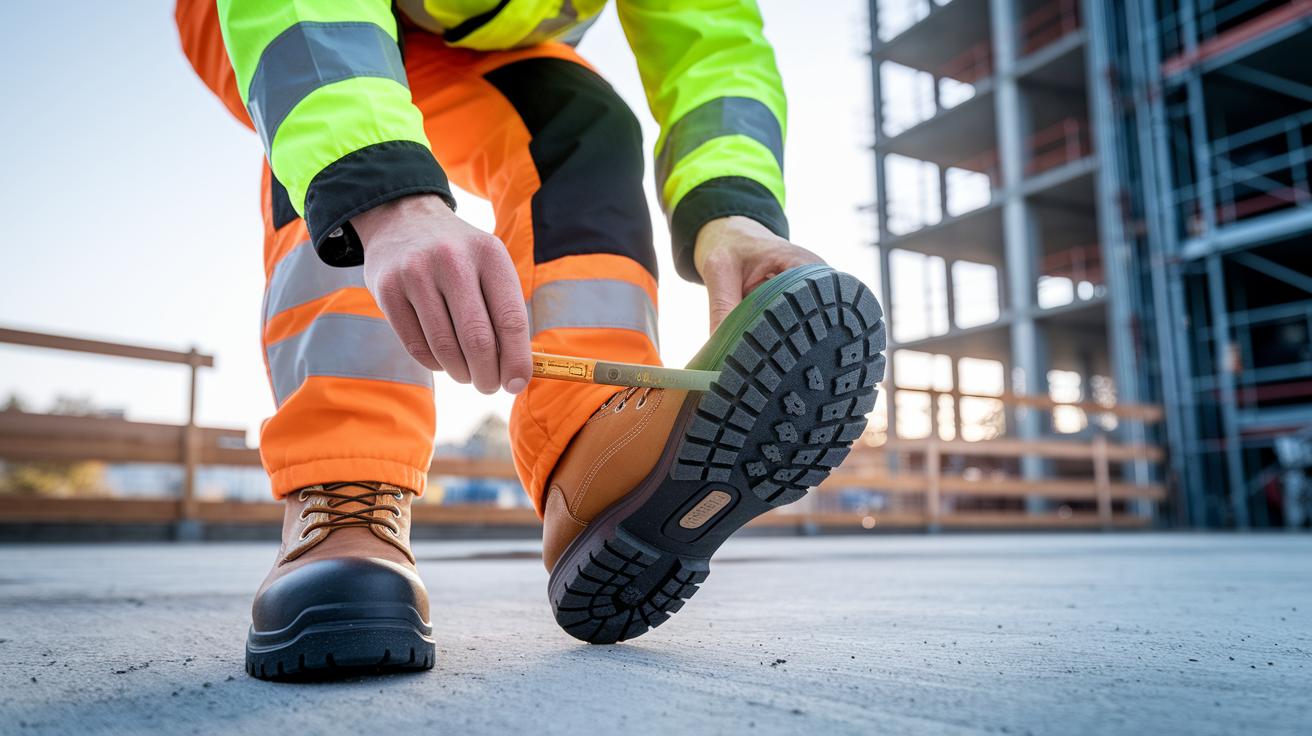
Safety footwear protects your feet from heavy objects and slips. Safety boots always include steel-toe caps (protective metal covers over the toes) and slip-resistant soles. Some boots also have metatarsal guards (extra protection over the top of your foot) for work that involves heavy lifting. Every day, check the soles for worn-out treads or signs that the midsole is separating. Look for cracks or worn areas that could reduce the boot’s protective power.
High-visibility clothing is equally important on the job site. These garments use bright orange or yellow fabric with retroreflective strips so readers will see you from every angle. During your daily check, examine the reflective stripes to ensure they are firmly attached and free from rips, fading, or loose stitching. A quick reminder to your team might be, "Make sure your vest’s reflective tape is bright and intact."
Regular inspections of both your safety boots and high-vis gear help you stay compliant with safety standards. A brief daily review ensures that each piece of gear performs as it should, keeping you and your crew safe from slips, impacts, and low-light hazards.
Maintaining and Replacing PPE in Your Construction PPE Checklist
Check all your protective gear before starting your shift. Look at hard hats for cracks or dents and inspect hearing protectors for worn-out cushions. Examine respirators closely for any wear or early damage. Regular visual and touch checks help spot small issues before they become dangerous.
Wipe your safety glasses and face shields every day with a soft, lint-free cloth and an approved anti-fog spray. This simple routine keeps your view clear and helps your gear last longer by preventing buildup and stains.
Set a strict schedule to replace worn gear. Change respirator filters as soon as you notice increased breathing resistance. Follow the manufacturer’s instructions for when to swap out hard hats and hearing protectors. Keeping track of each item’s service life ensures your equipment stays reliable on the job site.
Clean chemical-resistant gloves following the supplier’s directions and discard any that are torn or damaged. Wash high-visibility vests according to ANSI care instructions, and replace them when the reflective tape begins to peel. These steps help maintain strong protection standards.
Write down the dates you inspect, clean, and replace your PPE in a maintenance log. This record not only helps during certification audits but also keeps your maintenance process on schedule.
Digital and Printable Construction PPE Audit Templates

Clear audit templates make reviewing protective gear on worksites fast and simple. They let you check each piece of PPE (personal protective equipment used to protect you on the job) and record its condition without missing details. This saves time and reduces mistakes.
Digital audit forms add handy features that speed up inspections. You get drop-down menus for quick status updates, fields to snap photos of gear, and automatic time stamps to show when the audit happened. The forms include spots for status, inspector name, date, and comments so everyone on the team can refer back to a solid record during each shift. Plus, they auto-archive your logs, which helps keep up with safety rules.
Printable templates in PDF or Excel offer a practical, hands-on approach. They include clear columns for status, inspector name, date, and comments, making it easy to jot down notes on-site during toolbox talks. These paper versions work as a backup to digital logs, ensuring every pre-task checklist is complete and easy to review when needed.
Integrating PPE Audits into Construction Site Safety Management
Set up a regular schedule for PPE audits to follow OSHA rules and keep your site running smoothly. Use both paper checklists and digital tools to log your findings and set reminders for routine checks. This constant routine makes it simple to spot problems and avoids delays when worn or damaged gear needs replacing. Check every piece of protective equipment before each shift.
Include the audit results in your daily toolbox talks and new worker safety sessions. Review recent findings during these meetings and tackle any issues right away. This quick review helps everyone understand how to use their gear safely and keeps training fresh.
Keep digital records using software to track audits and follow up on issues. Electronic logs let you schedule regular reviews and highlight recurring problems with certain gear. These detailed records also help plan emergency inspections so that first-aid and rescue tools are always ready for fast use.
Final Words
In the action, we mapped out every step of your complete PPE safety checklist. We walked through essential protective gear, hard hats, safety glasses, ear protection, gloves, respirators, high-vis clothing, and safety shoes. We showed you key inspection routines, maintenance tips, and how to use audit templates for daily toolbox talks. This guide serves as a practical construction PPE safety checklist to keep your project secure and efficient. Keep your site safe, stick to your maintenance plan, and enjoy working smart and cost-effectively.
FAQ
What formats are available for construction PPE safety checklists and what does a PPE checklist include?
The construction PPE safety checklist is available in various formats such as PDF, Excel, and printed templates. It details required PPE items, hazard assessments, and inspection points to meet OSHA guidelines and on-site safety standards.
What does the 20/20/20 rule in OSHA mean?
The 20/20/20 rule means that every 20 minutes, a worker should take a 20-second break by looking at something 20 feet away to reduce eye strain and maintain focus on safety.
What are the 10 PPE used in construction?
The 10 PPE items typically include hard hats, safety glasses, ear protection, gloves, respirators, high-visibility clothing, safety shoes, fall protection gear, face shields, and bump caps to guard against various on-site hazards.
What is the OSHA code for PPE?
The OSHA code for PPE is outlined in 29 CFR Part 1910 for general industry and 29 CFR Part 1926 for construction, which set the safety standards and practices for proper personal protective equipment use.