

Ever wonder if the cost of insulation might hide a secret for saving money? Some may say that paying about $3 per square foot sounds steep at first, but think of it as a smart investment in your energy costs. When you break down the expense into material and labor, you’ll see that even a few upgrades can cut your heating and cooling bills. This guide lays out the numbers clearly, so you can plan an insulation project that boosts your home’s comfort and saves you money.
Insulation Installation Cost: National Average, Range, and Quick Overview
Insulation installation may run between $1,400 and $6,300, with a typical cost of about $2,900. When budgeting, expect to pay roughly $1.00 to $4.50 for every square foot (about 0.093 m²). Materials usually cost between $0.50 and $2.80 per square foot, and labor adds another $0.50 to $1.70 per square foot.
Your final cost depends on your home's size, the insulation type, and the needed R-value (a measure of how well the material resists heat flow). One homeowner pointed out that spending around $3 per square foot balanced material quality and labor well.
For practical project planning, compare quotes and see how different insulation materials can boost energy efficiency. A rate of $2.90 per square foot might seem high at first, but many upgrades can save between 15% and 30% on heating and cooling costs.
Always review detailed estimates that break down both material and labor charges. Clear numbers help set expectations and ensure the insulation performs as needed. And make sure the quoted R-value fits your climate, higher R-values offer better thermal control, though they may cost more.
Insulation Installation Cost by Material Type: Spray Foam, Fiberglass, Cellulose, and More

Different insulation types have their own benefits and price tags. Spray foam, fiberglass, blown-in cellulose, and radiant barrier all work differently for various projects.
For example, open-cell spray foam runs about $1.00–$2.00 per sq ft (per 0.09 m²) with an R-value near R-3.7. Closed-cell spray foam is denser, giving it an R-value of R-6 or more, and it costs roughly $2.50–$4.50 per sq ft. Check the spray foam insulation installation guide for detailed steps and safety tips.
Fiberglass batt insulation typically costs between $0.30 and $1.50 per sq ft, making it a budget-friendly option. For a step-by-step approach, see the fiberglass insulation installation guide. Blown-in cellulose fills in gaps well and is priced between $1.00 and $2.80 per sq ft. Radiant barrier insulation, known for reflecting heat, comes in at around $0.30–$2.00 per sq ft.
Here’s a quick tip: Think of insulation like picking a winter coat. More insulation keeps you warmer, but it usually costs more.
| Insulation type | Cost per sq ft | R-value |
|---|---|---|
| Open-cell spray foam | $1.00–$2.00 | ~R-3.7 |
| Closed-cell spray foam | $2.50–$4.50 | R-6+ |
| Fiberglass batt | $0.30–$1.50 | N/A |
| Blown-in cellulose | $1.00–$2.80 | N/A |
| Radiant barrier | $0.30–$2.00 | N/A |
Each insulation type fits different needs and budgets. Plan carefully and compare costs to find the right balance for your project and climate.
Regional Installation Pricing: How Location Impacts Insulation Installation Cost
Labor costs can vary a lot depending on where you live. In many areas, you might pay between $50 and $100 per hour. This means labor can make up 30% to 50% of your total insulation installation bill. In big cities or high–cost-of-living places, you can expect to pay more per square foot, ranging from about $1.00 to $4.50. These higher prices cover extra transportation, equipment, and local service expenses.
Since costs change a lot from one location to another, it's a good idea to get several local quotes. Aim for at least three so you can compare the numbers and ask about seasonal discounts or bundled offers. One contractor might offer a lower rate for spray foam (a type of insulation that expands to fill gaps), while another might add free air sealing (taping and sealing gaps to stop drafts). Checking these details helps ensure you compare like with like.
Have you noticed that sometimes local trends can drive up prices? In busy urban centers, extra overhead can push rates higher. Also, extra work in hard-to-reach areas can add to your costs. For the best insulation deal in your region, spend the time to compare local quotes closely.
Professional Labor Fees and Contractor Costs in Insulation Installation Cost
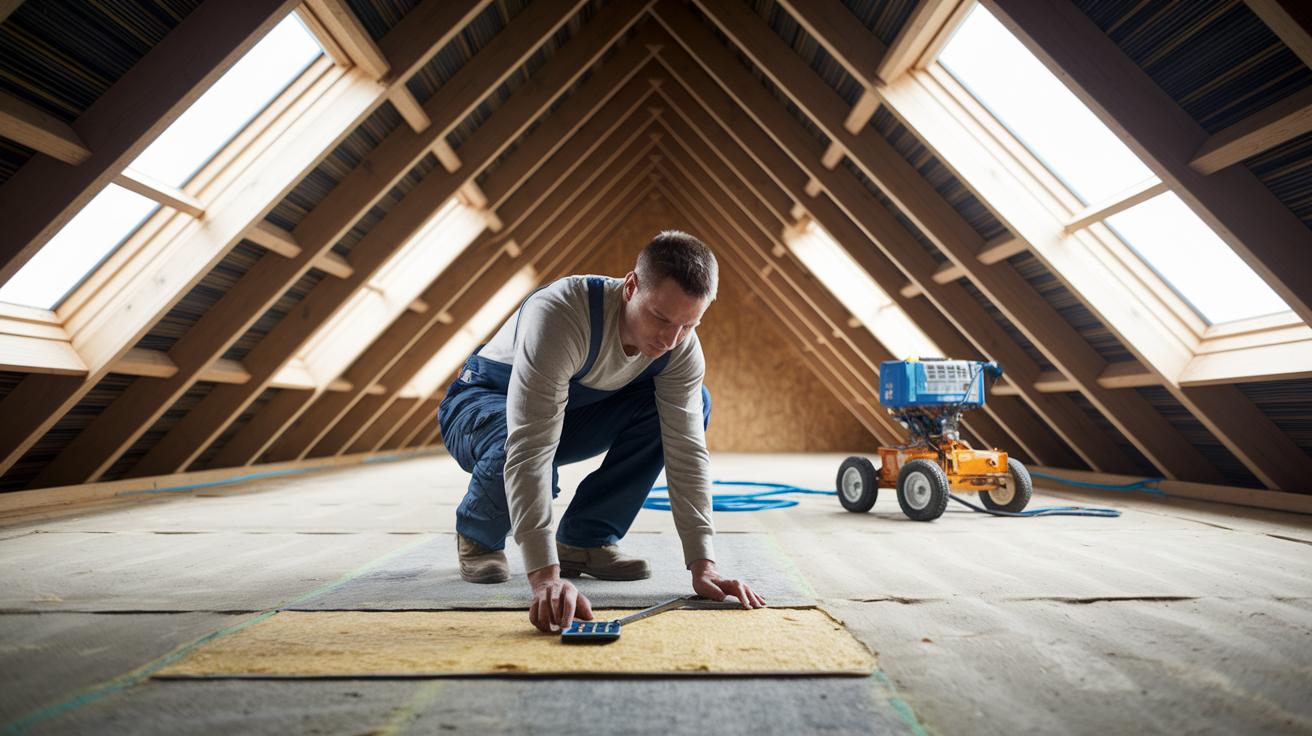
Contractors typically charge between $0.50 and $1.70 per square foot or about $50 to $100 per hour. Keep in mind that labor may account for 30% to 50% of the total installation cost. For instance, if you are insulating a 1,000 sq ft area (about 93 m²) and the overall cost is $2,900, labor could run around $1,160 if it represents 40% of the total.
Using specialized gear, like high-pressure rigs for spray foam, can push service fees higher. And if your project includes removing old insulation, you might pay an extra $1.00 to $1.50 per square foot. One homeowner learned that these removal fees bumped up their project cost by nearly 20%. This is why detailed quotes are so important.
Before you hire a contractor, ask for a full breakdown of all labor and equipment fees. Knowing the cost per square foot helps you compare different quotes. Request that your contractor itemizes each charge so you understand how work, specialized tools, and cleanup add up in your overall cost. Taking the time to review these details can lead to smart savings on your energy upgrade.
Additional Insulation Installation Cost Considerations: Site Prep, Air Sealing, and Removal
Extra work can add to your insulation project cost and boost its overall performance. Removing old insulation usually runs about $1.00 to $1.50 per square foot (roughly $10.76–$16.15 per square meter). These prices do not include disposal fees, which change based on your area. Preparing the site and cleaning up afterward can also bump up your spending.
Air sealing and caulking are key steps to improve energy efficiency. Homeowners might spend anywhere from $350 to $600 per home to seal gaps and stop drafts. This extra work not only makes your insulation work better but can also lower your energy bills over time.
If your project needs a vapor barrier, plan on extra costs of about $2.00 to $4.00 per square foot (around $21.53–$43.06 per square meter). The vapor barrier helps control moisture, which is especially important in humid areas or where condensation might form.
Cleanup and disposal fees depend on local rates, so these charges may differ. Always check with local contractors for exact details that could affect your final bill.
- Old insulation removal: $1.00–$1.50 per sq ft (approx. $10.76–$16.15 per m²)
- Air sealing and caulking: $350–$600 per home
- Vapor barrier installation: $2.00–$4.00 per sq ft (approx. $21.53–$43.06 per m²)
- Site cleanup and disposal fees: costs vary locally
Energy Savings and Payback Period Relative to Insulation Installation Cost

Good insulation makes your home cozier and lowers your energy bills. For a 2,000 sq ft (186 m²) home, proper insulation can cut heating and cooling costs by 15% to 30%, saving you about $200 to $600 each year. For instance, if you save $300 each year, it feels like you are slowly paying off your investment with every bill.
Figure out the payback period to see how quickly your savings add up. Most homeowners recoup the cost of insulation in 3 to 7 years. The extra upfront cost is worth it when you know that energy savings pile up over time. A good tip is to compare your current utility bills with the bills you expect after adding insulation.
Remember, insulation is not just a one-time expense. It can last between 20 and 100 years, and over its lifetime, the total savings may more than double your initial investment. Upgrading your insulation is a long-term energy boost that pays off for decades.
- Utility bill savings: $200–$600 annually
- Typical payback period: 3–7 years
- Lifespan return on investment: Over 100% across its lifespan
Think of it as an upgrade that cuts today’s costs and increases your home’s energy efficiency for many years to come.
DIY vs. Professional Insulation Installation Cost: What’s the Difference?
When you compare DIY insulation to hiring a pro, think about both cost and performance. DIY lets you skip labor fees, which many choose to save money upfront. For example, fiberglass batts cost around $0.30–$1.50 per square foot (approx. $3.23–$16.15 per square meter), making them a budget-friendly choice. Spray foam kits vary a lot in price and coverage, so check the details before you start.
DIY projects cut labor costs but can lead to mistakes. Poor installation may leave gaps or lower the R-value (a measure of how well insulation resists heat flow). One homeowner found missed spots that later hurt their home’s energy efficiency.
Professional installers, on the other hand, ensure a tight seal and the right R-value. They have the right tools and know-how to apply insulation evenly, especially in hard-to-reach areas. This extra precision might mean higher upfront costs, but it often translates into better energy savings over time.
- DIY materials save money but come with a risk of improper installation.
- Professionals offer reliable, even insulation that boosts efficiency.
- Your choice depends on your project needs and your comfort level with technical tasks.
Insulation installation cost: Smart Savings Ahead

Start your insulation project with a clear budget. Use free online calculators from well-known contractors or manufacturers to get an estimate based on your home’s size, the insulation type, and the needed R-value (a rating that measures insulation performance). These calculators show how changes in insulation thickness or material affect your overall cost.
Next, gather at least three quotes from local installers. Speak with licensed, bonded, and insured experts to get estimates that break down material quality, labor, and equipment use. One homeowner saved 20% by choosing a contractor who detailed every cost.
Also, think about buying insulation in bulk. Purchasing 15 or more bags can cut prices by 15%–30%. A free cost estimation service can help you plan a budget that avoids hidden expenses.
- Use free online calculators for initial estimates
- Get at least three detailed local quotes
- Verify each installer’s credentials
- Explore bulk buying options for extra savings
Final Words
In the action, we broke down overall costs, compared material types, and covered regional price variations. We explained contractor fees, extra work like air sealing and removal, and even the energy savings that come with the upgrade.
Every step builds a clearer picture for safely keeping your project on budget. Whether you choose a DIY approach or professional help, knowing the insulation installation cost details will help you plan smartly. Stay positive and keep building with confidence.
FAQ
What is the insulation installation cost per square foot?
The insulation installation cost per square foot typically ranges from $1.00 to $4.50. This range covers both materials and labor, helping you estimate your overall project expenses.
What is the total insulation cost for a residential home, such as a 1,500 sq ft house?
The total insulation cost for a typical home, like a 1,500 sq ft house, averages around $2,900 but can vary based on chosen materials, labor fees, and the desired R-value for energy efficiency.
How does an insulation installation cost calculator work?
An insulation installation cost calculator works by asking for home size, insulation type, and target R-value. It then produces an estimated cost to help budget your upgrade effectively.
What are the labor costs associated with installing insulation?
The labor cost for insulation installation is generally between $0.50 and $1.70 per sq ft, or roughly $50 to $100 per hour, often making up 30% to 50% of the total project cost.
How long does it take to insulate a 2,000 sq ft house?
Insulating a 2,000 sq ft house usually takes about one full day for professionals, though project duration may vary with insulation type, house layout, and any additional work like air sealing.
What is the cost for removing and replacing attic insulation?
Removing and replacing attic insulation generally costs between $1.00 and $1.50 per sq ft. This estimate excludes disposal fees and any additional site preparation that may be required.
What are Home Depot’s insulation installation costs and services?
Home Depot’s insulation installation offers competitive pricing close to national averages. Costs depend on project size and material type, so it’s best to request a quote from your local store for accuracy.
What is the cost for floor insulation?
Floor insulation costs vary based on material choice and project complexity. You can expect similar per-square-foot rates as for attic insulation, with final pricing influenced by labor and any required site prep.
Where can I find local attic insulation companies or insulation replacement services near me?
Local attic insulation companies can be found through online directories and local contractor listings. Obtaining multiple quotes and verifying licensing, bonding, and insurance ensures quality service and fair pricing.