

Ever wonder if your brick work is truly secure? Brick masonry anchors hold your project in place on brick, stone, or concrete. They keep even heavy items steady when forces push on them. In this guide, we cover common types such as anchor bolts (metal fasteners), wall plugs (plastic inserts for screws), and concrete screws (screws made for hard surfaces) to help you choose the right one. Using the proper anchor makes your project safer and more durable.
Brick Masonry Anchors Defined: Types, Applications, and Benefits
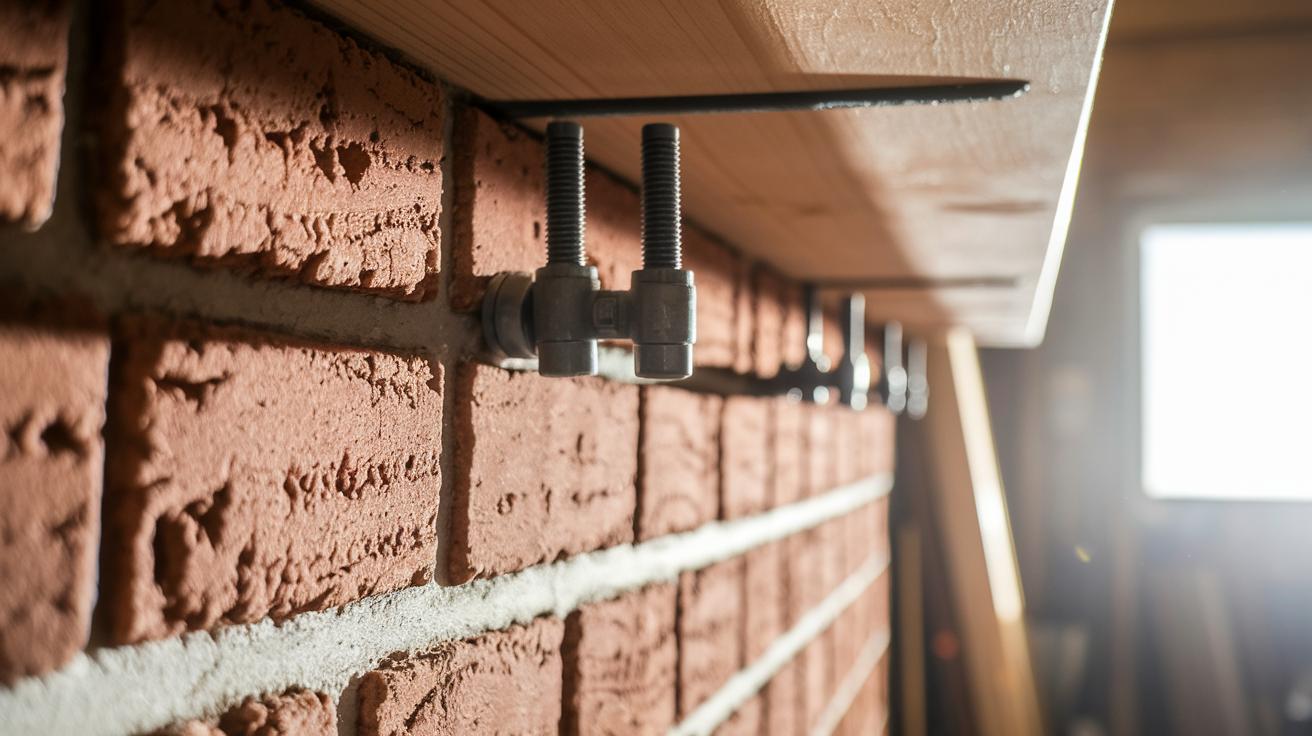
Masonry anchors let you securely attach items to brick, block, stone, or concrete. They work by creating a strong bond between your project and a solid surface. That means even when forces act on the load, it stays firmly in place.
Common brick masonry anchors include:
- Anchor bolts – Made of zinc-plated steel, they handle medium loads reliably. For example, when hanging a heavy shelf, an anchor bolt will give you a secure hold.
- Wall plugs – Best for light to medium tasks, these plugs work in both solid brick and mortar joints. They make installing a light fixture simple and stable.
- Concrete screws – With hardened threads that grip into masonry without causing extra damage, these screws are great for precise jobs. Quick tip: Use a concrete screw when you need to keep wall damage to a minimum.
- Epoxy adhesive anchors – These treat like resin-injected systems and deliver high load capacity. They are perfect for extra-heavy loads or areas with vibrations.
Choose your anchor based on the type of brick or stone you’re working with and the weight you plan to support. The right match makes installation easier and builds a more stable, long-lasting fix. Always check that the anchor you select meets your project’s load requirements.
Select the proper anchor type and size to ensure a safe and durable installation that stands up to everyday stress.
Comparing Sleeve Anchors: Male vs Female Brick Masonry Anchors
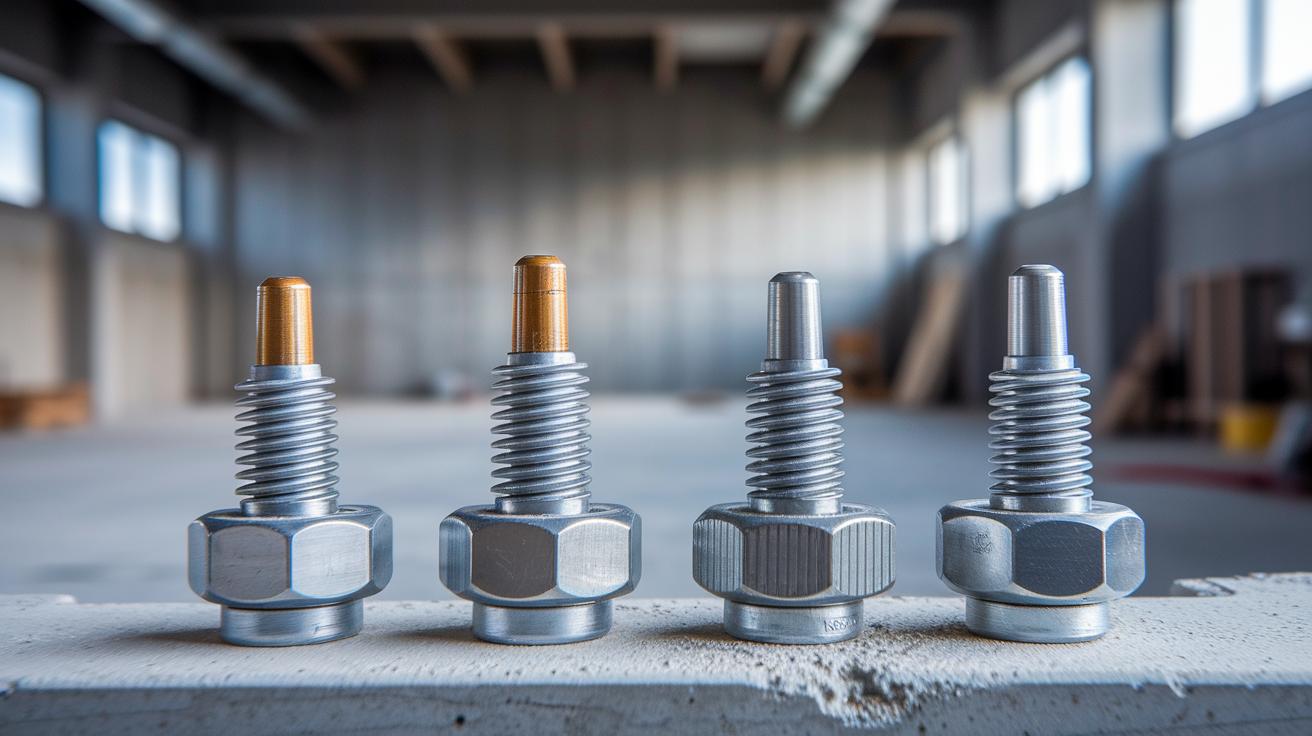
When anchoring brick, you work with two main types of sleeve anchors. Female anchors need a drilled hole that exactly matches the outside diameter of the anchor (the full width of the sleeve). They require a careful, precise hole so that the sleeve expands evenly when set in mortar or concrete. Think of it like fitting a puzzle piece perfectly; if the hole is too large or small, the bond can fail.
Male sleeve anchors come in sizes from 1/4 in (6 mm) to 3/4 in (19 mm). They offer many head styles such as round slotted, flat Phillips countersunk, acorn head, and hex nut. This variety lets you choose one that fits both the look and the strength you need whether you are working with solid brick, cored brick (brick with hollow parts), or mortar joints. For example, picking a hex nut head might give an industrial look while still providing strong support.
For the best durability, use zinc-plated anchors indoors and stainless steel anchors for outdoor or damp settings. Both require accurate drilling with a hammer drill (a drill that uses rapid impacts to break up tough materials) fitted with a carbide-tipped bit (a tip made of a very hard material) that matches the anchor size. Quick tip: Avoid SDS drills when you need a precise hole because they can cause unwanted cracking in the brick.
Innovative and Heavy-Duty Brick Masonry Anchoring Solutions
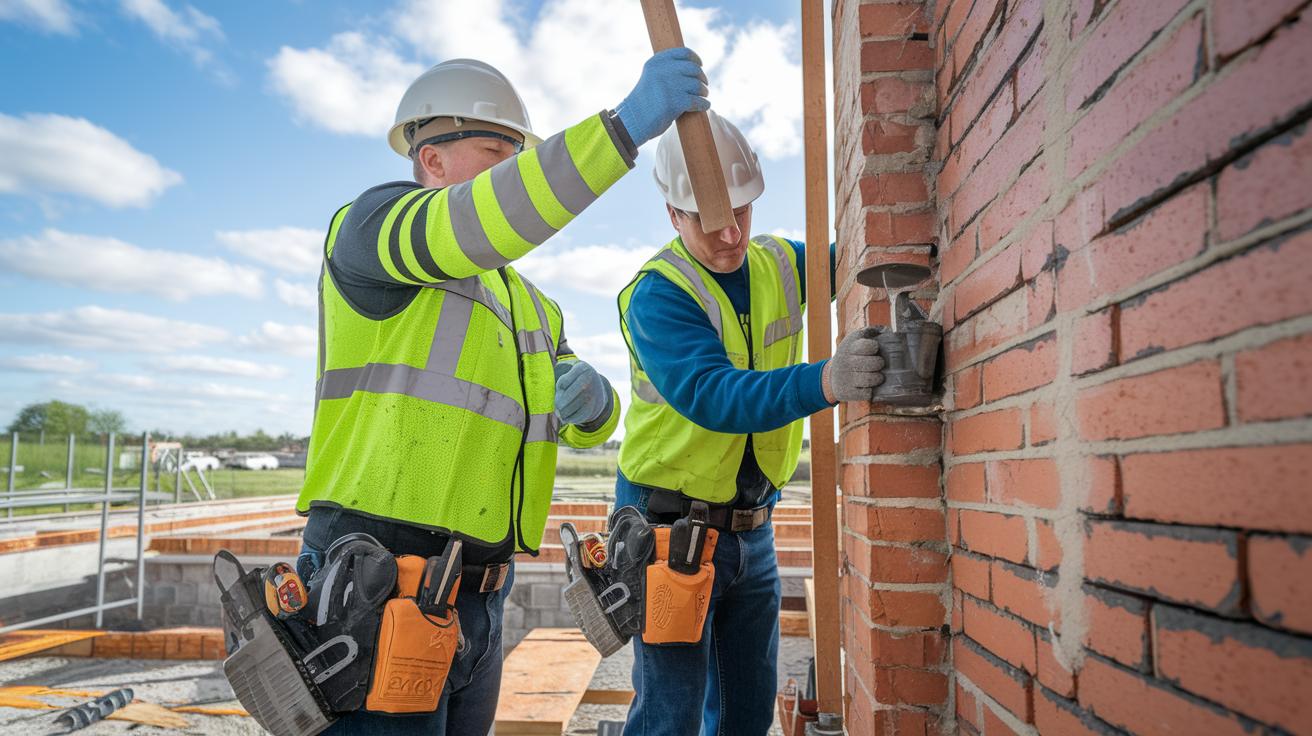
When you need more than ordinary fixings, heavy-duty brick anchors give you the strength your project requires. They work well on structures facing high winds, earthquakes, or aging materials. For example, the PROSOCO Stitch-Tie helical anchors secure brick, stone, or precast concrete veneers (a thin layer of material attached to a wall) while still allowing for normal temperature changes. This means that when you install a Stitch-Tie, you link layers together to stop unwanted movement.
Grip-Tie high-strength expansion anchors offer a solid option for commercial masonry. Their dual-expansion grips spread pressure evenly, so the bond stays strong even in severe wind or seismic conditions. They work well for both repairs and new construction because they hold fast without pulling walls inward.
Concrete Patch-Tie is a straightforward choice for repairing worn-out concrete. You drill a hole with an SDS hammer drill (a drill that uses a hammering action to break through hard surfaces) and then hammer in the tie. This process forms a mechanical bond that reinforces the connection between old and new concrete. If your repair job demands a secure, lasting hold, the Patch-Tie is a practical solution.
The Adjustable Speed Set Veneer Tie is built for new construction projects. It keeps a steady clamping force, reducing common issues like thread stripping or failures from hole variation. You can install it using either heavy-duty spring-loaded tools or more affordable alternatives. Each product includes detailed system specifications and submittals so you have all the information needed for a safe, durable installation.
Step-by-Step Guide to Installing Brick Masonry Anchors
-
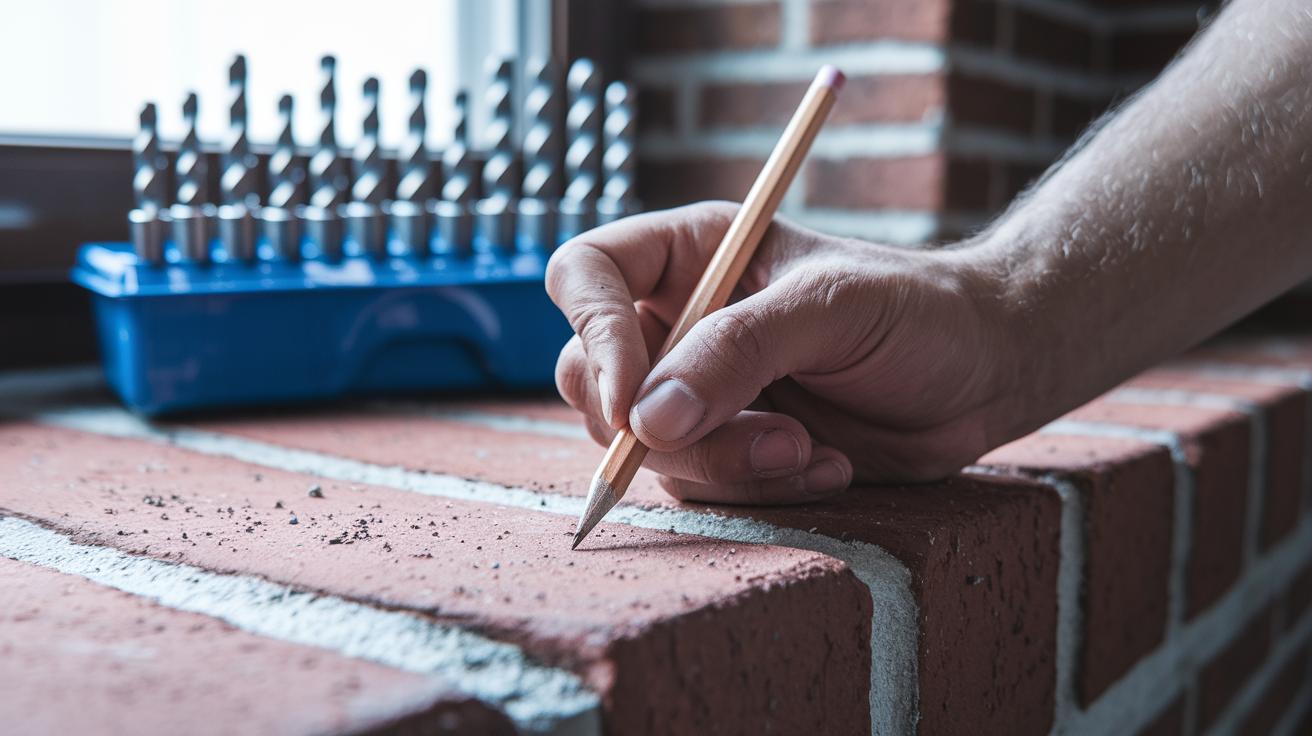
Mark the spots for your anchors with a pencil or marker. Follow the manufacturer’s guidelines for embedment and spacing. Accurate marking stops misalignment during installation.
-
Choose a carbide-tipped masonry drill bit that matches your anchor’s diameter. Using the right size keeps the anchor secure without causing it to be too loose or too tight.
-
Use an electric hammer drill with a 3-jaw chuck. Avoid SDS drills to reduce the chance of damaging the brick. This drill gives you controlled, precise impacts.
-
Drill pilot holes to the correct depth and add an extra ¼ in (6 mm) for debris buildup. This extra space helps the anchor fully engage in the hole.
-
Clean out the dust and debris from the hole with a wire brush or compressed air. Removing all the dust is key to a strong bond.
-
For mechanical anchors, gently insert the anchor into the hole and tighten it to the recommended torque. Tighten evenly to secure the anchor without stressing the brick.
-
For epoxy anchors, fill the pilot hole with resin and then insert the threaded rod following the instructions on the data sheet. Wait for the resin to cure fully before you put any load on the anchor.
-
For tie-type anchors, use the specified setting tool, whether spring-loaded or a basic version, to firmly secure the tie. Consistent setting helps prevent a loose joint.
-
Seal around the anchor heads with a proper sealant to block moisture, which can weaken the installation over time.
-
Finally, pull-test one anchor from each batch to make sure it meets the required load capacity. This check ensures your installation is strong and reliable.
Brick masonry anchors: robust performance for projects
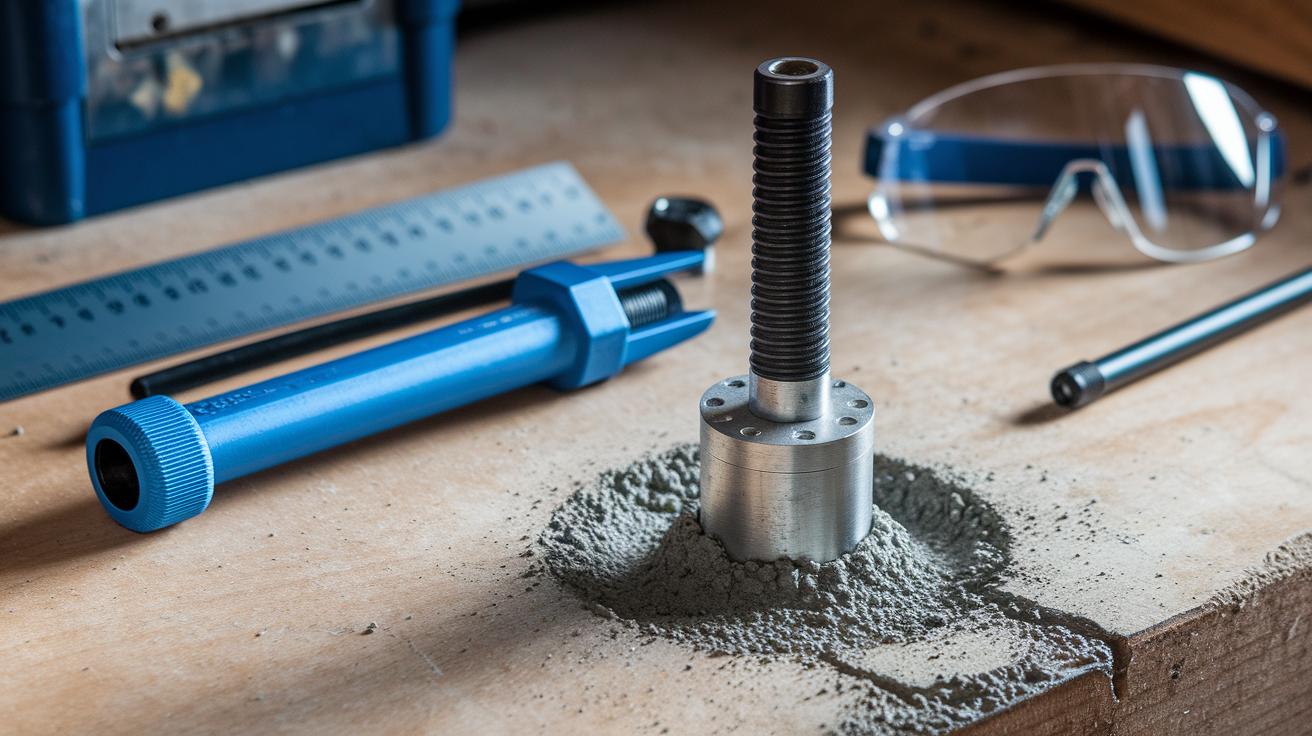
Anchors come with different torque (twisting force) and shear load (side force) ratings so you can pick the right one for your project. Knowing these numbers lets you match an anchor with the load you expect. For example, a sleeve anchor sized 1/2″ x 3″ (12.7 mm x 76.2 mm) needs about 30 ft-lb (40.7 N-m) of torque and supports up to 1,200 lbs (544 kg) of shear force. This means if you’re hanging something heavy, this anchor gives you extra confidence.
Before you start your project, try a sample installation and run a pull-test. Quick tip: test one anchor like you try on a new pair of shoes, a small check now can save you from bigger problems later.
| Anchor type | Torque (ft-lb) | Shear capacity (lbs) |
|---|---|---|
| Sleeve Anchor (1/2″ x 3″ / 12.7 mm x 76.2 mm) | 30 (40.7 N-m) | 1,200 (544 kg) |
| Concrete Screw (3/16″ x 2½″ / 4.8 mm x 63.5 mm) | 20 (27.1 N-m) | 800 (363 kg) |
| Wall Plug + Screw (8 mm) | 15 (20.3 N-m) | 600 (272 kg) |
Use these ratings as a guide during your load testing to be sure your brick masonry work is safe and strong.
Ensuring Safety and Compliance in Brick Masonry Anchor Projects
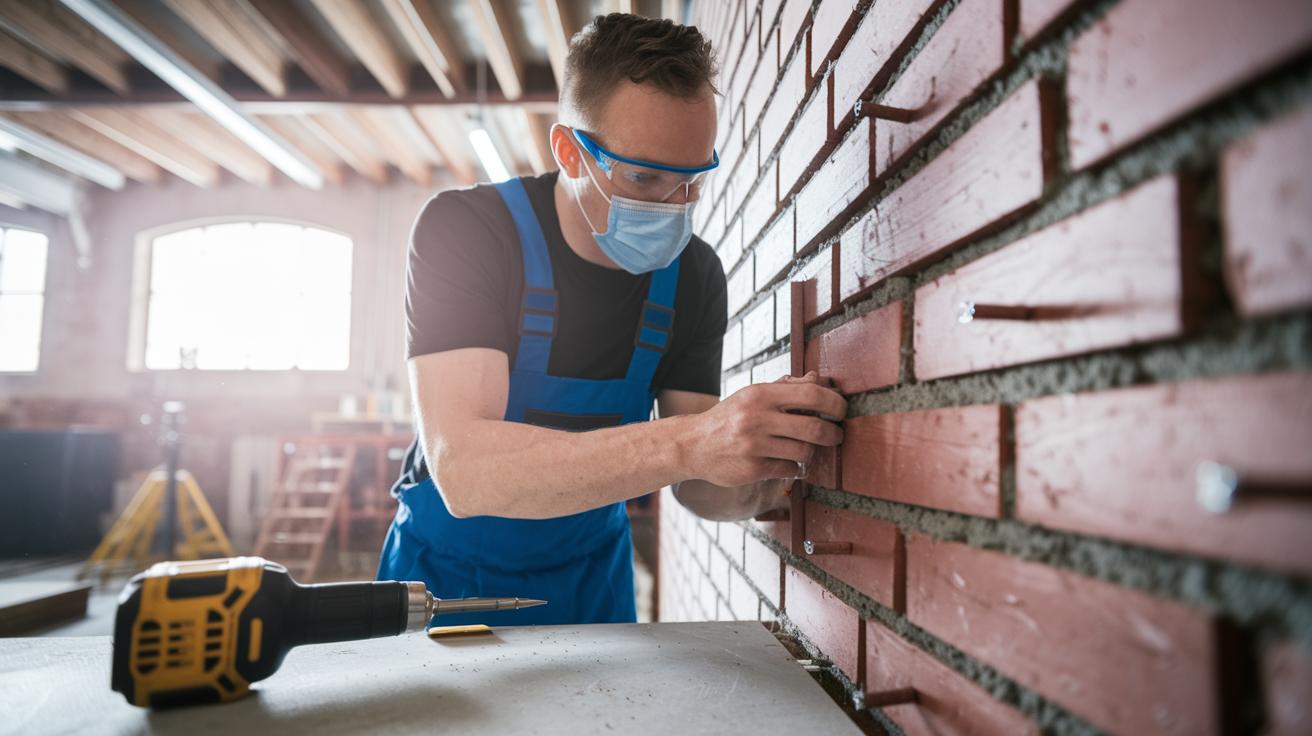
Safety comes first when working on brick masonry anchor projects. Always wear eye protection, a dust mask, and hearing protection while drilling. Building codes typically demand that anchors be spaced 4 ft (1.2 m) to 6 ft (1.8 m) on-center. For example, if a guideline specifies a 4 ft spacing, mark your work surface accordingly to keep loads even. Also, make sure the anchor is embedded at least 1.5 times its diameter. That means a ½ in (12.7 mm) anchor needs to be driven in at least ¾ in (19 mm) for a secure hold.
In areas prone to earthquakes or moisture, choose seismic-rated anchors made from corrosion-resistant stainless steel. This helps meet engineering standards and keeps your work safe. Always follow local codes like the IBC (International Building Code) and IRC (International Residential Code) for proper placement and inspection. You can also check the construction site safety guidelines at https://neull.com?p= to confirm all protective measures. This method not only meets code requirements for brick fixtures but also ensures the structure stays safe and durable in different conditions.
Troubleshooting Common Issues with Brick Masonry Anchors
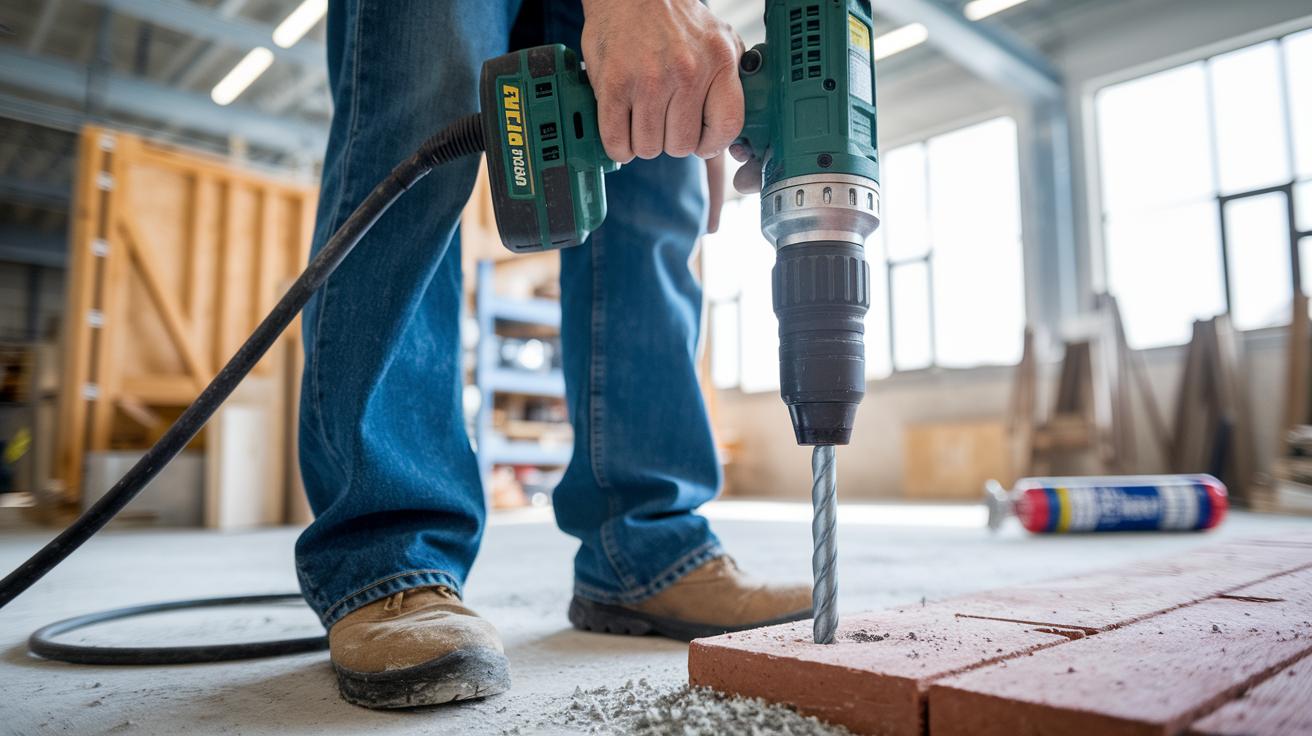
When a drilled hole is too large, the anchor may not hold tight. Try a larger anchor or fill the gap with epoxy adhesive. It’s like swapping out a worn tire for one that grips better.
If your SDS hammer drill causes the brick to break on the far side, switch to a 3-jaw chuck hammer drill and keep an eye on the depth. This helps you drill a neat, uniform hole while avoiding extra damage.
Thread stripping often happens when the hole isn’t the right size. Prevent it by using the proper carbide-tipped drill bit (a special drill bit with a hard tip) and cleaning out any debris before you insert the anchor. Think of it like clearing a clogged pipe to let water flow freely.
If the mortar joints start to crumble under pressure, retrofit the wall with helical Stitch-Ties (spiral ties that secure wall layers) to restore stability. Should the ties fail and the wall begin to bow, install an Adjustable Speed Set Veneer Tie following the spacing guidelines to secure the veneer.
- Over-drilled holes: Use larger anchors or epoxy.
- Hammer drill blowouts: Switch to a 3-jaw chuck drill and control the depth.
- Thread stripping: Use the proper carbide-tipped bit and clean debris.
- Crumbling mortar: Retrofit with helical Stitch-Ties.
- Bowing: Install an Adjustable Speed Set Veneer Tie.
Final Words
In the action of securing your work, brick masonry anchors guide you from choosing the right fixings to testing load capacities. We covered types, installation steps, and troubleshooting tips to help you build safely and on budget.
Each step emphasizes proper tools, drilling techniques, and safety protocols. With clear instructions and practical advice, you can confidently tackle your project and enjoy a sturdy, cost-effective result.
FAQ
What are the best brick masonry anchors?
The best brick masonry anchors include sleeve anchors and epoxy adhesive anchors, chosen based on load requirements and installation methods to securely fasten items to brick surfaces.
What brick masonry anchors are available at Home Depot?
Home Depot stocks a variety of brick masonry anchors, including Tapcon concrete screws and zinc sleeve anchors, which provide reliable fixing solutions for medium to heavy-duty applications.
What sizes do brick masonry anchors come in?
Brick masonry anchors come in sizes such as 1/4 in, 3/8 in, and 5/16 in, with various lengths available to meet specific embedment depth and load capacity requirements.
What brick masonry anchors are used for concrete?
Brick masonry anchors for concrete include concrete screws like Tapcon anchors and epoxy adhesive anchors, which bond well with concrete to provide secure, high-strength fastenings.
What are heavy duty brick masonry anchors?
Heavy duty brick masonry anchors are designed for high load applications, using robust expansion or epoxy systems to ensure a strong, durable hold even under demanding conditions.
What are masonry wall ties and anchors?
Masonry wall ties and anchors serve to connect brick veneers to supporting structures, ensuring stability by resisting movement and securely tying the wall layers together.
What masonry anchors and screws work best in brickwork?
Masonry anchors and screws, including sleeve anchors, concrete screws, and wall plugs, are optimal for brickwork when correctly sized and installed to meet the project’s load and durability needs.
What anchors are best for masonry brick?
The best anchors for masonry brick are typically sleeve or epoxy adhesive anchors, offering strong performance for both solid brick and mortar joint applications.
What is the best way to anchor into brick?
The best way to anchor into brick is to drill a pilot hole with a carbide-tipped bit, clear out debris, insert the appropriate anchor, and tighten it to the manufacturer’s specified torque.
What anchors can be used in brickwork?
In brickwork, you can use sleeve anchors, concrete screws, and masonry wall plugs, each providing specific load capacities and benefits that suit different brick and mortar conditions.
Is it better to put anchors in brick or mortar?
Anchoring directly into brick is usually more secure, though in cases where brick quality is compromised, setting anchors in mortar may allow for easier repair and adjustment while still providing reliable support.